Best Gelato in Bellagio: How to Read a Display
An honest look at gelato in Bellagio: how to judge a gelateria by its display, which flavours to order on Lake Como, and where granita fits in.
On this page
Bellagio has no answer to the great gelaterie of Bologna or Catania: it is a small, heavily visited village, so good gelato here means one or two honest counters rather than a street of choices. This guide explains how to judge a gelateria by what sits in the display, which flavours suit a lakeside afternoon, and how the cone-or-cup decision works.
Expect to pay resort prices. Bellagio sits at the tip of the promontory where the two branches of the lake meet, rents are high and the passing trade is constant, so a scoop here costs more than it would in Como or Lecco. That does not make it bad; it just means you should look at the gelato itself before joining a queue, because a crowd outside a counter near the ferry landing tells you about footfall, not about quality.
What gelato in Bellagio is actually like
Think small and seasonal. Bellagio's centre is a knot of steep lanes and stairways running up from the waterfront, and the food culture around it is built on the lake: cured agone (a small lake fish, salted and dried as missoltino), riso al pesce persico and polenta. Gelato arrived as a visitor pleasure rather than a local institution, so the counters you find are set up for people walking between the ferry and the villas, and quality varies accordingly.
The practical consequence is that you should treat gelato as a treat chosen on sight, not a destination in itself. Walk the length of the centre once, look into every display you pass, and only then decide. The village is compact enough that this costs you ten minutes, and it protects you from committing to the first bright freezer you meet off the boat.
How to tell real gelato from a tourist scoop
Read the display before you read the menu. Artisan gelato is churned in small batches and served soon after, so it sits low and slightly soft in its steel pans, often with a spatula resting in it, and the colours look like food: pistachio is a dusty khaki rather than bright green, banana is off-white rather than yellow. Gelato piled into high, rigid mounds with a perfect swirl usually means a base mix with a lot of air and stabiliser, which is fine for a cold snack but not what you came for.
The second test is range versus depth. A counter with forty flavours covering every fruit and every chocolate is working from powders and pastes; a shorter list that changes through the year is more likely to be made on the premises. If the shop sells granita and gelato but no cakes, no crêpes and no waffles, that is usually a good sign, because it means the freezer is the whole business.
Where to stop for a cone in the centre
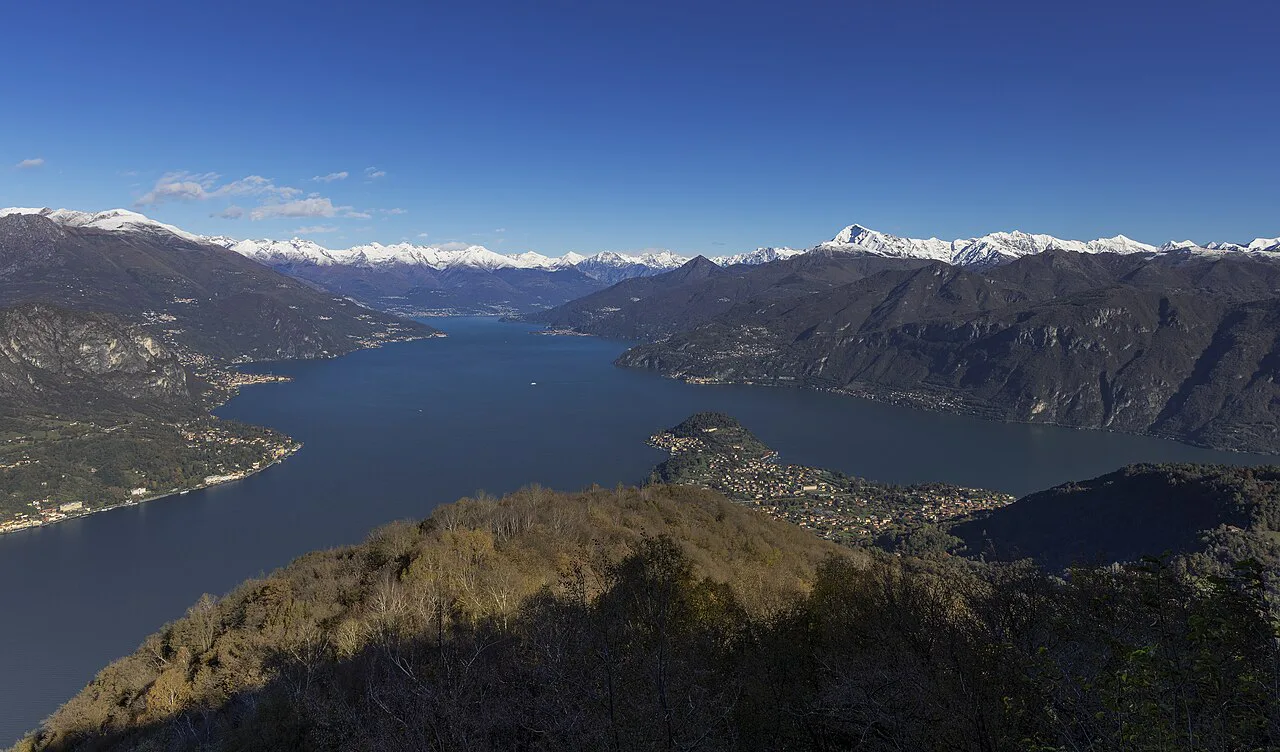
When you are in the middle of the village and want something cold without hunting, choose the counter whose display looks right rather than the first one you reach. A shop set up for takeaway, where you order at the counter and eat your cone or cup outside, suits a village where the pleasure is walking.
Granita is worth having on the list as well as the gelato, since it gives you a lighter option on a hot afternoon. If you are planning the rest of your eating day, keep the ice cream separate from the main meal and read our guide to the best restaurants in Bellagio for where to book lunch or dinner.
Granita and the Sicilian-style alternative
Granita is the Sicilian answer to a heatwave: fruit, sugar and water frozen and stirred into coarse crystals rather than churned smooth with milk and cream. It is served in a glass with a spoon, and it delivers more flavour and less fat than gelato, which is why it works well before dinner or in the middle of a long walk up the lanes of the centre.
If you want a sit-down break with a coffee instead, our guide to breakfast in Bellagio covers how mornings work at the counter. Keep the granita for the afternoon and you will not spoil either appetite.
Flavours to order on Lake Como
A safe approach in Lombardy is to lean on flavours that depend on good ingredients and little else: nocciola (hazelnut), pistachio, stracciatella (milk gelato with fine chocolate shards) and dark chocolate are the ones to try first, because a poor base shows up quickly. Fruit flavours such as fragola (strawberry), limone (lemon) and pesca (peach) are a summer pleasure, so order them when the fruit is in season rather than in the depths of winter, when a peach cone is rarely money well spent.
The kitchen of the lake leans on butter and cheese, with polenta appearing alongside lake fish and, in the mountains above, in the rustic polenta uncia dressed with melted butter, garlic, sage and cheese. That richness is why a sharp fruit sorbetto or a granita makes a better finish than a heavy cream flavour after a plate of missoltini. Take one or two flavours rather than four: a small cone with nocciola and a fruit sorbetto side by side lets you taste both properly, and it is the way Italians usually order.
What you pay and how ordering works
The choice at the counter is cono or coppetta, a cone or a cup, and the price steps up with the number of flavours and the size. Prices in Bellagio are set for visitors, so check the board before you order and, if the sizes are unclear, hold up your fingers for the number of scoops you want. If the gelateria does not display its prices, ask before committing rather than after.
Ordering is simple: choose the cone or the cup and name your flavours in order. At a small takeaway counter the choice is usually quick and you eat on the move, so there is no expectation that you sit down; where a shop does have a till, follow the staff's lead on whether to pay first or last.
Is gelato in Bellagio worth the queue?
Yes, if you choose on sight rather than on noise. Bellagio will not give you the depth of a city with a gelato tradition of its own, but a decent cone in the middle of the village is easy to find, and a display that sits low and soft is a better guide than a line of people. Walk the whole centre first, look before you buy, and keep your order to one or two flavours.
If your afternoon turns into a full meal, move on to the best pizza in Bellagio for a slice on the go, or save the granita for the hottest part of the day and turn up hungry for dinner.
Explore more Bellagio food guides
Frequently Asked Questions
What are ice cream shops called in Italy?
A gelateria is the shop itself. Gelato is the ice cream, and sorbetto usually indicates the dairy-free fruit version. In Bellagio you will see gelateria on the signboards around the centre, and the word covers both the artisan counters and the places selling factory base.
Where can I learn to make gelato?
Bellagio is built around eating rather than production, so treat it as a place to taste rather than to train. If making gelato matters to your trip, look for a short course in a larger city such as Milan or Bologna, where professional kitchens run classes, and keep Bellagio for the cone.
Where do celebrities eat in Bellagio, Italy?
The village is known as a lakeside retreat, but that does not translate into a celebrity dining map. Judge places on their own terms: the Trattoria San Giacomo, on the Salita Serbelloni, describes fresh lake fish, hand-made pasta and a risotto al pesce persico, and its own site sets out what it cooks. Decide on the cooking rather than on who might be at the next table.
Sources
Notes for your next meal in Italy
Optional updates to our food guides.
You might also like
Continue reading
More guides you'll find useful