Best Restaurants in Parma: Where to Eat, Dish by Dish
Parma rewards eaters who know what to order. Here are the restaurants worth a table, from historic trattorias to contemporary bistrots, with the dishes to get.
On this page
Start with torta fritta and salume, follow with tortelli d'erbetta or cappelletti in brodo, and you have eaten Parma properly. The tables worth seeking spread from the centre out to Felino, Coloreto and Polesine Parmense, so the real decision is less about a ranking than about which kind of meal you want. If you are deciding between Emilia-Romagna cities, the best restaurants in Alghero show the same dish-by-dish approach applied to a different old town.
La Bandina's own guide to the province's hundred best restaurants publishes its picks by category, not in order, and pitches itself against the mass-market tourist tables. That structure is a useful way to plan, because a quick fried-dough lunch, a slow osteria dinner and a big-occasion table ask for different bookings and different appetites.
What to order in Parma
Torta fritta is the one to get right: a puffed, quickly fried dough served warm with sliced salume, and the classic opener in these parts. The local selection insists on calling it torta fritta, not gnocco fritto, so use that name when you order. The salume to ask for first is Prosciutto di Parma, the dry-cured ham, served in thin slices.
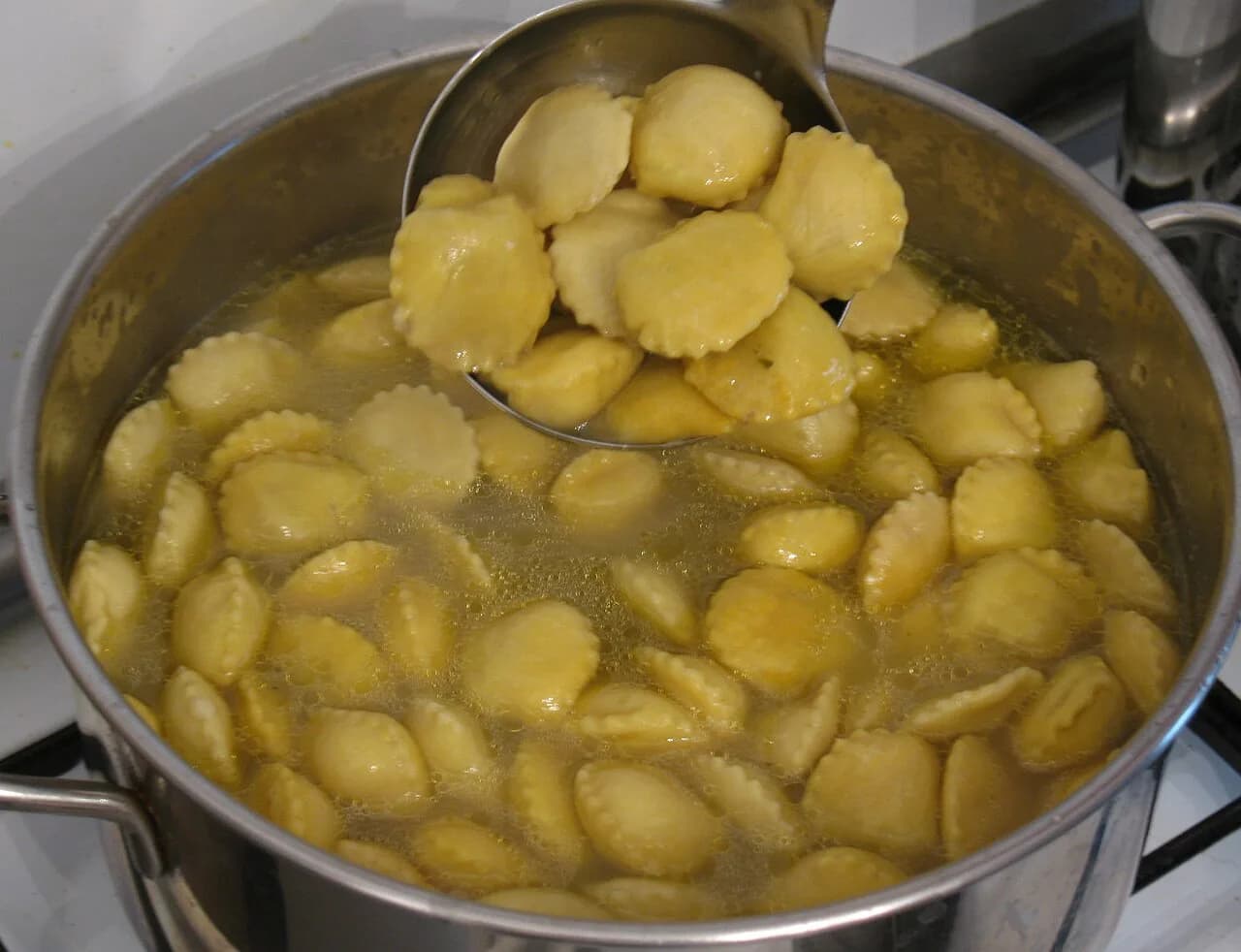
Tortelli d'erbetta are the classic filled pasta; cappelletti in brodo are the smaller filled shapes served in clear meat broth. Both appear on the menu at Gallo d'Oro on Borgo della Salina, alongside torta fritta with salume, risotto al Parmigiano Reggiano and a pork fillet with Lambrusco sauce.
Culatello is the other great cured meat of the province, prized alongside prosciutto. Order it sliced as part of a salumi board rather than as a main, and let the torta fritta do the carrying. The guide to Culatello di Zibello explains how it differs from prosciutto.
How Parma's restaurant styles differ
Parma's tables fall into a few useful types. La Bandina's list groups them by category: big-occasion rooms, contemporary bistrots, classic and neoclassical restaurants, fish specialists, locande and osterie, a salumi special, country trattorias, street-food stops and a category for wine-minded traditionalists. Match the type to the occasion: a quick plate, a long osteria dinner and a celebration call for different bookings.
The city's cooking is built on a short list of products: Prosciutto di Parma, Culatello di Zibello, Parmigiano Reggiano, torta fritta, cappelletti in brodo and tortelli d'erbetta. That narrowness is an advantage, because a kitchen that handles these well rarely disappoints elsewhere on the menu. Parmigiano Reggiano deserves its own attention before it reaches the table, and our guide to tasting and buying Parmigiano Reggiano shows how the cheese is made and chosen.
If you are building a day around pasta, anolini are Parma's other signature stuffed shape, and the guide to Anolini: Parma's Stuffed Pasta and How It's Served explains how they are served. For a table-recommendation-heavy route through the city's pasta plates, the guide to the best pasta in Parma names where to sit for each dish.
Historic trattorias and classic Parma cooking
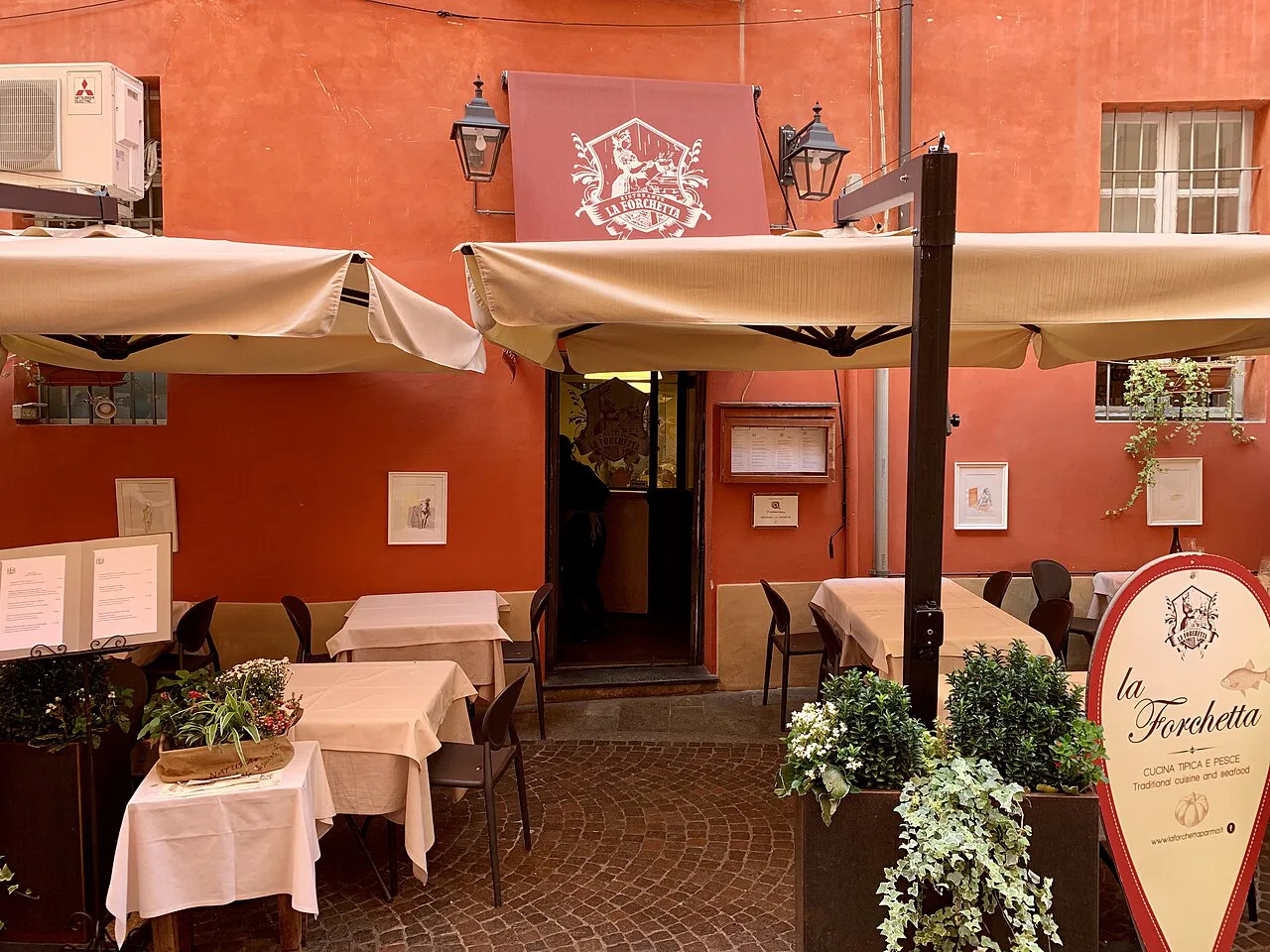
Gallo d'Oro on Borgo della Salina is the historic-trattoria pick, presenting itself as a home of typical Parma cooking. Its menu names torta fritta with salume, tortelli d'erbetta, cappelletti in brodo, risotto al Parmigiano Reggiano and a pork fillet with Lambrusco sauce, which is exactly the classic order. The restaurant states that it is open every day from midday to midnight, which makes it an option for lunch or a later dinner.
Eat here the classic way: torta fritta and salume to start, then tortelli d'erbetta, finishing with sbrisolona, the crumbly cake the restaurant lists among its dolci. The kitchen covers both the savoury and the sweet ends of the Parma canon, which makes it a sensible single meal if you have only one long lunch in the city.
Save room in the morning for the city's own breakfast habit, a tortello da forno eaten with coffee at the bar, which the guide to breakfast in Parma covers in detail. It sounds slight and it is not: the sweet pasta parcel is filling, so skip the pasticceria and walk to lunch.
Contemporary bistrots in the centre
The centre's contemporary bistrots are where the same ingredients get a lighter, more modern treatment. Borgo 20 on Borgo Venti Marzo and Cortex Bistrot on Borgo del Correggio both appear in the local selection's contemporary-bistrot category, so they are a good starting point if you want a modern meal near the historic core.
Two more central addresses in the same selection are Officina Alimentare Dedicata on Via Ferdinando Maestri and Oenopolium on Via Nazario Sauro, both handy for a central lunch or an early dinner. The bistrot format works well if you want two courses rather than a full Parma marathon.
If your evening starts earlier, the guide to aperitivo in Parma covers where to take a drink and a small plate before dinner, which is often the better way to eat in the centre than three courses. Keep the aperitivo short so the bistrot table still has room.
Osterie and locande
Osterie and locande are the relaxed middle ground: cured meats, simple pasta and a local wine list, with the osteria's own character doing much of the work. Osteria Antichi Sapori on Strada Montanara and Artaj Osteria on Stradello San Girolamo are both listed in the local selection, so pick the one nearer your route.
Out in the province, Osteria Dolce Sale at Langhirano puts you in prosciutto country, where a plate of local salume makes more sense than anywhere else. Order the cured meats and a simple pasta and let the setting be the occasion.
For the context on the way, the weekend guide to Parma includes the cathedral, the baptistery and the Diocesan Museum in its sightseeing route. The practical point is that a locanda meal outside the walls usually turns into an afternoon, so plan the day around lunch rather than squeezing it into a city itinerary.
The big-occasion tables
Antica Corte Pallavicina at Polesine Parmense is the splurge: a country estate in the Bassa where a long meal stretches comfortably into the afternoon. It is the obvious pick for a birthday or a last night, and the drive out through the flat Po plain is part of the experience.
In the city, Inkiostro on Via San Leonardo and La Filoma on Borgo Venti Marzo 15 both appear in the local selection's big-occasion category. They suit a special dinner rather than a plate of tortelli, so treat them as an evening out.
For a middle path, Trattoria ai due Platani at Coloreto and Trattoria Campanini at Madonna Prati offer a long lunch without the big-occasion formality. They are the sort of place where the torta fritta arrives first and the pace is unhurried, which is often what a visitor actually wants.
Beyond the city walls
The province rewards the detour. Antica Trattoria Leoni at Felino, La Valle at Siccomonte near Fidenza and Ristorante 12 Monaci at Fontevivo all sit in the province around Parma and give you a country meal without a city-centre setting.
Ristorante Colibrì at Traversetolo and Osteria Dolce Sale at Langhirano are both province lunches rather than quick stops, so leave the afternoon open.
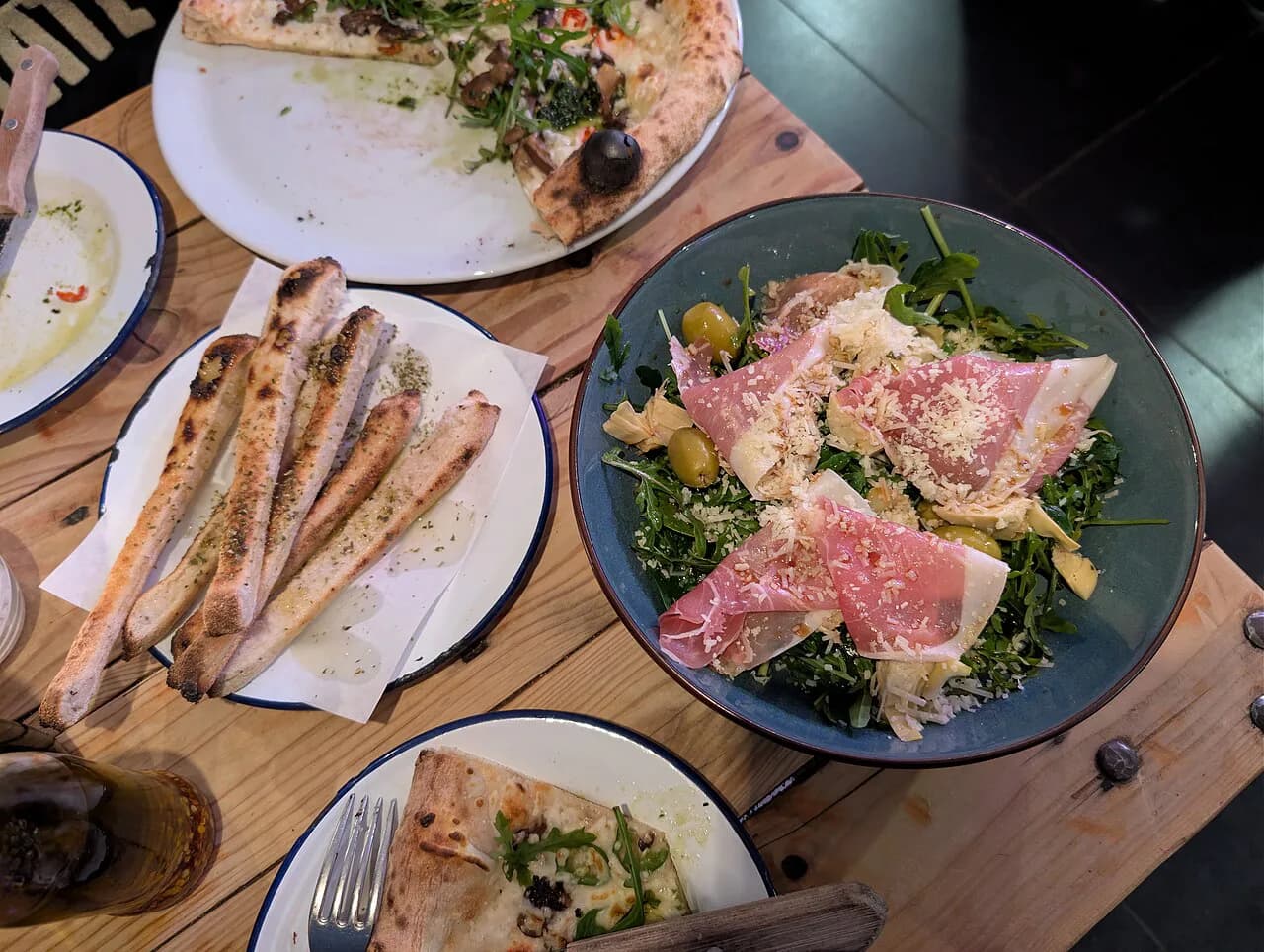
If you are eating in the centre instead and want something casual in the evening, the guide to best pizza in Parma sets out where to go for a wood-fired pie. It is a sensible choice when you want a simpler table.
How to book a table in Parma
Gallo d'Oro states on its own site that it is open every day from midday to midnight, and the same site carries a Book a table facility. Check the restaurant's own site for its current menu and hours before you go.
Book directly with the restaurant where you can, rather than through a third-party listing. If you turn up without a booking, a central bistrot or a pizzeria is usually the most flexible fallback.
Finish with something sweet: the guide to the pastry shops in Parma names where to buy sbrisolona and other Parma dolci to take home.
Which Parma table to book first
If you have one meal in Parma, make it a classic: torta fritta, tortelli d'erbetta and a glass of Lambrusco at Gallo d'Oro, which serves the canon without ceremony. If you have two, add Antica Corte Pallavicina at Polesine Parmense for the cured meats and the sense of place.
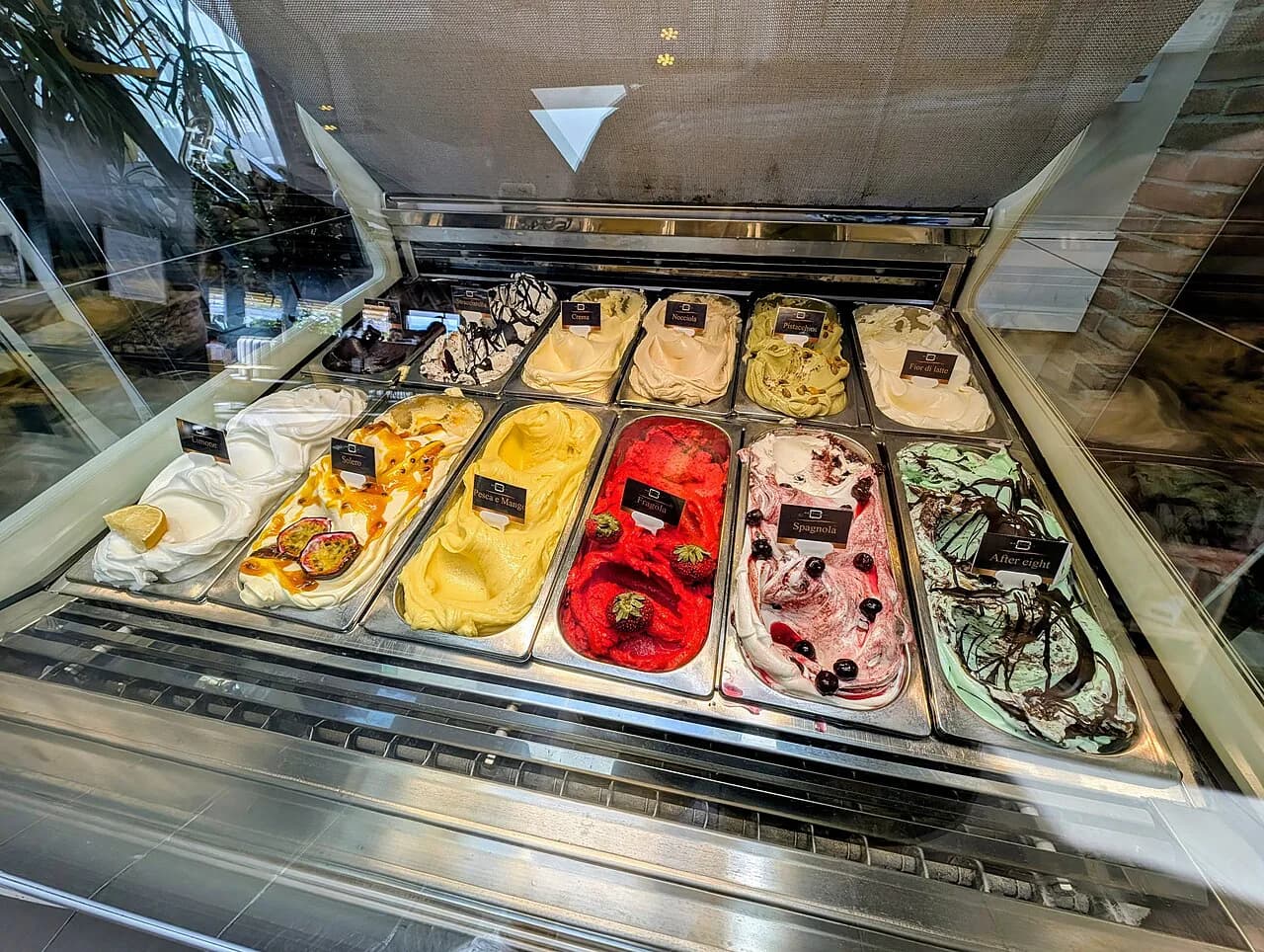
For a shorter trip, pair a central bistrot lunch with an osteria dinner, and use the afternoon for gelato: the guide to the best gelato in Parma tells you where the good stuff is.
Explore more Parma food guides
Frequently Asked Questions
What food is Parma famous for?
Parma is known for Prosciutto di Parma, Culatello di Zibello, Parmigiano Reggiano, torta fritta with salume, tortelli d'erbetta and cappelletti in brodo. The city's cooking is built on a short, strong list of local products, which is why a short menu is usually a good sign.
Do I need to book a restaurant in Parma?
For a big-occasion table or a weekend lunch in the province, it pays to book ahead. Gallo d'Oro carries a Book a table facility on its own site. A pizzeria is usually the most flexible fallback if you have no booking.
What is there to see in Parma between meals?
The weekend guide covers the cathedral, the pink-marble baptistery (whose ticket also covers the Diocesan Museum) and the baroque church of San Giovanni Evangelista, all close together around Piazza Duomo.
Sources
Notes for your next meal in Italy
Optional updates to our food guides.
You might also like
Continue reading
More guides you'll find useful