Trattorias in Bologna: Where to Eat and What to Order
Trattorias in Bologna worth planning your day around, from old-school pasta and bollito to the classic cotoletta, with the dish to order at each.
On this page
The quickest answer for trattorias in Bologna is to pick by occasion: Osteria dell'Orsa and Trattoria da Gianni for a central lunch, Osteria Bottega or Trattoria di Via Serra for a booked dinner, and one of the fuori Porta rooms outside the walls for a long evening. What follows sorts the city's classic trattorias by what they do best, names the dish to order at each, and explains the coperto and booking habits that shape a Bologna meal.
The kitchen you are eating in is the Emilian one: egg pasta rolled thin, a slow meat ragù, tortellini in capon broth, and secondi that lean on pork, veal and Parmigiano. Menus rarely chase novelty, so the safe strategy is to order the dish each place is known for instead of the broadest-sounding option.
Trattorias in Bologna: the short answer
Choose the university quarter for a fast, cheap plate of pasta, the streets between Piazza Maggiore and Via Indipendenza for a reliable central lunch, and the roads beyond the walls for the old fuori Porta evening. Our picks for a first visit are Osteria dell'Orsa for tortellini and tagliatelle without a booking, Trattoria da Gianni for the full roll-call of hand-rolled pasta, and Osteria Bottega for tortellini in brodo in a more polished room.
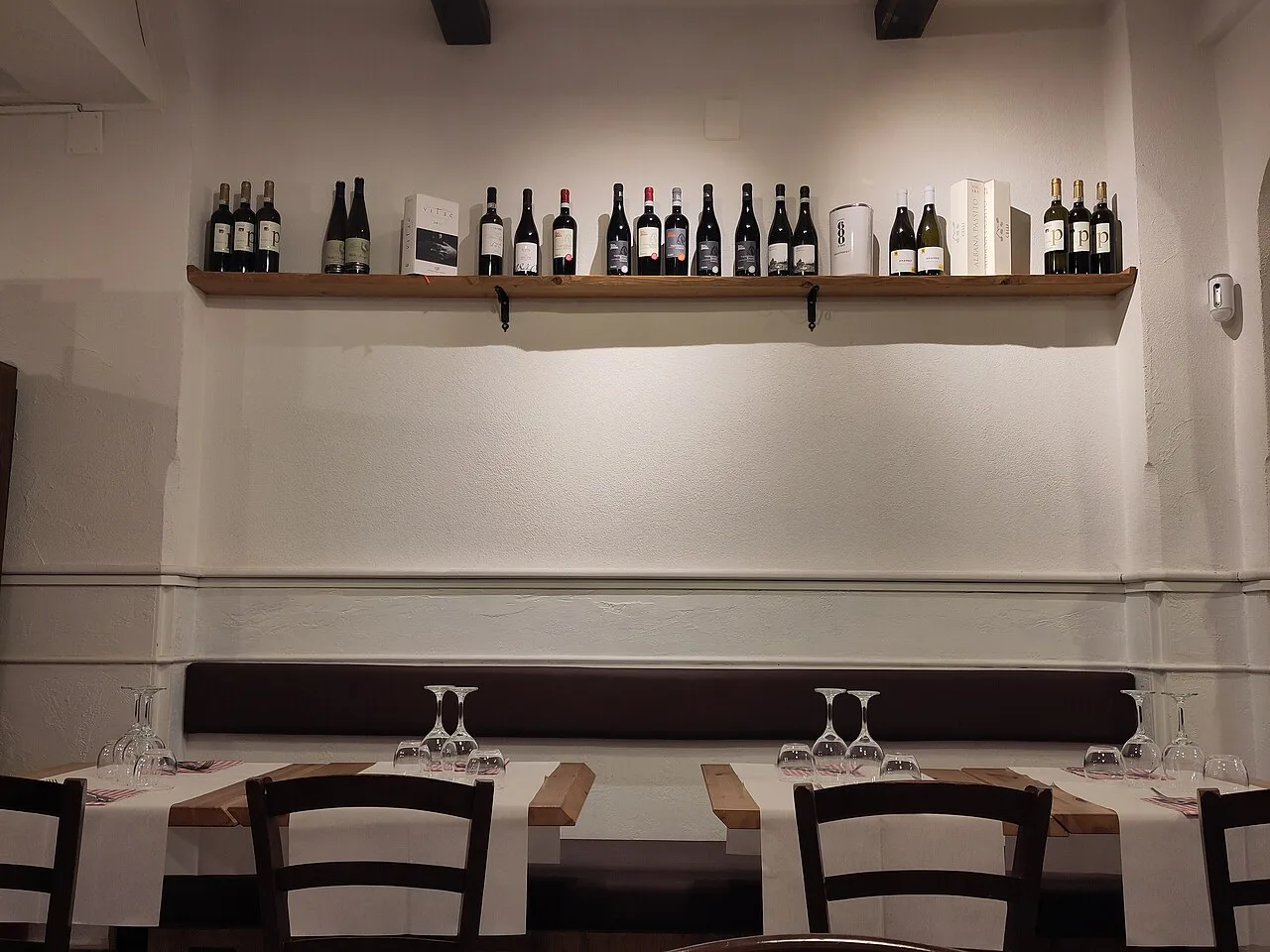
Osteria dell'Orsa opened in 1979 in the university zone, a few steps from Via Indipendenza and Piazza Maggiore, and serves homemade tagliatelle, tortellini and lasagne al forno alongside mixed cured meats, fried crescentine and cotoletta. It takes no bookings, but the dining room is large enough that waits are usually short, and it stays open through the afternoon, which makes it the practical choice when lunch runs late.
Around the corner from the central sights, Trattoria da Gianni on Via Clavature keeps a classic trattoria room and a menu built on the pasta board: lasagne verdi, tagliatelle, tortellini, passatelli and gramigna with sausage. Order the bollito misto with salsa verde, mostarda and friggione, and expect a proper sit-down meal rather than a quick bite.
What a Bologna trattoria puts on the table
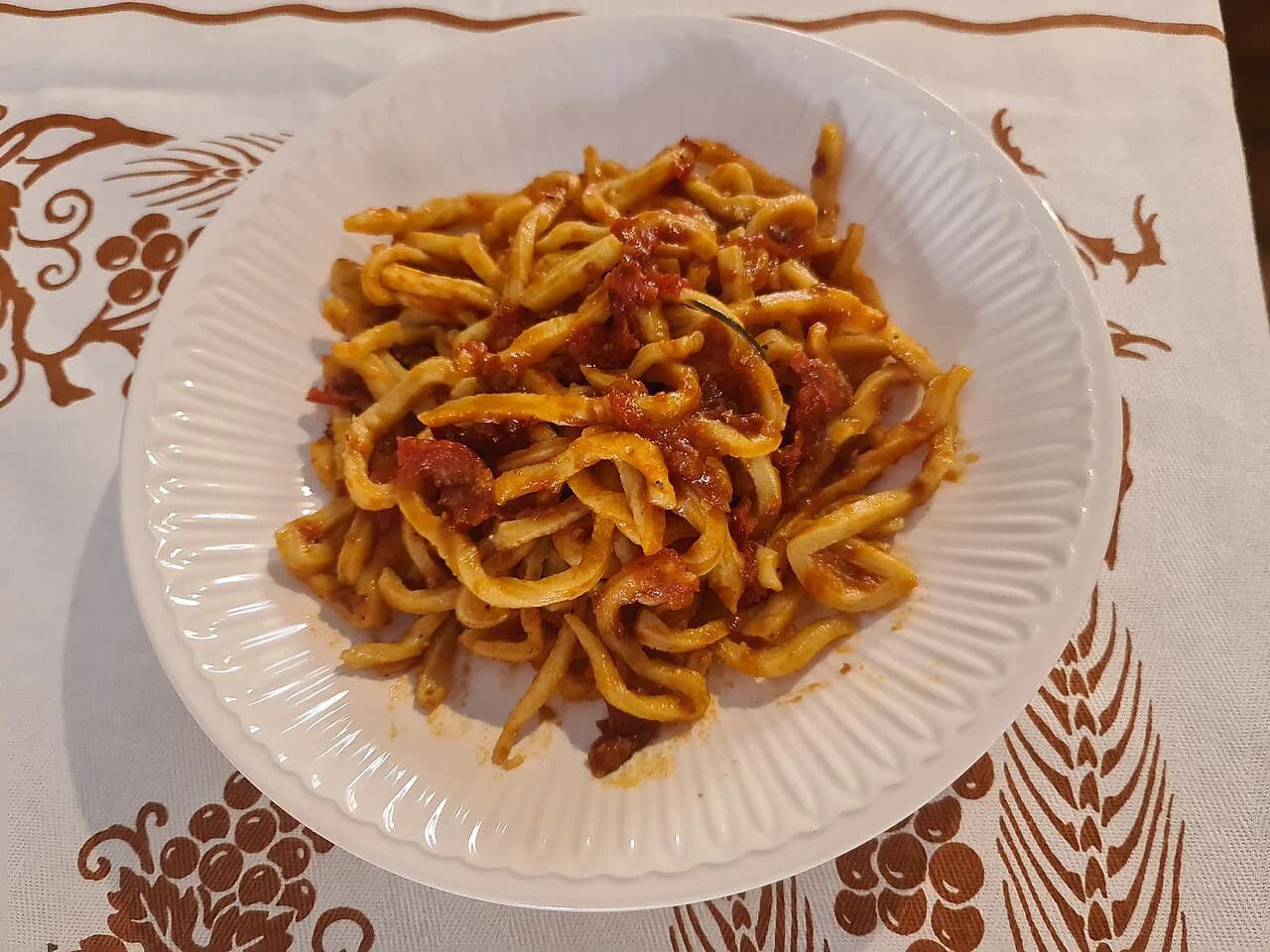
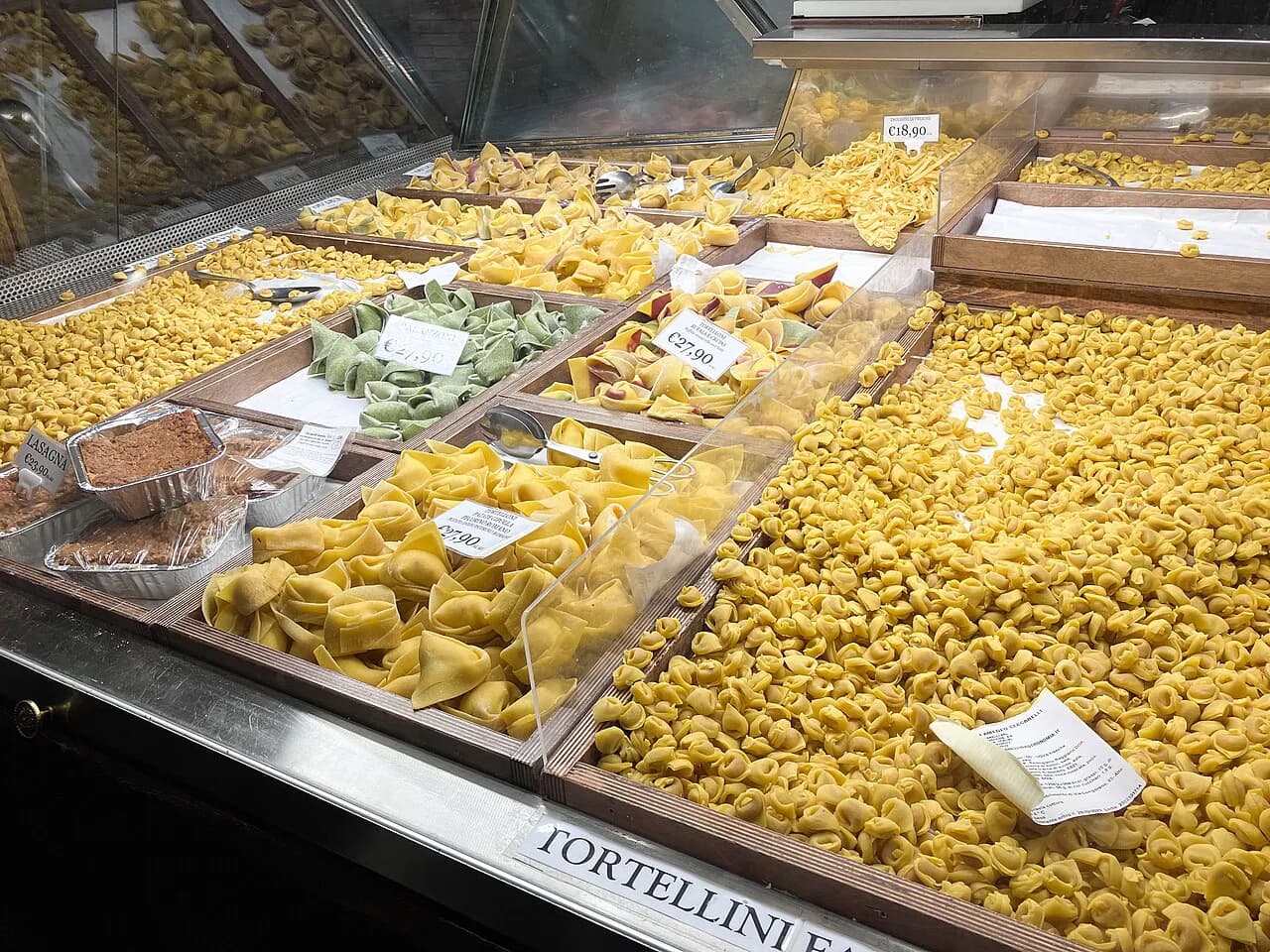
Start with the fresh egg pasta: tagliatelle dressed with ragù alla bolognese, tortellini in a clear meat broth, and lasagne verdi layered with ragù and béchamel. Passatelli, made from egg, Parmigiano and breadcrumbs, is the less familiar first course worth trying once, and gramigna with sausage is the everyday alternative to the famous names.
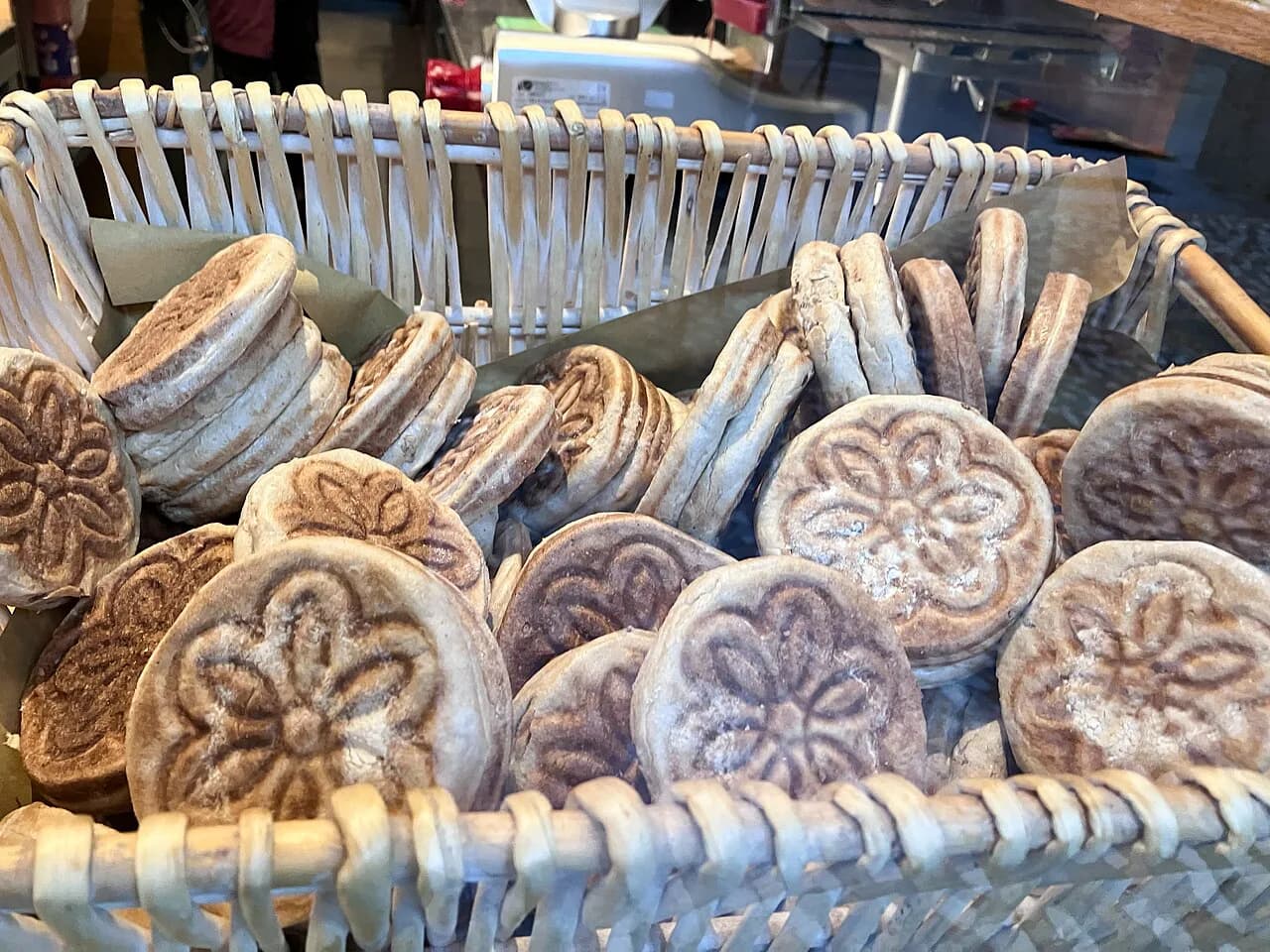
Antipasti lean on the local salumi, and Mortadella Bologna IGP is the one to take seriously, sometimes cubed and served warm with crescentine, the puffed fried dough that arrives with the affettati. The recipe for friggione, the slow onion and tomato sauce, is registered with Bologna's Chamber of Commerce, and it turns up next to bread, bollito and grilled meats.
For a secondo, cotoletta alla bolognese is the signature: veal or chicken fried in lard, topped with Parmigiano and prosciutto, then finished in the oven. In winter the bollito misto takes over, with the classic cuts of beef, hen and veal plus tongue and cotechino cooked separately, and the meal ends with torta di riso, known in Bologna as the torta degli Addobbi, made with rice cooked in milk, eggs, sugar and lemon zest.
Ordering is straightforward: a primo of pasta, a secondo with a contorno, a shared plate of salumi to start. Portions are generous, so a table of two is better off sharing an antipasto and ordering separate primi than working through the full sequence in every course.
Where locals eat: Osteria dell'Orsa and the university quarter
The streets around Via Mentana, Via delle Belle Arti and Via Zamboni feed the university, and their trattorias price for students and office workers rather than day-trippers. Osteria dell'Orsa is the best-known address here, and Trattoria Annamaria on Via delle Belle Arti is another that serves the classic menu of tagliatelle and tortellini with ragù in a plain room just off the centre.
Eating here means a fast, noisy lunch rather than a long dinner, and it is where a plate of pasta costs noticeably less than the same dish one street from Piazza Maggiore. Walk fifteen minutes north-east of the main square and order the tortellini in brodo, which most of these kitchens make in-house.
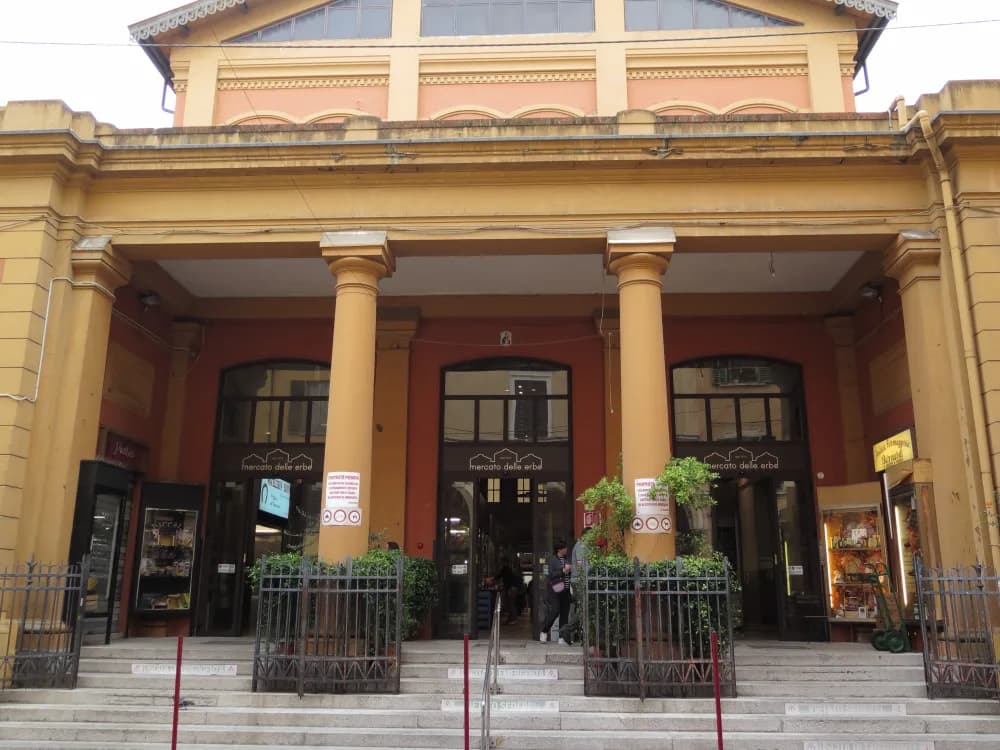
If you want to pair a trattoria lunch with the market side of the city, the food markets in Bologna cluster around the Quadrilatero, and a morning of browsing stalls makes a natural run-up to an early table in the university zone.
Old-school, polished Bologna cooking
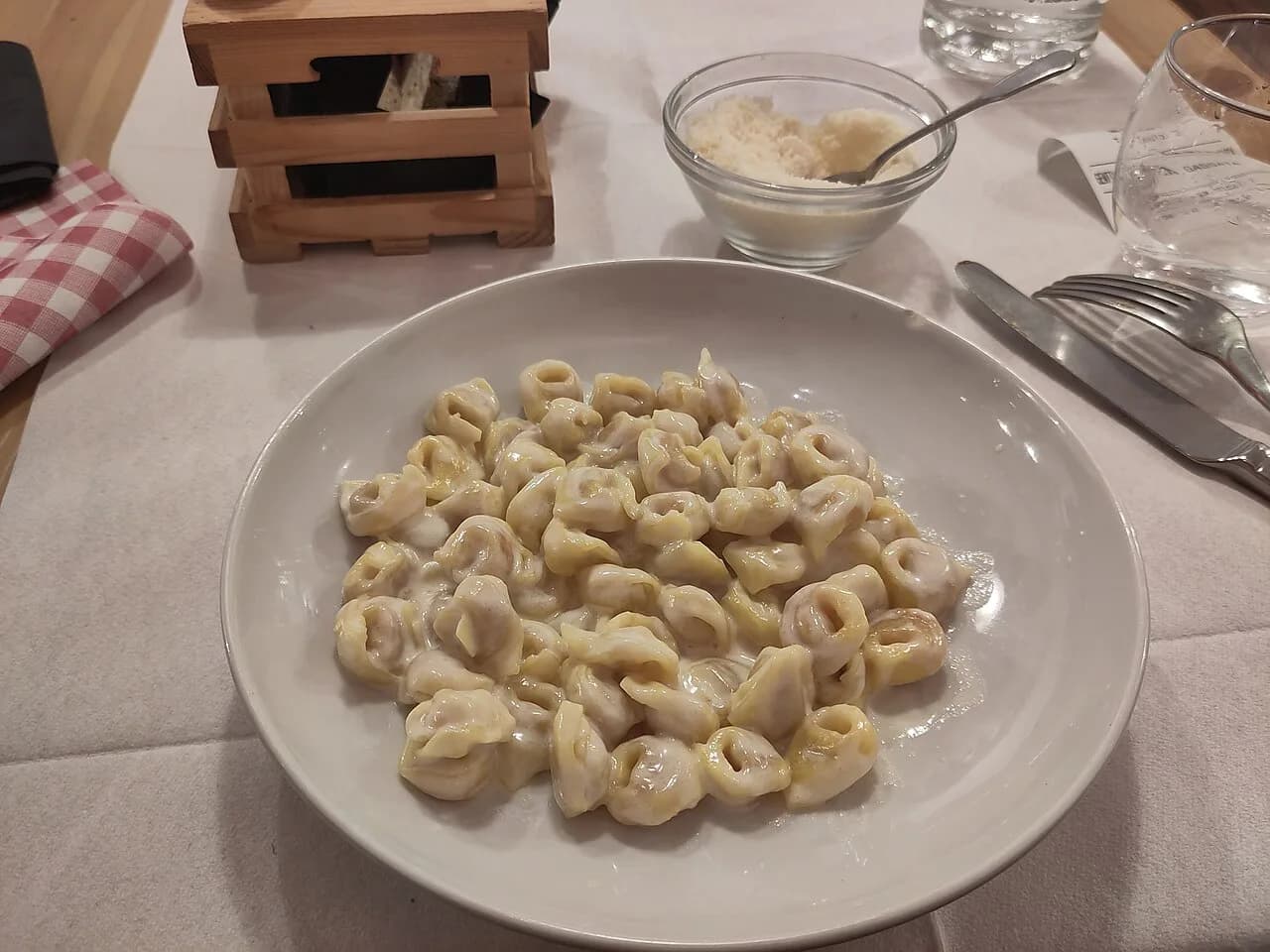
Osteria Bottega, run by Daniele Minarelli, is the benchmark for traditional cooking in a smarter room, with an excellent selection of salumi and a kitchen that executes the classics precisely. Order the tortellini in brodo and the cotoletta alla bolognese, and use the wine list, which is one of the strongest among the city's trattorias.
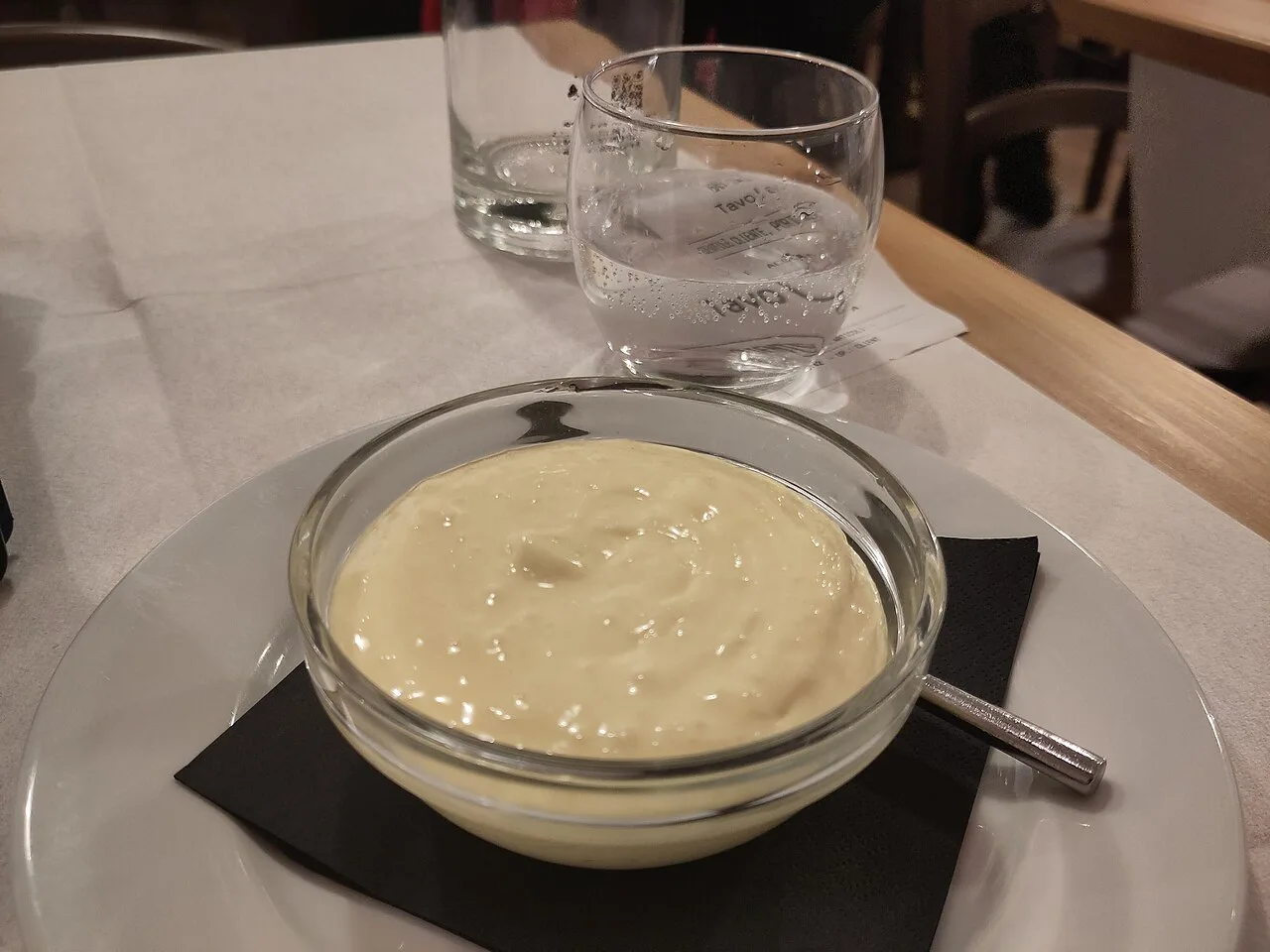
Trattoria di Via Serra keeps its menu close to tradition without becoming a museum piece, sources flour, cheese and salumi from small nearby producers, and is always busy enough that a booking is essential. Tortellini in brodo and the beef from Modena cattle are the dishes to aim for, and the zuppa inglese is a proper finish.
Trattoria Collegio di Spagna sits centrally but away from the crush, with no reinventions on the menu: fresh pasta in the standard shapes, then cotoletta petroniana, friggione and meatballs, with torta di riso to close. It suits a quiet, correct lunch after a morning around the centre, and the wine list is short but well chosen.
For a bigger, more celebratory meal in the same traditional register, Al Cambio dresses the room up with refined table settings while serving the opulent Emilian cooking: potato and mortadella sformato with Parmigiano cream, tagliatelle with ragù, and braised beef cheek with Sangiovese on mashed potato.
The trattoria tradition carried forward
Trattoria da Me, run by Elisa Rusconi, has built its reputation on cooking the traditional repertoire well while adding newer ideas, and it is a good place to see how the Bologna trattoria is evolving without losing its base. Casamerlò takes a similar route with a long menu split between traditional plates, an Eighties repertoire and revisited classics; the tagliatelle, tortellini, meatballs and cotoletta petroniana are solid, and the more inventive ravioli show the kitchen's ambition.
If you would rather learn the pasta shapes than order them, cooking classes in Bologna run by the city's sfogline cover the rolling and filling of tortellini and tagliatelle, which makes the restaurant versions easier to judge afterwards.
Trattorias outside the centre: the fuori Porta tradition
The fuori Porta trattoria is a Bologna institution: rooms beyond the old walls where families and friends settle in for a long evening of abundant portions and convivial noise. Trattoria da Vito, now run by the founder's son, is the classic example, with lasagne, tortellini in brodo or with ragù, rabbit alla cacciatora, pork shin and, to finish, tiramisù or zuppa inglese.
Trattoria Zita opened in 1940 as a small friggitoria with a few flasks of Lambrusco and still cooks the food of that era, with a different menu on each day of the week and homemade pasta, so a taxi ride is part of the plan. Vagh in Ufezzi near Via de' Coltelli keeps the same popular spirit closer to the centre, with crescentine, tagliatelle, chicken-liver pâté, bollito with sauces and cotoletta.
The trade-off is simple: a taxi ride and a booking in exchange for a long table, bigger portions and prices that undercut the polished central rooms. Opening hours vary across this group, so check the day and time when you reserve.
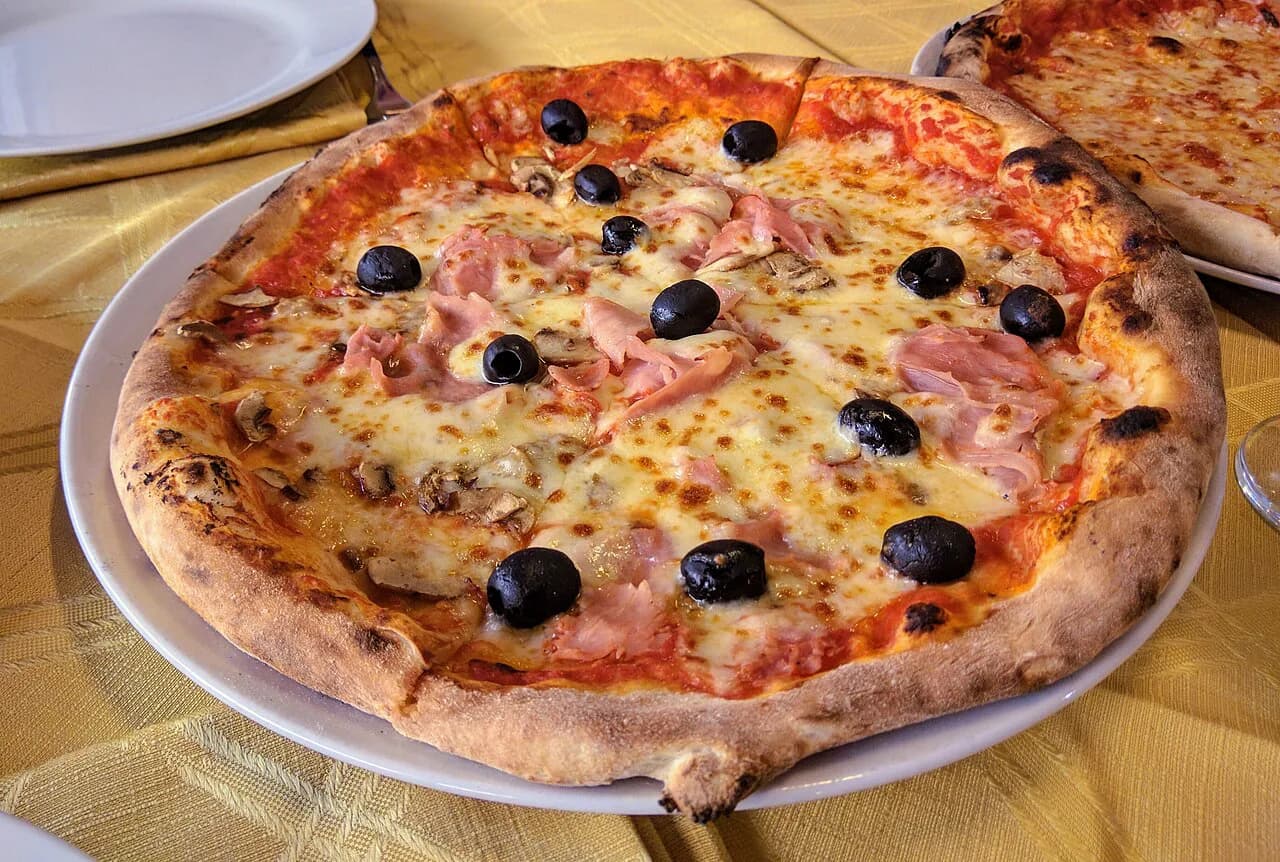
Pizzeria-style evenings have their own addresses in the city, and the best pizza in Bologna is worth a separate outing if you want a break from the pasta-and-ragù sequence.
Ordering and paying: coperto, booking and closing days
Most trattorias add a coperto, a per-person cover charge that covers bread and service, so the bill runs slightly above the sum of the dishes on the menu. It is normal rather than a tourist trap, and it appears on the menu if you want to know the figure before sitting down. If you are planning meals elsewhere in the country, our guide to Coperto: Italy's Restaurant Cover Charge Explained covers how the charge works across Italy.
Book by phone or through the restaurant's own site; Osteria dell'Orsa is the notable exception, taking no reservations but usually seating guests quickly. For the fuori Porta rooms, reserve the day before and ask about the closing day, since several shut on Sundays or Mondays.
Restaurant timetables shift with the seasons and the family holiday in August, so confirm the hours and the closing day when you book. Carrying some cash is sensible in the smaller rooms, though cards are widely accepted.
Menu turistico near Piazza Maggiore versus the university streets
Within two streets of Piazza Maggiore, menus in several languages and photographs of the food signal a kitchen cooking for volume; prices are higher and the ragù is often thinner than in the trattorias above. Walk ten to fifteen minutes to the university zone or book one of the polished rooms and you eat better for the same money, with the trade-off of a longer walk or a booking.
Breakfast in Bologna follows its own rules, and the pasticcerie and cafés around Via Ugo Bassi make a useful morning stop before a lunch table opens.
For a cheaper, standing lunch, street food in Bologna means crescentine, tigelle and piadine from counters in the centre, and the same mortadella you find on trattoria antipasti plates.
A gelateria stop after lunch is the standard Bologna finish; the best gelato in Bologna is worth a short detour before an afternoon walk under the porticoes.
Which Bologna trattoria should you book first?
Book Osteria Bottega or Trattoria di Via Serra for the trip's main dinner, keep Osteria dell'Orsa for a no-reservation lunch, and add a fuori Porta evening only if you are happy to take a taxi both ways. Order tortellini in brodo, tagliatelle with ragù and cotoletta alla bolognese across the three, and you will have covered the city's core repertoire. If your trip continues south, the same approach works for the trattorias in Amalfi.
Explore more Bologna food guides
Frequently Asked Questions
Qual è il Cibo tipico di Bologna?
Bologna is known for fresh egg pasta, ragù, tortellini in brodo, mortadella and the cotoletta alla bolognese. The city's kitchens also serve friggione, passatelli and the torta di riso, and the trattoria menus are built around those dishes.
Dove mangiano i veri bolognesi?
The trattorias of the university quarter and the fuori Porta rooms beyond the walls are where many locals eat rather than the photographed menus close to Piazza Maggiore. Osteria dell'Orsa is the best-known address in the university zone, and the out-of-centre trattorias such as Trattoria da Vito and Trattoria Zita fill with families in the evening.
Quali sono i primi piatti tipici di Bologna?
The classic primi are tagliatelle al ragù, tortellini in brodo, lasagne verdi, passatelli and gramigna with sausage. Most trattorias list all of them, so order the one the kitchen is known for rather than spreading across the menu.
Sources
Notes for your next meal in Italy
Optional updates to our food guides.
You might also like
Continue reading
More guides you'll find useful