Best Restaurants in Lucca: Where to Eat, by Style and Budget
Our pick of the best restaurants in Lucca, from old-school trattorias serving tordelli to fine dining, plus where each one is and what to order.
On this page
The best restaurants in Lucca split into four useful groups: family trattorias for tordelli and slow-cooked Lucchese stews, historic dining rooms for a long lunch, creative kitchens for tasting menus, and seafood tables a short drive out. Almost everything worth booking sits inside the sixteenth-century walls, so you can walk between the centre, piazza dell'Anfiteatro and the church of San Francesco. This guide sorts the picks by style and budget, names the dish to order at each, and marks which ones need a car or taxi.
Best restaurants in Lucca at a glance
For a first visit, book a trattoria inside the walls: Trattoria da Nonna Clara on piazza Santa Maria Foris Porta for tordelli made in front of you, or Trattoria da Giulio on via delle Conce for the same Lucchese home cooking. For a sense of occasion, Buca di Sant'Antonio and Giglio are the two historic rooms, both a few steps from piazza dell'Anfiteatro and the shopping streets. Creative cooking means L'Imbuto in the centre or Butterfly out on the Abetone road; for fish, Forino at Ponte a Moriano is the one locals name at the third generation.
The trade-off is straightforward. Central tables cost more and fill earlier, while the countryside addresses around Coselli, Capannoni and Ponte a Moriano ask for a car and reward you with quieter rooms and lower bills. Antica Locanda di Sesto, La Cecca and I Diavoletti all sit within a few kilometres of the walls, and all three are dinner-led, so plan them for an evening rather than a quick lunch.
Trattorias for Lucca's home cooking
Trattoria da Nonna Clara rebuilds the old Lucchese trattoria in the middle of the historic centre, with around fifty seats inside and as many outside under the Colonna Mozza, looking across to Santa Maria Bianca. Fresh pasta is made in house, and the kitchen keeps dishes that are disappearing from local tables, among them infarinata from the Garfagnana, pasta with chestnut flour, cioncia and peposo. Bookings are taken by telephone only, and the restaurant closes on Thursday morning apart from holidays and events.
Trattoria da Giulio on via delle Conce takes the same approach with a shorter menu: only Lucchese specialities, with tordelli, farro soup and baccalà among the plates to order. It is the sort of place to keep for a weekday lunch when you want a full plate of pasta and a glass of something local rather than a three-course production.
Tordelli are the reason to eat this way in Lucca, and they have their own guide on this site. If pasta is the focus of your trip, it is worth reading more about how tordelli lucchesi fit into the city's home cooking before you choose a table.
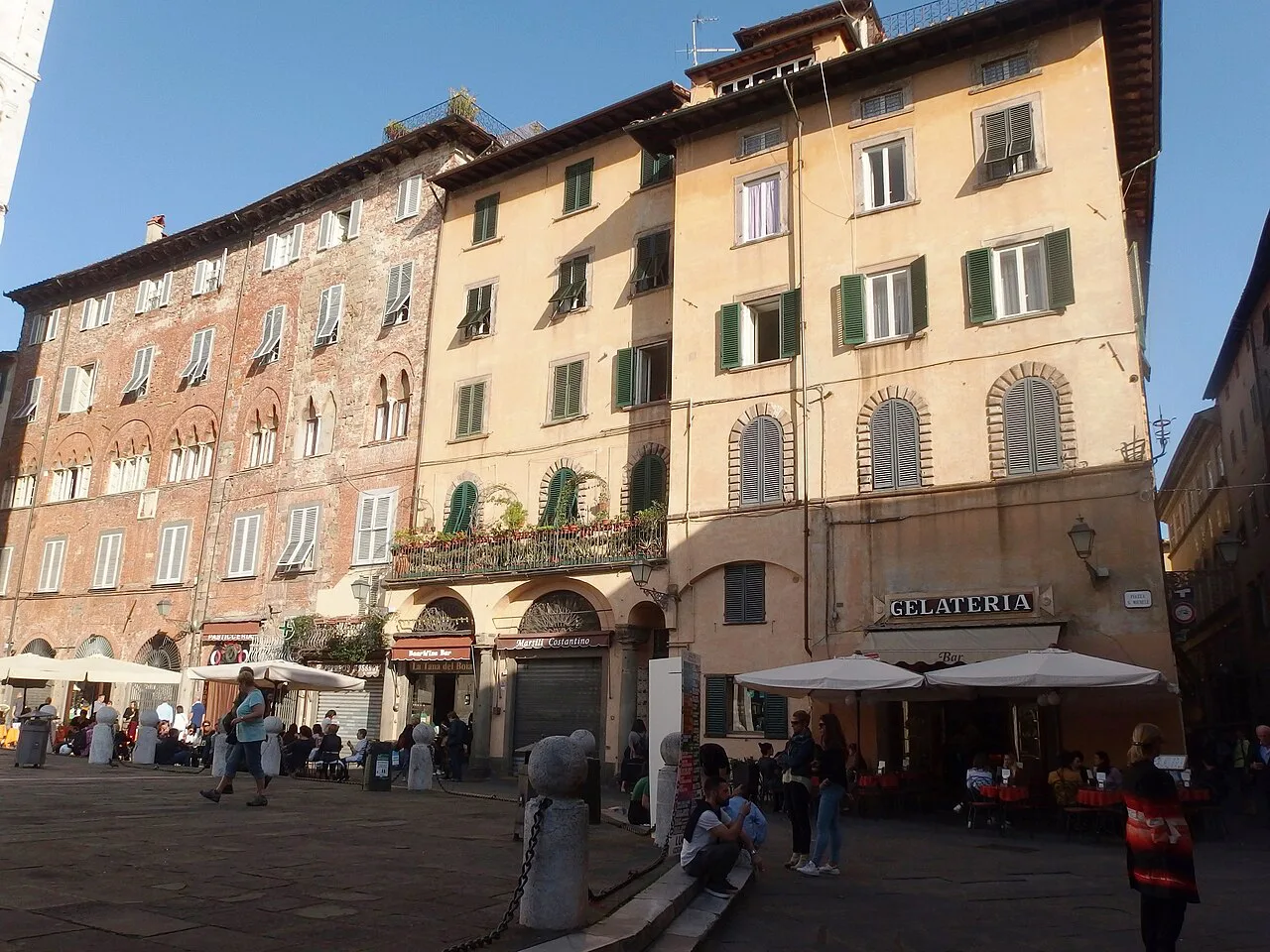
The historic dining rooms: Buca di Sant'Antonio and Giglio
Buca di Sant'Antonio on via della Cervia is the classic Lucchese dining room, hung with copper pans and set partly in what was once a stable for changing horses, with the Buca proper in the room below. The menu runs on regional cooking from old recipes, and the kitchen leans heavily on meat, which makes it a good choice if you want a proper sit-down lunch between sights. The guide listing notes booking is advisable and lists a Sunday evening and Monday closure plus a January break.
Giglio on piazza del Giglio began as a spin-off of Buca di Sant'Antonio and once served country cooking, but a change of generation in the kitchen has pushed it towards a more contemporary style. Choose it when you want the atmosphere of a historic address without the copper-pan rusticity, and book ahead in high season.
Prices here sit in the middle to upper band for the city: the printed guide lists lunch menus around twenty euros and à la carte spending that climbs well above that at both Buca di Sant'Antonio and Antica Locanda dell'Angelo. Treat those figures as a rough shape for the bill rather than a current quote.
Osteria Verciani 'Il Mecenate a Lucca' and the tortelli lucchesi
Osteria Verciani, also known as Il Mecenate a Lucca, occupies the rooms of a historic Lucchese dye works on via del Fosso and runs a menu built around local produce: tordelli lucchesi and tagliata with aromatic herbs are the plates to aim for. In summer the tables move outside in front of the church of San Francesco, which makes it one of the nicest spots in the city for an early evening meal. The atmosphere is convivial trattoria rather than fine dining, so come hungry and unhurried.
The kitchen's sourcing is the point: small local producers, carefully picked, with dishes that read as a portrait of the territory rather than a greatest-hits list. That makes it a sensible single dinner if you only have one night and want the Lucchese repertoire in one sitting.
Creative and fine dining: L'Imbuto and Butterfly
L'Imbuto, inside the museum of contemporary art on piazza del Collegio, cooks creative, deliberately surprising food: you choose the number of courses and the kitchen takes it from there. The printed guide gives menus at 50 and 90 euros and notes a Monday closure. This is the table for a celebration or a long evening, not a quick bite before a train. Butterfly, run by Fabrizio Girasoli on the Abetone road at Capannoni, sets refined cooking in a nineteenth-century farmhouse with a garden, and serves dinner only apart from public holidays. Menus are listed at 100 euros in the evening, with à la carte spending above that, and the guide gives a two-week February break and a Wednesday closure. If you are staying in the centre, budget for a taxi each way.
A third option for modern cooking is the Japanese chef's kitchen at Serendepico, east of the city, where Italian regional flavours are reinterpreted with unusual pairings and menus run from 35 to 80 euros. It is a different sort of evening from the trattorias, and a useful one if you have already eaten your fill of ribollita and stew.
Mediterranean tables off Piazza San Quirico: All'Olivo and Antica Locanda dell'Angelo
All'Olivo sits on piazza San Quirico, one of the small elegant squares of the historic centre, with three dining rooms and outdoor service in summer. The kitchen covers both land and sea cooking, menus run from 35 to 55 euros and à la carte from 37 to 99 euros, booking is advised, and the guide gives a Wednesday closure in November, January and February. It suits a mixed group where one person wants fish and another wants a steak.
Antica Locanda dell'Angelo on via Peschiera is an old inn turned polished restaurant, balancing local tradition with national dishes and giving the wine list some attention. The printed guide lists a lunch menu around twenty euros against forty in the evening, which makes it a good way to eat well at midday for less; it also gives a Sunday evening and Monday closure. Confirm the current figures by telephone when you book.
Seafood and family trattorias around the walls
Forino at Ponte a Moriano, north-west of the city, is a seafood house now in its third generation, and it also keeps a dedicated vegetarian menu alongside the fish. Menus are listed with à la carte options, and the guide gives a Sunday evening and Monday closure plus breaks after Christmas and in mid-August. It is the pick when the whole table wants crudo, prawns and a plate of pasta with clams.
I Diavoletti, in a former communist social club at Camigliano east of Lucca, is run by three sisters and stays close to Lucchesia produce, with dishes such as ricotta mousse with berries on a local red-bean wafer. It opens for dinner only, except Sunday, and the guide gives a Wednesday closure with a break in early September. La Cecca at Coselli, south of the walls, keeps the atmosphere of a country trattoria opened by its founder in the 1940s and closes on Monday and Wednesday evening.
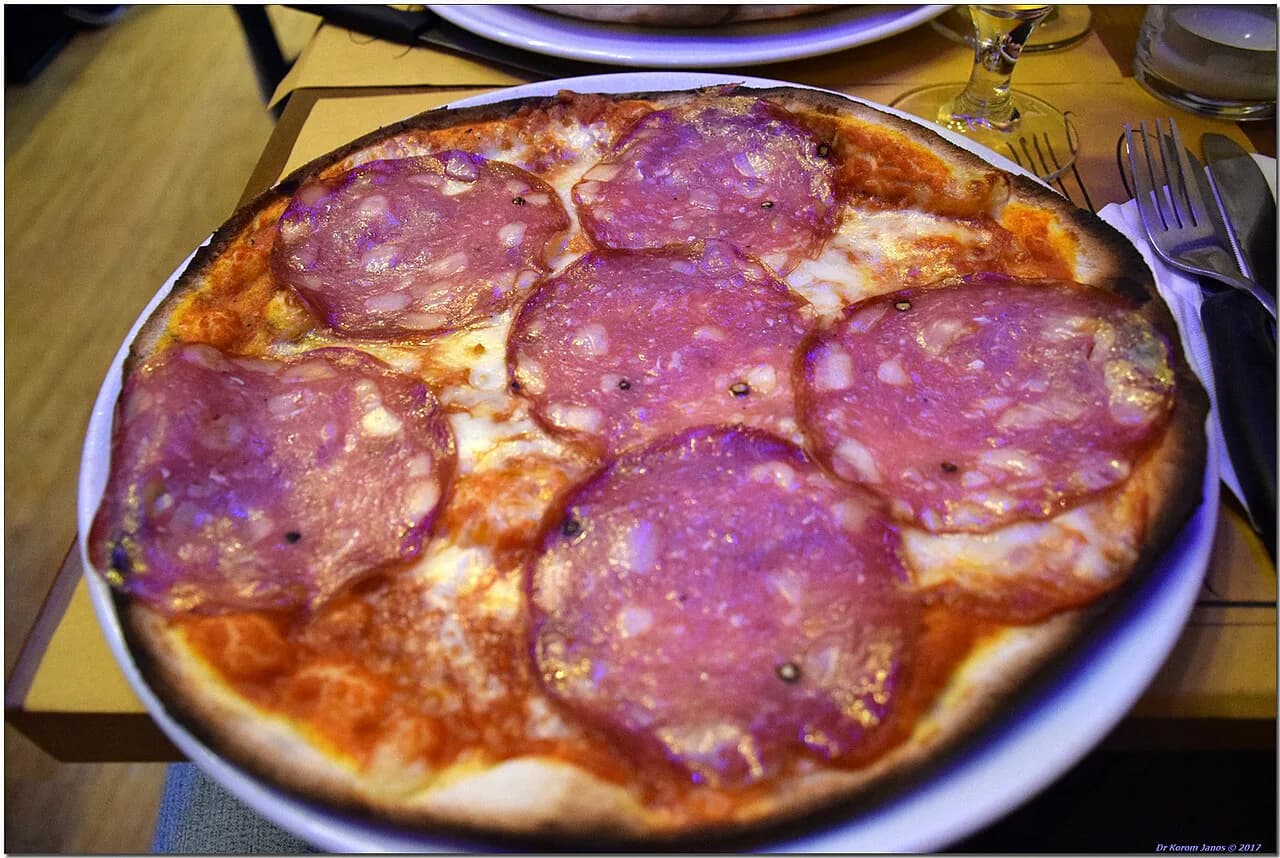
If your evening is built around pizza instead, the best pizza in Lucca sits in a separate set of addresses from these dinner tables, and it pays to pick one near where you are sleeping rather than crossing the city at ten at night.
What to order in Lucca
Start with tordelli, the city's signature filled pasta, then move to the dishes that have almost left local menus: infarinata from the Garfagnana, pasta with chestnut flour, cioncia and peposo, both slow-cooked beef, and zampucci di maiale, pork trotters. Baccalà appears in several kitchens, including Trattoria da Nonna Clara and Trattoria da Giulio, and is a good test of a traditional cook.
At the older trattorias expect pappa al pomodoro, the bread and tomato soup, along with tripe cooked in a casserole and baked caramelised fruit at Antica Locanda di Sesto near Sesto di Moriano. These are winter plates, so order them when the weather is cool rather than in August.
For sweet things, buccellato di Lucca is the local ring cake to look for, and the city's bakeries also sell torte coi becchi and other pastries made with the same simple ingredients. Keep room after lunch rather than ordering dessert in the restaurant.
Where the restaurants are: centre, Anfiteatro, San Francesco and the hills
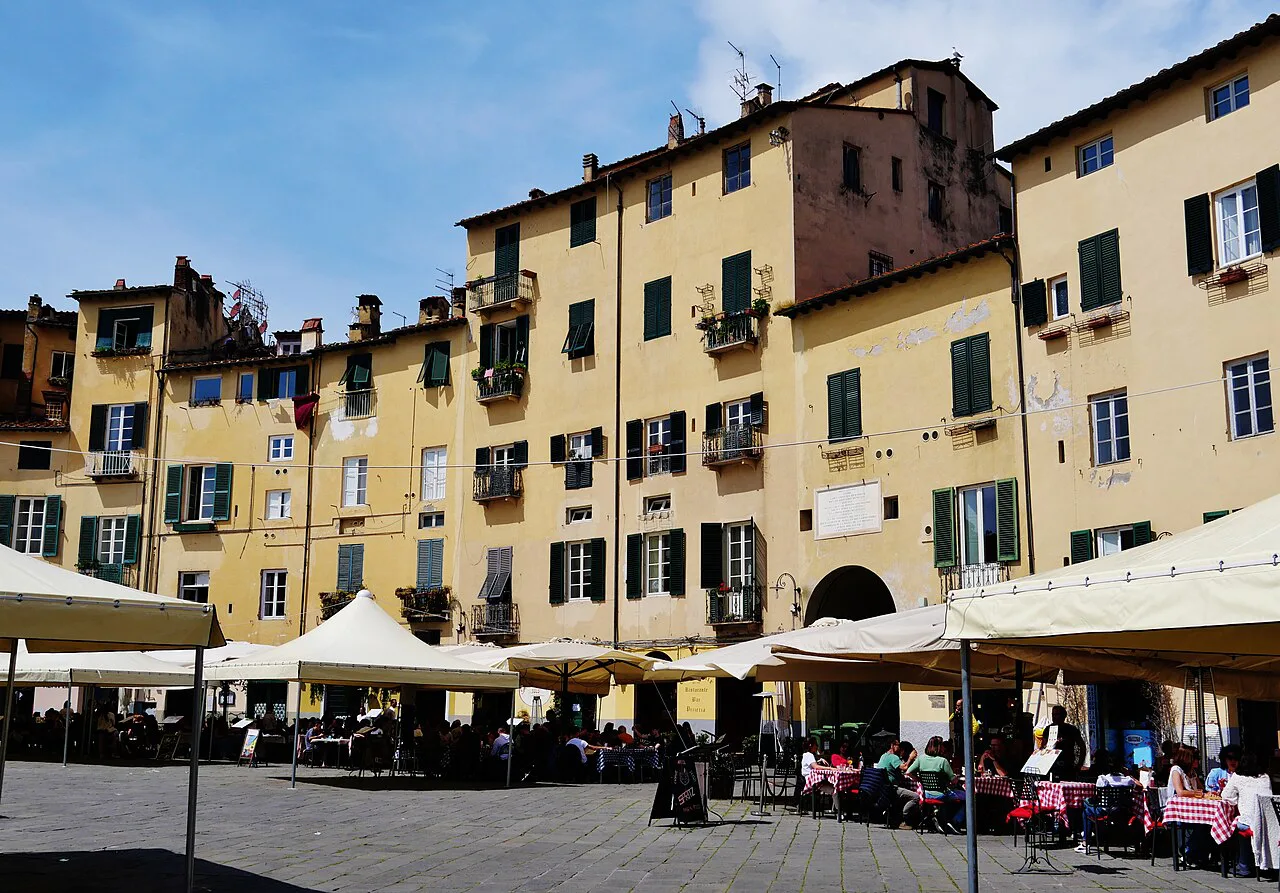
The tightest cluster is inside the walls: Nonna Clara at Santa Maria Foris Porta, Giulio on via delle Conce, Verciani at San Francesco, All'Olivo on piazza San Quirico and Buca di Sant'Antonio on via della Cervia are all walkable from one another. Giglio on piazza del Giglio and L'Imbuto on piazza del Collegio sit between the shopping streets and the Anfiteatro, so you can combine a table with a walk through the centre. Staying near piazza dell'Anfiteatro puts most of this within a short walk.
Outside the walls, the geography matters more than the map distance. Butterfly, Antica Locanda di Sesto, I Diavoletti, Serendepico, Forino and La Cecca sit between two and twelve kilometres out, on the Abetone road, towards Camigliano, Ponte a Moriano and Coselli, and the last stretch of each is on a fast provincial road. Book a taxi or drive, and decide on a designated driver before you order wine.
Booking a table and how lunch and dinner pricing works
Book by phone where the restaurant asks for it: Trattoria da Nonna Clara takes reservations only by telephone on its published numbers. Elsewhere the guide listing advises booking at All'Olivo, Antica Locanda dell'Angelo, Butterfly and Serendepico, so call the day before for dinner and the same morning for lunch.
Lunch is consistently cheaper than dinner at the same kitchen. Antica Locanda dell'Angelo lists a lunch menu against an evening menu, and Butterfly lists a midday menu against an evening one. À la carte at the central tables is per head, but those are guide figures rather than a live quote, so confirm when you book.
Several kitchens shut for part of the week or the year: Monday at L'Imbuto, Wednesday at All'Olivo in the quieter months, Sunday evening and Monday at Buca di Sant'Antonio and Forino. Plan the week around those rhythms and you avoid a wasted walk across the centre.
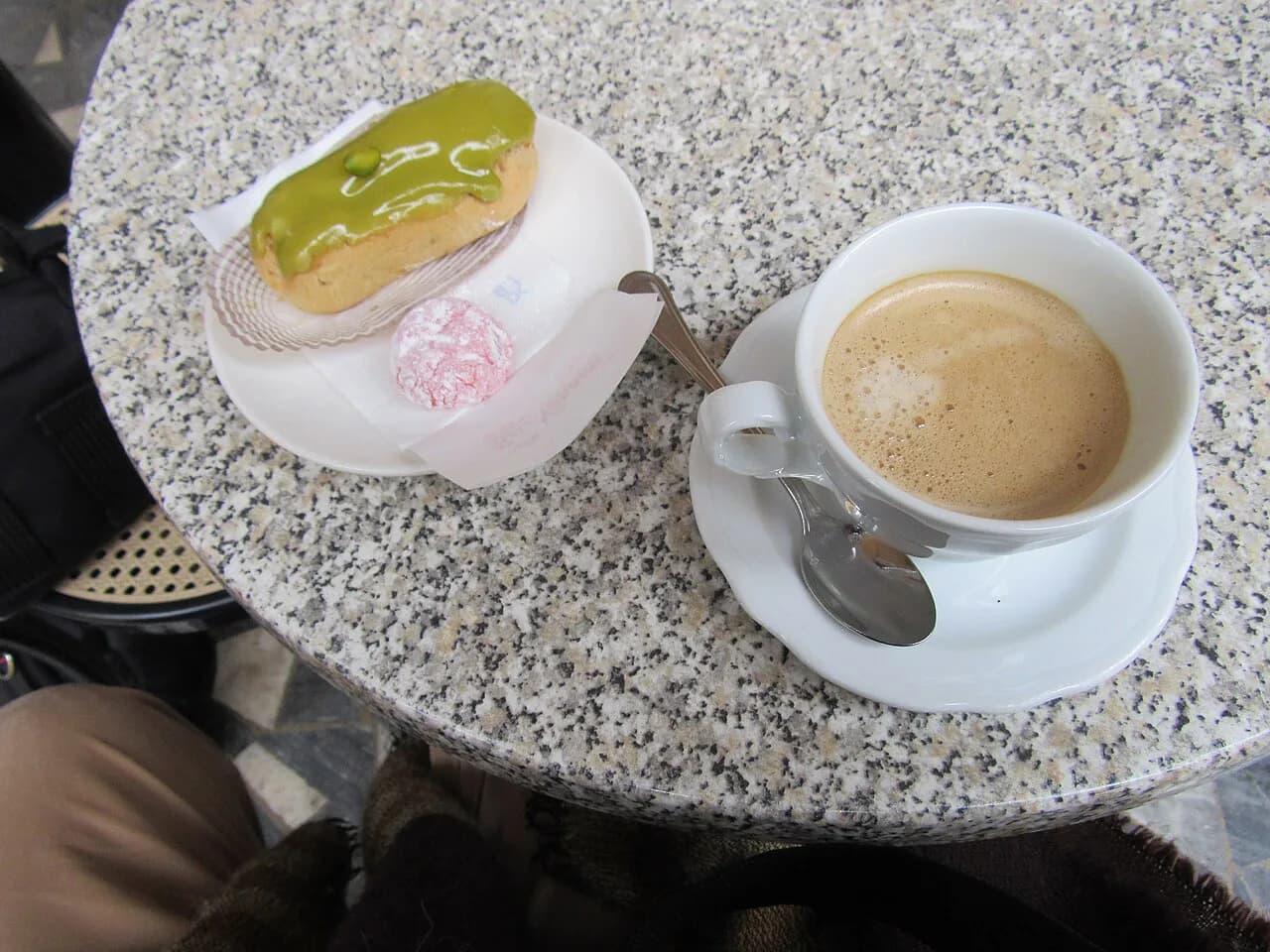
When you want something simpler, lunch in Lucca is a matter of a panino, a slice of pizza al taglio or a plate of pasta at the bar, and the bill is a fraction of a restaurant menu. The same applies to breakfast, where a caffè and a pastry at the counter is the local habit.
Finish the day with a gelato from the best gelaterie in the centre, ideally after a walk along the walls rather than straight after a heavy plate of tordelli. Our best gelato in Lucca picks are worth planning around, and they make an easy end to an evening near the Anfiteatro.
Which Lucca restaurant should you book first?
Book Trattoria da Nonna Clara or Trattoria da Giulio if you want the city's home cooking and have only one meal to spend, and choose Buca di Sant'Antonio or Osteria Verciani if you want the room to be part of the evening. Save L'Imbuto and Butterfly for a celebration, and take a taxi to Forino when the table wants fish.
Before you go, read up on the trattorias in Lucca so you know which rooms are family-run and which are more formal, and check the addresses against where you are staying. Most of the best tables are within a short walk of piazza dell'Anfiteatro, which makes a late lunch easy to combine with an afternoon in the centre.
If your trip continues elsewhere in Tuscany or beyond, the same approach works: the best restaurants in Arezzo around Piazza Grande and the best restaurants in Alghero in the centro storico follow the same logic of style, area and budget.
Explore more Lucca food guides
Frequently Asked Questions
What food is Lucca known for?
Lucca is known for tordelli, large meat-filled pasta served with ragù, and for slow-cooked dishes that have largely left other Tuscan menus, such as infarinata from the Garfagnana and peposo. Baccalà and pappa al pomodoro also appear widely.
Is Lucca good for food?
Yes, if you eat in the trattorias rather than the tourist menus near the main sights. The city's strength is home cooking: filled pasta, soups made with chickpeas, farro or bread, and braised beef. Fine dining is limited to a handful of addresses.
Do I need to book a table in Lucca?
For dinner, yes at the better-known addresses, especially at weekends. Several restaurants take bookings by telephone only, and printed guide listings advise booking at All'Olivo, Antica Locanda dell'Angelo, Butterfly and Serendepico.
Sources
Notes for your next meal in Italy
Optional updates to our food guides.
You might also like
Continue reading
More guides you'll find useful