Best Pasta in Alghero: Where to Eat Sardinian Shapes
A practical guide to pasta in Alghero, from culurgiones and fregola to Catalan-influenced seafood plates, with the restaurants to order them at.
On this page
The pasta to order in Alghero is culurgiones, fregola or malloreddus before anything with a generic tomato sauce. Sardinian shapes dominate, and the sea pulls them towards shellfish, bottarga and lobster in a way that reflects the town's Catalan past. This guide explains each shape in plain English and names the restaurants and trattorias where the local sources place them.
Venues are grouped by what they do best: old-town seafood rooms for linguine with scampi or clams and bottarga, trattorias for fregola and hand-made pasta, and casual addresses for a cheaper plate. Two sit-down names sit at the centre of the old town, and a trattoria on the seafront passeggiata covers the Catalan side of the menu. For a broader survey of the city's dining rooms, the guide to the best restaurants in Alghero sets these pasta addresses alongside the rest of the old town.
What Alghero's pasta looks like on a plate
Alghero sits on the Catalan-speaking north-west coast of Sardinia, and its cooking combines the island's pasta canon with seafood and Catalan habits. That means culurgiones, fregola and malloreddus share menus with lobster salad and paella. Sardinian pasta shapes are also served inland-style, with pecorino and saffron, so a single menu can read as both mountain and coast.
Order by shape rather than by sauce name. A menu listing fregola is almost always a seafood dish, while malloreddus points to a meat sauce and culurgiones to a vegetarian plate. If a restaurant offers linguine with clams or scampi, that is the Catalan-seafood route rather than the inland one.
Culurgiones: potato, mint and pecorino ravioli
Culurgiones are Sardinian filled pasta, plump parcels stuffed with mashed potato, mint and pecorino, the island's sheep's cheese. The mint is what lifts them above a plain potato filling, and the cheese gives a salty edge that needs little more than butter or a light tomato sauce. They are the shape to order if you want a meat-free pasta plate that is unmistakably Sardinian.
Look for culurgiones on trattoria menus rather than in seafood-focused dining rooms. They are also a good measure of a kitchen: the parcel should be sealed and the filling soft rather than dry. They appear widely across the island, so a plate in Alghero is a straightforward introduction before you try them elsewhere in Sardinia.
Fregola: toasted semolina served with seafood
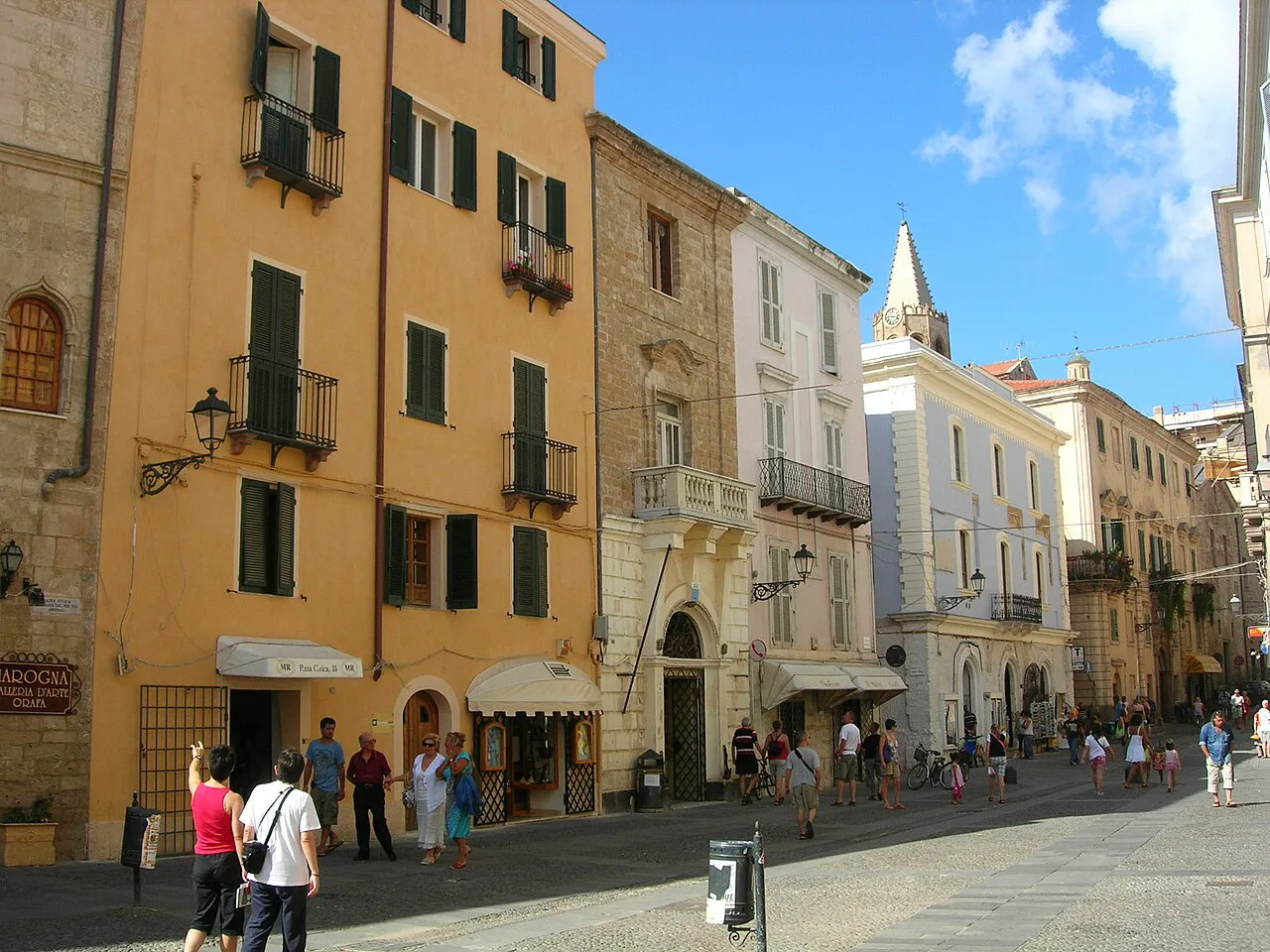
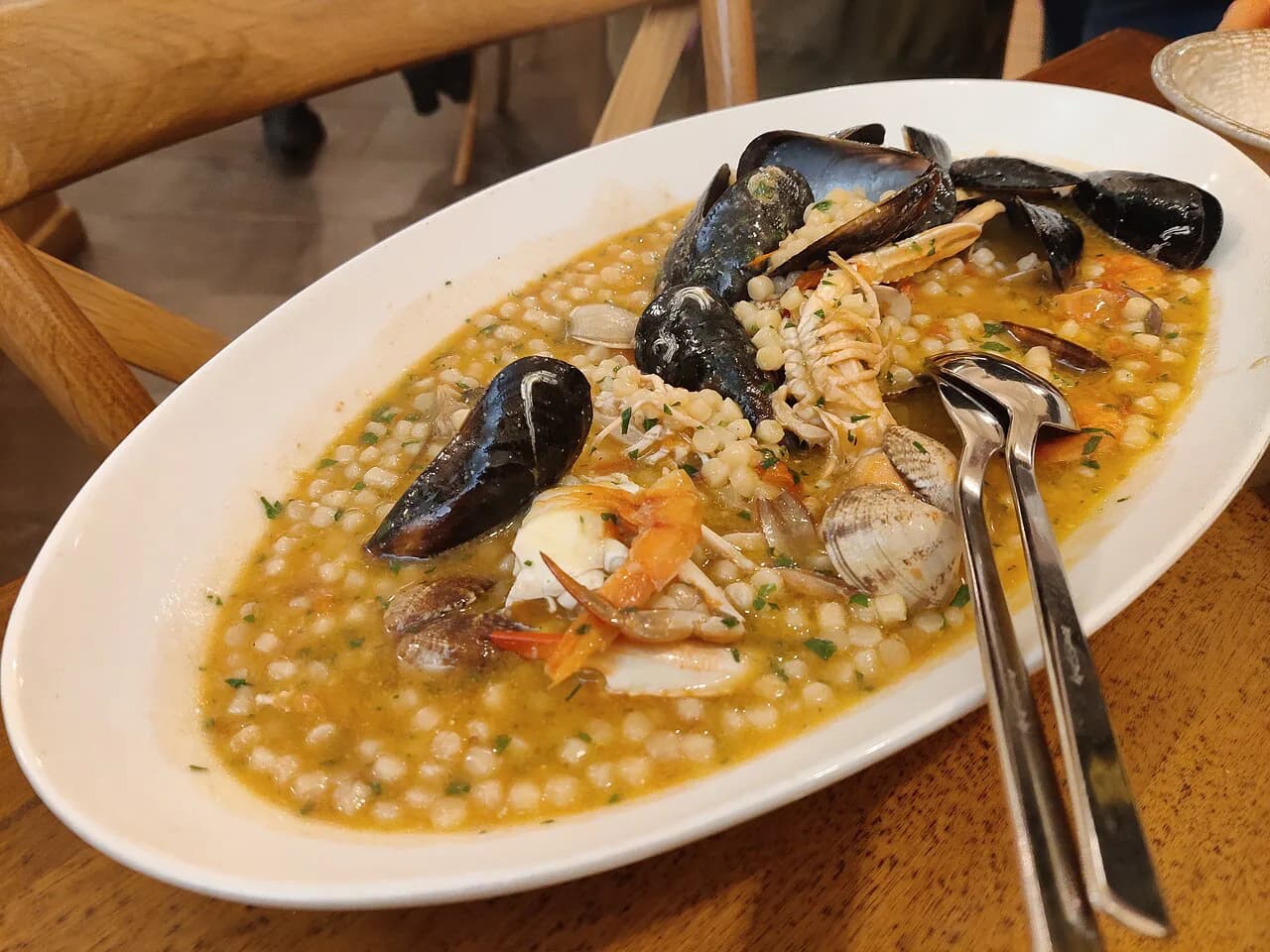
Fregola is a Sardinian pasta made from semolina rolled into small grains and toasted, which gives it a nutty colour and a firm bite. In Alghero it usually arrives as a brothy seafood dish with clams, mussels or mixed fish, closer to a wet risotto than a dressed pasta. Because the grains are small, the cooking liquid matters as much as the shellfish.
Ask for it when you want something you cannot easily recreate at home, since the toasting is hard to replicate with ordinary semolina. It is a substantial plate, so it works as a main rather than a starter. Pesce d'Oro, on the edge of the old town, lists fregola with fish among its specialities alongside maccarones de Busa and seadas with honey.
Malloreddus alla campidanese: sausage, saffron and tomato
Malloreddus are small ridged Sardinian gnocchi-shaped pasta, and alla campidanese means a sauce of sausage, saffron and tomato. The saffron is the tell: it colours the sauce gold and gives a slightly bitter, perfumed note that cuts through the pork. This is the richest of the island's standard pasta plates and the one to order when you want a meat sauce.
The name refers to the Campidano plain in southern Sardinia rather than to Alghero, so treat it as an island classic served locally rather than a town speciality. It suits a cool evening better than a hot lunch. Many trattorias keep a version on the menu, and it is usually the cheapest way to eat a cooked sauce.
Seafood pasta and the Catalan influence
Alghero's seafood side is where the Catalan inheritance shows: aragosta alla catalana, boiled lobster dressed with tomato, onion, celery, lemon and olive oil, and paella in its Algherese form. Pasta follows the same logic, with shellfish, bottarga and lobster meat used sparingly to flavour the plate rather than smother it. Bottarga is dried, salted fish roe, grated over pasta for a salty, marine finish.
Order linguine with clams or scampi when you want the pasta to carry the seafood rather than the other way round. Paella is a rice dish but sits in the same family and is worth knowing about if you are travelling with someone who does not want pasta. Trattoria Rejal on Via Gramsci lists Algherese and Catalan cooking, including paella de marisco, alongside its marinara menu and hand-made pasta.
Ristorante Alamo in the old town
Ristorante Alamo sits on Via Ambrogio Machin in the heart of the old town, in a side street that makes outdoor tables appealing on summer evenings. The menu is built around seafood, with paella, linguine with scampi and linguine with clams and bottarga among the dishes named for it. The style is elegant but approachable, with a local wine list to match.
Treat Alamo as the smarter end of the pasta decisions in town rather than an everyday plate. Its average cost is given as €40–100 per person, so it is a booking-for-dinner address, not a quick lunch on the way back from the beach. If you want pasta and a glass of something local without turning the evening into a wine trip, this is the kind of room where a single bottle shared across the table makes sense. For more old-town dining rooms alongside these addresses, the best restaurants in Alghero guide is the natural follow-on read.
Casual plates: pizzeria-trattoria addresses
Not every pasta meal needs a tablecloth. Pizzeria Bontà Sarda on Via Don Minzoni is listed as both a pizzeria and a Sardinian kitchen with a wood oven and an outdoor veranda, which makes it a flexible stop for a family or a group that cannot agree. Pizzeria Al Gambero on Lungomare San Francesco is a historic pizzeria al taglio with a friggitoria and rosticceria counter, useful for a hot slice rather than a seated plate.
If your group splits between pizza and pasta, these casual addresses solve the problem without a formal booking. The trade-off is that pizza is a supporting act rather than the reason to go. For a fuller comparison of the wood-oven side of town, the guide to best pizza in Alghero covers the pizzerias in more detail, and if you would rather cook the shapes yourself, the Alghero cooking class guide is a useful companion.
How a pasta lunch or dinner works in Alghero
Pasta is normally a primo, served before a second course of fish or meat, and portions are sized for that sequence. If you want it as a main, order a starter of shellfish or a shared plate of salumi to fill the gap. Bread and a coperto charge are standard in sit-down restaurants, and paying at the table is usual rather than at a till.
Book old-town dining rooms for dinner in summer, when the narrow streets fill and outdoor tables go first. Lunch is the easier slot for a walk-in pasta plate. Weekly closing days vary from one kitchen to the next, so confirm the day you plan to eat rather than assuming a pattern. Coffee after the meal is taken standing at the bar in most cafés, where you pay at the till first.
What to drink alongside pasta
A glass of local white, Vermentino from Sardinia, suits fregola and shellfish pasta, while a light red works with malloreddus and its sausage sauce. House wine by the carafe is normal in trattorias and keeps the bill down. If you want to start the evening earlier, aperitivo in Alghero is a separate, lighter ritual of a drink and a few snacks before dinner.
Which pasta plate to order first
Start with culurgiones if you want the clearest taste of Sardinian pasta, or fregola with seafood if you want the Alghero coast on a plate. Save malloreddus for a cool evening and linguine with clams or bottarga for the old-town dining rooms. A casual pizzeria-trattoria covers the nights when nobody wants to book.
Match the venue to the plate: Alamo for a booked dinner with seafood pasta, Pesce d'Oro for fregola with fish, Rejal for the Catalan side, and Bontà Sarda when the table is divided. Finish with seadas and honey if you still have room, and a coffee at the bar on the way back.
Explore more Alghero food guides
Sources
Notes for your next meal in Italy
Optional updates to our food guides.
You might also like
Continue reading
More guides you'll find useful