Cooking Classes in Ravello: How to Choose One
Cooking classes in Ravello range from a family kitchen above the coast to multi-day programmes across the Amalfi Coast. Here is how to pick the right one.
On this page
For most visitors, a cooking class in Ravello means one hands-on morning or afternoon in a family kitchen, cooking a few Campanian dishes and then eating them at a shared table, rather than a professional cookery course. One well-known option is the Mamma Agata class, held at the family's home on the cliff, where the day is built around cooking and then sitting down to a generous spread of food, wine and limoncello.
This guide sets out how the Ravello class works, which dishes it teaches, and how it differs from a multi-day programme that uses the wider Costiera Amalfitana as its classroom. It is written for people fitting a class into a short break, so format, group size and how far ahead to book matter as much as the menu.
What a Ravello cooking class typically involves
A typical session is hands-on and short: you prepare two or three dishes alongside the family or instructor, then eat what you have made with the group, usually with local wine poured alongside. The cooking is home-style rather than restaurant technique, which means rolling gnocchi, layering a baked dish or folding a batter rather than learning knife skills in a professional kitchen.
One practical point that catches people out: at Mamma Agata's class you are advised to arrive without having eaten breakfast, because the food and wine served through the day are plentiful. Treat the class as the main meal of your day rather than a snack stop before lunch, and plan a light evening meal instead.
Mamma Agata: a family kitchen on the cliff
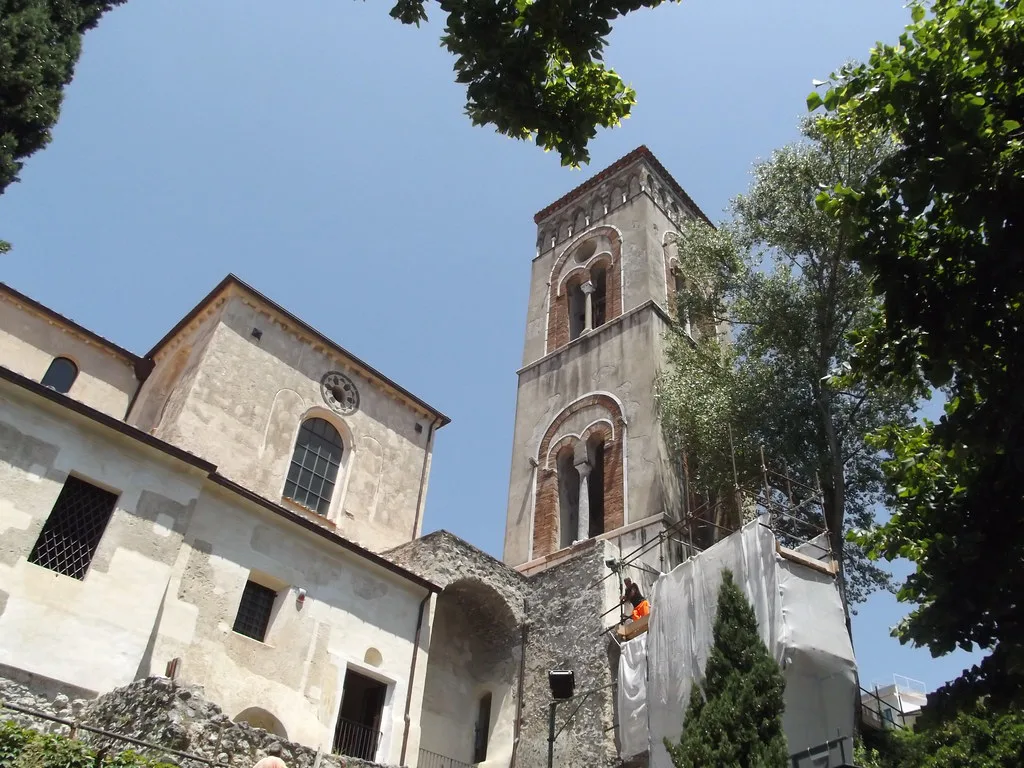
The Mamma Agata school sits in the family home, which they call their hidden treasure, on a clifftop above the Amalfi Coast surrounded by olive groves, lemon trees, vegetable plots and flower gardens. Many of the ingredients used in the class come from the garden behind the house, which is then carried to the table against the backdrop of the sea.
The story behind it belongs to Mamma Agata herself, who began cooking as a young woman at Villa Civita in Ravello for a wealthy American woman and her guests. The family's account names Fred Astaire, Humphrey Bogart and Jacqueline Kennedy among those visitors, and says her care in the kitchen was the same whether she was making a small refreshment or catering a wedding reception. Read that as the family's account rather than verified history, but it explains why the class leans on old family recipes.
The operation is run by the family: Mamma Agata in the kitchen, her husband Salvatore looking after the family's fresh produce and animals, and their daughter Chiara and her husband Gennaro, a trained sommelier and cheese taster, teaching and hosting. That means the class feels like being invited into a household rather than enrolling at an academy, and the tone is conversational, with plenty of talking about ingredients and cooking as you go.
What Mamma Agata's classes teach
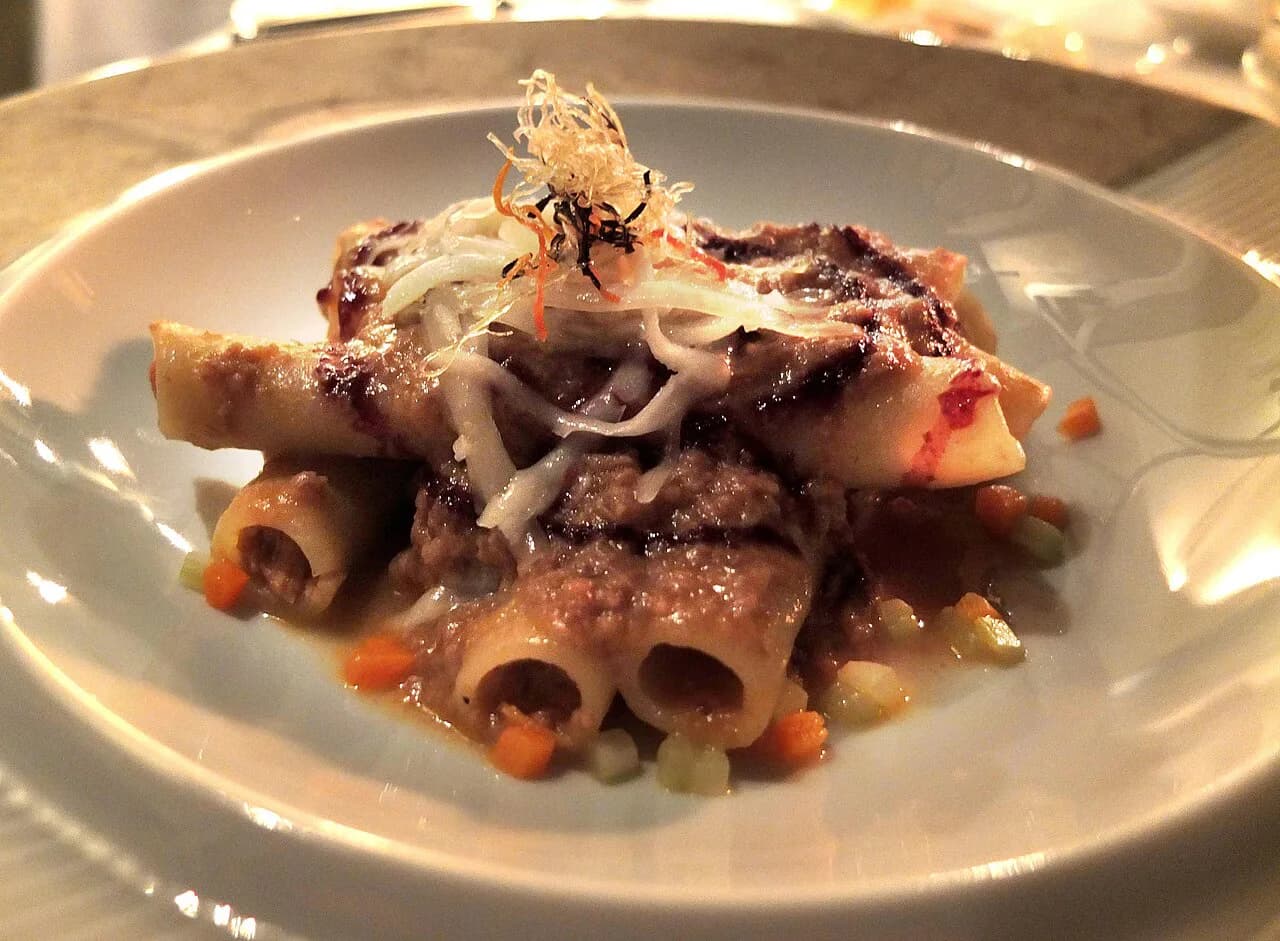
The dishes most associated with the class are parmigiana di melanzane, the baked aubergine dish layered with tomato and cheese, and torta al limone, a lemon cake that uses the coast's lemons. The repertoire is broader than those two: a plain pasta with courgettes, a risotto, an apple cake and a batch of limoncello all appear, so the menu runs from savoury primi to dessert and a homemade digestivo.
The family cookbook also gives a sense of what the teaching style values. Its potato gnocchi with dried tomatoes and artichokes is the kind of recipe the class is built on: a few essential steps, fresh ingredients handled properly, and dishes tested over years of family meals rather than restaurant plating. If you want to cook Campanian home food after you go home, that is the sort of recipe you leave with.
Classes run both live at the house and online, according to the family, so people who cannot travel to Ravello can still follow the recipes remotely. For a visitor already on the coast, though, the point of the live class is the garden, the cooking and the long table, which no screen version can reproduce.
Multi-day cooking programmes on the Amalfi Coast
The other format is a multi-day, tour-operator programme, and in July 2021 NapoliToday reported one from Going with Campus Principe di Napoli: an eight-day, seven-night package of tastings, food seminars and visits to dairies, cellars and pasta workshops across Amalfi, Capri, Ravello and Sorrento. That report placed the cooking classes under the direction of chef Heinz Beck, and gave a starting price of €1,590 per person in a double room; treat both as 2021 details, and Going or Campus Principe di Napoli can confirm the current programme.
What that format adds is the production side of the coast's food, not just the cooking: visits to a dairy workshop in Agerola, cellars in Furore and the old pasta-making craft in Gragnano, plus masterclasses on Amalfi lemons and Mediterranean eating. The trade-off is that you spend much of the week in transit between towns, with the actual hands-on cooking only one strand of a busy itinerary.
Single session or multi-day programme?
If your trip is a long weekend split between Ravello and one or two other Amalfi towns, a single hands-on session makes practical sense. It costs you half a day, keeps you in one place, and still teaches you to cook parmigiana properly; you can plan the rest of the day around it. A week-long programme only makes sense if cookery is the reason for the trip and you are happy to move hotels or bases.
The single session is also the better fit if you are travelling with people who only partly share your interest, since they can join for the cooking and the meal without committing the whole holiday. Think of it less as a course and more as a long, convivial lunch you have helped to make. For the rest of your eating, our guide to the best restaurants in Ravello covers where to book dinner afterwards.
Hands-on cooking, watching, group size and language
Both formats mix doing and watching, and neither is a silent professional kitchen. Expect a small group gathered around a work surface, taking turns at the tasks with instruction in English and Italian, which suits beginners and keen home cooks rather than anyone after a qualification. If you specifically want to do every step yourself, check how much of the menu is cooked by participants and how much is demonstrated when you book.
Group size shapes the experience more than the menu does. A family-run class in a house is intimate by design; a tour-operator week brings a larger party and a fixed itinerary, so you will share the kitchen and the excursions with more people. Say which you prefer when you enquire, because it is the difference between a kitchen-table afternoon and a coach-based programme.
Booking ahead: why Ravello classes fill early
Mamma Agata's live and online classes are booked well in advance, according to the family, and the reason is straightforward: a family home can host only a limited number in its kitchen and garden, so demand easily outstrips places. If the class is the centrepiece of your trip, book it as soon as your dates are fixed rather than leaving it to the week before.
For tour-operator programmes, the booking route is different: NapoliToday directed readers to travel agencies in the Bluvacanze group and other accredited Going agencies. That matters if you prefer the protection of a package, but it also means less flexibility on dates, so ask what happens if the departure you want is full.
Fitting a class into your day in Ravello
A class takes a meaningful chunk out of the day, so build the rest of your time in Ravello around it rather than trying to squeeze in a full sightseeing schedule. Because you eat properly during the session, keep the evening light: a plate of pasta or a pizza is enough, and our pick of the best pizza in Ravello covers where to find a good one.
The morning before a class is best spent gently. If you are staying in town, coffee and a pastry rather than a full spread sit lightest before a class where a lot of food is served, so use our guide to breakfast in Ravello to keep it small. Afternoon sessions leave the morning free for the gardens and viewpoints, with lunch kept small.
If your class runs in the afternoon, a light lunch in Ravello beforehand is the sensible move, leaving room for the food served during the session. Either way, the class tends to become the anchor of the day, so pair it with something undemanding rather than a second big meal.
Ravello food beyond the class
Ravello's cooking leans on the Amalfi Coast larder: lemons, olive oil, vegetables from small plots and the seafood of the coast below. The two dishes most tied to the Mamma Agata class, parmigiana di melanzane and torta al limone, are a fair summary of the local register, fresh and simple with few ingredients handled well.
Outside the kitchen, the town's food life plays out in its pastry shops and cafés, where lemon cakes and almond sweets follow the same citrus logic as the class desserts. Our round-up of pastry shops in Ravello is the place to chase that down after you have cooked, with a slice of the cake you have just learned to make as the benchmark.
Which Ravello cooking class should you book?
Book the Mamma Agata class if you want a half-day, hands-on session in a family home with a specific menu of Campanian dishes and a long table at the end of it. Choose a multi-day programme only if cookery is the purpose of your trip and you want dairy, cellar and pasta-workshop visits across the coast alongside the cooking.
Whichever you pick, fix the dates early and confirm the current arrangements directly with the class or operator before you travel. That is the only way to know the menu, the group size and the day's timing for your own visit.
Explore more Ravello food guides
Sources
Notes for your next meal in Italy
Optional updates to our food guides.
You might also like
Continue reading
More guides you'll find useful