
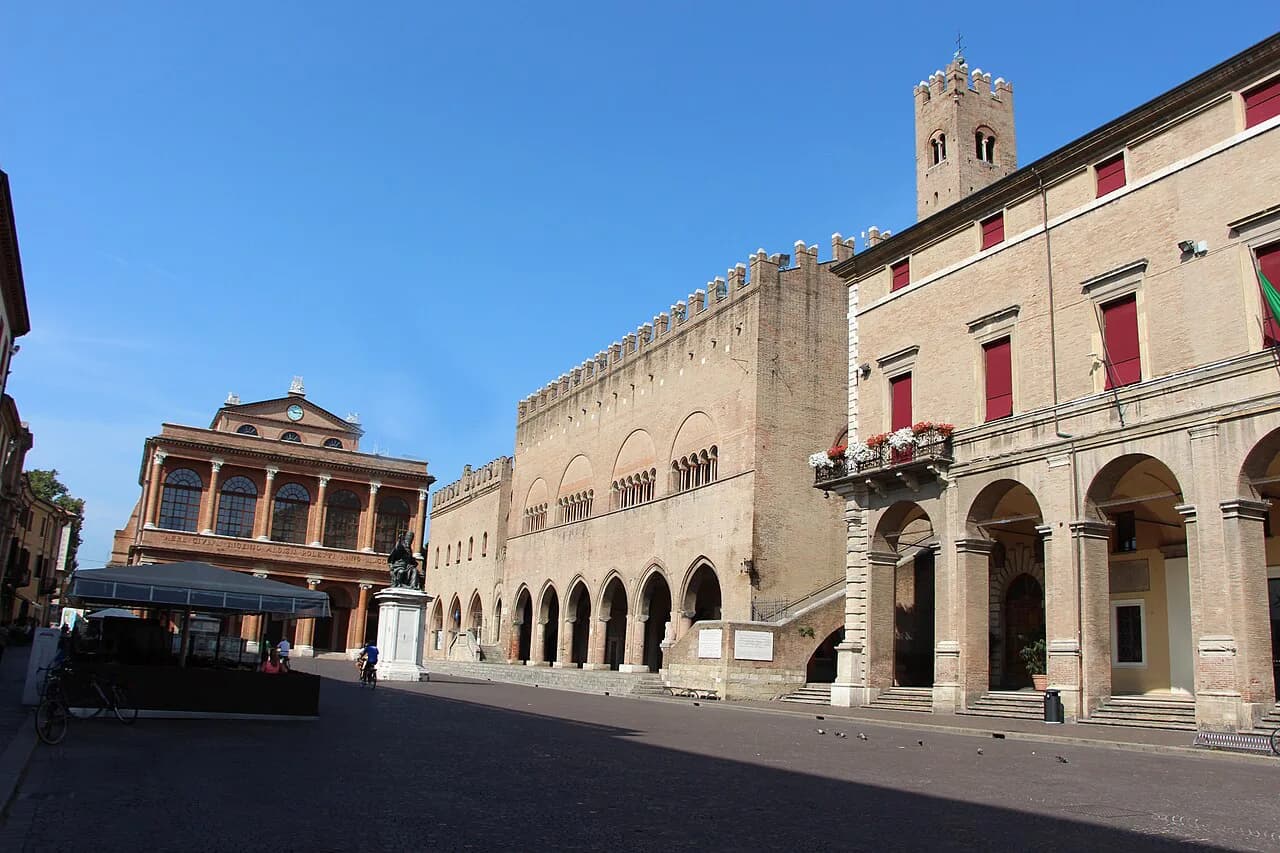
Mercato Coperto di Rimini: The Covered Market and Its Fish Hall

The Mercato Coperto di Rimini is a covered food market in the city's historic centre, and the reason to go is the pescheria: the fish hall inside it, where around 60 sellers offer fish. Come in the morning on a trading day with a plan, because the finest fish goes early and a late arrival picks from what is left.
Why the covered market matters to a food-minded day
This is a working municipal market, not a visitor attraction with a ticket desk. The city took over its direct management and has been spending on the fabric of the building, which tells you how central it is to everyday shopping in the centre.
For a traveller, that means a short, useful stop where you see what Romagna's Adriatic coast puts on the counter: fish from the local fleet alongside produce sold by the stallholders themselves. It rewards an early start far more than a midday wander, and it fits naturally into a morning that continues to a bakery or a café. The wider Rimini Attractions: 4 Visitor Guides page sets out the other short stops in the same part of town.
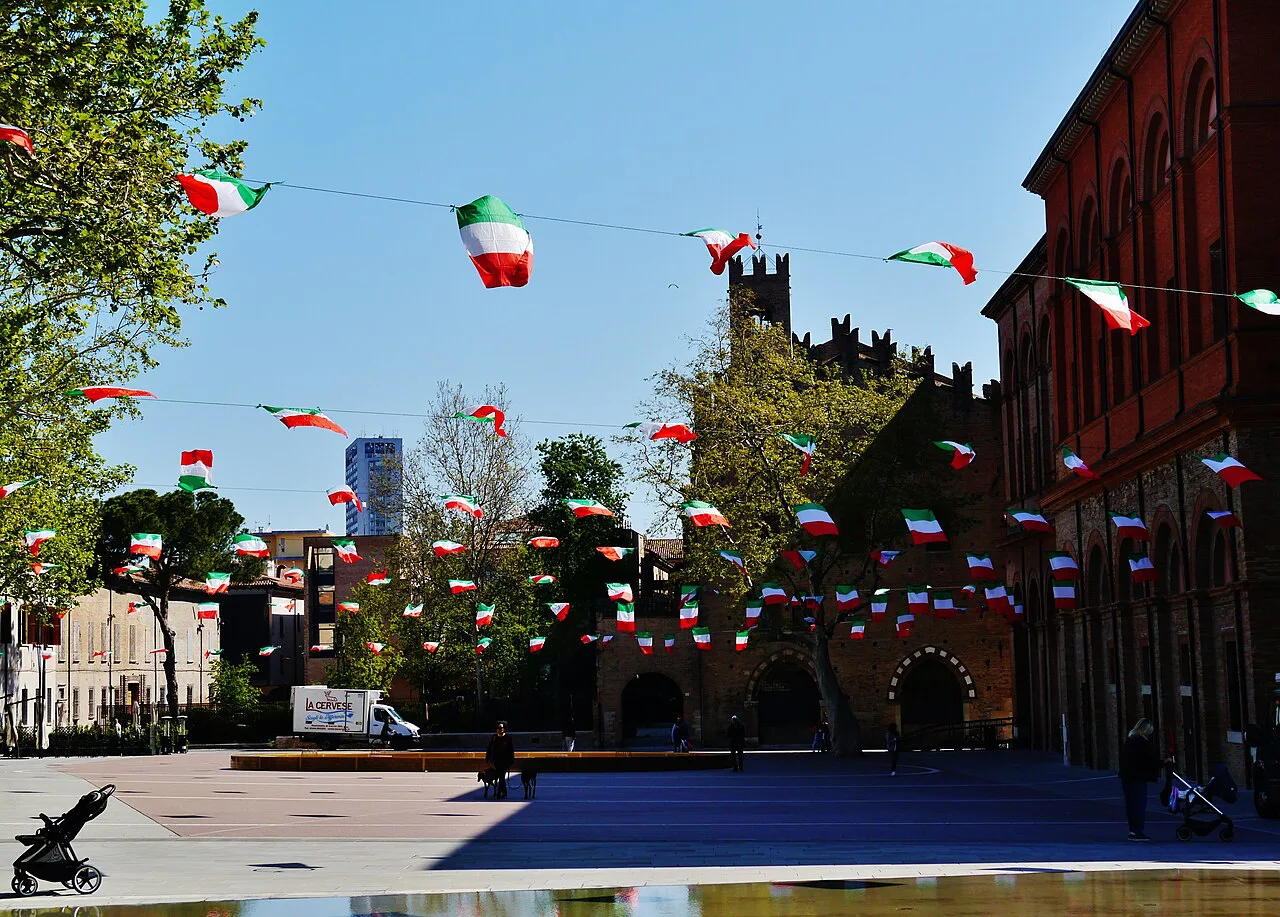

Where the market is: via Castelfidardo in the historic centre
The Mercato Coperto sits on via Castelfidardo in the heart of Rimini's historic centre, a short walk from the Duomo and the railway station. That corner of the centre is easy to fold into a morning: arrive by train, walk to the market, then carry on into the old streets.
Because the station and the Duomo both sit within a short walk, you do not need a car or a bus for this stop. A visitor staying near the seafront can walk up from the beach side of town, and the market works as a first stop before the rest of the centre opens up.
The fish hall is an area inside the covered market rather than a separate building, so once you are under the roof you will find the fish counters and the fruit and vegetable stalls under one roof. The smell of the fish section announces itself before you see it.

The fish hall: families who fish and traders who resell
The pescheria is known for a large line-up of sellers, split into two groups. Some are fishing families selling their own catch, with part of the family on the boats overnight and part at the stall by morning; others buy at the wholesale fish market and resell at retail.
Knowing which kind of stall you are at changes what you ask. At a boat-owning family's counter, ask what came in that night and how you should cook it; at a trader's stall, the range may be wider but the story shorter. Either way, whole fish on ice with clear eyes and firm flesh is the thing to look for.
Trade builds from the early morning and stays busy until lunchtime, though the best pieces are gone well before then. If you want a specific fish, arrive early rather than hoping it will still be there later in the morning.
How a morning at the fish hall actually works
Buying here is a conversation, not a supermarket sweep. Point at what you want and say how much, and let the seller weigh it. Bring a bag or expect to be handed a wrapped parcel of fish you will need to keep cool if you are not cooking it straight away.
The trade-off is simple. An early visit gives you the full choice of the morning's catch and the chance to talk to the people who landed it, while a later visit is quieter and quicker but offers less. If your day is built around lunch, do the market first and eat afterwards rather than the other way round.
The produce side: a market, not a single shop
The fruit and vegetable area is the other half of the Mercato Coperto, and it has had its own attention in the city's maintenance programme. It is the reason to treat the building as a proper food market rather than a fish counter with a roof: you can assemble most of a picnic or a simple cooked meal under one roof.
Season tells you what to buy. In late spring and summer, look for tomatoes, peaches and figs from the Romagna plain; in autumn and winter, the stalls turn to squash, greens, apples and pears. Buy what looks best on the day rather than arriving with a fixed list, and ask the stallholder which variety is sweetest for eating raw.
Some of the produce is sold by the growers themselves and some by traders, so prices and quality vary stall to stall. Walk the length of the produce aisle before buying, compare what is on offer, and pick the stall with the busiest local custom.
The renovation plan for the fish hall
The city has approved the design brief for a major reworking of the fish hall area, with an investment of 3.7 million euros and works targeted for the second half of 2027. The plan covers structural maintenance, new mechanical and electrical systems, fire safety and better accessibility, while keeping the building's historic character.
Treat that as future work rather than something you will see on a visit now: when the plans were announced, the project still had to go through technical and economic feasibility studies and the conference of services before construction.
Recent finished maintenance is more visible, and it has already improved the building. A programme worth 400,000 euros covered the produce area, new public toilets inside the market, the fish-hall drains, the roof covering and fire safety in the basement.
What to buy for a picnic or a self-catered meal
For a picnic, shop the two halves together: a fillet of fish to cook if you have a kitchen, or cured fish, olives, tomatoes, fruit and bread if you do not. Buy produce that travels well rather than anything soft and ripe.
If you are self-catering, buy fish for the first night and produce for the next few days, and keep the fish cold on the way home. A cool bag earns its place in your luggage here. For anything hot and cooked, leave the market and head for a trattoria in the same quarter.
Nearby food stops once you leave the market
Cross the river into Borgo San Giuliano and you reach Osteria de Borg, a trattoria in the neighbourhood's quiet streets, which makes a natural lunch after a market morning. Book ahead for dinner, as the small room fills, and ask for the day's pasta.
For something sweet, Gelateria La Romana in Rimini is the local name for a cone on the walk back through the centre. Finish the circuit with a coffee at Caffè delle Rose, Rimini, or take the sea air at Marina Centro if you are heading towards the beach side of town.
Is the covered market worth an early start?
Yes, if you come for the fish and come early. The pescheria is the reason to set the alarm: a large line-up of sellers, boat-owning families alongside traders, and the best of the catch gone by mid-morning. Build the rest of the day around a late breakfast or an early lunch in the centre.
Treat the market as a short, practical stop of an hour or so, not a morning in itself, and pair it with produce shopping for a picnic. Come on a trading day, and if your trip falls around the fish-hall works, check the city's notices before you set out.
Frequently Asked Questions
Where is the Mercato Coperto di Rimini?
It sits on via Castelfidardo in the heart of Rimini's historic centre, a short walk from the Duomo and from the railway station, so you can reach it on foot without a car.
When is the best time to visit the fish hall?
Early morning. Trade builds from the early hours and stays busy until lunchtime, but the best pieces are gone well before then, so arrive early if you want a specific fish.
What is changing at the fish hall?
The city has approved the design brief for a 3.7 million euro reworking of the fish-hall area, with works targeted for the second half of 2027, covering structure, plants, fire safety and accessibility. Recent maintenance also included new public toilets inside the market, the produce area and the roof covering.