Cappelletti in Romagna: What They Are and How to Eat Them
Cappelletti are Romagna's stuffed pasta, served in broth or with ragù. Here is what fills them, how they differ from tortellini, and how to order them.
On this page
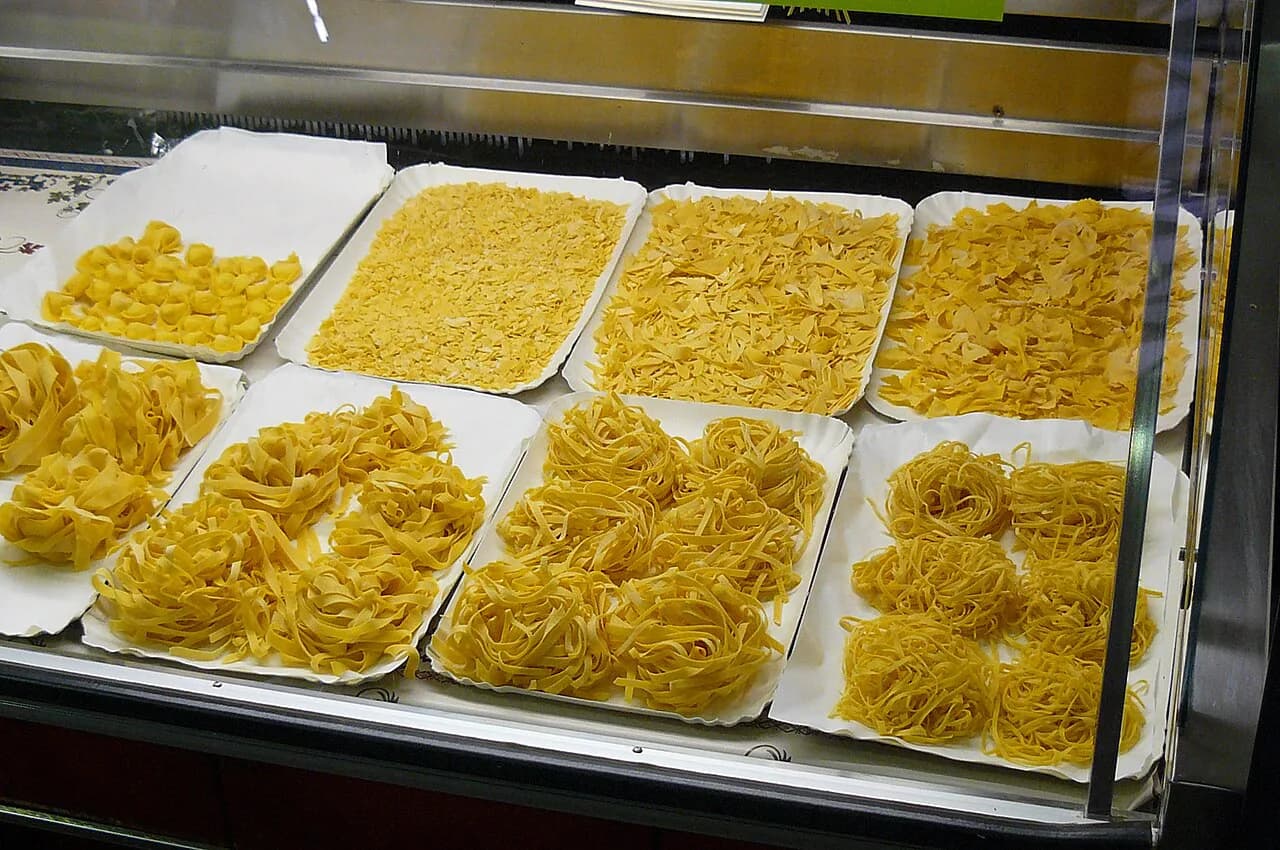
Cappelletti are Romagna's celebration pasta: small hand-folded parcels stuffed with cheese, egg and noce moscata (nutmeg), served either in brodo (meat broth) or al ragù (with a slow-cooked meat sauce). If you order them in Ravenna, expect a bowl of soft pasta parcels in a liquid or a sauce rather than a plate of pasta with a mound of filling on top.
This guide covers what goes inside a cappelletto, how it differs from tortellini, which of the two classic servings to order first, and how the dish fits into a day of eating around Ravenna's Mercato Coperto. It also explains the menu words that matter, so you know what you are asking for.
What cappelletti are
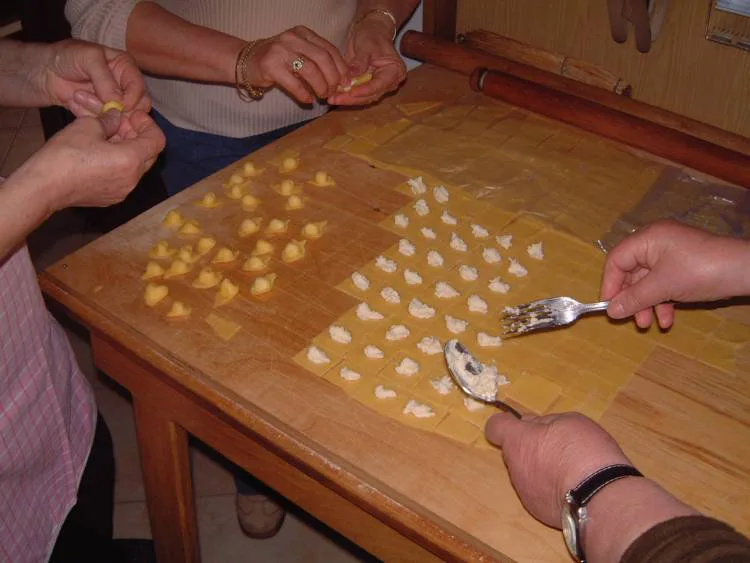
Cappelletti are fresh stuffed pasta from Romagna, made from a thin sheet of egg dough folded around a small spoonful of filling and pinched shut by hand. They are a dish of feast days and family tables: an account of Ravenna's Festa del Cappelletto describes them as the undisputed stuffed king of Romagna tables, served in brodo or al ragù especially on celebration days.
The name literally suggests little hats, and that is the right mental image: small, neat, soft shapes sitting in liquid or sauce. On a menu in Ravenna you may see them listed as cappelletti romagnoli, which simply fixes the regional style, or as cappelletti in brodo di carne, which tells you the broth is meat-based.
Order them as a primo, the first course of a traditional Italian lunch, rather than as a main. A portion is filling, because the filling is dense and the broth or sauce adds body, so one bowl followed by a second course is plenty for most appetites.
What goes inside: cheese, egg and noce moscata
The traditional filling for the Romagna version is cheese, egg and noce moscata, and nothing more elaborate than that. Ravenna's 2016 Festa del Cappelletto specified a stuffing of formaggio, uovo e noce moscata (cheese, egg and nutmeg) made as tradition requires, prepared by hand by experienced local pasta makers.
That trio is the whole point of the dish: the filling is a dense, savoury, slightly fragrant bite, and the nutmeg is what stops it tasting flat. If a menu describes something with meat in the filling, you are probably looking at a different pasta, or at a variation on a neighbouring region's style, so ask before you order.
Because the filling is rich, the serving should be restrained. A meat broth should be clear and well skimmed; a ragù should be slow-cooked and coating rather than soupy. If either drowns the parcels, the balance is off.
Cappelletti or tortellini? The difference
Cappelletti belong to Romagna, the eastern half of Emilia-Romagna, and tortellini are associated with Bologna and Modena to the west. The two are cousins, not twins: the shapes and fillings differ, and menus often use the words loosely. In Ravenna, cappelletti are the local pasta to ask for; across into Bologna, expect tortellini and a different shape.
The confusion mostly comes from menus that use the words loosely, and from the fact that both are served in a similar way. If you are in Ravenna, the pasta on the plate should be a local point of pride, and it is cappelletti you should be asking for. If you cross into Bologna, expect tortellini and a different shape.
The practical rule for a visitor: order what the menu names, and if you are unsure whether you are getting a Romagna-style cheese and nutmeg filling or something else, ask what goes inside. It is a normal question in a region where this pasta matters.
In brodo or al ragù
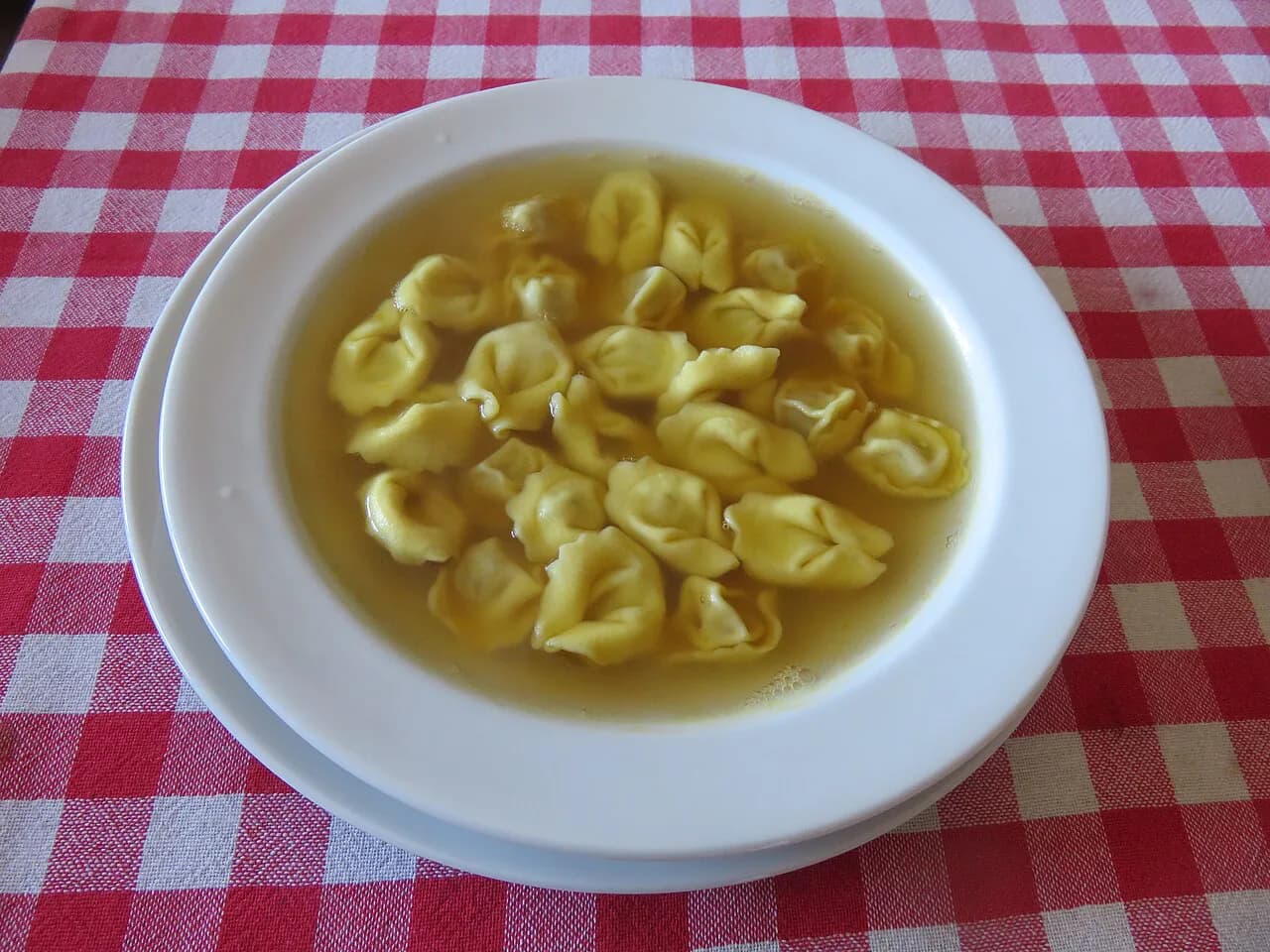
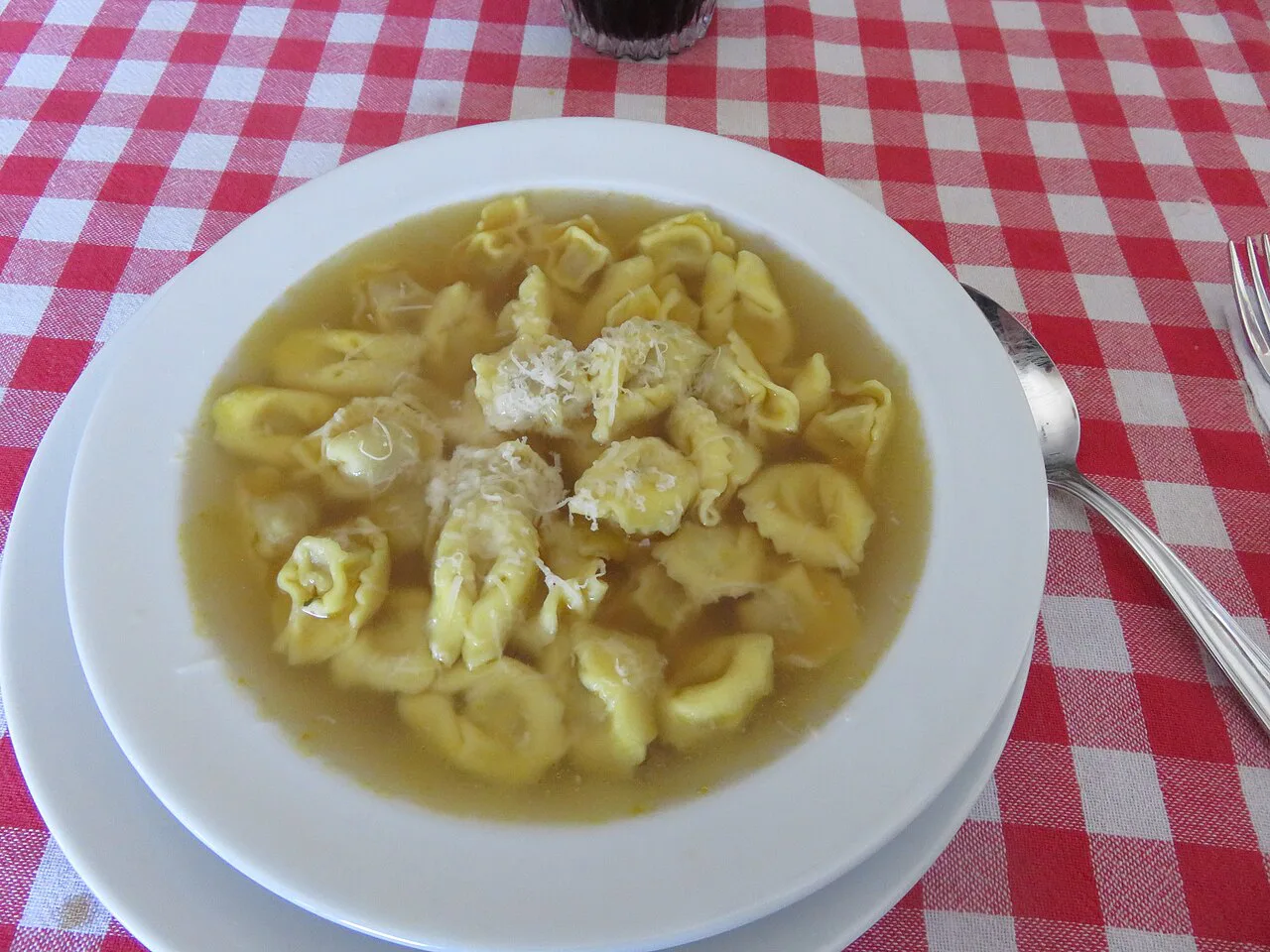
The two classic servings are cappelletti in brodo, swimming in a clear meat broth, and cappelletti al ragù, dressed in a slow-cooked meat sauce. Both are traditional in Romagna and both turn up on the same menus, so the choice is about the experience you want rather than correctness.
Start with in brodo if you want the plainest expression of the filling. A good broth is delicate, and the nutmeg and cheese come through clearly. Order al ragù if you want something more substantial and closer to a plate of pasta with sauce, which is a better fit for a larger appetite or a colder day.
The two words are worth memorising because they appear everywhere. Brodo means broth; ragù means a slow-cooked meat sauce, the kind that simmers rather than spoons straight out of a jar. Neither term tells you anything about price, so read the menu board before ordering.
How cappelletti are made by hand
Cappelletti begin as sfoglia, a thin sheet of egg pasta, rolled out with a mattarello, the long wooden rolling pin that is still the standard in Romagna kitchens. The sheet is cut into squares, a small amount of filling goes into the centre of each, and the whole thing is folded and pinched into the little hat shape.
The people who do this work are called sfogline, and in Ravenna the Mercato Coperto has its own: experienced pasta makers who brought their rolling pins and their feel for the dough to the covered market. A workshop listed by the Delta del Po park authority described them teaching visitors how to pull the sfoglia and make a proper cappelletto romagnolo, with a guided tour of the market's history, architecture and furnishings.
That workshop ran as a series of sessions in 2023, so look for the market's current programme before planning around it. Even without a class, seeing the sfoglia rolled by hand is a good reason to walk through the market and understand the work behind the bowl.
Where to eat cappelletti in Ravenna
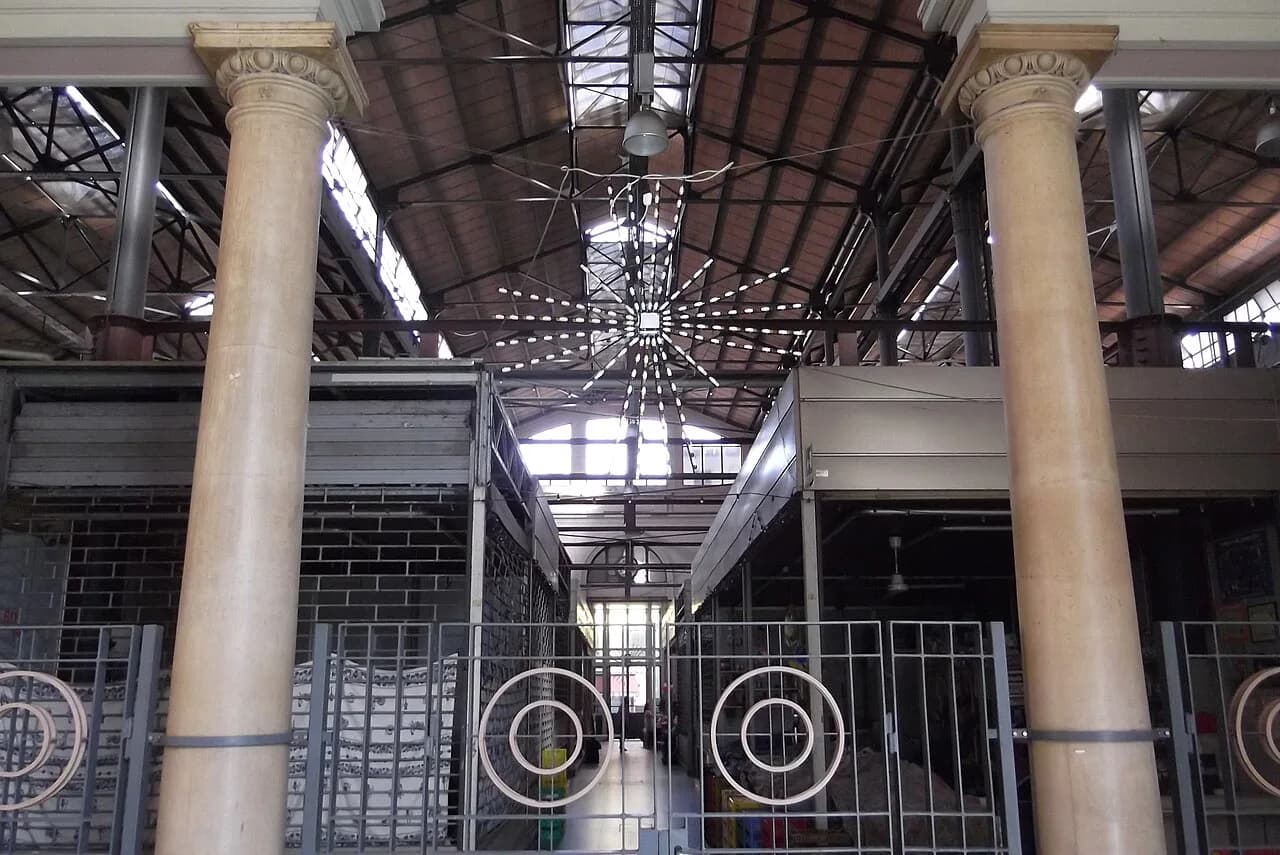
The Mercato Coperto on Piazza Andrea Costa is the natural starting point. The covered market is a food hall as well as a market, and it is where the sfogline tied to the pasta workshop were based, which makes it a sensible first stop for anyone wanting to understand the dish before eating it.
Outside the market, look for the osterie and trattorias of the city centre, and check the menu for cappelletti in brodo or al ragù as a primo. The best restaurants in Ravenna guide covers the wider table, including places where a Romagna pasta course is part of the plan, so use it to choose a room and then look for the pasta on the board.
Pizza is the other easy meal in the city, and a good pizzeria makes a cheap counterweight to a longer osteria lunch; the best pizza in Ravenna guide lists the places worth booking, though a plate of cappelletti belongs at the restaurant table rather than the pizzeria.
For a first visit, a market lunch and a proper sit-down osteria dinner give you two different readings of the dish, one more casual and one more composed. Look at whether the menu names the filling and the serving style before you choose.
Ordering and paying in Ravenna
In a sit-down osteria, order a primo each and expect a coperto, the per-person cover charge that appears on the bill for bread and service. It is normal, not a trick, and it is listed on the menu along with any other charges; if you want a second course, order it after the pasta rather than at the same time.
Paying at the table with a card is widely accepted in restaurants, and a café counter runs the other way round: order and pay at the till first, then hand the receipt to the barista. Getting that order right saves confusion, and it applies to coffee before lunch as much as to an afternoon espresso.
At the Mercato Coperto, the format is more flexible: stalls and counters let you eat a plate without a full restaurant service, which suits a lunchtime bowl of cappelletti. Ask at the counter how ordering works at that particular stall, since each one runs its own service.
Cappelletti as celebration food
In Romagna, cappelletti carry a symbolic weight beyond lunch. The Delta del Po park authority describes them as a dish loaded with associations of wellbeing, richness and abundance, and explains that a traditional Romagna wish was cappelletti in tavola e per tutto l'anno, cappelletti on the table all year long.
That explains why they appear at weddings, family gatherings and festival tables rather than as an everyday dish. Ravenna's first Festa del Cappelletto, held in Piazza del Popolo in 2016, served cappelletti made by local pasta makers with a filling of cheese, egg and nutmeg, sold as street food in walking cones.
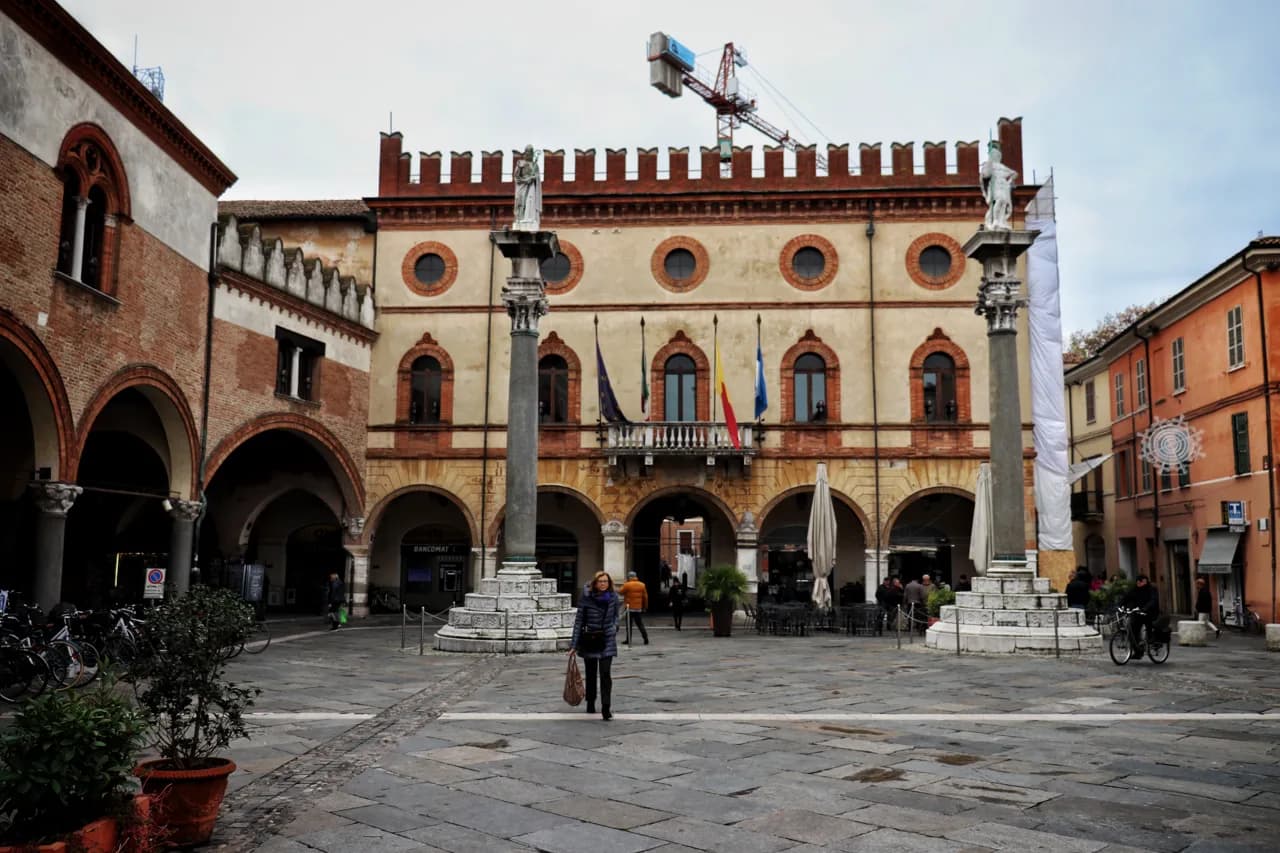
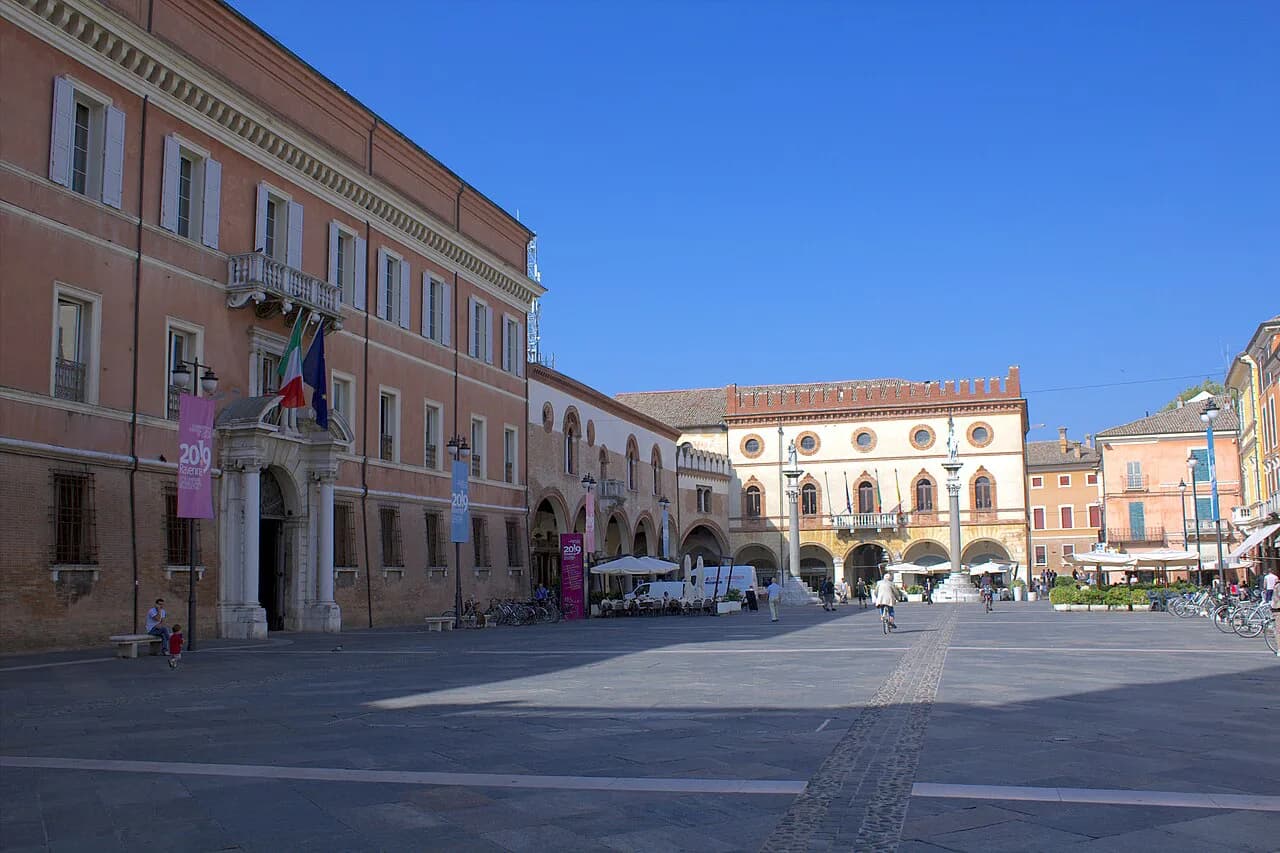
Piazza del Popolo is still the city's main square and an easy landmark for a day of eating, and a walk through the market and the square gives a sense of how the dish fits into Ravenna life. Treat any festival you come across as a bonus rather than the reason for the trip, since programmes change year to year.
In brodo or al ragù — which do you order first?
Order cappelletti in brodo if you want to taste the filling clearly, and al ragù if you want a heavier, more sauce-led bowl. Either way, ask which serving the kitchen does best, because the dish is at its most convincing when the cook is proud of the version on that day.
For a Ravenna day built around it, start with a market lunch and then book an osteria dinner, checking the menu for the filling and the serving style before you sit down. The city's pasta is part of a wider food culture, and the best restaurants in Ravenna guide is the place to plan the rest of the table.
Explore more Ravenna food guides
Frequently Asked Questions
How do you pronounce cappelletti?
Cappelletti is pronounced with the stress on the third syllable, roughly cap-pel-LET-tee, with a clean double t and a short final i. The word means little hats, which matches the shape of the pasta.
Are cappelletti served with a sauce?
Cappelletti come in two classic versions: in brodo, in a clear meat broth, or al ragù, with a slow-cooked meat sauce. Both are traditional Romagna servings, and a menu will normally say which one it means.
Can you eat cappelletti at lunch in Ravenna?
Yes. The Mercato Coperto on Piazza Andrea Costa is an obvious lunch stop, with counters that let you eat without a full restaurant service. Ask at the stall how ordering works there.
Sources
Notes for your next meal in Italy
Optional updates to our food guides.
You might also like
Continue reading
More guides you'll find useful