Cooking Classes in Cortina d'Ampezzo: What to Expect
Cortina's cooking blends Italian and Tyrolean traditions. Here is what to expect from a class and the questions that decide whether one suits you.
On this page
Cortina d'Ampezzo has no single famous cookery school, so choosing by dish and format is more useful than chasing a name. A class here typically centres on the cooking of the Ampezzo valley, where Italian staples meet Tyrolean habits of butter, rye, cabbage and smoked pork. This guide covers what a class involves, the local cooking you are likely to meet, and the trade-offs between private and shared, hands-on and demonstration.
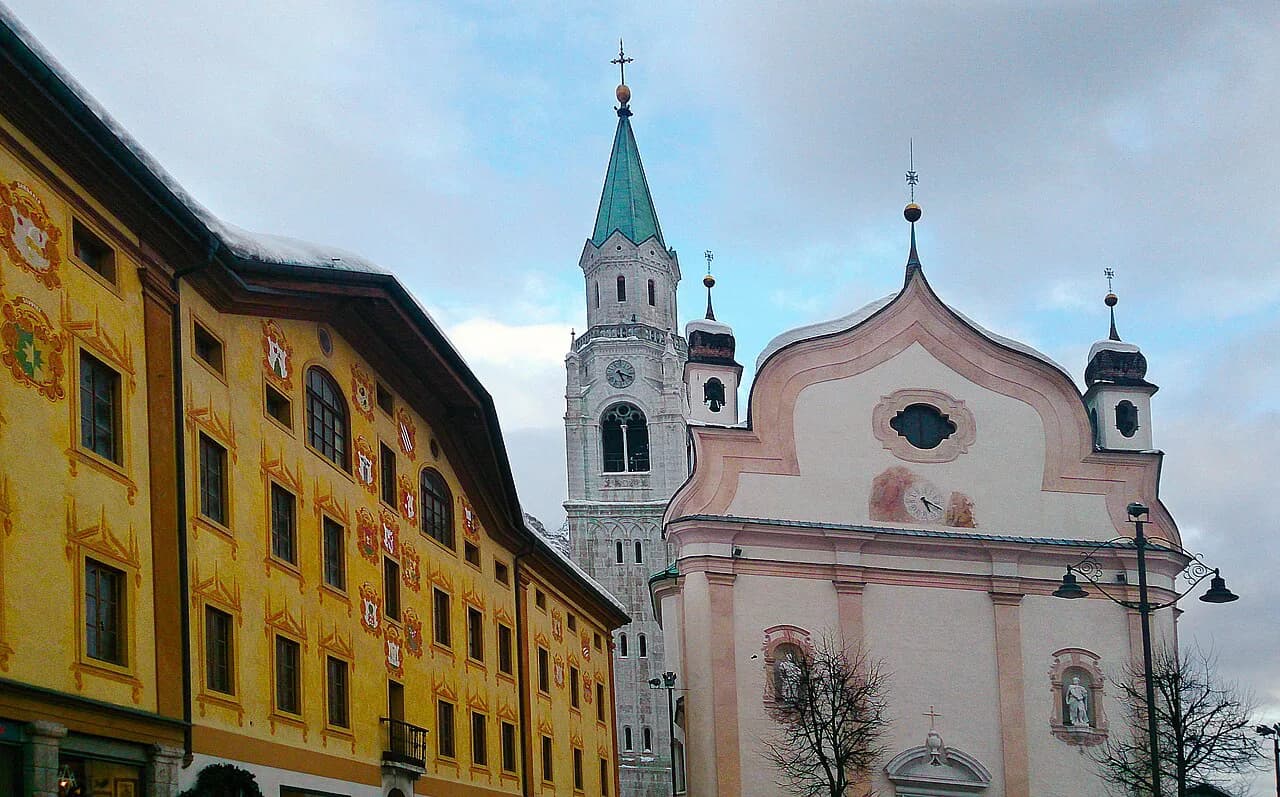
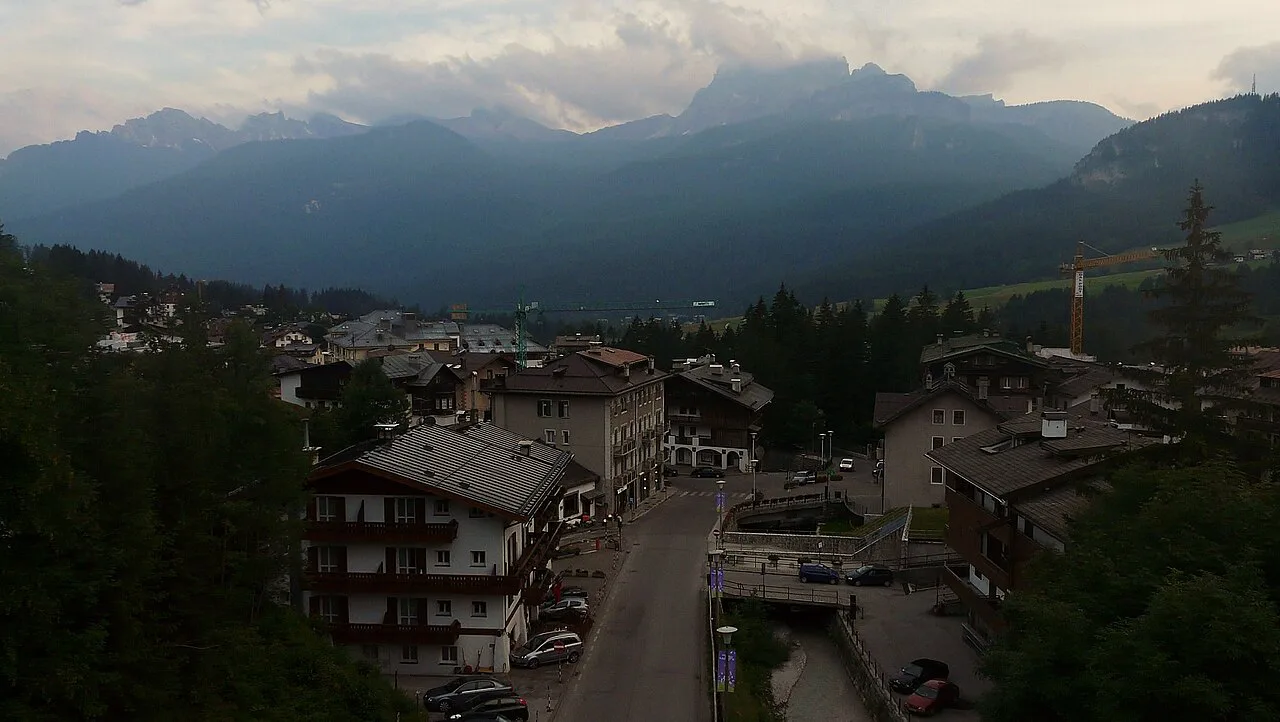
Cortina sits in the Dolomites on a border that has shifted between Italian and Austrian rule, and its cooking gathers the flavours of both Italy and the Tyrol. Classes built around mountain cooking taste quite different from a standard pasta course in Rome or Bologna, even when the same techniques appear. Plan the day around the kitchen rather than squeezing a class between sights.
What a cooking class in Cortina involves
Expect a session built around one or two dishes rather than a full restaurant menu: a pasta to shape by hand, a mountain sauce or bake, and something sweet to finish. You work in a kitchen with an instructor, then eat what you have made. The kitchen is the point of the afternoon, so treat the class as the day's main event.
The cooking you meet here is border cooking, with Italian staples sitting alongside Tyrolean habits of butter, rye, cabbage, smoked pork and dumplings. A class may teach you to fill half-moon pasta or to handle dough for dumplings, and the two skills share more than they look. Ask which dishes the session covers when you check current listings, because the list tells you more than any description of the setting.
Who runs classes in Cortina
The local tourist board, the IAT Cortina d'Ampezzo, runs the official Cortina tourist office, which publishes food and drink pages among its visitor information. The office itself sits at Corso Italia 81 in the centre of town, on +39 0436 869086, and its staff can tell you what food experiences are currently on offer. Treat the office as a starting point and confirm the specifics of any class with the organiser. For a wider sense of where to eat around a class, see the Best Restaurants in Cortina d'Ampezzo.
Aim to see what a session actually covers rather than relying on resellers that recycle the same description. If a class appeals, note the dish list, the language of instruction and the group size, then confirm the rest with the organiser.
Which dishes are worth learning here
Ampezzo cooking has long borrowed from both sides of the border, so expect butter and rye as readily as olive oil and pasta. Dishes to look for in a class include casunziei, the half-moon ravioli filled with beetroot and often dressed with butter and poppy seeds, and hearty bakes that suit cold weather. Learning to fold casunziei by hand is a skill you can repeat at home with ordinary flour and a rolling pin.
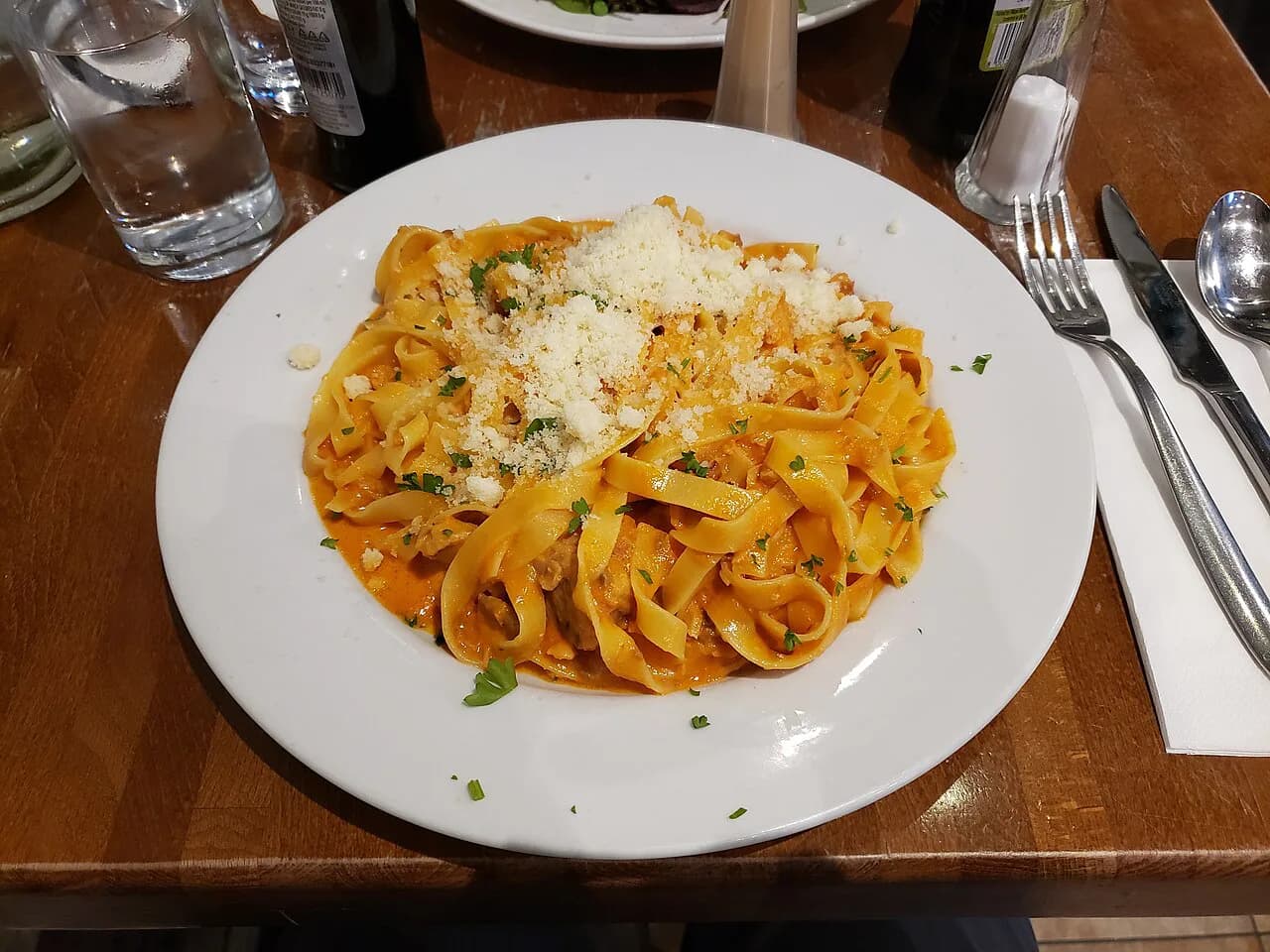
If a class advertises fresh pasta with a ragù, that is the Italian half of the local repertoire, and it is worth learning for the technique alone. The mountain half is what makes Cortina different: dumplings, cabbage and smoked pork appear in the cooking of the valleys around the town. Choose a session that includes at least one dish you have never made, or you are paying for a demonstration of skills you already have.
Class formats to weigh up
Classes tend to fall into a few loose shapes: a shorter session of a few hours in one kitchen, a half-day that pairs shopping with cooking, and a longer market-to-table format where you buy ingredients with the instructor before cooking them. The market-to-table version teaches you the most about local produce, but it takes the biggest bite out of your day. A short kitchen session suits a first visit when you want the rest of the afternoon free.
Think about when you eat. A morning class usually ends with lunch, an afternoon class with an early dinner, and an evening session with a late one. If you already have a dinner reservation, book the morning slot rather than trying to fit two meals into one evening, and confirm the start time and total length with the organiser.
Group size and language of instruction
Small groups mean more hands on the dough and more attention from the instructor, while larger groups tend to split into teams and lean on demonstration. If you want to actually knead, roll and fill, ask how many people share a workstation before you pay. A class of six and a class of twenty are different products, even when the dish list looks the same.
Check the language of instruction in advance, especially for mixed groups where some read Italian and others English. Tourist office listings appear in several languages, but that reflects the website, not necessarily the kitchen. If your group needs a particular language, ask the organiser to confirm it in writing.
Hands-on versus demonstration: which suits you
A hands-on class puts you at the counter with flour to the elbows; a demonstration seats you while the instructor cooks and explains. Demonstration suits anyone with limited mobility, children too young for sharp tools, or a group that would rather talk than knead. Hands-on suits anyone who wants to reproduce the dish at home and does not mind making a mess.
A useful compromise is a class that demonstrates one element, such as a sauce or a bake, and leaves the pasta or pastry for you to shape. Ask the organiser to describe exactly which steps guests perform, rather than accepting a general promise that the class is interactive. That one question separates a cooking lesson from a cooking show.
Private versus shared classes
Private classes usually mean more control over the dishes, the pace, the language and the company. Shared classes tend to be cheaper and more sociable, and you may pick up tips from other travellers at the same counter. A couple who want a quiet morning should book private; a group of friends will usually have more fun sharing.
For families, ask whether children can join and at what age, and whether a private session can be shaped around younger cooks. Neither option is better in the abstract; the question is how much control you want over the room.
What to ask before you book
Ask five things: which dishes you will make, whether the class is hands-on or demonstration, how many people attend, what language the instructor uses, and whether dietary needs can be accommodated. Ask for the price at the same time, along with what it includes, since a class that covers lunch is better value than one that does not.
Dietary requirements are worth raising early rather than on the day, because a dish built around butter, pork or wheat may need a different version. Vegetarian requests are usually manageable; strict requirements such as coeliac disease need a clear answer from the kitchen before you commit. If the organiser cannot confirm, choose another class.
Where classes fit into a Cortina day
A morning class hands you lunch, which leaves the afternoon free and an easy evening; an afternoon class gives you a morning to walk, then ends with food and no need to book a restaurant. Either way, the class replaces a meal rather than adding one, so plan the rest of the day's eating around it. If you keep the morning slot, finish with a coffee and a pastry from the town's pastry shops in Cortina rather than a second lunch.
If you would rather spend the evening eating out, keep the class to the morning and choose a restaurant for dinner from the Best Restaurants in Cortina d'Ampezzo. Pair a class with a look at what the town's kitchens are doing and you learn twice: once at the counter, once at the table.
Which class should you book?
Book by dish first and format second. If you want to reproduce Ampezzo cooking at home, a hands-on class built around casunziei or dumplings teaches more than a generic pasta session; if you are travelling with people who would rather watch, a demonstration with a meal at the end fits better. Confirm the details with the organiser, and treat the class as the meal it replaces.
Explore more Cortina d'Ampezzo food guides
Frequently Asked Questions
Do classes run in summer and winter?
Classes run in both summer and winter, but the schedule varies through the year, so ask the tourist office at Corso Italia 81 or the organiser which sessions run during your visit.
Can you book a private cooking class in Cortina?
Private sessions are arranged directly with the organiser running the class, so ask about a private booking when you enquire. Expect to state your preferred dishes, language and number of guests.
Do classes cater for dietary requirements?
Some do, but the answer depends on the kitchen and the dish list. Raise vegetarian or coeliac requirements when you enquire, ask exactly how the dishes will be adapted, and choose another class if the organiser cannot confirm.
How much do cooking classes in Cortina cost?
Prices vary by format, group size and whether a meal is included, so ask the organiser for the current price and what it covers when you enquire.
Sources
Notes for your next meal in Italy
Optional updates to our food guides.
You might also like
Continue reading
More guides you'll find useful