Cooking Classes in Manarola: Pesto, Pasta and What to Book
Cooking classes in Manarola centre on Ligurian dishes such as pesto and fresh pasta. Here is how to choose a format, length and group size before you book.
On this page
Cooking classes in Manarola are small, Ligurian-focused sessions rather than big international cookery schools, and the locally booked option is the pesto class at Nessun Dorma, which pairs the session with lunch. Expect a kitchen built around basil, good olive oil and the dishes of the Cinque Terre rather than a broad Italian menu. This guide separates pesto-only sessions from longer pasta classes and covers format, meal inclusions, group size and dietary requests.
What a cooking class in Manarola actually involves
Classes are shaped by what grows on the terraces above the village: basil, olives and lemons, with seafood and fresh pasta filling out Ligurian menus. A session typically opens with a short explanation of ingredients, moves into hands-on preparation, and ends with the group eating what was made. Because venues are small, sessions are intimate rather than theatrical, with fewer people at the bench and more attention on your technique.
Pesto, made with basil, pine nuts, garlic and cheese, is the dish to master here; it is wheat- and dairy-heavy once pasta and cheese are involved, so think about what you can actually eat before choosing a session.
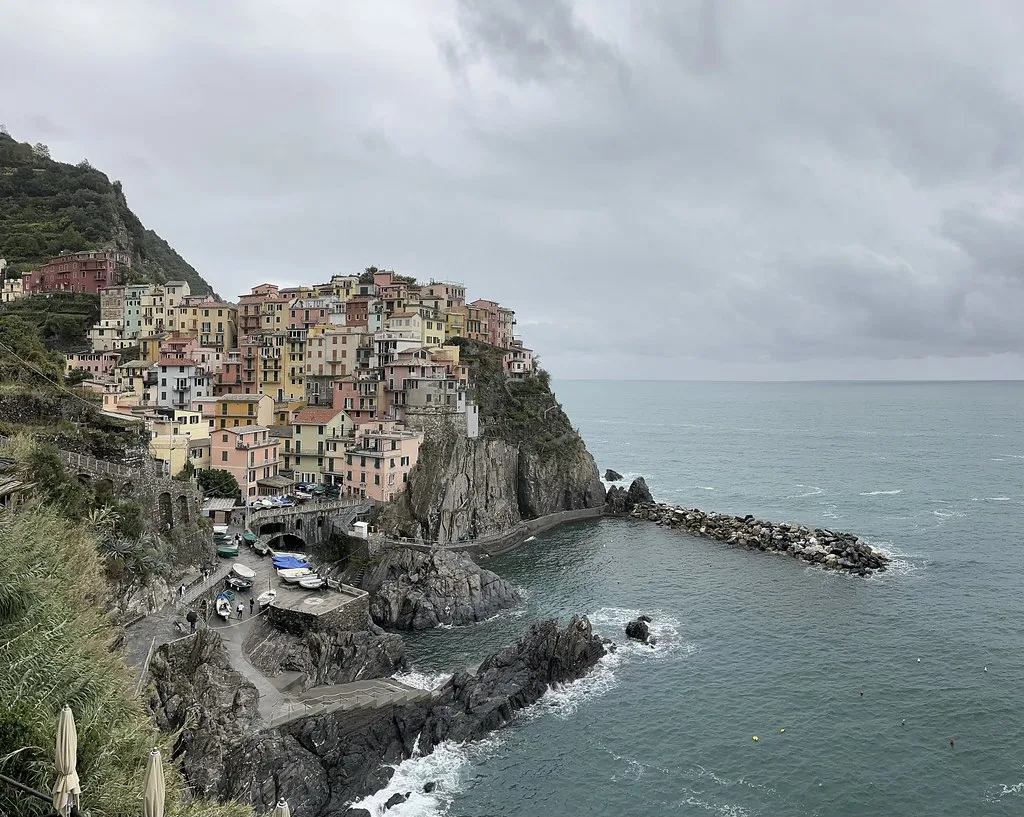
Pesto-making classes: the Ligurian staple
A pesto class is the shortest route into Ligurian cooking. The best sessions have you pound basil, garlic, pine nuts and cheese in a marble mortar with a wooden pestle, tasting as you go, then dress pasta with what you have made. It is a technique class as much as a recipe one: the point is texture and balance rather than memorising quantities.
Nessun Dorma, the well-known spot above the Manarola marina, runs a pesto experience that includes lunch, and its booking page lists a class at €85. Treat that as the figure the venue published rather than a guaranteed current rate, and confirm what is included when you reserve. A midday class with a meal attached takes up the middle of your day, so build the rest of your plan around it rather than squeezing in a long hike afterwards.
If pesto is the only thing you want to learn, a short session is enough and leaves the afternoon free. If you want fresh pasta as well, look for a class that combines the two rather than booking a pesto session and hoping for more.
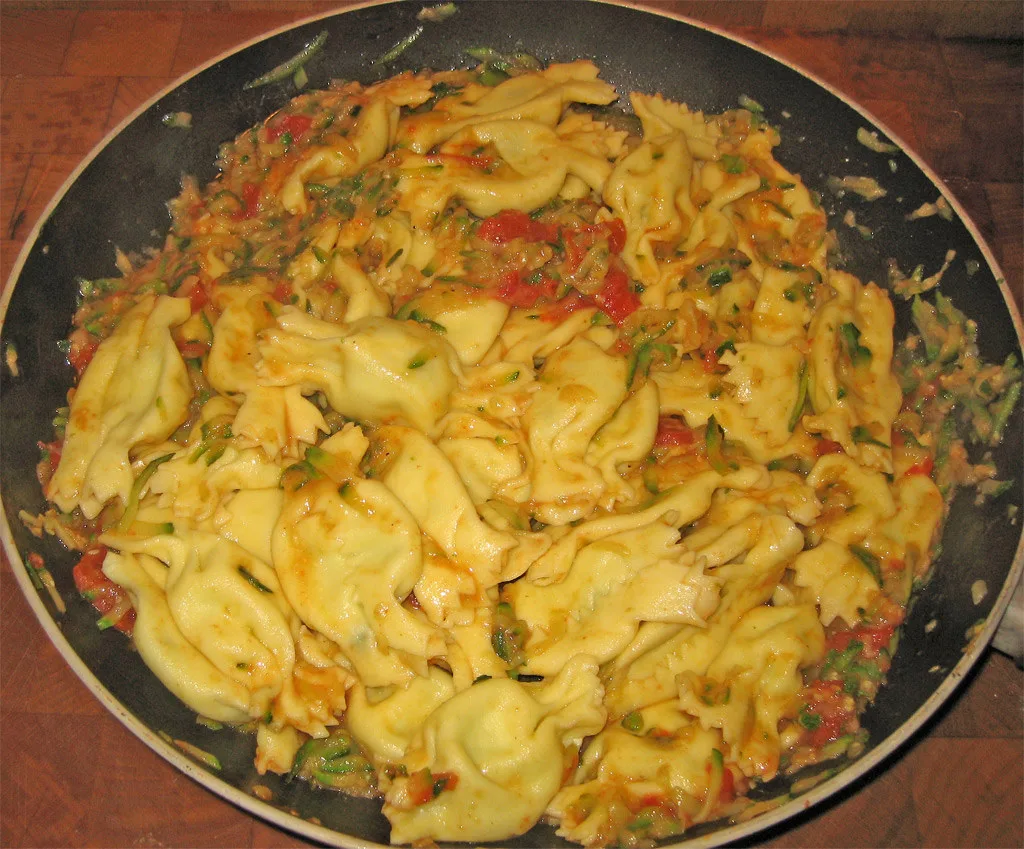
Pasta and full-meal classes
Longer classes add fresh pasta to the pesto: making the dough, shaping trofie or trenette, and saucing what you have rolled. These sessions suit anyone who wants a proper skill rather than a tasting, and they run longer because dough needs resting and shaping takes practice. Expect to leave with a method you can repeat at home, plus a clearer sense of how Ligurian cooks balance pesto, oil and cheese.
Many classes end with the group sitting down to eat what was cooked, sometimes with local white wine. That shared meal changes how you plan: a lunchtime class replaces lunch, and an evening class replaces dinner. If you have a restaurant booked for the same evening, move it rather than eating two full meals in a few hours.
Hands-on versus demonstration formats
The trade-off is straightforward: a hands-on class has you at the bench, while a demonstration has you watching, asking questions and then eating. Hands-on suits people who want to reproduce the dish at home; demonstration suits anyone with limited mobility, travelling with children, or keener on understanding the cuisine than on technique. A good middle ground is a session where one dish is demonstrated and another is made by the group, which keeps a cooking-and-non-cooking couple happy. Ask which format a class uses before booking, because the same venue can run both.
Class length and whether a meal is included
Short pesto sessions run to roughly a couple of hours including the eating, and fit around a morning on the coastal paths, while full pasta-and-sauce classes eat up half a day. The deciding question is whether a meal is included: a class with lunch is effectively lunch plus an activity, which shapes your whole day, whereas a class without one leaves you free to eat elsewhere afterwards. If a class finishes with a shared lunch, plan a light dinner or an evening aperitivo instead of a full second restaurant meal, and check whether drinks are in the price.
Group size and whether you cook alone or in pairs
Small groups mean more hands-on time, so ask how many people a session takes when you enquire. Some classes give each person a station, while others pair you up, which suits couples and frustrates anyone who wanted to do everything. Solo travellers should ask whether they will be paired with a stranger, and a group of friends or family often does better with a private session than with several places on a public one.
Booking ahead in peak season
Manarola's venues are small, so classes fill quickly in summer and around weekends, and a session may run only on set days. Book before you travel if your dates are fixed, and if you are flexible, ask which days have space instead of counting on a daily class. Check the booking calendar on the venue's own site for current dates and prices, not an aggregator's summary.
If you leave booking until you arrive, keep a fallback: a class in La Spezia or Riomaggiore is a short train ride away, and check the train times before committing to a session outside Manarola.
Language of instruction and recipe handouts
Ask what language the class is taught in and whether recipe notes come in English. Sessions aimed at visitors usually run in English or bilingual Italian and English, but a class aimed at Italian home cooks may not. A written handout is worth having: it lets you cook the dish again without relying on memory of a demonstration, so check whether it gives weights and timings or just an ingredient list.
Dietary requests: vegetarian, gluten and allergies
Pesto and fresh pasta are heavy on wheat and dairy, so tell the venue about any allergy or intolerance when you book, not on the day. A vegetarian is usually easy to accommodate in a pesto class, since the dish itself is meat-free, but pasta dough with egg needs flagging. For coeliac disease, ask directly whether a gluten-free version is possible before paying, because a shared kitchen makes cross-contamination hard to rule out.
Nut allergies need a specific mention, since pine nuts are a core pesto ingredient and some recipes add other nuts. A venue may be able to adapt, but only if it knows in advance.
Pricing and what sits outside the class fee
When you compare classes, look at what the fee includes rather than the headline number: meal, drinks, apron, ingredients and recipe handout can all be in or out. The Nessun Dorma booking page, for example, lists its pesto class with lunch at €85, a useful benchmark for a session that feeds you. Check whether wine, coffee or extra courses are charged on top, and whether payment is taken at booking or on the day.
Add the practical extras to your budget: a train ticket from La Spezia or Riomaggiore if you are staying outside the village, and time rather than money for the climb to venues set above the marina. The village is steep, so a class high on the hill costs you a sweaty walk in the heat.
Which class should you book?
Book the pesto class if you want a short, hands-on Ligurian session with lunch attached and your days are already full. Choose a pasta-and-sauce class if you want a skill you can repeat at home and Don't mind giving up half a day. Either way, confirm the format, group size, language and what the fee covers before you pay, and reserve before you travel in summer.
Use the rest of your eating plan alongside the class: a shared lunch means a lighter dinner, and a morning class frees the afternoon for the village and its terraces. Our guide to the best restaurants in Manarola covers where to eat on the days you are not cooking.
Explore more Manarola food guides
Frequently Asked Questions
Is there a pesto-making class in Manarola?
Nessun Dorma runs a pesto experience in Manarola that includes lunch, and its booking page lists the session and the days it runs. Check the venue's own booking calendar for available dates before you plan around it.
Do Manarola cooking classes include a meal?
The pesto class at Nessun Dorma includes lunch, which effectively replaces a restaurant meal. Some other sessions may not, so ask whether food and drinks are part of the fee before you pay.
Do I need to book a cooking class in Manarola in advance?
Book ahead in summer and at weekends, when small venues fill quickly and classes may run only on certain days. If your dates are fixed, reserve before you travel and keep a session in La Spezia or Riomaggiore as a fallback.
Sources
Notes for your next meal in Italy
Optional updates to our food guides.
You might also like
Continue reading
More guides you'll find useful