Cooking Classes in Amalfi: 5 Picks and What Each One Teaches
Five cooking classes in Amalfi and along the coast, what each one teaches, how long it runs and what is included, so you can choose the right format.
On this page
The strongest choice for a first cooking class in Amalfi is a half-day lesson that starts in a garden or lemon grove and finishes with the meal you have made. In Amalfi itself, a four-hour class in a panoramic terraced garden covers bruschetta, a seasonal pasta dish and lemon tiramisù, with a garden tour and vegetable picking before the cooking starts. The classes below run across Amalfi, Furore, Scala and Positano, and they differ most in what they teach and how physical the day is.
Choosing well comes down to three things: whether you want pizza and fresh pasta or a full multi-course menu, whether the setting matters as much as the cooking, and how much of a day you are willing to give up. A class also puts the coast's ingredients in context, which makes it a useful companion to eating out in the best restaurants in Amalfi later in the trip.
What an Amalfi Coast cooking class usually involves
Classes like the ones detailed below usually follow the same arc: a walk through a kitchen garden, lemon grove or orchard, then hands-on preparation of dough or a sauce, then a sit-down meal of what you have cooked. The dishes lean on Neapolitan and Sorrentine cooking rather than anything exclusive to Amalfi, so expect pizza, fresh pasta, seafood and lemon desserts. The Positano overview of coast classes describes lessons built around a full menu from antipasto to dessert, prepared in a restaurant kitchen or sometimes in the chef's own home.
Dishes that come up repeatedly are ravioli capresi (ravioli stuffed with local cheese and dressed with tomato and basil), fritto di paranza (a mixed fry of small fish, squid and prawns), gnocchi alla sorrentina (potato dumplings with fresh tomato and basil) and delizia al limone, a soft lemon cream cake. Pizza napoletana appears as a standard, with the marinara (tomato, garlic, oregano) and margherita (tomato and mozzarella) as the base versions. Knowing this list in advance tells you whether a class is teaching technique or simply feeding you.
The lemon thread runs through most of these kitchens, and it is worth reading up on Amalfi lemons before you go so you can tell the sfusato from a supermarket fruit. The local lemon is larger, thicker-skinned and milder than a standard lemon, which is why it works in desserts and in limoncello.
Ristorante Melchiò in Furore: seafood, pizza and dolci
In the village of Furore, Ristorante Melchiò runs its classes under chef Vito Piccolo, who introduced the cooking-class project to the village and guides guests through fish dishes, Neapolitan and Mediterranean cooking, pizza and traditional desserts. The format opens with a visit to the restaurant garden, where the produce of the season is introduced before you cook.
What makes Melchiò the most flexible pick is the choice of routes: one built around local produce, one dedicated to pizza, and a separate dessert class for anyone whose interest stops at dolci. If you are travelling with someone who wants fish and someone who wants dough, this is the class where you can split across themes rather than compromise.
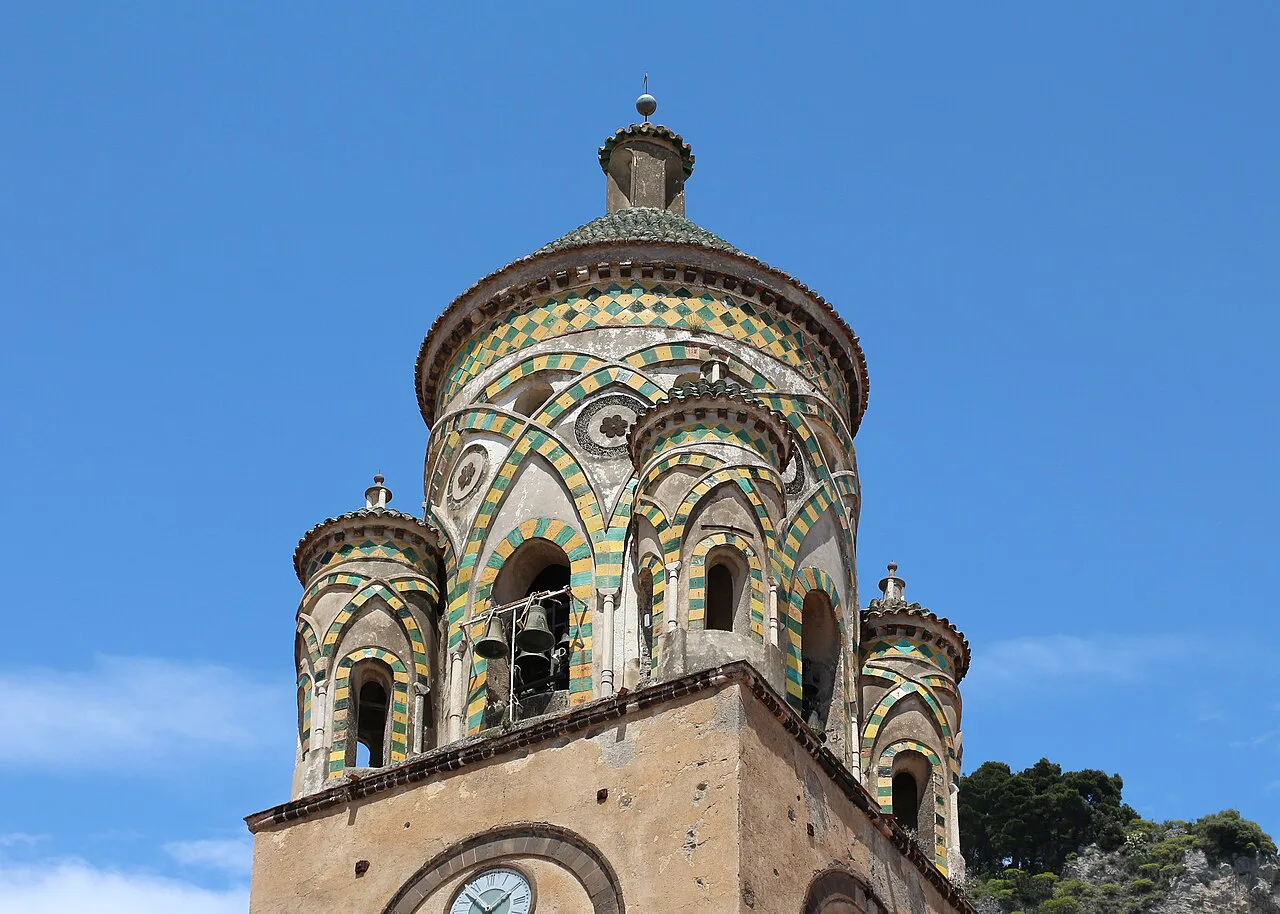
Pizza and fresh pasta with Marco and Tano in Scala
In Scala, the chefs Marco and Tano teach pizza and fresh pasta from the ground up: choosing ingredients from the vegetable garden, then building the dough and shaping the pasta. The lesson closes with the group eating what it has made on a terrace looking towards Ravello and the sea, with a glass of wine alongside.
This is the class to choose if your ambition is to go home able to make pasta by hand, rather than to sit through a four-course demonstration. Expect flour everywhere, and dress accordingly. The terrace setting is a bonus rather than the point, so do not book it only for the view.
Amalfi Gardens: terraced gardens, four courses and a lemon grove tour
Amalfi Gardens holds its class among terraced lemon groves, olive trees and vines above Amalfi, opening with a tour of the plots before you pick ingredients from the garden yourself. You then cook a four-course meal, which is served with local wine, limoncello and coffee, and vegetarian options are available.
The four-course structure makes this the most complete meal of the group, and the garden tour adds a real walk through working terraces rather than a token look at a herb bed. That also means a longer, more structured session than a pasta-only class. If you have time for one food experience on the coast, this format covers both the growing and the cooking.
La Tagliata in Positano: music, dancing and Neapolitan dishes
Fattoria La Tagliata in Positano runs the liveliest of the coastal classes, with music through the lesson, dancing between the pans and local wines to taste as you work. The farm sits above the sea facing the Li Galli islands and Capri, and guests visit the vegetable garden to pick seasonal vegetables before cooking Neapolitan dishes together.
Pick La Tagliata for a group celebration or for a family with teenagers who would rather not sit still for four courses. It is the least quiet option here, and the least suited to anyone hoping for close technical instruction. Book by emailing the farm directly.
Amalfi Lemon Experience: cooking with the sfusato lemon
At Amalfi Lemon Experience you walk the lemon terraces first, so wear comfortable shoes, then join a lesson making pizza, pasta or traditional dishes where the sfusato amalfitano is a main ingredient. The class motto is blunt: if you do not cook, you do not eat.
This is the best pick if the lemon is what brought you to the coast, because the fruit is the subject rather than a garnish. The garden walk comes before the cooking and involves uneven ground on the terraces, which matters if anyone in your party has trouble with steps.
Cooking class in a panoramic garden in Amalfi: four hours, garden-to-table
This is the most clearly described class of the group: four hours in an open-air terraced garden, a group of up to ten, held in English, with a chef guiding you through family recipes. You tour the garden, olive grove, lemon grove and vegetable plot, pick fresh ingredients, then cook bruschetta, a seasonal pasta dish and lemon tiramisù.
The meal comes with local wine, water, limoncello from the coast and Neapolitan coffee, and you leave with the recipes and a cooking diploma. The class is listed from €145, with a separate two-hour pizza class from €85.
Two constraints decide this one. Reaching the garden involves roughly 50 to 90 steps, and a vegetarian option is available only if you request it when booking; gluten, lactose and other allergies or intolerances cannot be accommodated, so anyone with a serious restriction should choose differently. The menu changes with what is ripe on the day, so do not book expecting one fixed dish.
Pasta, pizza or dolci: choosing the class that matches your skills
If you want one skill to take home, choose by dough: Marco and Tano for pizza and fresh pasta, the Amalfi garden pizza class for a short two-hour session, and Amalfi Lemon Experience for pizza or pasta with the lemon as the theme. If you would rather cook and eat a whole meal, Amalfi Gardens and the panoramic garden class both deliver four courses.
Dessert-led cooks have two routes: the dolci class at Melchiò, or a menu that ends in lemon tiramisù in the Amalfi garden. Neither requires previous experience, and the groups are built for beginners. Do not overthink the choice; the difference between a good and a great class here is usually the setting and the group size, not the recipe list.
Group class or private lesson
Most of these are group activities, and the panoramic garden class caps its group at ten, which keeps the kitchen workable. A private lesson can be arranged with the same operator by contacting them before booking, which suits couples or families who want the chef's attention on their own dishes.
The trade-off is cost and atmosphere: a private lesson buys attention, while a shared table buys the conviviality that makes La Tagliata and the garden classes memorable. If you are a solo traveller, the group format is the easier way in.
Vegetarian, allergies and dietary requests
Vegetarian cooking is offered at Amalfi Gardens and, on request with advance notice, in the Amalfi panoramic garden class. That class cannot handle gluten or lactose intolerance or other allergies, so state any restriction at the time of booking rather than on the day. For the other kitchens, ask Ristorante Melchiò, Marco and Tano, La Tagliata or Amalfi Lemon Experience directly before paying, since policies vary and a garden visit followed by a set menu leaves little room to improvise.
Half-day vs full-day: fitting a class into your days on the coast
A four-hour class takes a proper bite out of a coast day once you add travel to a village like Furore or Scala, so treat it as the main event rather than a filler between swims. The two-hour pizza class is the easier fit if you want to keep the afternoon free. Book the class for a day when you are staying nearby, because ferries and the coast road are slow and a late arrival means missing the garden tour.
It pays to match the class to the rest of your eating. If your evenings are already booked around the best restaurants in Amalfi, put the class at lunchtime and keep dinner light.
What the classes cost and what's included
Only the panoramic garden class publishes its starting prices: from €145 for the four-hour cooking class and from €85 for the separate two-hour pizza class. Both figures are the booking site's listed starting prices, so the final amount depends on the date and group.
Inclusions follow a pattern: the four-hour garden class covers the chef, the guided garden tour, the ingredients, a four-course meal with local wine, water, limoncello and Neapolitan coffee, plus utensils, a diploma and recipes. For Melchiò, Marco and Tano, Amalfi Gardens, La Tagliata and Amalfi Lemon Experience, ask each kitchen what the fee covers, particularly whether wine and limoncello are part of the meal, before you commit.
Which Amalfi cooking class should you book?
Book the panoramic garden class if you want a clear four-hour format, a set menu and a published price, and you can manage the steps. Choose Amalfi Gardens or Melchiò for a full meal with more choice, Marco and Tano if pasta technique is the goal, and La Tagliata if the day needs to be a party.
Whichever you pick, confirm the meeting point and any dietary request in writing when you book, since these kitchens work from gardens and seasonal produce rather than a fixed larder.
Explore more Amalfi food guides
Frequently Asked Questions
What is the famous dish of the Amalfi Coast?
There is no single dish, but the classes here teach a recognisable set: pizza napoletana, fresh pasta such as gnocchi alla sorrentina and ravioli capresi, fritto di paranza and lemon desserts including delizia al limone. Ask what the class will cook on your date, since menus follow the season.
Do I need cooking experience to join a class in Amalfi?
No. The classes are built for visitors cooking for the first time, with the chef demonstrating each stage. Choose a pasta or pizza class if you want one technique, or a four-course menu if you would rather cook a whole meal with guidance.
Can a cooking class fit around a short stay on the coast?
Yes, if you pick the length deliberately. A two-hour pizza class leaves the rest of the day free, while a four-hour class plus travel to a village such as Furore or Scala takes most of a day. Book it for a day you are staying close by.
Sources
Notes for your next meal in Italy
Optional updates to our food guides.
You might also like
Continue reading
More guides you'll find useful