Aperitivo in Perugia: Where to Go and How It Works
Aperitivo in Perugia is an early-evening drink with small snacks, often near Piazza Matteotti. Here is where to go, what to order and how to pace it.
On this page
Aperitivo in Perugia is an early-evening drink with small snacks, taken standing or seated between roughly late afternoon and dinner, and it works best as a pause rather than a meal. In the historic centre it clusters around Piazza Giacomo Matteotti and the streets linking Corso Vannucci with the rest of the old town. This guide sets out what you are actually paying for, how ordering and paying work, which dishes to order at a named salumeria, and how to fit the whole ritual around a long Perugian lunch.
Two things trip up visitors: assuming the snacks are always free with any drink, and treating aperitivo as a starter before an early dinner. In Perugia dinner starts late, so the drink and its snacks occupy the awkward gap rather than sitting right before the primo. Knowing which model you are walking into, a help-yourself buffet or a paid board, saves both money and disappointment.
What aperitivo actually is in Perugia
Aperitivo is the Italian pre-dinner ritual: one drink, a few savoury nibbles, conversation, and then home or onward to dinner. In Perugia it starts in the late afternoon and settles into early evening, timed for a dinner that begins well after most British or American kitchens have closed. Treat it as a bridge between lunch and dinner, not as an early supper.
The food is deliberately salty and small: crisps, olives, taralli (small ring-shaped crackers), cubes of cheese, slivers of salume. It exists to make you thirsty and to soften the edge of hunger, which is why a second drink rather than a second plate is the usual order. If you want a proper feed, order a board and accept that you are effectively eating a light meal.
What the price covers, and buffet versus board
There are two models, and they feel very different. In the buffet model, a drink comes with access to a counter of small snacks; you help yourself, and the cost is built into the drink. In the board model, the drink and the food are priced separately, and you order a tagliere, a sharing board of cured meats and cheeses, which arrives as a defined portion for a stated price.
La Prosciutteria keeps the board model at its Perugia branch in Piazza Giacomo Matteotti 44, where the offer is built around generous boards, schiacciate (flatbreads, here the Tuscan style) and porchetta di Bevagna, the herb-roasted pork from the Umbrian town of Bevagna. The room holds around 35 seats inside and about as many outside, with a dehor on Corso Mazzini, the street that links Corso Vannucci to Piazza Matteotti.
That distinction matters when you are budgeting a day of eating. A drink with a few snacks is a short stop; a board is closer to a course, and splitting one between two before dinner is usually enough. At La Prosciutteria the boards come with Umbrian and Tuscan salumi including prosciutto di Norcia, so if you order one, order it as the main event of the stop rather than a nibble alongside a full dinner.
How to order and pay
At a table, you order from a server and pay at the end; at a counter, the Italian habit is to pay at the till first, take the receipt, then hand it to the barista or barman. The pay-first rule is standard for coffee standing at the bar and for quick counter drinks, and following it marks you as someone who has done this before. For a seated aperitivo with a board, the bill at the end is normal.
Watch for coperto, the per-person cover charge that appears on restaurant bills in much of central Italy and covers bread and service. It is not a tip, and tipping is not expected on top of it. If you only stand at the bar for a coffee or a quick drink, no coperto applies, which is one reason locals do their coffee standing.
Where to go in the centre
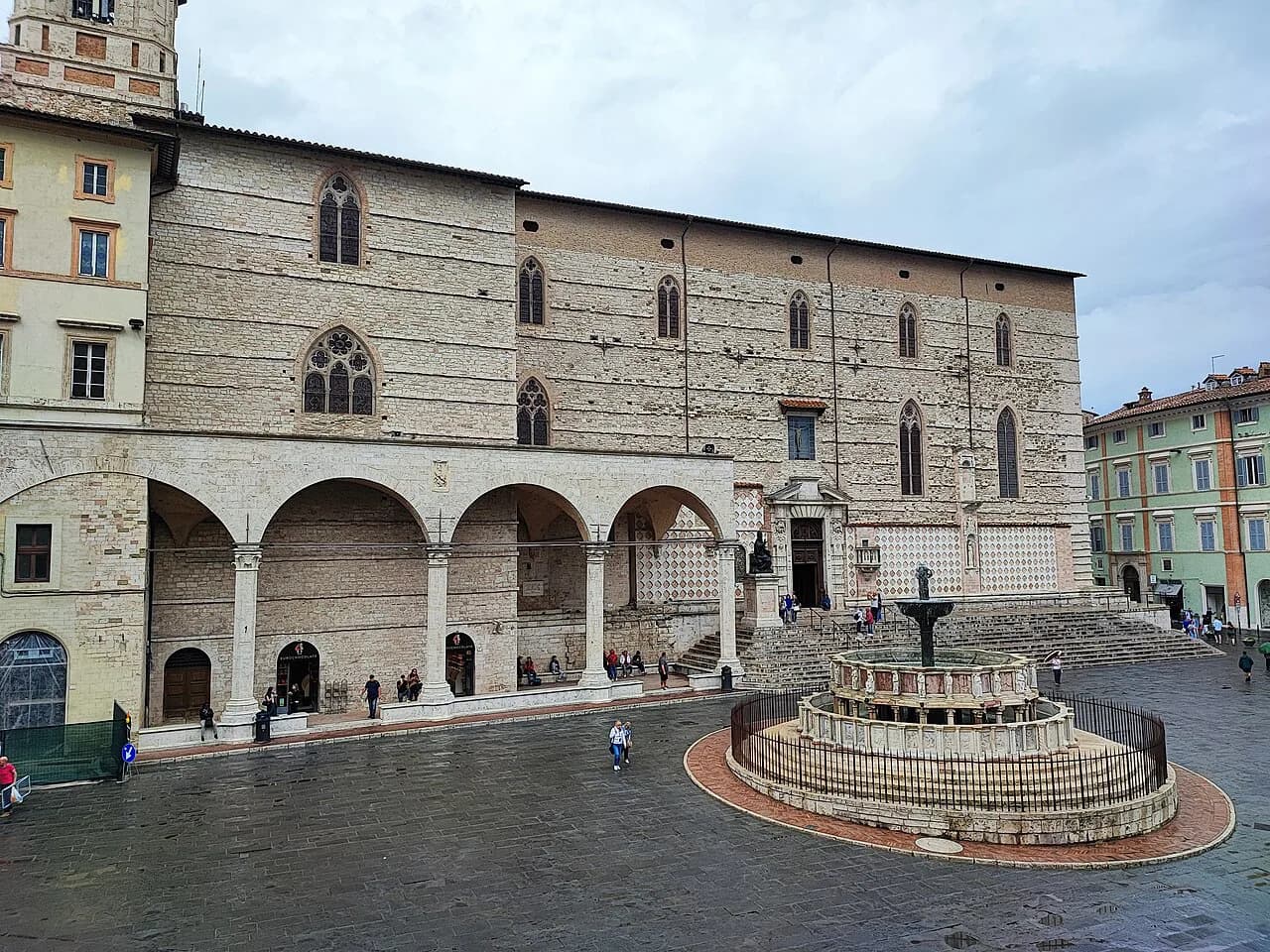
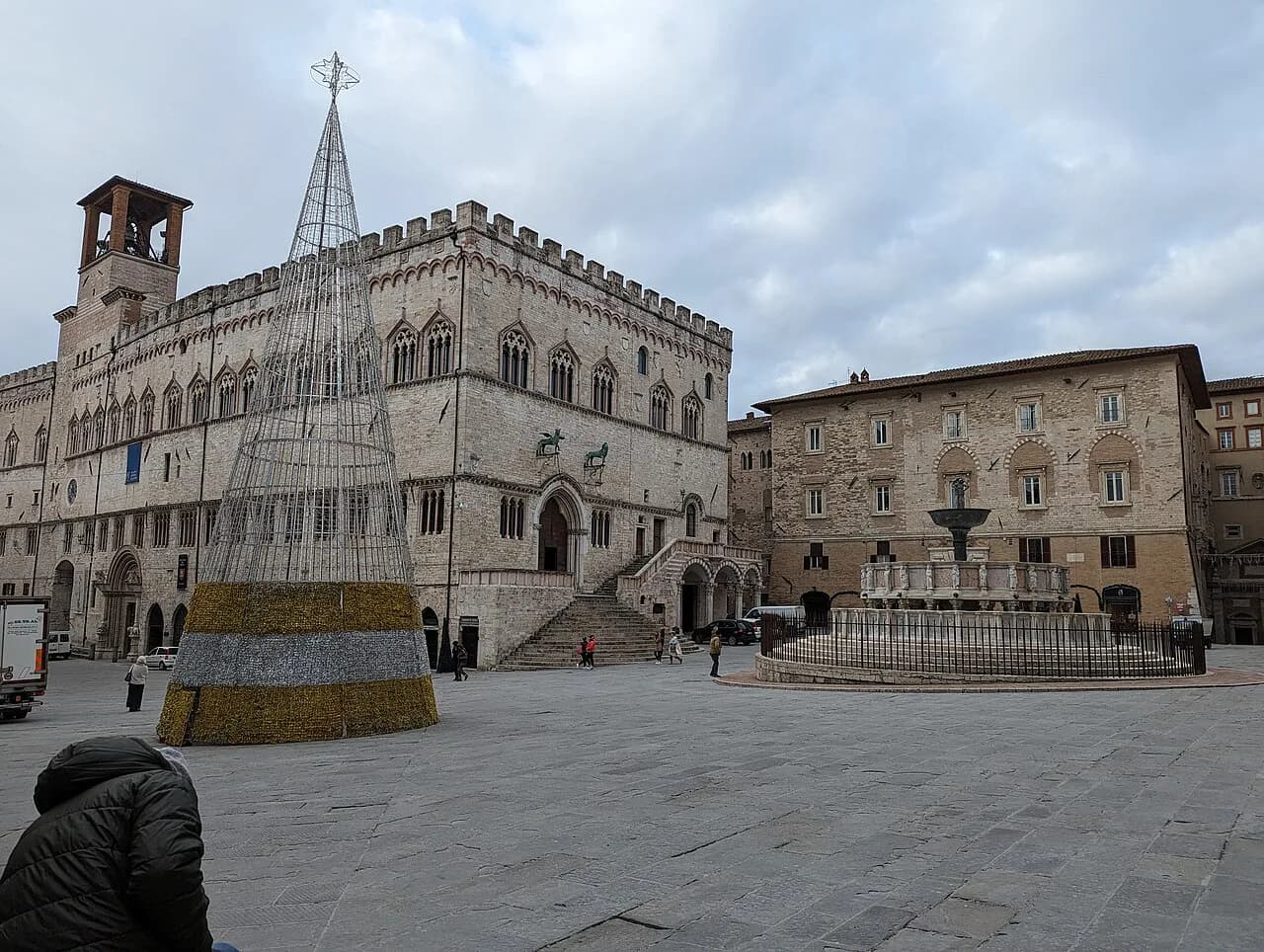
The area around Piazza Giacomo Matteotti is the practical anchor: it sits in the heart of the historic centre, close to the main monuments, and the short Corso Mazzini runs from it up towards the Corso Vannucci promenade. That makes the piazza a natural first stop on an evening walk, since you can sit outside and watch the city's evening passeggiata without committing to a full meal.
Beyond that, the older streets off Corso Vannucci hold the bulk of the city's cafés and small kitchens, including the ones worth planning a whole meal around in our guide to the best restaurants in Perugia. If your evening is going to run long, pick a table where you can sit rather than perch, because Perugian aperitivo can stretch comfortably past an hour.
What to order at La Prosciutteria
The board is the reason to come: generous taglieri of Umbrian and Tuscan cured meats and cheeses, with prosciutto di Norcia among the selections, plus schiacciate ripiene, filled flatbreads, if you want something with more bulk. The porchetta di Bevagna, herb-roasted pork from the Umbrian town, is the signature item to try if it is on. The shop also sells preserves and products to take away, so you can buy what you tasted.
The setting does half the work: you enter from a large door on the piazza into a room hung with hams, then descend into what was once the palace cellar, with a brick vault and stone walls. Seats at the counter face the door, and the outside dehor sits just around the corner on Corso Mazzini. For a group, the informal room is well suited to a celebratory stop, and the house pitches itself at graduation parties in a university city.
What to drink
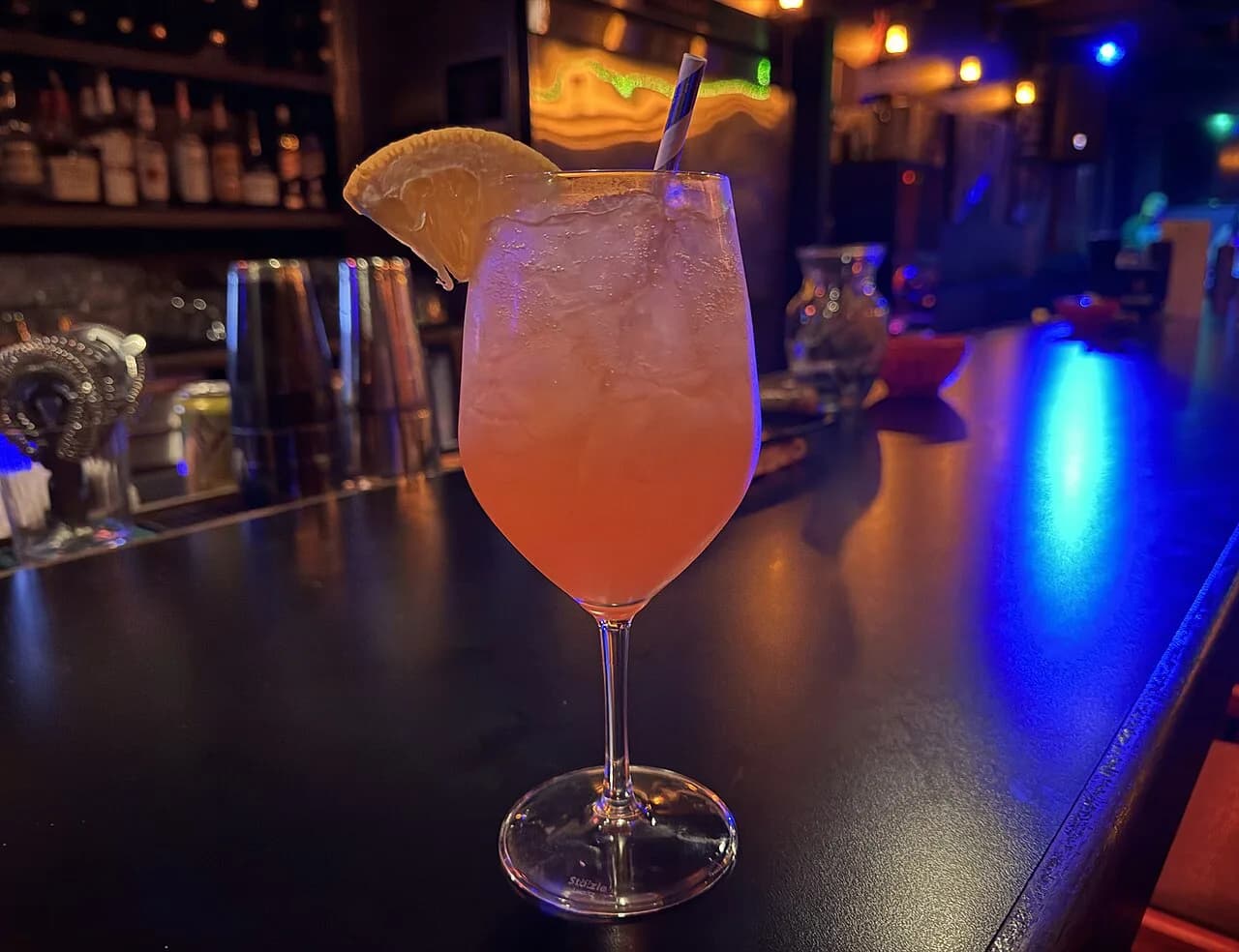
A spritz is a reliable choice in this part of Italy, bitter and relatively low in alcohol, doing the job of opening the appetite without weighing you down before dinner. A glass of local white from Umbria or neighbouring Tuscany is the quieter option, and a light red works if the evening turns cool. Portions are modest by design.
For something made to order, Perugia has bars built around the counter, including places where the bartender improvises a drink to your taste rather than working from a fixed list. The combinations can be unusual, such as bourbon with artichoke and coffee, or gin with smoked olives, and these are drinks to sip slowly rather than order in rounds.
Whichever you choose, keep it to one or two drinks and eat something alongside. The point of aperitivo is to arrive at dinner hungry but not ragged, and the salty snacks are there to help you do exactly that. Pace yourself: an Italian dinner can run late, and a heavy pre-dinner session ruins the meal you came for.
Fitting aperitivo into a day of eating in Perugia
Perugian lunches run long, so the timing that works is aperitivo at the far end of the afternoon, after lunch has settled and before dinner begins. If you have eaten a full plate of pasta at two in the afternoon, a board at six is a mistake; a drink and a few olives is not. If lunch was light, the board is the better choice and you can push dinner later.
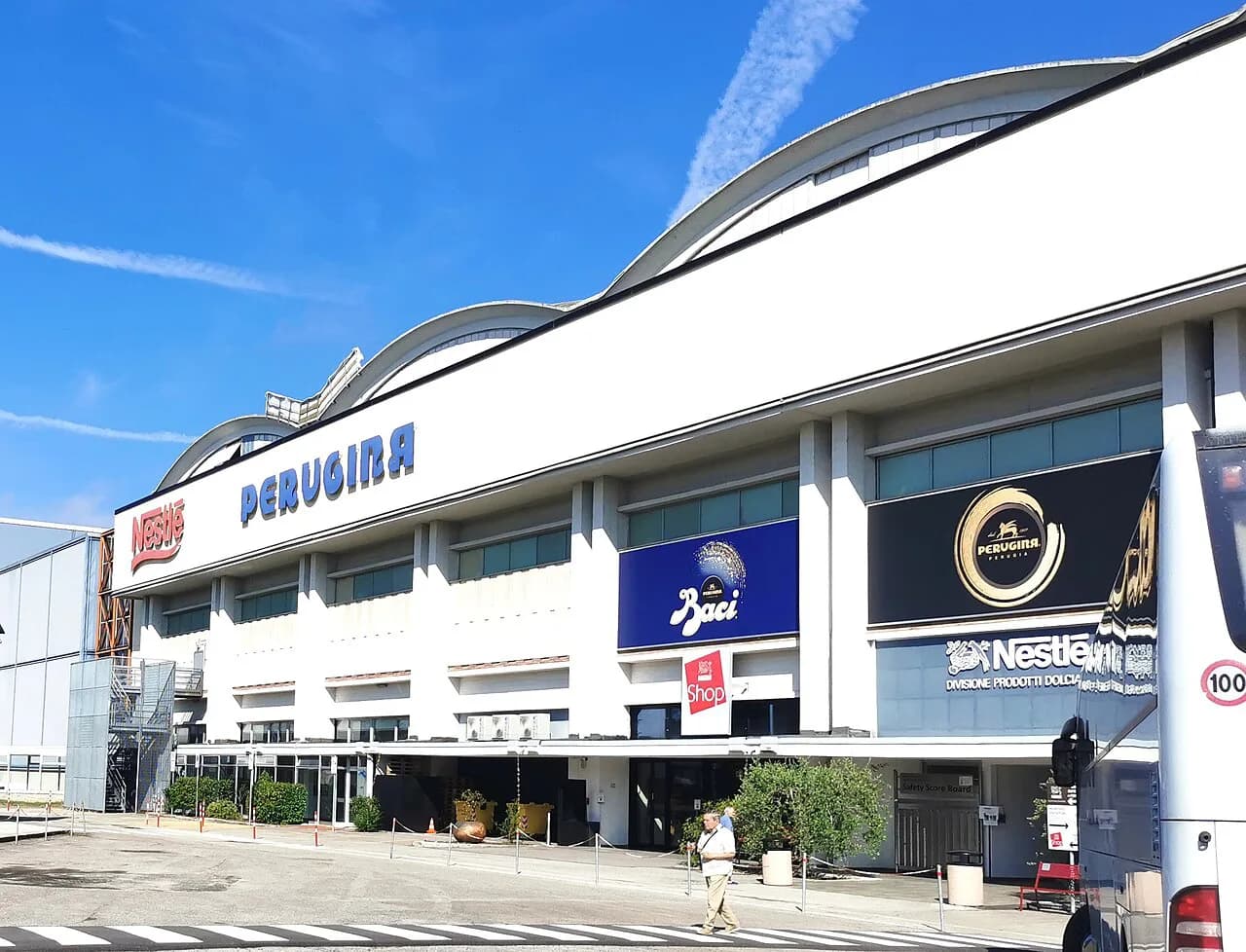
Plan the rest of the day around that gap. A morning walk, a late lunch, an aperitivo near Piazza Matteotti, then dinner at nine is the rhythm the city itself keeps, and it leaves room for a stop for Perugia chocolate in the afternoon without spoiling your appetite. If dinner is pizza, keep the aperitivo light and save the board for another day.
If you are eating your main meal at lunchtime, use aperitivo as the evening itself: one drink, one shared board, and an early night. That is a perfectly respectable way to spend an evening in Perugia, and it costs considerably less than a restaurant dinner.
Board or buffet: which aperitivo suits your evening?
Choose a drink with a few snacks if you want a short stop before a late dinner; choose a board at a salumeria like La Prosciutteria if the aperitivo is effectively your evening meal or you are sharing with a group. The board costs more and fills you up, so it only works if you push dinner back or skip it.
Either way, go early in the evening, sit if you can, and order one drink before deciding on a second. That is the whole ritual, and it is a better use of an evening in Perugia than rushing straight from afternoon coffee to a full dinner.
Explore more Perugia food guides
Frequently Asked Questions
What time does aperitivo start in Perugia?
Aperitivo in Perugia generally begins in the late afternoon and runs into the early evening, ahead of a dinner that starts late by British or American standards. Exact serving times vary by venue.
Do you pay extra for the snacks with an aperitivo drink?
It depends on the model. Where snacks come with the drink, the cost is built into its price. At salumerie where you order a tagliere, a sharing board of cured meats and cheeses, the food is a separate, priced item from the drink.
Should you tip for aperitivo in Perugia?
Tipping is not expected on top of the bill. Watch instead for coperto, a per-person cover charge that appears on seated bills in much of central Italy and covers bread and service. Counter service, such as coffee standing at the bar, normally avoids it.
Can you have aperitivo without drinking alcohol?
Yes. Italian bars routinely serve alcohol-free aperitivi, from a non-alcoholic spritz to bitter soft drinks and fruit juices, and the snacks come the same way. Ask for un analcolico, an alcohol-free drink, if the menu is not clear.
Sources
Notes for your next meal in Italy
Optional updates to our food guides.
You might also like
Continue reading
More guides you'll find useful