Best Pasta in Bergamo: Casoncelli, Rafioli & Where to Eat
Bergamo's pasta is casoncelli with butter and sage, plus the older rafioli. Here are the local shapes, what is in them and where to eat them in the city.
On this page
The best pasta in Bergamo is casoncelli, stuffed crescents of fresh egg dough served with butter and sage, and the older local shape is rafioli di Sant'Alessandro, a larger stuffed pasta tied to the city's documented past. Order casoncelli if you want one plate that sums up Bergamo; order rafioli if you want the deeper cut. This guide separates the two shapes, explains what goes inside, and names the osterie that serve them across Città Alta and Città Bassa, so you can pick by neighbourhood and by style of meal.
Bergamo has been a UNESCO Creative City for gastronomy since 2019, the third Italian city after Parma and Alba, and that badge reflects a mountain larder of cheeses and cured meats rather than a single famous dish. The pasta follows the same logic: fillings built from local cheese, bread and meat, sauces kept short so the butter and sage do the talking.
What pasta to order in Bergamo: casoncelli and rafioli
Casoncelli are the shape to know: small half-moon parcels of fresh pasta, stuffed and then dressed with melted butter and sage. The filling shifts from kitchen to kitchen, usually cheese, breadcrumbs, egg and cured pork, which is why two plates in two osterie taste noticeably different. Look for them as the first course on almost any traditional menu in the city.
Rafioli di Sant'Alessandro are the older point of reference. The spelling with one f is the local one, and the dish is tied to a documented dispute in 1187 that contains the first known mention of ravioli in Italy, alongside a list of provisions for making them: mutton, wine, bread, flour, eggs, pepper, salt and wood. Order the dish for what it is now, a large stuffed pasta still served in a handful of old kitchens.
Casoncelli: stuffed pasta with butter and sage, and what is inside
Good casoncelli hold their shape after boiling, and the sauce should be a glossy emulsion of butter rather than a pool of it. The sage is fried briefly in that butter, which is why the aroma reaches the table before the plate does. Ask what the filling is on the day; many kitchens change it with the season and with what the cheese producer has delivered.
The fillings lean on the surrounding valleys. Formai de Mut, a mountain cheese from the Brembana area, turns up both as a filling and as a dressing ingredient, and Taleggio, Bitto and Gorgonzola all come from within the province, part of the nine DOP cheeses counted around Bergamo. That dairy range matters more than any single recipe, because it gives every kitchen a different set of flavours to build with.
Rafioli di Sant'Alessandro: Bergamo's older stuffed pasta and where it is served
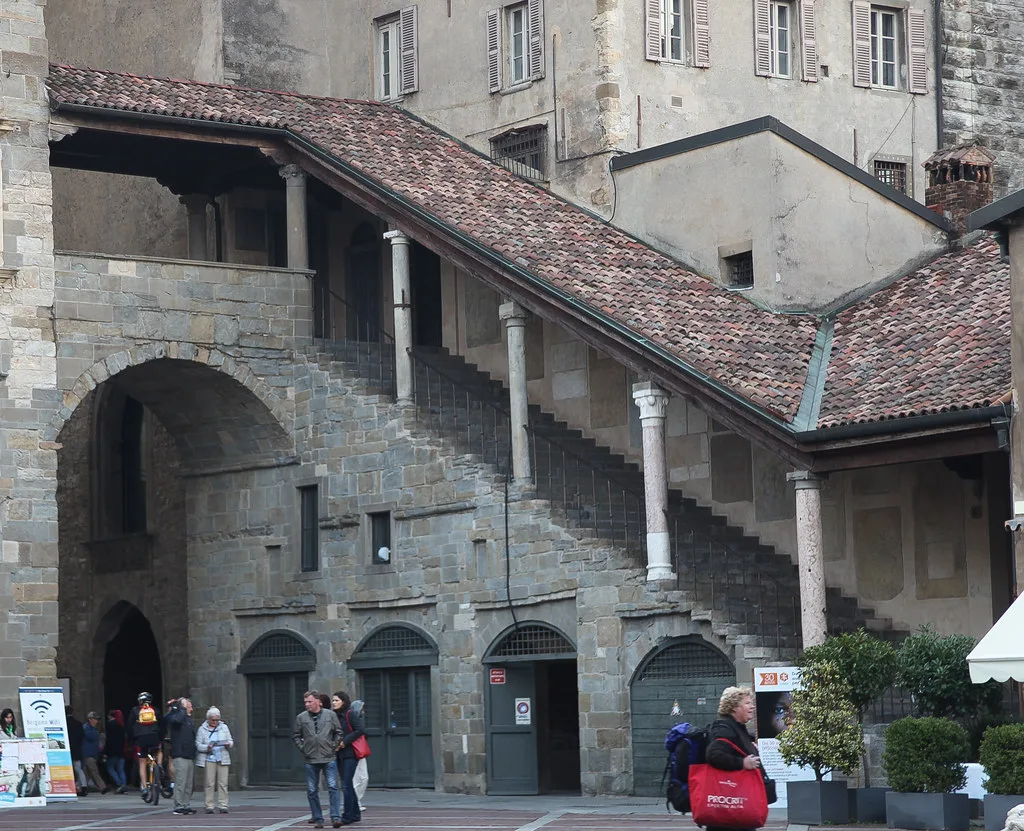
Rafioli di Sant'Alessandro are the plate to seek out if you want something you cannot order elsewhere. The dish is larger and usually more rustic than casoncelli, and the kitchens that serve it tend to be the ones with a long memory of the city's food. It appears on menus as a first course, so order it before a meat or polenta main rather than alongside one.
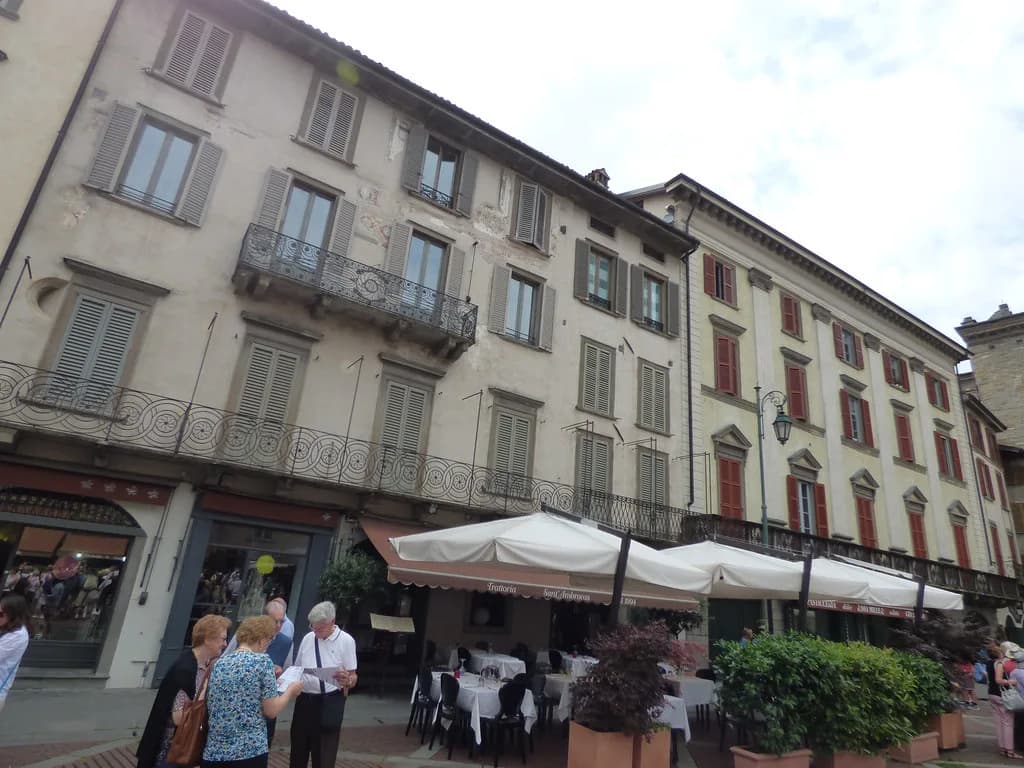
Il Sole is the long-standing osteria in the city centre associated with a recipe kept close to the original, and the wording 'Ad solem in platea' appears in the city's first surviving list of osterie and alberghi from 1527. Whether you treat that as heritage or marketing, it is the address most often pointed to for a faithful version of the dish. Book ahead if you are set on the rafioli, since the older rooms fill quickly at weekends.
Osteria Al Gigianca in Città Bassa: casoncelli and the giant Bergamasque sheep
Osteria Al Gigianca sits on Via Broseta in Città Bassa. The kitchen, run by Alessia Mazzola with Gigi Pesenti, builds its menu around nearby farmers and cheesemakers rather than imported ingredients. Casoncelli are the traditional first course here, but the kitchen is just as associated with pecora gigante bergamasca, the giant Bergamasque sheep breed it helped bring back onto city menus.
If you order the sheep, expect a richer main than pasta, often grilled or slow-cooked and served with bitter greens or polenta. That makes Al Gigianca a good choice if you want one plate of casoncelli followed by something distinctly local, rather than a full pasta tasting. Walk here from the lower town's shops and cafés, or take the bus up to Città Alta afterwards if you are heading for the walls.
Osteria Tre Gobbi: the city's oldest osteria and its casoncelli
Osteria Tre Gobbi on Via Broseta is presented as the most ancient osteria in Bergamo, founded in 1855, and its kitchen keeps classic local dishes alongside modern ones. Casoncelli appear as a house staple, listed simply as casoncelli di mamma e papà, which tells you the recipe is a family one rather than a restaurant invention. The chef, Filippo Cammarata, trained under Niko Romito and Massimo Bottura, and the menu also runs to tasting menus with vegetarian options.
This is the pick if you want pasta and something more ambitious in the same sitting. The dining room is on the ground in Città Bassa, and a summer terrace extends the meal outside. For a cheaper, plainer plate, the trattorias in Bergamo will do the job; for casoncelli with a bit of technique behind them, this is worth booking.
Baretto San Vigilio in Città Alta: hand-made casoncelli with Formai de Mut
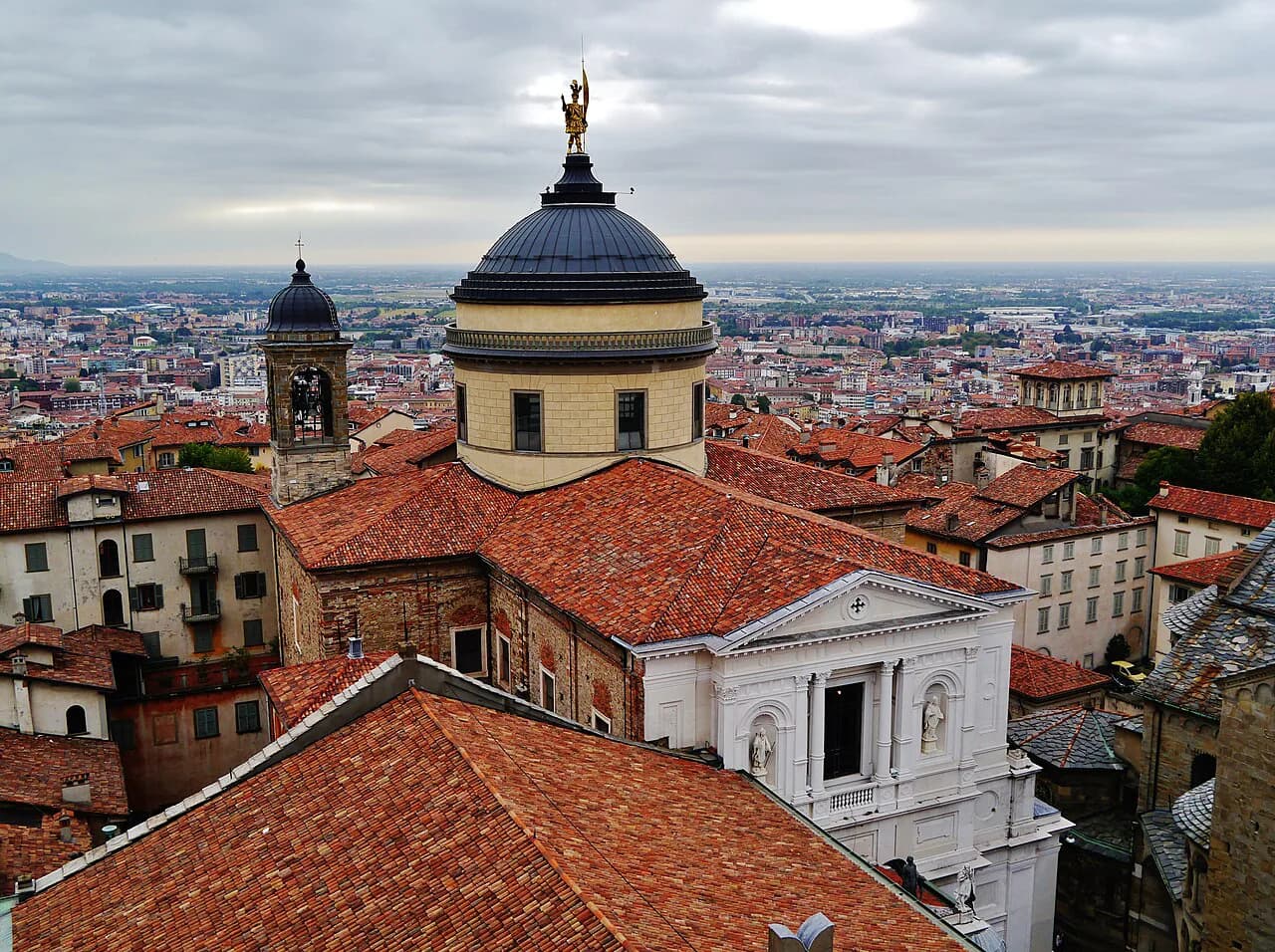
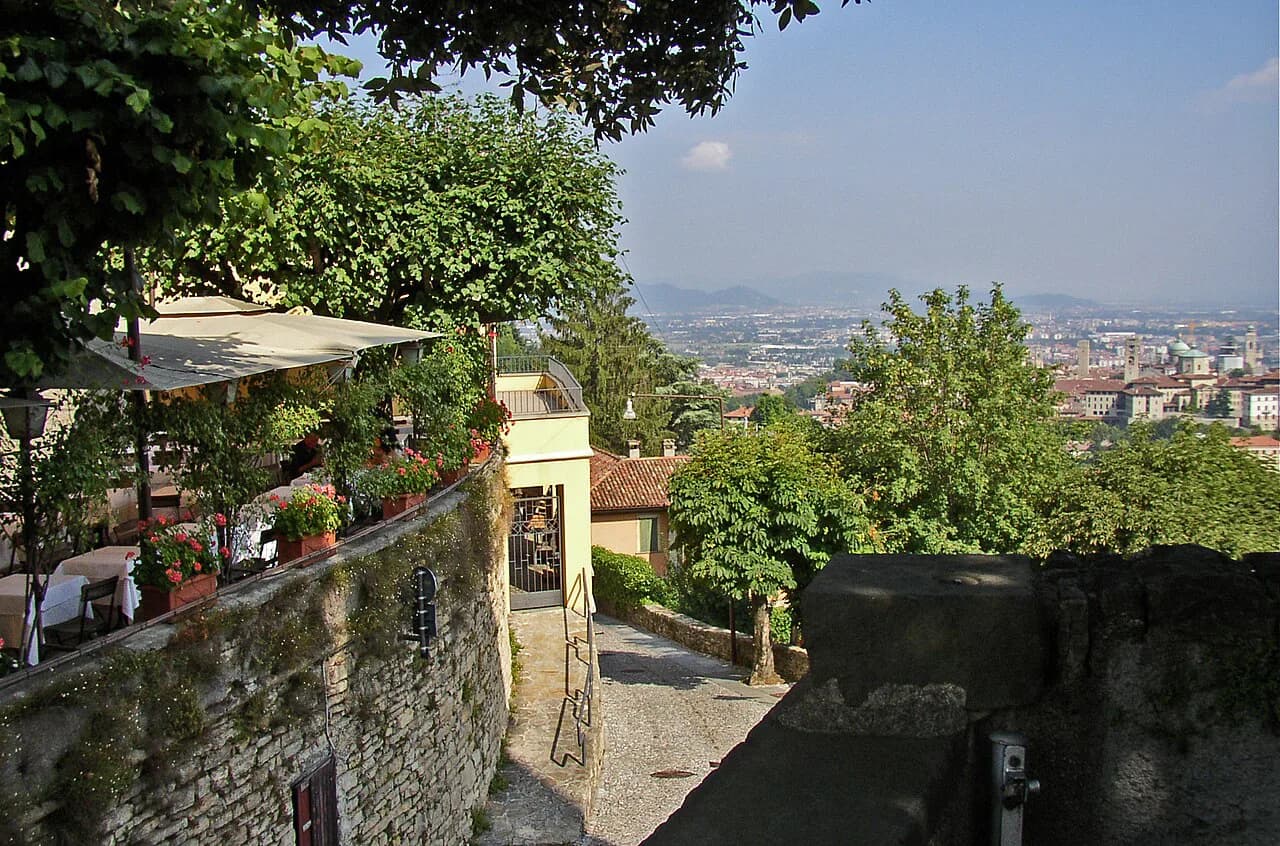
Baretto San Vigilio, beside the historic funicular on Via al Castello, is the most convenient place to eat casoncelli if you are already up in Città Alta. Its version is made by hand and dressed with butter and Formai de Mut, the mountain cheese from the Brembana valleys, which gives the sauce a sharper, nuttier edge than a standard casoncelli. The kitchen also serves casoncelli as a first course alongside mains such as monkfish with a caciucco-style sauce.
The terrace has a view over the upper city, and the place works for a long lunch as well as an evening meal. Because it sits by the funicular, it fits naturally into a day that ends with a walk along the Venetian walls. Reserve in the evening, especially in summer, and treat the view as part of the price rather than a reason to expect a cheap plate.
Il Sole: a long-standing osteria serving rafioli close to the original recipe
Il Sole is the address to keep in mind for rafioli made in a way that stays close to the historical recipe, rather than a modern reinterpretation. The osteria's name appears in Bergamo's first official list of inns and taverns from 1527, so this is a kitchen that has been trading in the same trade for centuries. Order the rafioli as your first course and follow it with a local cheese or cured meat to see the rest of the larder.
If you want to compare the two shapes in one day, eat casoncelli at Baretto San Vigilio in Città Alta and rafioli here, or pick one depending on how much time you have in the upper and lower city. The older osterie are small, so a phone call the day before is the practical move rather than a sign of over-planning.
How to order pasta in Bergamo: portions, coperto and the bill
Pasta in Bergamo is a primo, a first course, not the main event. That means a plate of casoncelli or rafioli is sized for one person and followed by a second course, which is why sharing a single plate is unusual in a restaurant. If you want one big meal instead, order a pasta dish and an antipasto of local salumi rather than a double portion.
Expect a coperto, a small per-person charge for bread and service, on almost every bill, and check whether it is already included before you tip. This is normal practice in the province and not a tourist trick. To start your day properly before a pasta lunch, the café culture in Bergamo runs on the Italian rhythm, with a coffee standing at the bar and a pastry in the morning.
Bergamo in the kitchen: nine DOP cheeses and the mountain larder behind the pasta
Bergamo counts nine protected cheeses within and around its province, among them Formai de Mut, Taleggio, Bitto, Grana Padano, Gorgonzola, Quartirolo Lombardo, Provolone Valpadana, Salva Cremasco and Strachitunt. That list is the real reason its pasta tastes of something: fillings and sauces are built from dairy made a short drive into the valleys. Look for the cheeses on menu descriptions and on the salumi boards that often open a meal here.
The larder goes beyond cheese. Slow Food presidia and small farms around the city supply herbs, cured meats and the giant Bergamasque sheep, while the surrounding valleys also hold the smallest wine DOCG in Italy, Moscato di Scanzo. None of that is a reason to skip the pasta, but it explains why a plate of casoncelli followed by local cheese is the natural order of a meal in Bergamo.
Which plate to order first
Start with casoncelli, because it is the shape that defines the city and it is on almost every traditional menu. Eat it in Città Alta at Baretto San Vigilio if you want the view, or in Città Bassa at Osteria Tre Gobbi or Al Gigianca if you want a longer sit-down meal. Then, if you have another night, seek out rafioli di Sant'Alessandro at Il Sole and taste the older version.
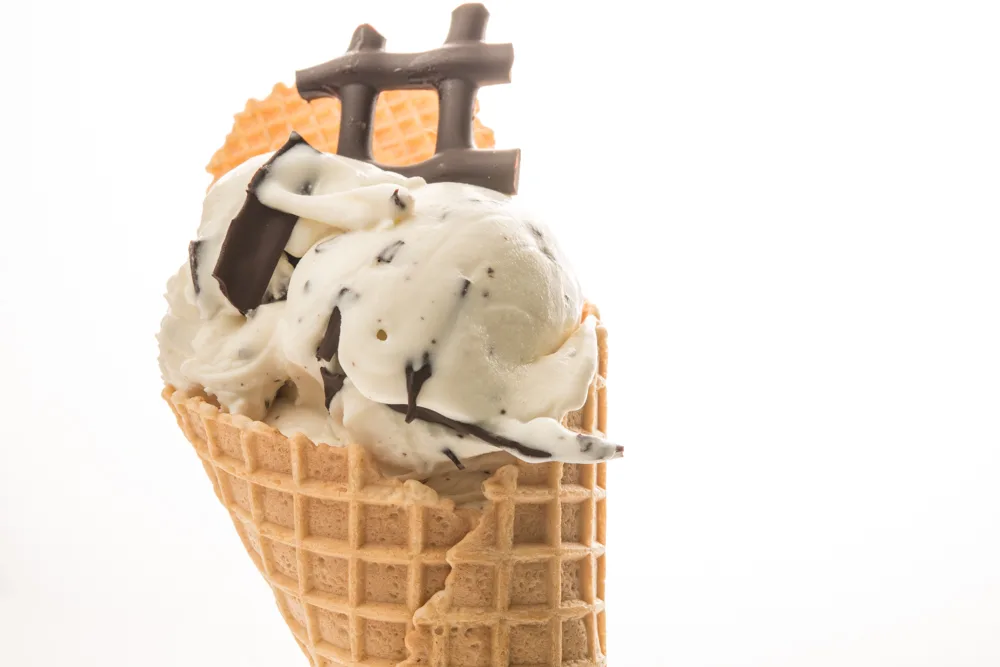
Book the smaller osterie the day before and keep the cheese board for the end. If you want to try other dishes in the same neighbourhood, the guide to the best restaurants in Bergamo covers the rest of the city, while pasta is only the first course of a day that opens at a café and finishes with gelato.
Explore more Bergamo food guides
Frequently Asked Questions
What is the difference between casoncelli and rafioli?
Casoncelli are small stuffed crescents of fresh pasta served with butter and sage, and they are the standard first course in Bergamo. Rafioli di Sant'Alessandro are larger, older and less common, tied to the city's written records from the twelfth century and served in a handful of old osterie. Order casoncelli for the typical version, rafioli for the historical one.
Can I eat well in Bergamo without booking?
At lunchtime, yes, especially in Città Bassa, where osterie and trattorias turn tables fairly quickly. In the evening and at weekends, the traditional osterie in Città Alta fill up, so a call ahead is sensible. If you are set on a specific plate, reserve rather than gamble.
Where do I find the pasta in Città Alta?
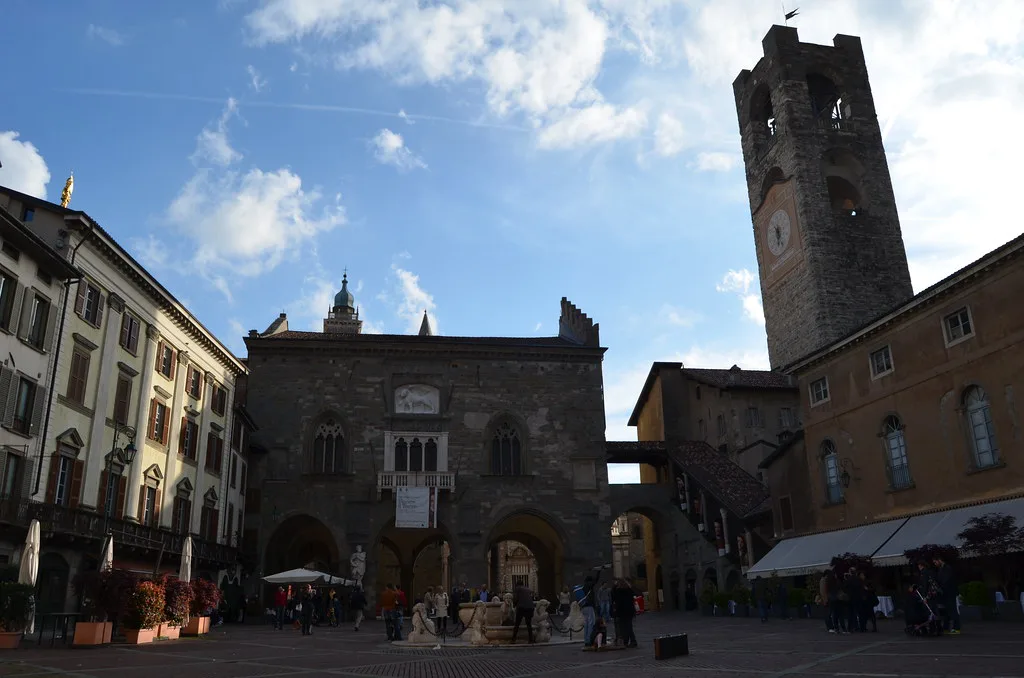
Baretto San Vigilio, beside the funicular, serves hand-made casoncelli with butter and Formai de Mut and has a terrace with a view. Città Alta is small, so the main square and the streets around it hold most of the cafés and restaurants. Come up by funicular or bus rather than driving, since the upper city is pedestrian and has restricted traffic.
Sources
Notes for your next meal in Italy
Optional updates to our food guides.
You might also like
Continue reading
More guides you'll find useful