Casoncelli in Bergamo: What to Know Before You Order
Casoncelli are Bergamo's crescent-shaped filled pasta, stuffed with meat, sausage and herbs and dressed with butter and sage. Here's what's inside and how to order.
On this page
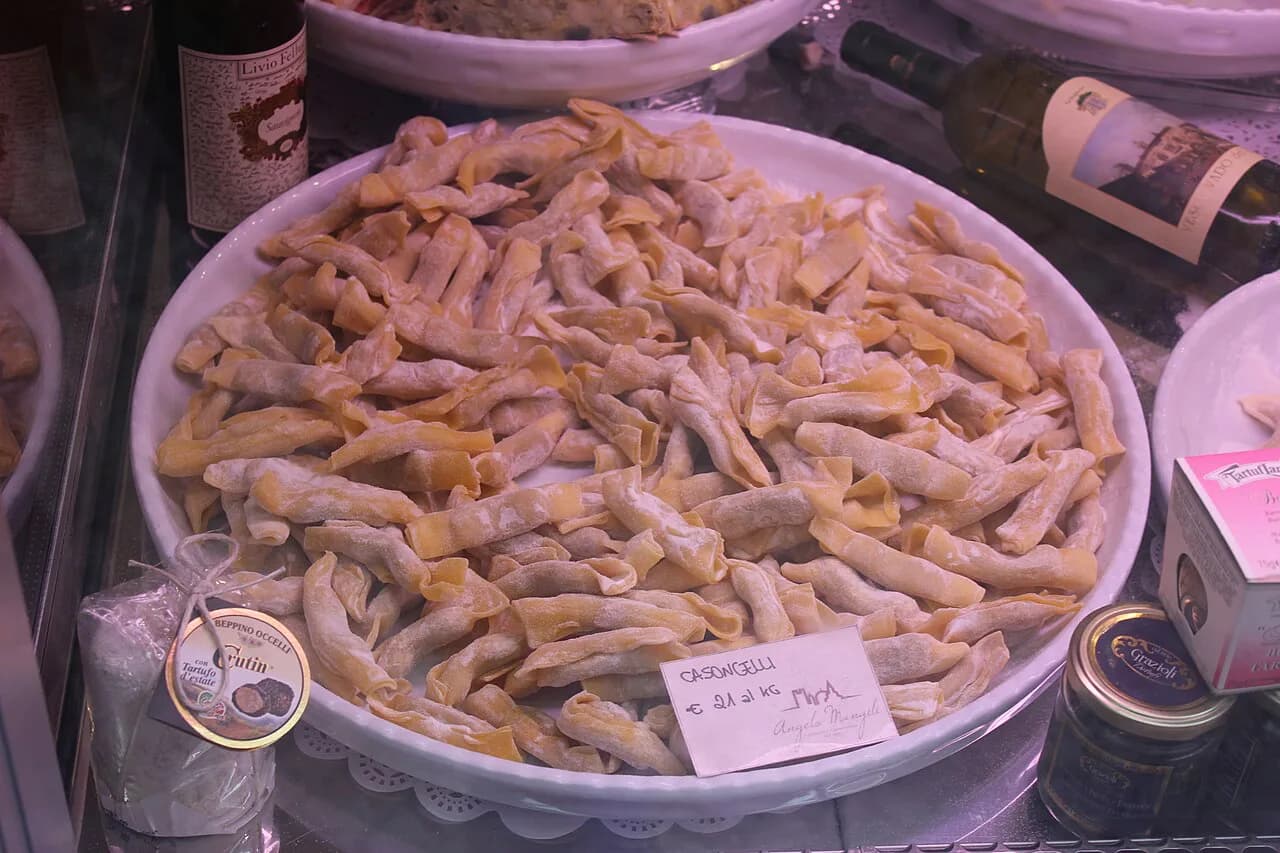
Casoncelli are a crescent-shaped fresh filled pasta from the provinces of Bergamo and Brescia, commonly served with melted butter and sage. On a Bergamo menu they are a first course, not a side, and a plate is usually enough for a lunch before you head up to the upper town.
The filling is savoury and rich. The Bergamo recipe codified by the Lombardy region in 1997 uses salami paste, beef, eggs, lemon zest, garlic, pear and nutmeg, while many home and restaurant versions add erbette (a mild leafy green), sausage and mortadella. The Brescia version leaves out the cured meats and adds bread, broth and parsley. Below is what each element does, how the parcels are sealed, and how to read the named variants when you order.
What casoncelli are
Casoncelli are a stuffed fresh pasta from eastern Lombardy, made with flour and eggs and shaped into a half-moon. They are recorded in the region from the Middle Ages, and the fillings change from town to town while sharing the same basic formula of meat, grana and herbs. In Bergamo they are a local staple rather than a restaurant novelty.
The recipe given in the Codice della cucina lombarda mixes flour with some semolina, which gives the dough a little more bite than a plain egg pasta. That matters because the filling is dense and the butter dressing is rich; a softer dough would collapse under both.
What is inside the Bergamo filling
The codified Bergamo filling combines salami paste, beef, eggs, lemon zest, garlic, pear and nutmeg with pepper. The pear and lemon zest cut through the fat of the meat, while the nutmeg gives the mixture a warm, slightly sweet note. Sale&Pepe's own recipe for the dish instead uses erbette, a mild leafy green, sausage and mortadella, which keeps the filling from tasting purely of meat.
The recipe published by the Lombardy region in its Codice della cucina lombarda in 1997 uses salami paste, beef, eggs, lemon zest, garlic, pear, nutmeg and pepper. It is a useful reference point: if a menu says casoncelli alla bergamasca, this is broadly the filling to expect, though each kitchen will vary the proportions.
In Sale&Pepe's recipe, mortadella appears alongside the sausage as a fine mince, adding softness and salt. It is one home-style take rather than the codified regional recipe, so expect the plain casoncelli to vary from kitchen to kitchen.
How the Brescia version differs
Casoncelli alla bresciana drop the cured meats from the filling and add bread, broth and parsley instead. The result is lighter and more herbal, closer to a bread dumpling than to a meat parcel. If you prefer a less rich first course, this is the version to choose.
In Brescia the dough is made without semolina, so the pasta is more tender and the filling softer. The two versions look similar on the plate, so read the menu name carefully: alla bergamasca signals the meat filling, alla bresciana signals the bread and herb one.
How casoncelli are served
The standard dressing is melted butter with sage, finished with grated grana. The butter should be hot and foaming when it meets the pasta, and the sage leaves are left whole so they crisp slightly. This is not a tomato-sauce dish, and asking for one would miss the point.
Some kitchens add diced pancetta to the butter, which gives a saltier, smokier finish. Others put amaretti in the filling, a variant that brings a sweet note to the meat mixture. Both are named variants rather than the default, so treat them as a style of the dish, not the standard plate.
A plate of casoncelli is substantial: the filling is meat-based and the dressing is butter and cheese. Order them as a first course and keep the second course light, or share a plate if you plan on polenta later. They pair well with a glass of white from the region, but the food is the main event.
The shape and how the pasta is made and sealed by hand
The dough is rolled into thin discs about six centimetres across, a spoonful of filling is placed in the centre, and the disc is folded over to make a half-moon. The two ends are then pinched together and the edge is sealed from right to left between thumb and forefinger. The result is a plump crescent with a slightly ruffled edge.
Fresh casoncelli cook in salted water in about two minutes, so they are usually made and served the same day. That short cooking time is one reason the filling must be fully cooked and well seasoned before the parcels are sealed.
Casoncelli on a menu in Bergamo
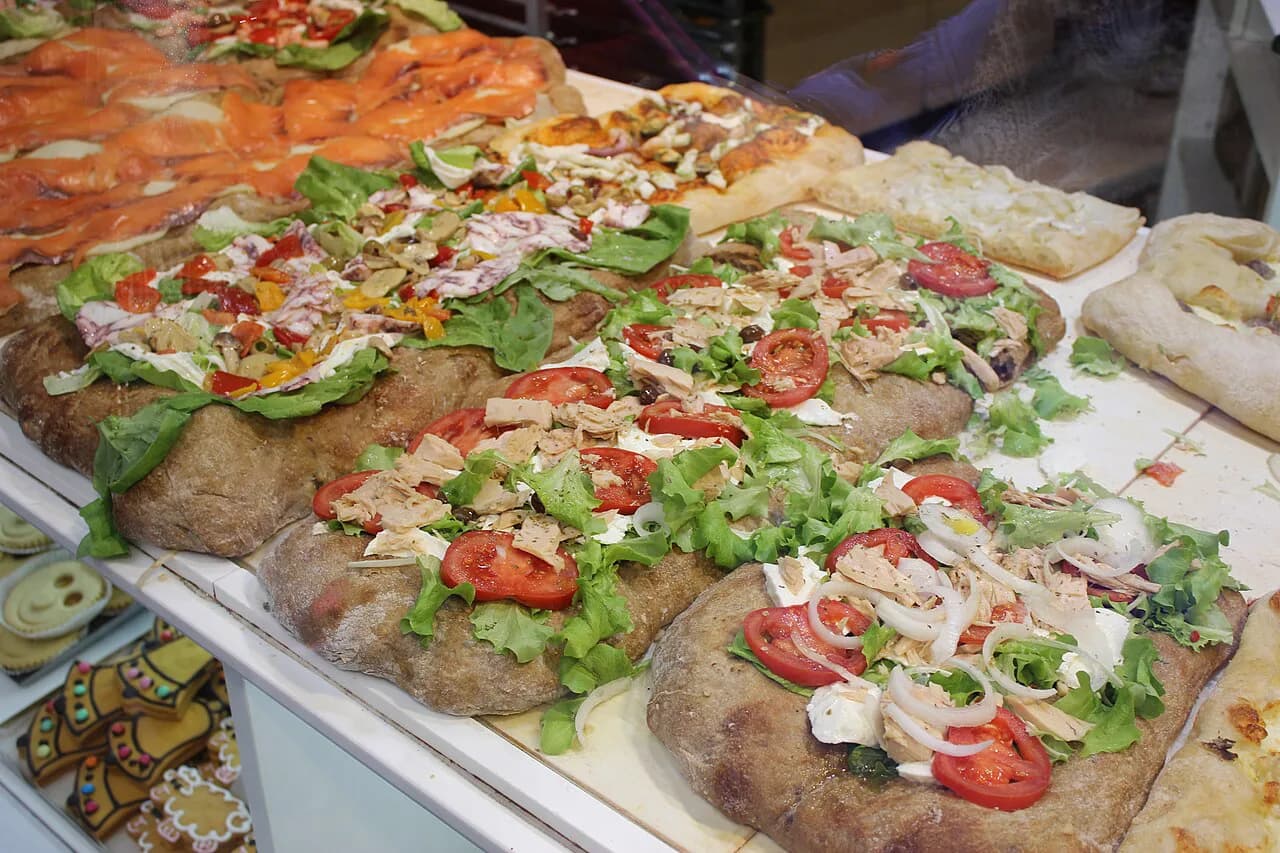
In Bergamo, casoncelli appear on menus alongside polenta, which is the other local staple. The pairing gives you a simple structure for a meal: casoncelli as a first course, then a secondo of meat or cheese with polenta. If you want pizza instead, the best pizza in Bergamo is a separate decision and best kept for another meal.
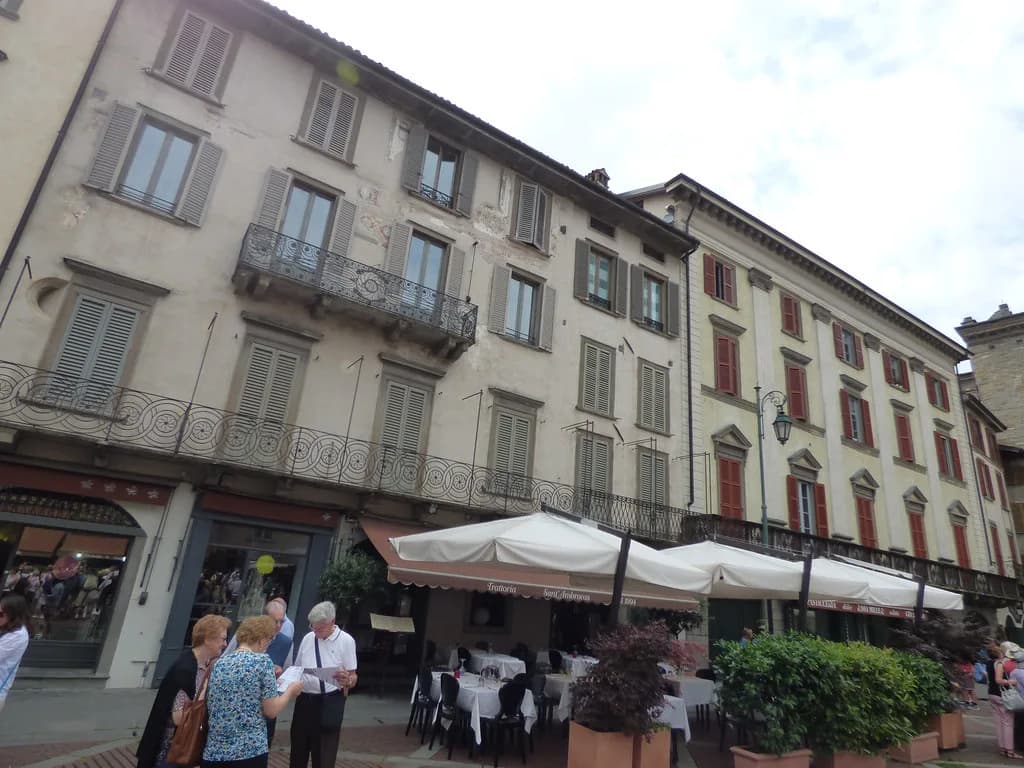
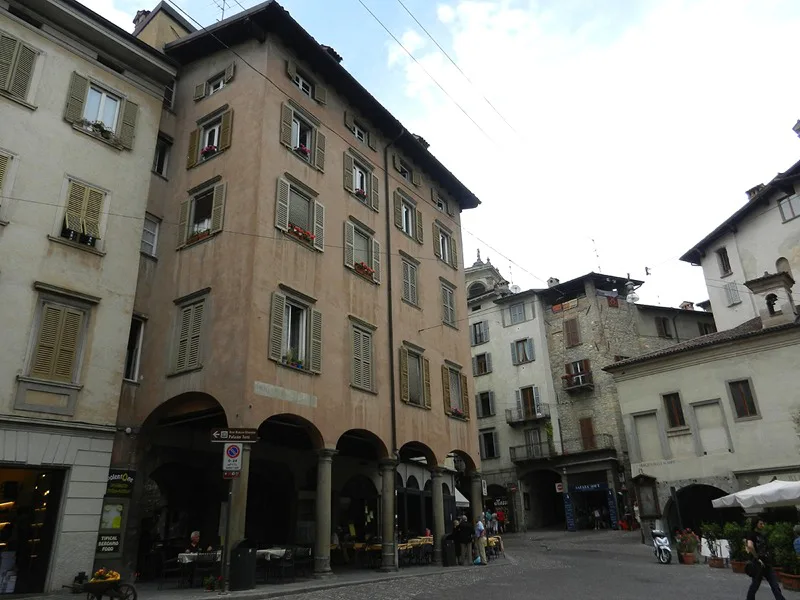
In Città Alta, the upper town, the trattorias tend to be small and the menus shorter. That usually means one casoncelli dish rather than several, so the version on offer is the kitchen's own. If you want a wider choice of pasta shapes, a trattoria may not be the right stop.
Reading the menu: bergamasca, bresciana and the named variants
A menu may list casoncelli alla bergamasca, casoncelli alla bresciana, casoncelli with amaretti, or a meat version with beef and sausage. The name tells you which filling tradition the kitchen follows, not the quality of the dish. If you want the classic Bergamo experience, start with the bergamasca.
A vegetarian casoncelli, sometimes called casoncelli bresciani with a vegetable filling, also appears. It is a different dish from the meat version and worth ordering if you want the pasta without the cured meats. Ask which filling is used rather than assuming.
The price of a plate varies by kitchen and setting, so there is no reliable fixed figure to quote. Check the menu at the door or ask before you sit down, especially in the upper town where the tourist traffic is heavier.
Eating them in Bergamo's upper town
Città Alta is where casoncelli and polenta are most often served together as the local staples. The lanes around the centre hold small kitchens rather than large dining rooms, so a table at lunch is easier than at dinner. If you want to try the dish before a walk, aim for lunch.
If you want to make casoncelli at home after the trip, the process is long but not complicated: make the dough, cook and cool the filling, then shape and seal each parcel by hand. A cooking class in Bergamo can show you the folding and sealing technique before you try it in your own kitchen.
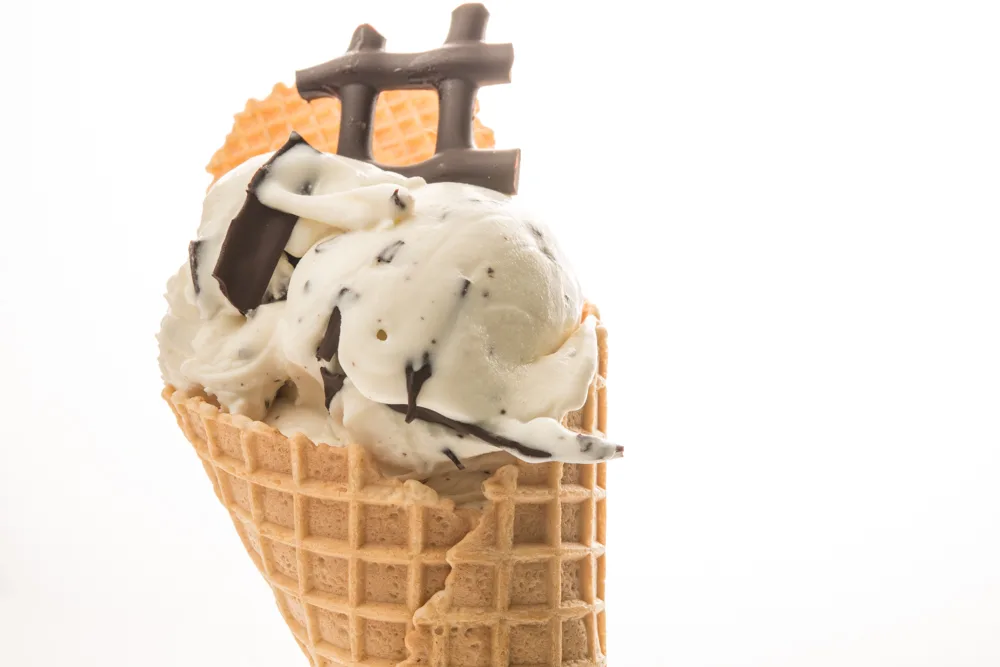
Finish the meal with a coffee or a gelato in the upper town rather than a heavy dessert, since the casoncelli are already rich. Either is a better match for the butter and sage than a second plate of cake.
Which casoncelli to order first
Start with casoncelli alla bergamasca if you want the meat filling with butter and sage, and choose the bresciana version if you prefer a lighter, bread-based filling. Read the menu name to know which one you are getting, and keep the rest of the meal simple.
Frequently Asked Questions
How do you pronounce casoncelli?
The stress falls on the second syllable: ca-son-CELLI, with a hard c as in 'cat' and a clear double l. In Bergamo dialect the word is often written casonsèi, which reflects the local pronunciation.
Sources
Notes for your next meal in Italy
Optional updates to our food guides.
You might also like
Continue reading
More guides you'll find useful