Pastry Shops in Verona: Pandoro & Nadalin Guide
A guide to Verona's pastry shops and what to order, from Nadalin and pandoro at Christmas to brioche and caffè at the morning bar in Borgo Trento.
On this page
Verona's sweetest speciality is the Nadalin, a compact star-shaped enriched bread topped with almonds and pine nuts, and the shops that make it well are the ones worth planning a morning around. Flego, Tomasi and Segala are the names that come up most often, with Iginio Massari's gallery on Corso Sant'Anastasia close behind. This guide sorts the city's pastry shops by what they do best: a bar counter for a quick caffè, a table for a sit-down slice, or a box to carry home.
Prices vary by counter and by season, and the shops publish their own menus and hours, so check before you set out. What follows keeps to what each shop actually sells and how it works, so you can pick a stop that fits your morning.
Which Verona pastry shops are worth planning a morning around
Start with Flego if you want a single Veronese pastry experience that covers both the daily brioche and the Christmas loaves. Choose Tomasi if you want the Nadalin specialist. Pick Dal Fior or Café Carducci for a straightforward sit-down or bar-counter breakfast in a residential quarter. Segala is the one for a drive into the Valpolicella.
Away from the Christmas season, the city's pasticcerie sell the same brioche, mignon pastries and cakes they make all year, which is what most locals actually eat at 8am. Save the festive loaves for the weeks around December and treat the rest of the year as a chance to try millefoglie, sbrisolona and small filled pastries instead.
Pasticceria Flego: Nadalin, the star-shaped Veronese cake, and a weekend slice with chantilly cream
Flego is a Veronese institution with several shops, including Via Stella, Via Roma, Corso Porta Borsari and Viale delle Nazioni Unite, plus a laboratory on Viale Flavio Gioia, and it is the name most strongly tied to the Nadalin. According to a December 2025 magazine feature, the shop keeps to the historic recipe and serves a slice at weekends with chantilly cream, chocolate drops and a coffee or cappuccino. Treat that weekend service as the account of that feature, and confirm it at the counter.
For a visitor, the practical split is simple: sit down with a slice and a cappuccino if you want the full ritual, or buy a whole Nadalin to take away if you are travelling home. Either way, the pastry is rich, buttery and sweet, so it works better as a mid-morning stop than as a hurried pre-train snack.
Galleria Iginio Massari on Corso Sant'Anastasia: pandoro served at the table with crema pasticcera or zabaione
The Galleria Iginio Massari sits at the start of the old city on Corso Sant'Anastasia, on the way to the Gothic basilica, and it is the polished, elegant option on this list. A slice of pandoro or panettone can be ordered at the table with crema pasticcera (thick vanilla custard) or zabaione (a warm, foamy egg-and-wine cream), alongside coffee or a cappuccino.
This is the shop to pick if you want the sit-down, table-service version of a Veronese sweet morning rather than a quick bar stop. Come early, order a pastry and a coffee, and expect a more formal room than a neighbourhood pasticceria.
Pasticceria Dal Fior in Borgo Trento: brioche, mignon pastries and a caffè at the bar counter
Dal Fior has been in Borgo Trento since 1963, when Angelo and Franca founded it, and Massimo has run it alone since 2010. The shop is a full pasticceria with a caffetteria corner: brioche and cornetti for breakfast, miniature pastries, millefoglie, modern and classic cakes, leavened Christmas cakes and pralines, plus around 20 outdoor seats for the bar service.
Borgo Trento is a residential quarter rather than a sightseeing zone, so a stop here fits a walk along the Adige or a morning away from the crowds around the Arena. Order at the counter, drink your caffè standing if you are in a hurry, and take a box of mignon pastries away if you want to try several at once. If you are mapping a whole morning of eating, this pairs naturally with a wider tour of breakfast in Verona.
Café Carducci on Via Carducci: brioche (including vegan), sfogliatine and the sweet-and-savoury Colazione da Re
Café Carducci has been on Via Carducci for close to a century and is a neighbourhood caffetteria as much as a pasticceria. Expect brioche including vegan versions, mignon pastries, sfogliatine (flaky filled pastries), sbrisolona (a crumbly almond cake from Mantua), a torta del giorno and pane burro e marmellata. The menu also lists a Colazione da Re, a sweet-and-savoury breakfast.
This is the pick if you want a proper table, a coffee and something more substantial than a single pastry. It also offers salumi, cheeses, wines and a small kitchen, so you can turn a quick breakfast into a longer lunch stop if the day allows.
Tria on Via IV Novembre: a bakery with mescita, good for a coffee-and-pastry start
Tria on Via IV Novembre is a bakery with a mescita (a counter that serves drinks by the glass), a recent opening with a trio behind it, and it works well for a coffee and pastry breakfast. Expect several coffee options and freshly baked goods rather than the full pasticceria range.
Choose Tria when you want a casual, modern start and a bakery counter rather than a traditional pasticceria table. It is also a useful early stop if you are heading towards the Arena or the streets around Piazza Bra later in the day. If you want a proper sit-down lunch instead, look at the trattorias in Verona.
Pasticceria Tomasi on Corso Milano: a Veronese name attached to Nadalin
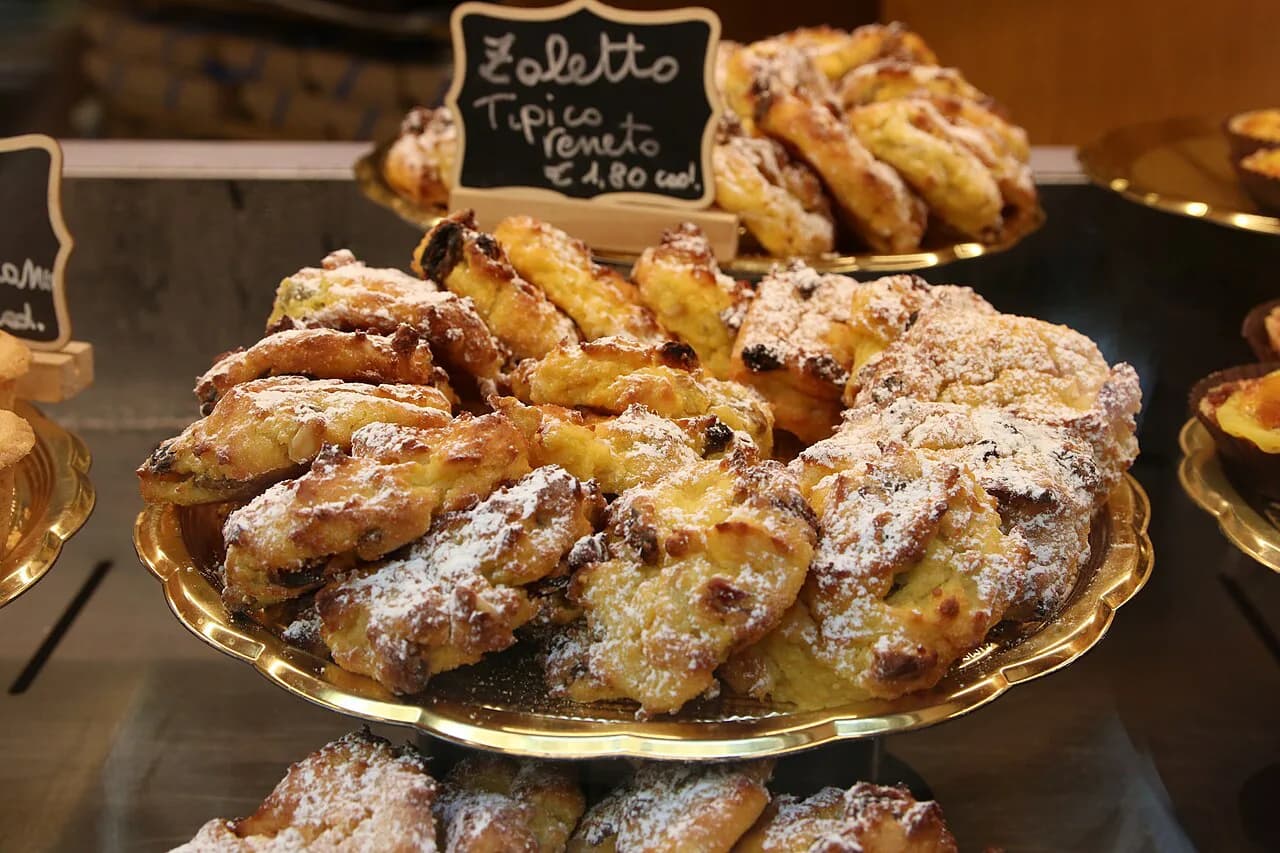
Tomasi on Corso Milano is the shop many Veronese associate first with Nadalin, and Gianni Tomasi has been working as a pastry chef since 1968. The shop bakes the loaf in the traditional eight-point star mould, which gives the cake its distinctive ridged top and makes it easy to slice into wedges.
Corso Milano is a short walk from the historic centre, so this is the most convenient of the specialist stops if you are staying near the Arena or the station. Buy a whole Nadalin here if you want to take one home, or ask for a slice if you are eating on the spot.
Pasticceria Segala at Cavalo di Fumane: the hand-shaped, almond-glazed star loaf
Segala, at Via Volpara 13/A in Cavalo di Fumane, began with the brothers Ubaldo and Luigi and an old wood-fired oven whose bread became known across the Valpolicella as Pane di Cavalo. The family's Nadalin follows nonna Elvira's recipe, is shaped by hand into a star, glazed with almonds and sugar and finished with icing sugar.
This is the one for a car. Cavalo sits north of Verona in the hills, so combine it with a drive through the Valpolicella rather than treating it as a city-centre stop. The shop also sells traditional cakes such as the Torta Sabbiosa and the Ciambelline della Nonna if you want something other than Nadalin.
If the drive takes you further into the wine country, the local red also turns up in the kitchen as risotto all'Amarone, made with Amarone della Valpolicella and Vialone Nano rice. That is a lunch plan, not a breakfast one, but it rounds out a Valpolicella day.
What Nadalin is, and how it relates to pandoro
Nadalin is a leavened Christmas cake with a denser crumb than pandoro, scented with yeast, butter and vanilla and traditionally baked in an eight-point star shape. It is often eaten warm, and its almond-and-pine-nut glaze gives it a nutty, slightly crunchy top that pandoro does not have.
Veronese tradition holds that the cake was created in 1260 for the Della Scala family, and that pandoro, patented by Melegatti, grew out of an attempt to industrialise the older Nadalin recipe. Present those as claims rather than settled history, and taste both before deciding which you prefer.
What to order if it is not Christmas: brioche, mignon pastries, sbrisolona and millefoglie
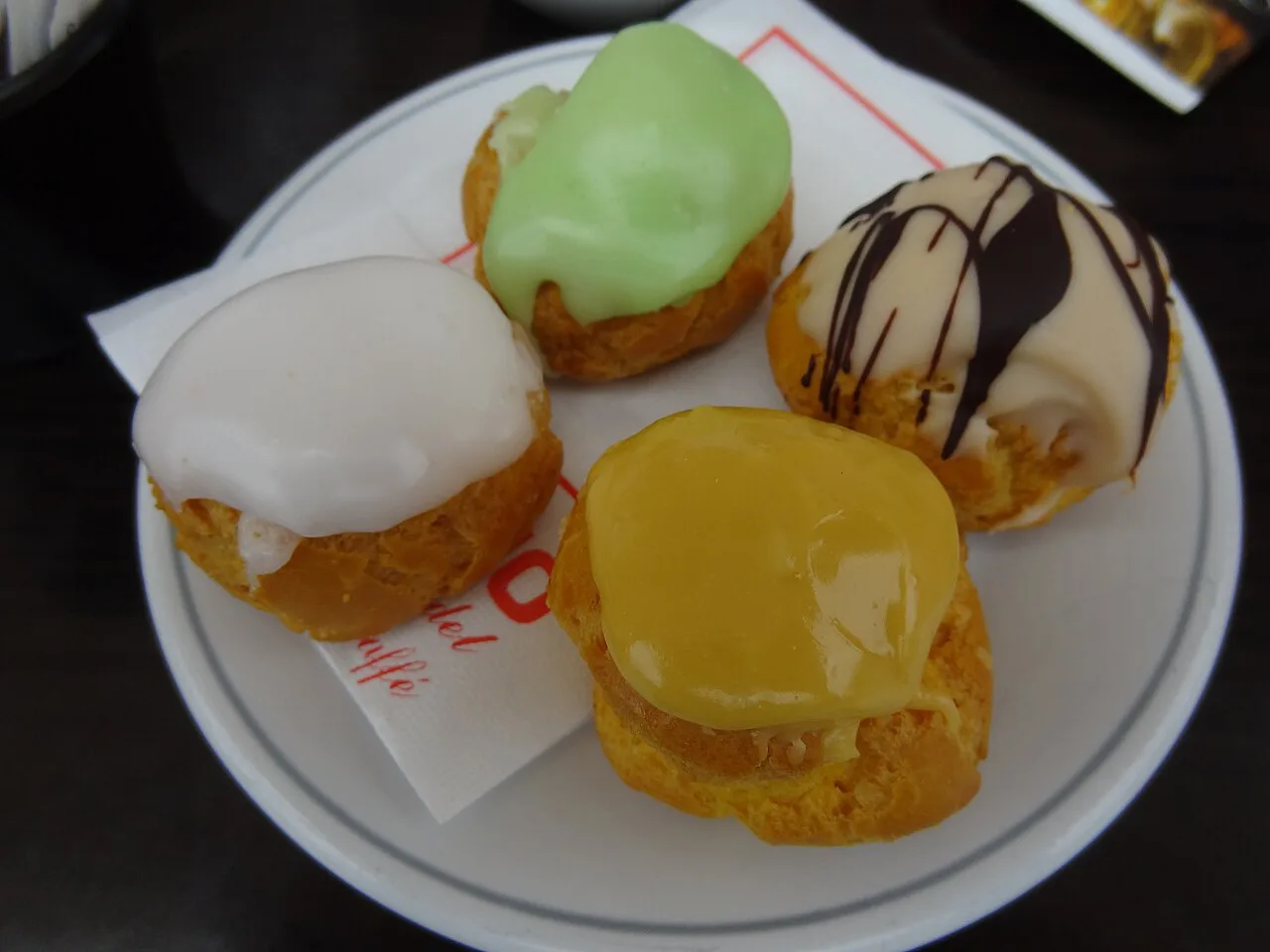
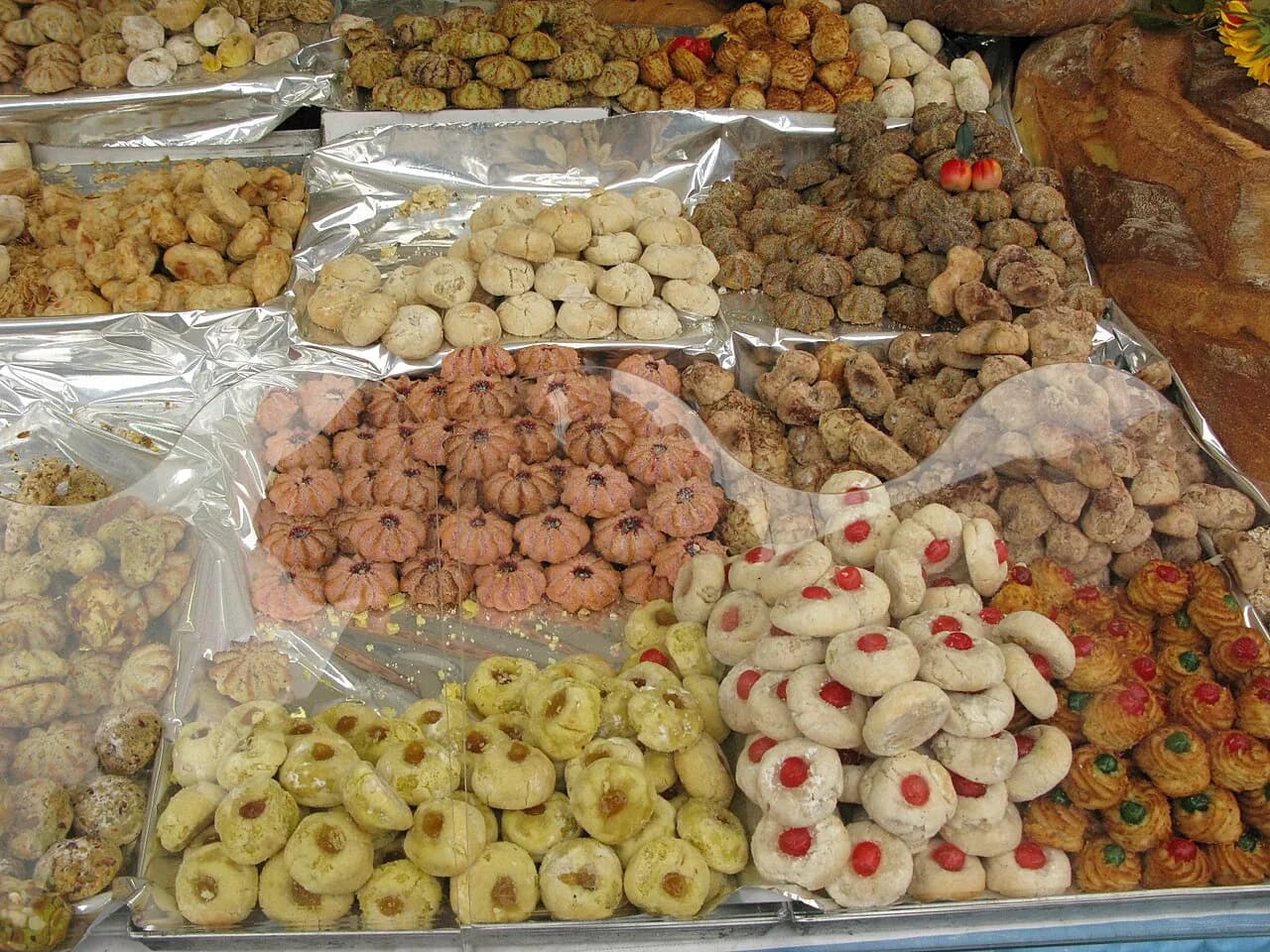
Outside December, the display cases are filled with brioche and cornetti for breakfast, mignon pastries, millefoglie (layered puff pastry with cream), sbrisolona and a rotating torta del giorno. Order two or three mignon pastries rather than one large cake so you can compare textures and fillings.
If you want a sit-down breakfast, choose a pasticceria with seats; if you want to take something home, ask for a box and avoid anything with fresh cream on a warm day. Savoury eaters should look at Café Carducci's sweet-and-savoury set or a bakery such as Tria. For a proper meal later, the best pizza in Verona is the natural next stop.
How a Veronese breakfast works: standing at the bar, coffee first, then the pastry
The Italian morning rhythm holds in Verona: order and pay at the till or the bar, hand the receipt to the barista, drink your coffee standing at the counter and eat your brioche alongside it. Sitting at a table usually costs more than standing, so decide before you order.
At a full pasticceria with table service, you can sit down and order from the table, which is the style at Massari's gallery and Café Carducci. If you are not sure which side of the shop does what, ask at the counter and someone will point you to the right till.
Which shops to pick for a sit-down breakfast versus a box to take home
For a sit-down breakfast, pick Massari's gallery on Corso Sant'Anastasia or Café Carducci on Via Carducci, both of which serve at the table. For a quick bar stop, Dal Fior in Borgo Trento has a caffetteria corner with outdoor seats. For a box to take home, the Nadalin specialists Tomasi and Flego are the obvious stops, with Segala if you are driving.
A whole Nadalin travels better than a cream-filled pastry, so it is the safer choice for a train or a flight home. If you want to bring back something more unusual, ask the shop what keeps well and what should be eaten that day.
Verona pastry shops outside the centre for a detour into the Valpolicella
The main out-of-town name is Segala at Cavalo di Fumane, a Valpolicella village north of the city. Two more shops appear in the outer- Verona list: Brentegani at Valeggio sul Mincio and Frag at Sant'Ambrogio di Valpolicella, both worth a note if you have a car.
These are proper detours rather than city stops. Drive, park and treat the visit as a short excursion; outside the Christmas season, check what each shop is baking that week before you go. For the city's savoury side, the best pasta in Verona covers the rest of the day.
Which Verona pastry shop should you pick first?
Pick Flego or Tomasi if Nadalin is the reason you came, Massari's gallery if you want a sit-down slice of pandoro with cream, and Dal Fior or Café Carducci if you simply want a good breakfast in a real neighbourhood. Add Segala only if you have a car and a morning to spare for the Valpolicella hills.
One decision makes the rest easy: choose one shop for the Christmas loaf to take home and a different one for the morning you actually eat there. If you want a guide to Verona beyond its pastries, the city's visitor guides are a useful cross-check.
Explore more Verona food guides
Frequently Asked Questions
Qual è il dolce tipico di Verona?
Nadalin is Verona's own cake: a dense leavened loaf baked in a star shape and topped with almonds and pine nuts, traditionally made for Christmas. Pandoro is the better-known relative, and Veronese tradition holds that the modern pandoro grew out of the older Nadalin recipe.
Qual è la pasticceria più famosa di Verona?
Flego is the name most strongly associated with the Nadalin and has several shops across the city, while Galleria Iginio Massari on Corso Sant'Anastasia is the polished sit-down option. Tomasi on Corso Milano is the specialist many Veronese name first for Nadalin.
Where can I buy a whole pandoro or Nadalin to take home?
Tomasi and Flego are the practical city-centre choices, with Segala at Cavalo di Fumane for a drive. A whole loaf travels better than cream-filled pastries, so ask at the counter which items keep well for a train or flight.
Sources
Notes for your next meal in Italy
Optional updates to our food guides.
You might also like
Continue reading
More guides you'll find useful