Tordelli Lucchesi: Lucca's Meat-Filled Pasta, Explained
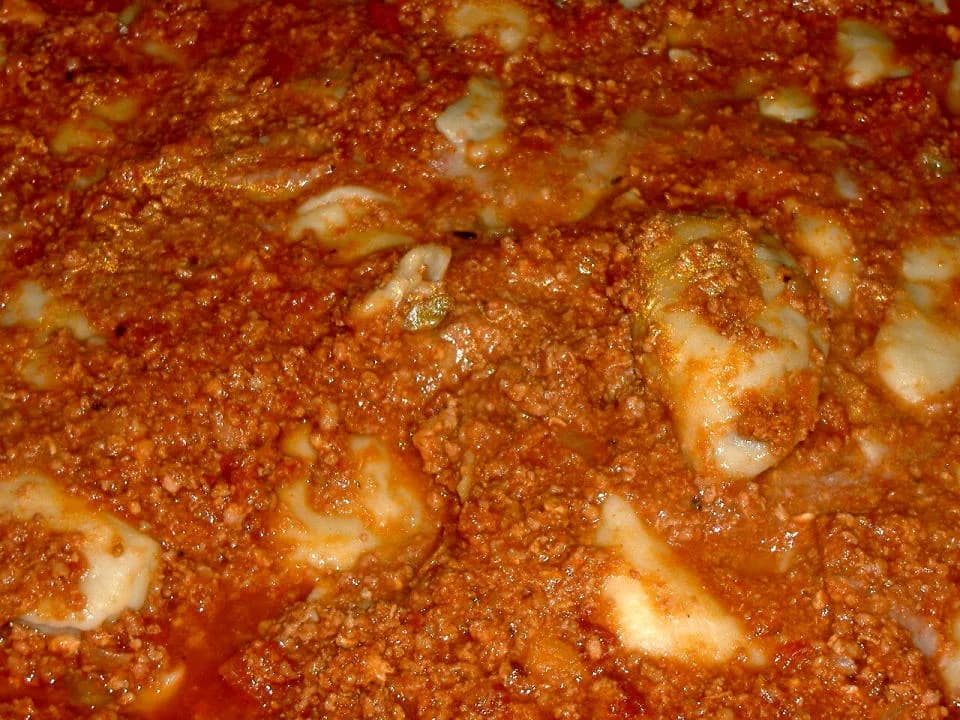
Tordelli lucchesi are half-moon pasta parcels from Lucca filled with mixed meats and herbs, served with tomato meat ragù. Here is what to expect on the plate.
On this page
Tordelli lucchesi are half-moon pasta parcels from Lucca, the Versilia coast and the Lunigiana, filled with mixed meats and herbs and served with a tomato meat ragù rather than butter or broth. They are the Sunday dish of the Lucca plain, and the constants that hold across every family version are the crescent shape and that red ragù. This guide covers what goes into the filling, how the pasta is made and sealed, and how the name separates a tordello from an ordinary tortello.
What tordelli lucchesi are
A tordello is a small crescent of thin egg pasta enclosing a savoury meat filling, and it belongs to the area around Lucca, the Versilia coast at Viareggio and the Lunigiana inland. The name is a local variant of the more widespread tortello, in use across central and northern Italy, which becomes tordello only in these Tuscan pockets. Outside the region the speciality is still little known, which is part of why there is no single official recipe.
What you get on the plate is a handful of parcels, each perhaps a few centimetres across, glossy with ragù and finished with grated cheese. They are a primo, the first course of an Italian lunch, so order them before a second course rather than as a standalone meal. If you want the wider picture of where to sit down in the city, the best restaurants in Lucca guide maps the options by quarter.
Tordelli, tortelli and tortellini: the differences
The spelling with a d is the clearest marker: in Lucca, Versilia and the Lunigiana it is written and pronounced tordello, while the classic tortello elsewhere in Tuscany is often a lean filling of ricotta and spinach. Tortellini, from Emilia-Romagna, are a different, smaller pasta altogether. Shape matters too, because the tordello's half-moon distinguishes it from the square or rectangular tortelli you meet across the centre and north of the country.
No single codified recipe exists: the tradition passes orally from mother to daughter, and every family or village in the Piana di Lucca keeps its own small secret. That is why two restaurants a street apart can serve recognisably different versions of the same dish, and why arguing about the definitive filling is a local pastime rather than a settled question.
What goes into the filling
The filling is built on mixed meats, usually beef and pork, cooked through with herbs and then chopped or minced fine. Recipes differ on whether the meat is roasted first or browned in a pan; both give the deep, savoury base the pasta needs. Mortadella often goes in as well, adding softness and a little spice to the mix.
Stale bread soaked in meat or vegetable broth and squeezed dry is the other structural ingredient, and it keeps the filling moist without making it loose. Grated Parmigiano Reggiano and sometimes pecorino go in for salt and depth, bound with egg. The herbs lean Tuscan: thyme and rosemary in one version, pepolino and parsley in another, with black pepper and nutmeg for warmth.
Why the ragù, not butter
Tordelli are dressed with a red meat ragù, the kind built on minced beef and pork with tomato and left to cook slowly, and the pairing is the second fixed point of the dish after the shape. The sauce can be made ahead, which suits a Sunday timetable, and a practical shortcut is to double the mince: brown it all, use half for the filling and finish the rest with tomato for the sauce.
At the table the pasta is layered in a warm bowl with the sauce and a generous dusting of grated Parmigiano, rather than tossed briefly and plated. That layering matters: it means the cheese melts into the ragù instead of sitting dry on top. It also makes the dish heavier than a buttered tortello, so plan a lighter second course after it.
When Lucchesi eat them
The dish began as a banquet speciality in the courts of upper Tuscany as far back as the sixteenth century, and over the centuries it moved onto the peasant table and the family Sunday. It is still the classic Sunday primo in Lucca, and it appears again at Christmas and New Year, when the ragù and the rolling pin come out in earnest.
For a visitor, that rhythm is the useful part: a trattoria serving tordelli on a weekday may be doing it for tourists, while a Sunday lunch service is closer to how the city actually eats them. Pair the primo with a glass of local red and finish with something from the best gelato in Lucca rather than a heavy dessert.
The name: thrush, or something older
A popular theory links tordello to the Tuscan saying grasso come un tordo, fat as a thrush, describing the plump, generous shape of the parcel. It is a neat story but only a hypothesis. The word tordello appears from around 1700 and probably traces back to the Latin tortum, meaning turned, which describes the action of closing a filled dough.
The same Latin root sits behind torte, the small filled pies of meat and vegetables on medieval tables, so the pastry-and-filling idea is older than the pasta itself. Raviolo, by contrast, seems to be a Ligurian term, possibly from the surname of the innkeepers credited with the idea. Treat all of this as etymology told over a kitchen table rather than documented fact.
How tordelli are made at home
The pasta is flour and eggs only, kneaded until smooth and elastic, rested, then rolled very thin, no more than about two millimetres. Circles are cut with a glass or a cutter, a spoonful of filling goes on each, and the parcel is folded over and sealed with the tines of a fork. The result should be a clean half-moon with a crimped edge and no air trapped inside.
Cook them in plenty of salted water with the boil kept low, because a hard rolling boil can burst the parcels, then lift them out with a slotted spoon rather than tipping the pan. Uncooked tordelli freeze well if first firmed on a tray, and they can go into the water still frozen. If you would rather learn the folding by doing it, cooking classes in Lucca are the obvious route.
How to order and eat them in Lucca
Order tordelli as your primo and expect a first course rather than a full meal, served under a generous ragù. Ask whether the ragù is beef, pork or mixed if that matters to you, since family versions differ. If the menu pairs them with a glass of red from the Lucca hills, that is the traditional match, though the dish stands on its own without wine.
For a wider choice of tables, from old-school dining rooms to simple neighbourhood trattorias in Lucca, compare a few addresses before you commit to a lunch booking. A plate of tordelli is a substantial start, so a walk afterwards through the centre, perhaps with a slice of buccellato di Lucca later, balances the day.
Tordelli or tortelli: which plate are you ordering?
If the menu says tordelli lucchesi, you are ordering the Lucchese version: half-moon parcels of mixed meat, bread and herbs under a tomato ragù, and most likely the richest primo on the list. If it says tortelli, expect a different shape and often a ricotta-and-spinach filling, which is a lighter dish altogether. Order the tordelli when you want the Sunday plate of the Lucca plain.
Explore more Lucca food guides
Frequently Asked Questions
What is tordelli pasta?
Tordelli are half-moon egg-pasta parcels from the Lucca area, the Versilia coast and the Lunigiana, filled with mixed cooked meats, bread soaked in broth and herbs, and served with a tomato meat ragù. They are a primo, not a main course.
What is tordello Lucchese?
Tordello Lucchese is the same pasta under its full local name: a single crescent-shaped parcel, or the dish as a whole, from Lucca. The d in tordello instead of tortello is the local spelling marker.
Sources
Notes for your next meal in Italy
Optional updates to our food guides.
You might also like
Continue reading
More guides you'll find useful