Cooking Classes in Cagliari: How to Choose One That Fits
Cooking classes in Cagliari split between short visitor sessions and long professional chef courses. Here is how to tell them apart before you book.
On this page
Cooking classes in Cagliari come in two forms, and choosing the wrong one is the main way people waste money here. The first is a short hands-on session aimed at visitors who want to cook one good meal. The second is a professional training course in chef work, pastry, bakery, pizza or gelato, listed with Cagliari as one of several Italian sedi, or locations, and priced from around a thousand euros upwards for the routes whose prices are published.
This guide separates the two, sets out the published euro ranges for the professional routes, and lists the questions that decide whether a beginner actually gets their hands in the flour.
What a Cagliari cooking class usually covers
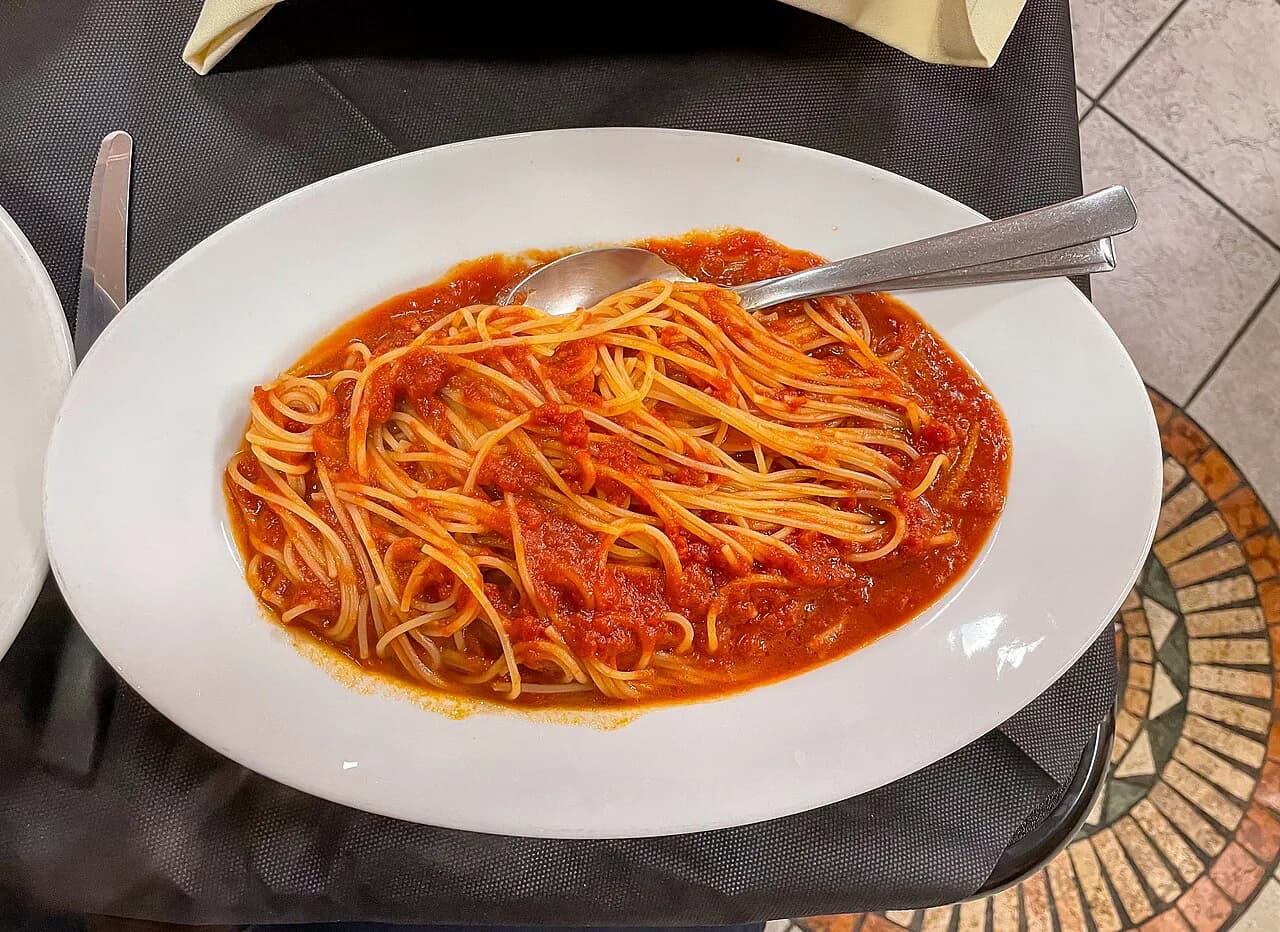
Sardinian cooking is dough-heavy, so expect a short class to centre on fresh pasta and the island's semolina shapes rather than on elaborate restaurant plating. Malloreddus, the small ridged gnocchetti often called Sardinian gnocchi, are the natural teaching pasta: the dough is forgiving, the shaping is repetitive enough to learn in an afternoon, and the result takes a tomato and sausage sauce well. Check current course dates and prices before travelling. If you want the background, our guide to malloreddus explains what you are being taught to make.
The other half of a typical local menu is the sauce and the cheese. Pecorino sardo, the island's sheep's milk cheese, appears in both the pasta fillings and the antipasti, and salsiccia sarda, the coarse Sardinian pork sausage, is the standard partner for malloreddus. A class worth its fee will have you tasting both, so you leave knowing what to look for in a shop or on a menu.
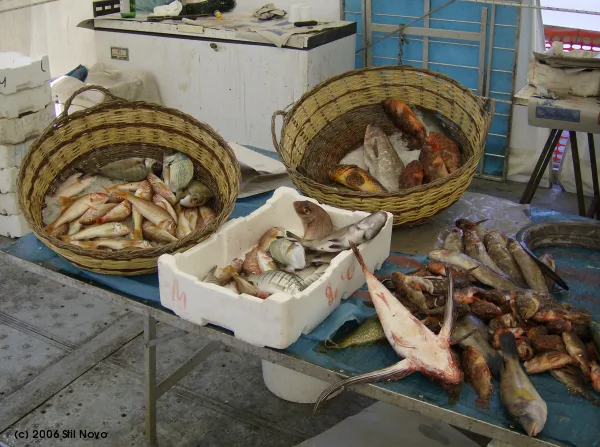
Seafood is the third pillar, given the city's position on the gulf and the fish sold around the Marina quarter. The neighbourhood's restaurant kitchens are where those fish and shellfish get cooked, and the list of restaurants that took part in the city's 2021 gastronomic contest gives a fair idea of who was cooking there: Is Femminas, Sa Schironada, Locanda Leonildo dal Buongustaio, L'Ambasciata, Antica Cagliari and its Bistrot, Gennargentu, Antica Hostaria, Cavour and Su Cumbidu Mare.
That contest was organised by the Consorzio Cagliari Centro Storico to mark Gambero Rosso naming Cagliari Città Gastronomica dell'Anno for 2021, a one-year title rather than a standing ranking. Treat it as context for why the city's cooking is worth learning, not as a badge any class can borrow.
Short hands-on class versus multi-month professional course
A short class and a professional course share a kitchen but almost nothing else. The short session is a single visit: you make one or two dishes, eat them, and go home with technique you can repeat. The professional route is a training programme with theory, staged practice and, in several listings, help finding work afterwards, so it assumes you want a job in a kitchen rather than a good afternoon.
Decide by what you want on the other side. If the answer is a dish you can cook for friends, look for the shortest hands-on format available and spend the rest of the budget on dinner at one of the best restaurants in Cagliari. If the answer is a change of career, the multi-month courses are the only sensible comparison and the cost jumps accordingly.
There is a middle ground worth knowing about: the semipresenziale format, where theory is studied at home and practice happens in a laboratory in your city. The listings describe Cagliari as one of many Italian sedi for these courses rather than a single Cagliari school, so check that the practical sessions really are scheduled in Cagliari before you commit.
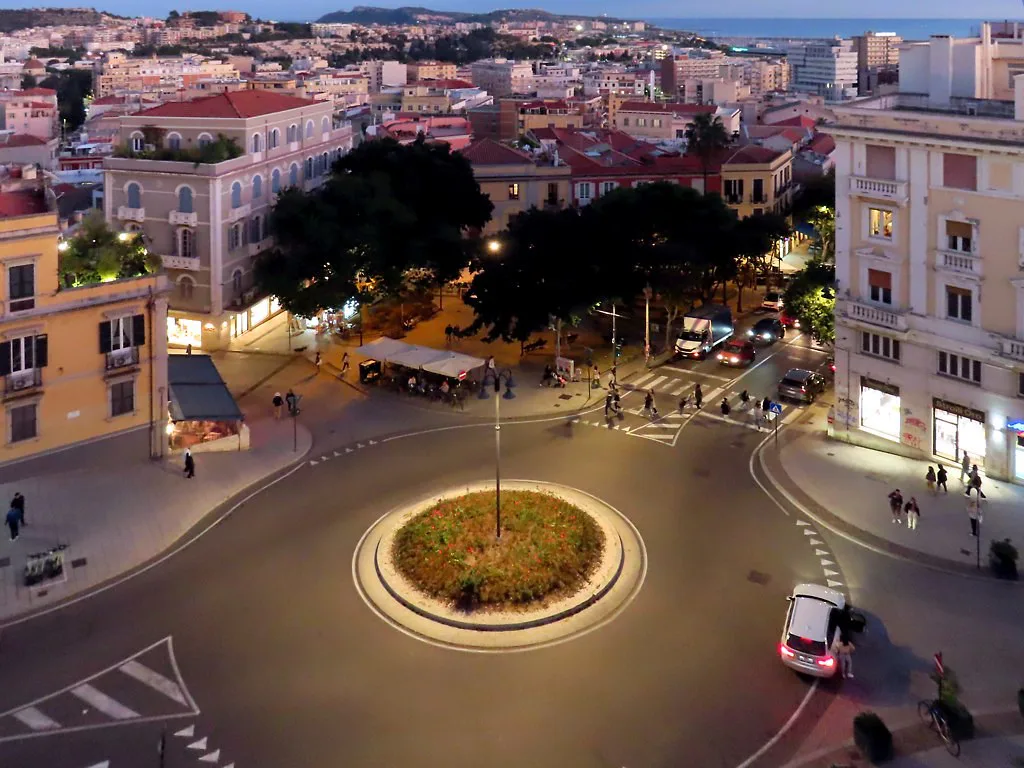
Professional training routes in Cagliari
The professional listings for Cagliari cluster around a handful of providers and a wide set of trades. One directory's Cagliari results include a Cuoco Professionista course from Davante CORSICEF, a pastry course in Arte Dolce, and a combined baker and pizzaiolo course, each offered online with classroom sessions in Milan, Turin, Rome, Naples, Cagliari and Catania. The same directory quotes no price for these three; you request information from the provider.
The same directory lists Piuitalia Accademia Mestieri Italiani courses in professional cooking, gelato making, bread making, pizza making, gourmet panini and fresh pasta, again semipresenziale across Italian cities. Separate Piuitalia listings on a second directory add a vegan cooking and pastry course with a stage, a gluten-free course, and a basic chef course, all with practice placements and all quoted on request rather than priced openly.
If pizza is the skill you are after rather than pasta, our guide to the best pizza in Cagliari shows what the finished product looks like in the city, which is a useful benchmark before you spend months learning dough management.
What the professional courses cost and how the formats differ
Only some of the professional routes publish a figure. On one directory, the Piuitalia professional cooking course is listed at 1,090 to 3,600 euros; gelato making at 1,300 to 1,600 euros; bread making at 1,400 to 1,900 euros; pizza making at 1,050 to 1,300 euros; and gourmet panini at 690 to 1,290 euros. The gap between the low and high ends reflects different packages within each course, so ask which version a quote refers to.
Everything else in the Cagliari listings carries no published figure, including the CORSICEF chef, pastry and baker-pizzaiolo courses and the Piuitalia gluten-free, vegan and pasta courses. Where a course is quoted on request, the price depends on the package, the payment plan and whether a placement is included, so compare two written quotes rather than two headline numbers. The listings also mention scholarships and interest-free instalments, which change the real cost considerably.
The formats differ more than the prices do. Online plus classroom means you travel to a city venue for the practical blocks; semipresenziale means home study plus lab sessions in your city; a stage is a work placement, sometimes described as paid and sometimes with board included, depending on the course. None of these are holiday classes, and the time commitment is measured in months, not hours.
Class size, language and kitchen time to ask about
For a short class, the questions that decide the experience are group size, language and how much of the time you spend at the bench rather than watching. Ask how many people share a workstation, whether the instructor teaches in English throughout, and whether every participant shapes and cooks their own portion. A demonstration with twenty onlookers is a different product from a hands-on session for eight.
For a professional course, add two more: where the practical sessions actually take place, and whether the placement is arranged or merely promised. Because Cagliari appears as one sede among dozens in these listings, confirm the address in writing. If pastry is the goal, the pastry shops in Cagliari are a good place to study the finished articles while you wait for answers.
Ask about ingredients too. A class that teaches malloreddus with locally milled semolina and pecorino sardo will not be reproducible in a UK kitchen with supermarket substitutes, so request the shopping list in advance and check you can source the key items at home.
Booking and paying: deposits, cancellation terms and what a price includes
The course listings do not set out deposits, cancellation windows or refund terms, so get them in writing before any money changes hands. Ask specifically what happens if the class is cancelled for lack of numbers, whether the deposit is transferable to another date, and whether payment is by card or bank transfer. For the professional courses, ask whether the quoted range includes the placement, exam fees, ingredients and any board.
Check what the fee covers on the food side as well. A short class should say whether the meal at the end is included, whether wine comes with it and whether you take leftovers home. On the professional side, ingredient costs during long practical blocks can rival the tuition, and the listings do not spell this out, so it belongs in your first email.
Pairing a class with the rest of your eating day
Schedule the class around the meal it replaces. A morning session that ends in lunch leaves the evening free, so start the day with a coffee and a pizzetta sfoglia, the flaky pastry twist sold in Cagliari bars, and keep dinner light. Our guide to breakfast in Cagliari covers the morning options near the centre.
If the class is in the afternoon, use the late morning for the Marina market area and a plate of pasta, leaving room for what you cook. The best pasta in Cagliari is worth trying before you make your own, if only to calibrate how al dente the local version runs.
Round the day off with an aperitivo in the centre, where a spritz or a glass of Vermentino comes with a small plate of olives and cheese, or with gelato if the class has been a long one. Our picks for aperitivo in Cagliari and the best gelato in Cagliari both sit within easy walking distance of the Marina quarter, so you can end the day without another bus ride.
Two more stops worth knowing: the pastry shops of the centre for a morning cannoncino, and the coffee bars where locals drink standing at the counter.
Which class should you book?
Book the short hands-on session if you want to learn malloreddus and a Sardinian sauce in an afternoon, and treat the professional courses as a career decision rather than a holiday activity. For the professional routes, compare written quotes at the same package level, confirm that the practical sessions happen in Cagliari, and ask what the stage actually involves before you pay.
Whichever you choose, put the food you cook in context by eating in the city on the same day: the Marina quarter's restaurants and the pastry counters of the centre will show you what the finished dish is meant to taste like.
Explore more Cagliari food guides
Frequently Asked Questions
Are cooking classes in Cagliari taught in English?
The professional course listings for Cagliari do not state a language of instruction, so ask the provider directly before booking. For a short hands-on class aimed at visitors, confirm in writing that the instructor teaches in English throughout, not just greets you in it.
Do Cagliari cooking classes include a market visit?
Some short classes may build a market stop into the day, but the course listings for Cagliari do not set one out. Ask the provider whether shopping at the market is part of the session or whether ingredients are already prepared when you arrive.
Can you take a one-day cooking class in Cagliari?
Yes, the short hands-on sessions are one-day formats, usually built around fresh pasta such as malloreddus with a Sardinian sauce. The professional chef, pastry, bakery, pizza and gelato courses run for months and are semipresenziale, with theory at home and practice in a laboratory.
What do professional cooking courses in Cagliari cost?
Some Piuitalia courses are listed on a course directory with a published price range for each path, while the CORSICEF chef, pastry and baker-pizzaiolo routes are quoted on request. Ask for the package breakdown in writing and compare like with like.
Sources
Notes for your next meal in Italy
Optional updates to our food guides.
You might also like
Continue reading
More guides you'll find useful