Malloreddus: Sardinia's Ridged Pasta and How to Eat It
Malloreddus are Sardinia's ridged semolina pasta, best known alla campidanese with sausage, tomato and saffron. What the dish is and how to order it.
On this page
Malloreddus are Sardinia's small ridged semolina pasta, and the version to order first is alla campidanese: a sausage, onion and tomato sauce stained with saffron and finished with pecorino sardo. They turn up in restaurants, agriturismi and trattorias across the island, so you will rarely struggle to find them. This guide explains what the pasta is, how it is made and shaped, what the campidanese sauce contains, and how malloreddus compare with culurgiones and fregola when you are choosing a first plate.
What malloreddus are
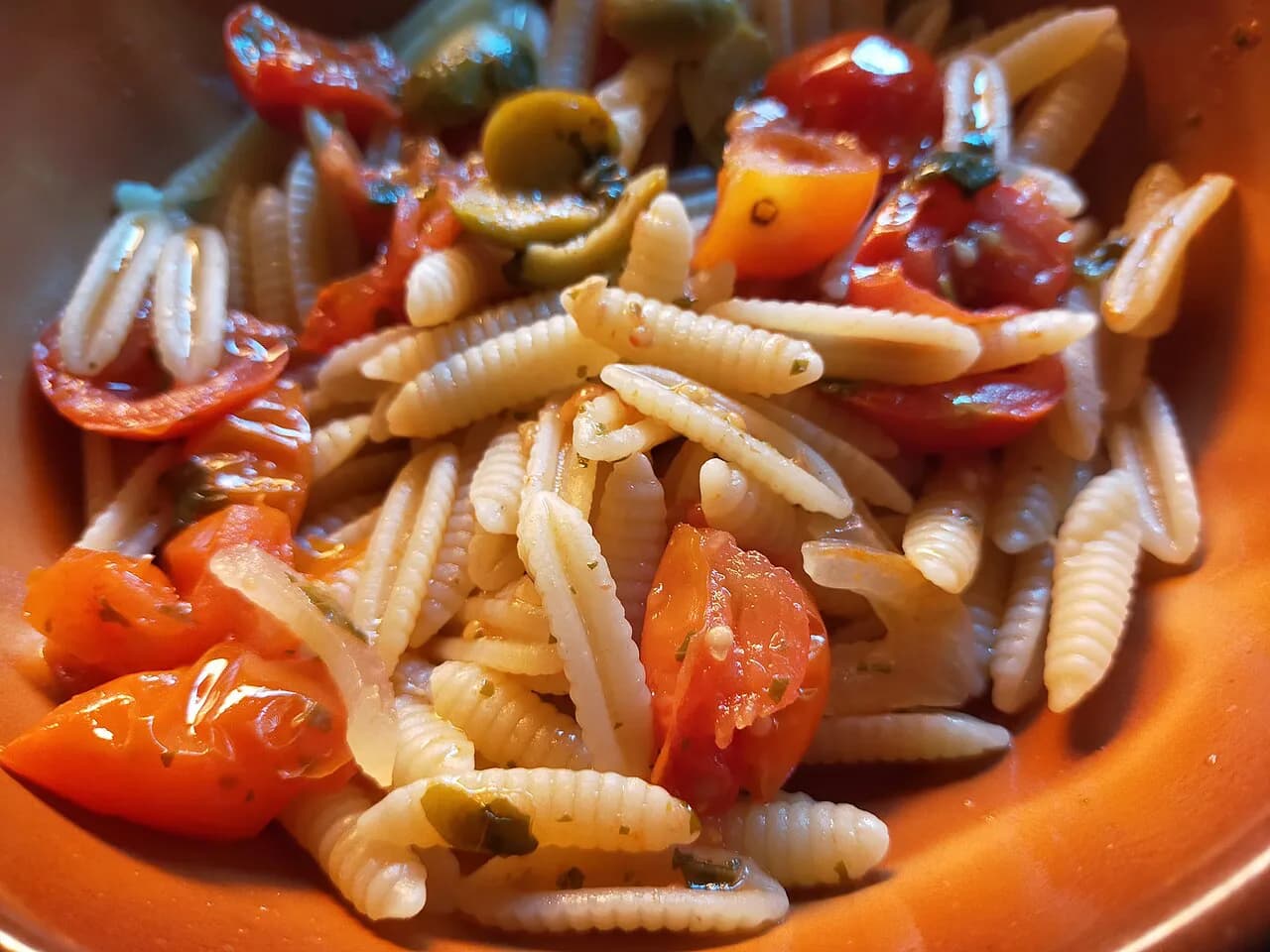
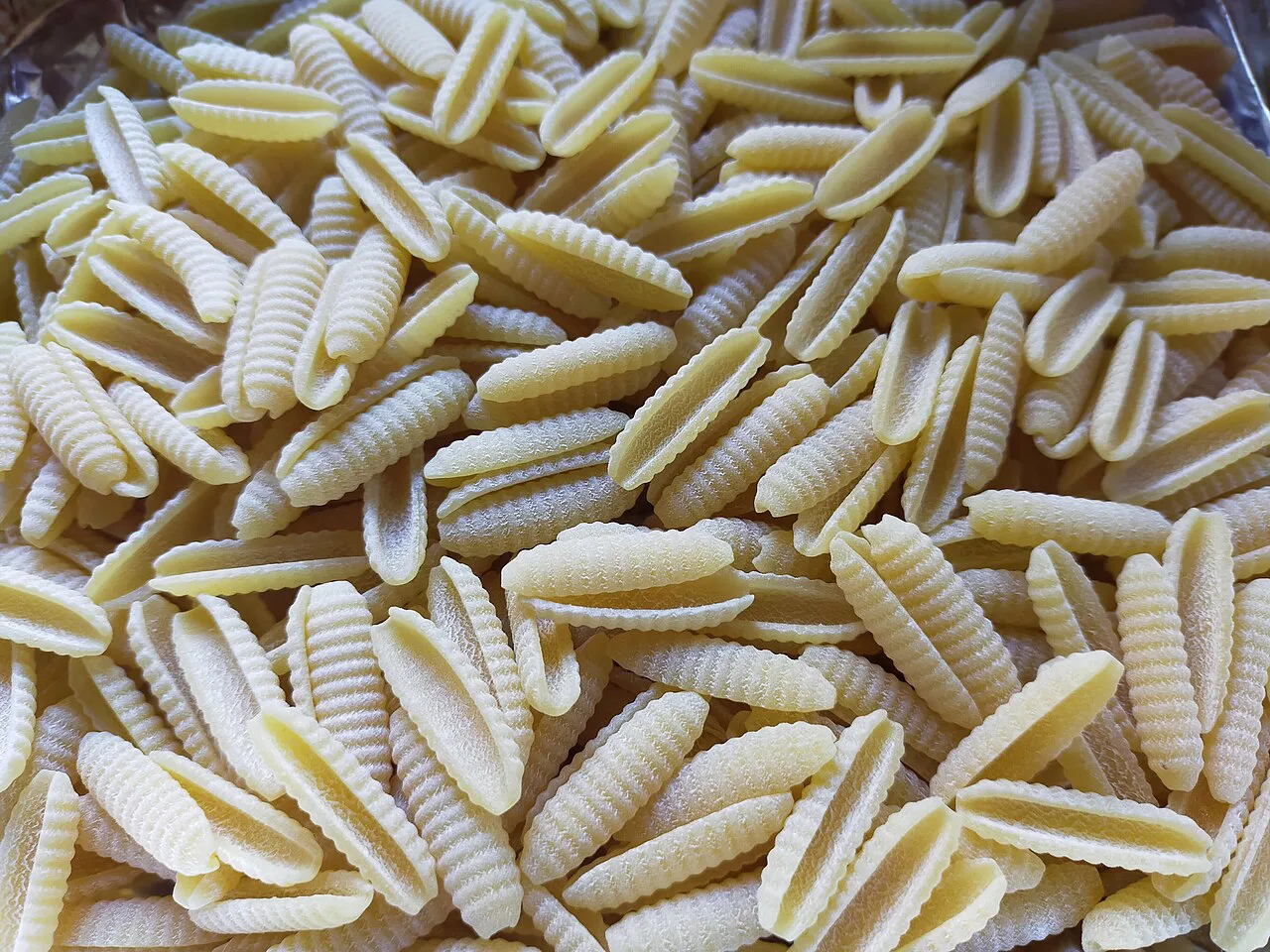
Malloreddus are a durum wheat semolina pasta, mixed with water and rolled into short, hollow shells with ridges along the outside. Elsewhere in Italy they are sold and listed as gnocchetti sardi, a name that describes the shape rather than the ingredients. Their home is the Campidano, the broad plain of south-western Sardinia that stretches across the provinces of Cagliari and Oristano. That is the area to keep in mind when you see the word campidanese on a menu.
Why they are not gnocchi
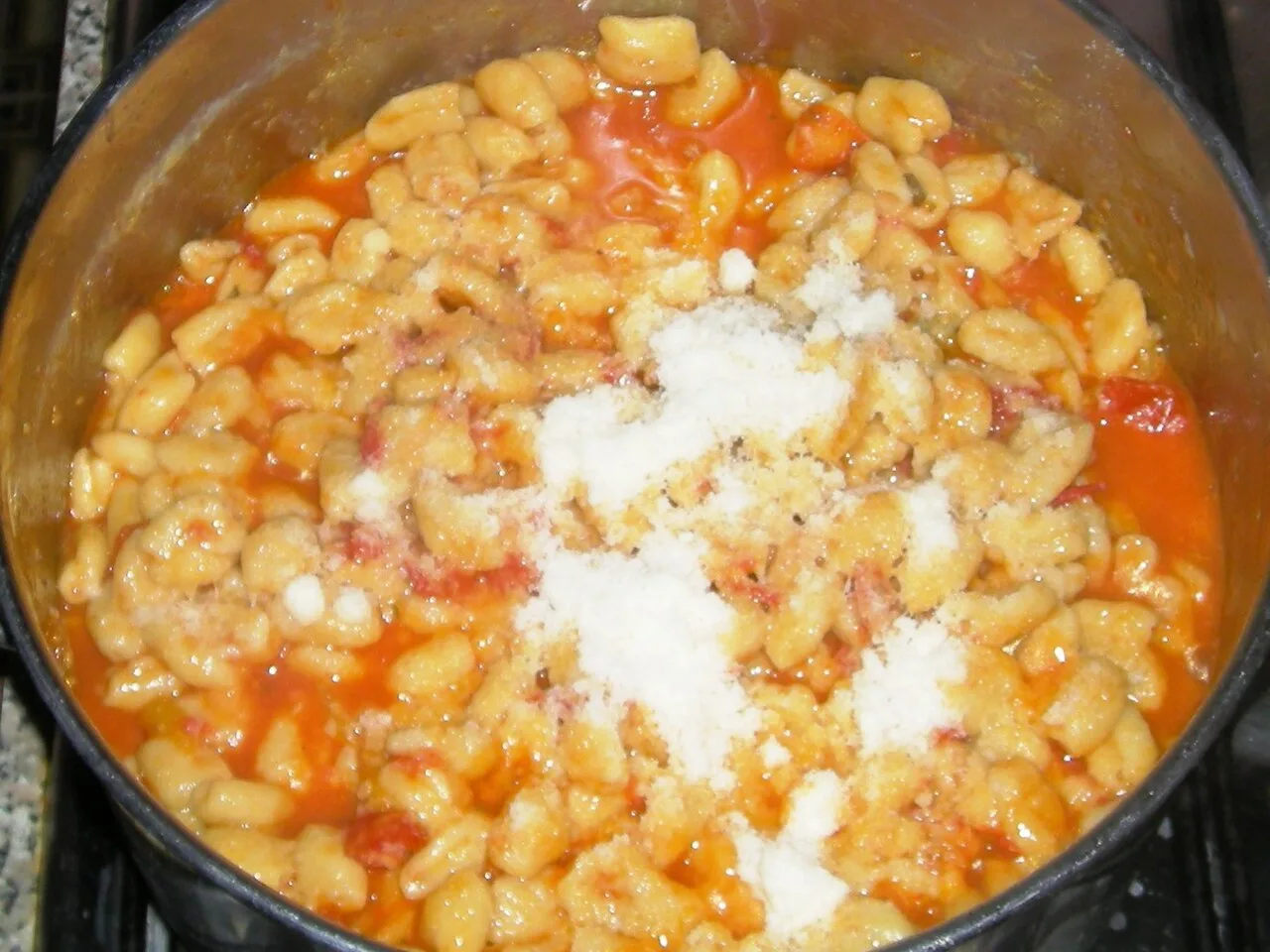
The English menu gloss of Sardinian gnocchi sets up the wrong expectation. Italian gnocchi are usually made with potato, while malloreddus are a flour-and-water pasta, dense and chewy rather than soft. The ridges are the point: they grip a thick sauce in a way a smooth shell cannot, which is why the sausage and tomato dressing clings to every piece. Expect a firmer bite than the word gnocchi suggests.
Where the name comes from
The name is usually traced to malloru, the Campidanese word for bull, with malloreddus as its diminutive. The plump, ridged shape was read as a newborn calf in the pastoral imagination of the interior, which is why the pasta is tied to the farming and herding world rather than the coast. Treat the etymology as a local claim rather than a settled fact, but it explains the shape you are eating.
How the pasta is made
Traditionally the dough was pressed and rolled by hand over su ciuliri, a ridged basket or board that gave each piece its curled shell and its grooves. Small cubes of dough were dragged across the surface, which is why handmade malloreddus vary in size and thickness from batch to batch. Industrial versions are now widely available and far more uniform, so a restaurant plate may be either. Neither tells you anything about quality on its own; the sauce is the better guide.
Malloreddus alla campidanese
The classic dressing starts with onion softened in oil, then fresh Sardinian sausage broken into pieces and a generous amount of tomato passata. The sausage is browned in the soffritto before the tomato goes in, and the sauce cooks down until it is thick enough to coat the pasta. A heavy grating of pecorino sardo finishes the plate, adding a sharp, salty edge to the sweetness of the tomato.
This is a rich first course, so judge your appetite before adding a second plate. The sausage, the cheese and the oil make it heavier than a plain tomato pasta, and portions in trattorias are rarely small. If you are eating a full lunch, share a starter or skip it altogether.
The saffron that defines the dish
Saffron is what separates malloreddus alla campidanese from any other sausage-and-tomato pasta, and it appears in two places. In the traditional dough a few threads were worked into the semolina, and in the sauce the saffron is dissolved in warm water and stirred in near the end of cooking. It is a quiet ingredient, barely visible in the finished plate, but it colours the sauce and gives it an earthy, slightly bitter note. Expect it in the campidanese version; other dressings will not have it.
Other ways malloreddus are served
Sardinia dresses the same pasta in several other ways, and menus outside the Campidano will show them. At Carloforte, on the island of San Pietro, malloreddus are matched with tuna and pesto, with a few cherry tomatoes for colour, a combination with clear Genoese roots. The Sassarese version in the north blends cream and semolina into a pale, soft sauce. Elsewhere you may find sheep's ricotta shaved over the top or a handful of wild finocchietto, the feathery wild fennel herb, stirred through.
The La Casa del Grano recipe pages show how far the dressing can travel from the classic, listing baked and seafood versions alongside the familiar ones. If a menu offers malloreddus with bottarga or artichokes, you are still eating the same pasta, just with a lighter, more coastal hand. For a first encounter, campidanese remains the one to try.
How to order malloreddus in Cagliari
Ask for malloreddus alla campidanese by name and the kitchen will know exactly what you want. They sit in the primo section of the menu, the first course, so order them before any second plate of meat or fish. If pecorino is offered at the table, say yes: the cheese is part of the dish rather than an optional extra. A glass of Vermentino or a light red will not overwhelm the saffron.
The trattorias that serve malloreddus often put culurgiones and fregola on the same menu, so one lunch can cover two or three Sardinian pastas if you order small portions. Our pick of the best restaurants in Cagliari includes the kind of places where a plate of campidanese is a fixture rather than an afterthought, and it is the quickest way to line up a table near where you are spending the day. If you are travelling with someone who wants pizza instead, the best pizza in Cagliari is easy to find nearby and worth splitting a first course over.
Malloreddus, culurgiones and fregola compared
Culurgiones are the large stuffed pasta of the Ogliastra region, sealed with a braided edge and filled with potato, mint and pecorino; they are a meal in themselves and usually served with a simple tomato or butter dressing. Fregola is a different shape altogether, small toasted semolina balls that behave more like a grain than a stuffed pasta. Malloreddus sit between them in weight: a sauce-carrying shell that works as a first course without filling you completely. For a first plate of Sardinian pasta, malloreddus alla campidanese is the easiest entry point, culurgiones the richer choice, and fregola the lighter one, especially with shellfish.
What to expect on the plate
What arrives is a shallow bowl of ridged shells under a thick, rust-coloured sauce, with grated pecorino on top rather than mixed through. The pasta should still have a firm bite, and the sauce should cling rather than pool. Malloreddus are also cooked in large quantities for weddings and village festivals, which is why the dish carries a festive reputation in Sardinia. That is the mood to match: a proper sit-down first course, not a quick snack.
If you want to learn the shaping by hand rather than just eat the result, the cooking classes in Cagliari often build a session around fresh pasta, which makes the ridged shell easier to recognise on a menu afterwards. Either way, order the campidanese once before you leave the city.
Which Sardinian pasta to order first
Order malloreddus alla campidanese as your first plate in Cagliari, and treat culurgiones and fregola as the follow-up on another day. The saffron and sausage sauce is the version that defines the pasta, and it is the one most likely to be done well in a city trattoria. Keep the rest of the meal light, and finish with coffee rather than a second course.
Explore more Cagliari food guides
Frequently Asked Questions
How do you pronounce malloreddus?
Say it as mal-lo-RED-dus, with the stress on the second syllable and a rolled double d. The singular is malloreddu, and locals in the Campidano may also say malloreddos. On a menu it is often written with the sauce after it, as in malloreddus alla campidanese.
Are malloreddus the same as gnocchetti sardi?
Yes. Gnocchetti sardi is the name used outside Sardinia for the same ridged semolina pasta, which is why the two words appear side by side on packets and menus. They are not potato gnocchi: the dough is durum wheat semolina and water, so the finished pasta is firmer and chewier.
What sauce is served with malloreddus?
The classic is alla campidanese, a sauce of onion, fresh Sardinian sausage and tomato passata, finished with saffron and grated pecorino sardo. Other versions exist across the island, including tuna and pesto at Carloforte and a cream-based dressing in the Sassarese style. Ask which one the kitchen is serving if the menu does not say.
Sources
Notes for your next meal in Italy
Optional updates to our food guides.
You might also like
Continue reading
More guides you'll find useful