Best Pasta in Cagliari: Where to Eat Sardinian Shapes
A guide to the best pasta in Cagliari, from culurgiones and malloreddus to fregola with clams, plus the restaurants where you should order them.
On this page
The best pasta in Cagliari is the island's own: culurgiones, malloreddus and fregola, served in trattorias around Castello and Marina and along the Poetto seafront. Order by shape rather than by sauce, because each one carries a different texture and a different traditional dressing. This guide explains the Sardinian pasta names you will meet on menus, then names the Cagliari kitchens where those dishes are worth planning a meal around.
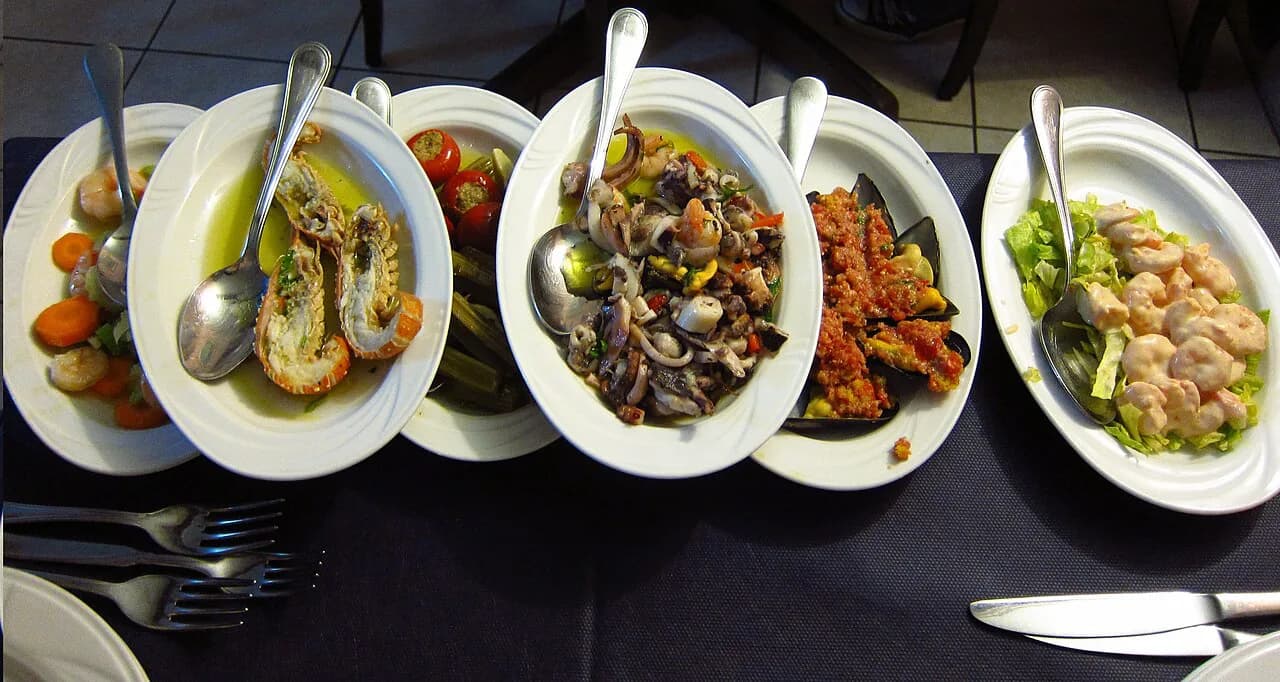
The city eats both from the sea and from the land, so pasta here can arrive with clams and bottarga or with a slow meat ragù. That split is the main decision you will make at the table, and it shapes which restaurant suits which appetite. Seafood tends to headline the shoreline addresses, while the historic centre is stronger on sheep's cheese, saffron and roast meats.
The Sardinian pasta shapes to know before you order
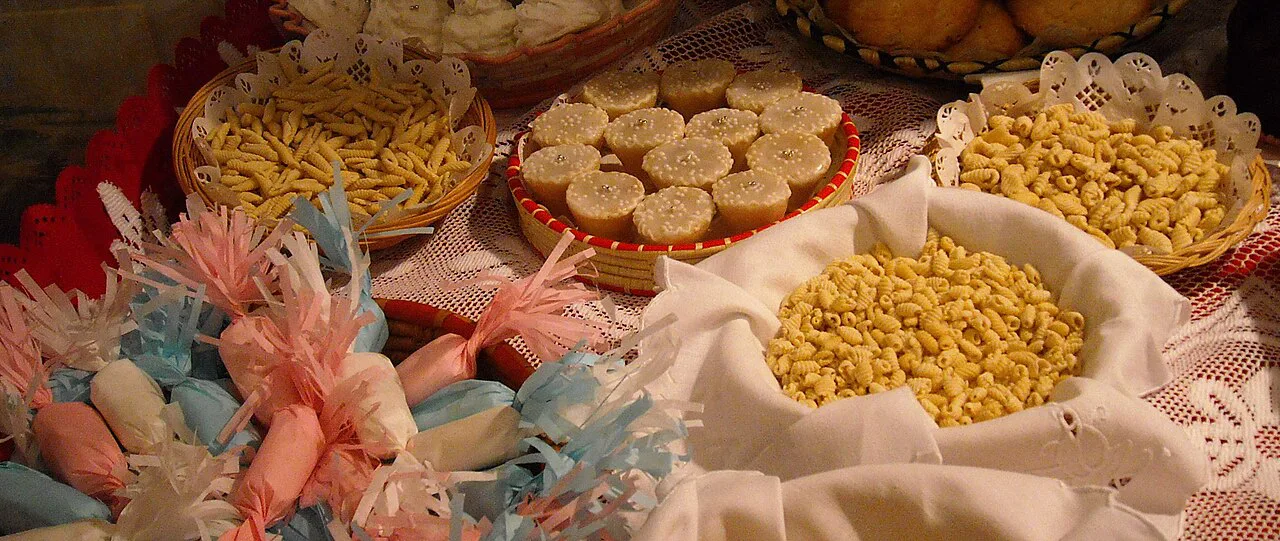
Culurgiones are Sardinian stuffed pasta, usually a plump parcel sealed with a distinctive crimp and filled with a combination of potato, mint and pecorino in the shepherd tradition. They are among the richest of the local shapes and are often dressed simply so the filling stays the point. Malloreddus are small ridged semolina dumplings, the island's answer to gnocchetti, and they hold a meat sauce exceptionally well.
Fregola is a toasted semolina pasta rolled into coarse beads, closer to a large couscous than to a strand, and in Cagliari it most often meets arselle, the small clams of the southern coast. Lorighittas are thin semolina rings, twisted by hand into a rope shape, traditionally dressed with a substantial meat sauce. Knowing these four covers most of what a Cagliari menu will put in front of you.
Culurgiones: stuffed pasta with potato and mint
Look for culurgiones wherever the kitchen is cooking the interior rather than the coast, since the filling is a shepherd's combination of potato, mint and aged sheep's cheese. The mint should cut through the starch, and a good version tastes of both rather than of one. Ask whether they come with tomato or with a butter and cheese dressing, because the plainer version tells you more about the pasta itself.
They are the natural vegetarian-leaning order in a Cagliari trattoria, though you should confirm the filling, since recipes vary between kitchens. Asking what goes into the parcel is worth doing before you commit, particularly if the table is sharing a mixed seafood antipasto first.
Malloreddus: small ridged semolina dumplings
Malloreddus are made from durum wheat semolina and rolled into small ridged shapes, which is why they grip sauce so effectively. The classic Cagliari pairing is a slow-cooked meat ragù, and they also appear dressed with vegetables or saffron. If you only have one pasta meal in the city, this is the safest introduction to the local register.
Vegetarian versions exist, dressed with vegetables or saffron rather than meat, but they are less common than the ragù. Portions in Sardinian trattorias tend to be generous, so a shared primo followed by a secondo is a reasonable structure for two people.
Fregola with arselle: the clam pasta of the south
Fregola with arselle is the coastal dish to order in Cagliari, a bowl of toasted semolina beads and small clams in a broth sharpened with tomato and parsley. The texture is chewier and nuttier than a wheat pasta, and the clams give it a briny depth that suits a table facing the sea. It is the dish most likely to convert someone who thinks they know Italian pasta.
Alongside it you will find sa cassola, a mixed fish soup, and sa burrida, poached fish in a vinegar sauce, both of which show how much the southern coast relies on the catch rather than on meat. Ordering one seafood pasta and one fish secondo is a good way to cover both without overloading the table.
Where to eat pasta in Cagliari: the neighbourhoods that matter
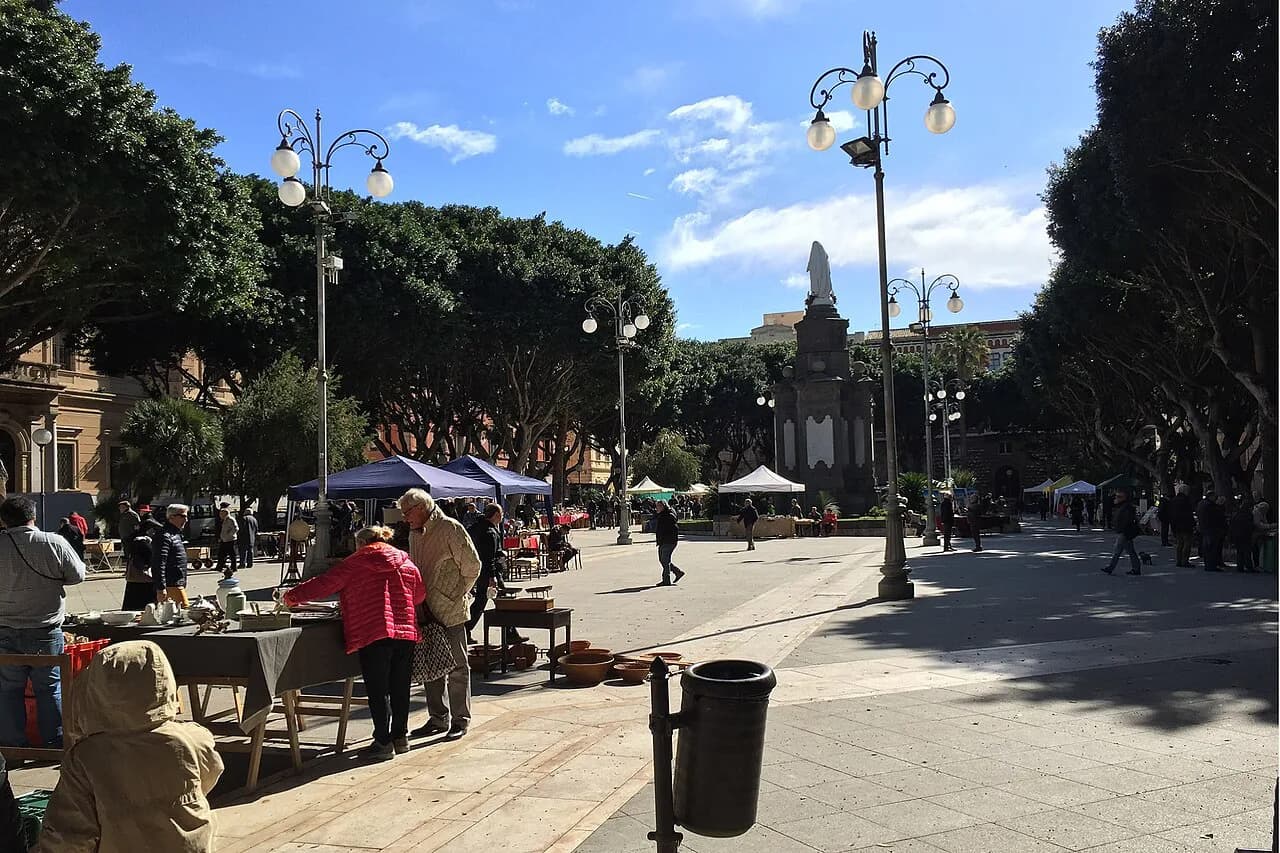
The historic centre splits into Castello, up on the hill, and Marina, down by the port, and both hold trattorias serving the local shapes. The Poetto seafront is where the seafood kitchens cluster, which makes it the obvious choice for fregola and clams. Elsewhere in the city, the Mercato di San Benedetto is the food market to walk through if you want to see what the kitchens are buying.
Prices in the centre are higher than in the residential streets, as you would expect, and the difference buys you convenience rather than better pasta. A short walk out of Castello often lands you in a quieter room with a shorter menu and a more local crowd. It is worth building one lunch around a neighbourhood trattoria and saving the dressed-up dinner for another night.
Casa Grazia: fresh-filled pasta and a signature risotto
Casa Grazia sits on via Barone Rossi and is the address to know for freshly filled pasta, with caramelle stuffed with mazza frissa, a Sardinian preparation of sheep's ricotta and lard, served in a cream of mullet bottarga. The kitchen is run by Enrico Piano and Carla Palermo, who opened it in 2022 and named it for his mother. The dish most associated with the restaurant is a red prawn risotto made with Carnaroli rice from the Oristano plain and prawns from the south-east coast, using heads and shells for a concentrated bisque.
At lunch from Tuesday to Friday the restaurant runs a business formula that a 2026 feature in La Gazzetta del Gusto put at ten euros for one course and sixteen for two, with a welcome nibble. Those figures are historical and change, so treat them as a guide to the price band rather than a quote. Dinner offers both à la carte and tasting menus, which makes Casa Grazia flexible enough for a celebration or a midweek bowl of pasta.
Josto: modern Sardinian cooking with tasting menus
Josto is Pierluigi Fais's restaurant on via Sassari, set in a converted joinery, and it takes the local larder into more technical territory. A visit published in 2017 listed a short lunch plate at fifteen euros and two dinner tasting menus, three courses at thirty-five euros and five at forty-eight, but those are old figures and the current card needs checking directly. The room suits a longer dinner better than a quick plate of pasta, so book it as an evening.
If you want to compare Fais's cooking without the tasting-menu commitment, his pizzeria Framento is the lighter option, a short walk away on Corso Vittorio Emanuele II in the same central grid.
Framento: gourmet pizza and local ingredients
Framento is Fais's gourmet pizzeria, named after su framentu, the Sardinian term for sourdough starter, and it keeps only a handful of classic pizzas alongside more inventive ones. The toppings lean on island produce, with combinations built around local cheeses and cured meats rather than imported standbys. It is the right stop when the table wants something other than a bowl of pasta but still wants to eat Sardinian.
Arrive hungry: pizza here is a full meal, not a starter, and the dough is the reason to come. Pair it with a shared plate of local cheese or cured meat if you want to taste more of the island in one sitting.
Trattoria dei Mondin: a small, quiet spot in the centre
Trattoria dei Mondin on via Puccini is the kind of small, calm room that suits a weekday lunch when you want the local repertoire without ceremony. It is listed among the centre's traditional addresses, which makes it a sensible first stop if you are still working out what culurgiones and malloreddus should taste like. Expect a short menu and a local crowd rather than a tourist-oriented card.
Because the dining room is small, a table at peak lunch is worth securing in advance, especially at weekends. If it is full, the surrounding streets in the centre hold plenty of alternatives serving the same shapes.
Stella Marina di Montecristo: seafood on via Sardegna
Stella Marina di Montecristo on via Sardegna is a Spartan, nautical-themed seafood address that locals treat as an institution, known for abundant grilled fish and generous platters of shellfish. It is the place to lean into the catch rather than the pasta, though a seafood primo fits naturally into a long lunch. Go with an appetite and share across the table.
This is not a refined dining room, and that is the appeal: the focus stays on the fish. Order whatever is dripping off the ice that day and keep the rest of the meal simple.
Luigi Pomata: bluefin tuna and seafood
Luigi Pomata on viale Regina Margherita is the polished seafood stop, built around bluefin tuna from Carloforte, the island off the south-west coast. The venue runs a sushi and oyster counter beside the main restaurant, and a neighbouring lounge serves burgers, pizza alla pala and salads for a quicker stop. For a seafood pasta or a plate of tuna, this is the address to reserve.
The trade-off is price and formality: this is a smarter, more expensive meal than a neighbourhood trattoria, and it rewards booking. If you are choosing one splurge in Cagliari, the tuna is what justifies it.
How to order and pay: coperto and the bill
Sardinian menus follow the national pattern of antipasto, primo, secondo and dolce, and a primo of pasta is a course in its own right rather than a side. Many trattorias add a coperto, a small per-person charge for bread and service, which appears on the bill and is normal rather than a mistake. Pane carasau, the paper-thin twice-baked flatbread, usually arrives with it and is worth eating rather than leaving.
For dessert, look for seadas, fried pastries filled with cheese and drizzled with honey, or the almond sweets the island does so well. Finish with a mirto, the myrtle liqueur that closes a Sardinian meal.
When pasta is not the whole story
A Cagliari meal rarely ends at the pasta course, and the surrounding dishes are part of the reason to eat here. Pane carasau, the paper-thin twice-baked flatbread, opens the table, pecorino and other sheep's cheeses follow, and roast suckling pig, porceddu, is the celebratory main. If you want the full picture of where to eat beyond the primo, start with the best restaurants in Cagliari.
Aperitivo is its own ritual in the city, taken at a café or bar before dinner with a drink and something small to eat. It is a pleasant way to bridge the gap between an afternoon at the Poetto and a late Sardinian dinner.
Which pasta should you order first in Cagliari?
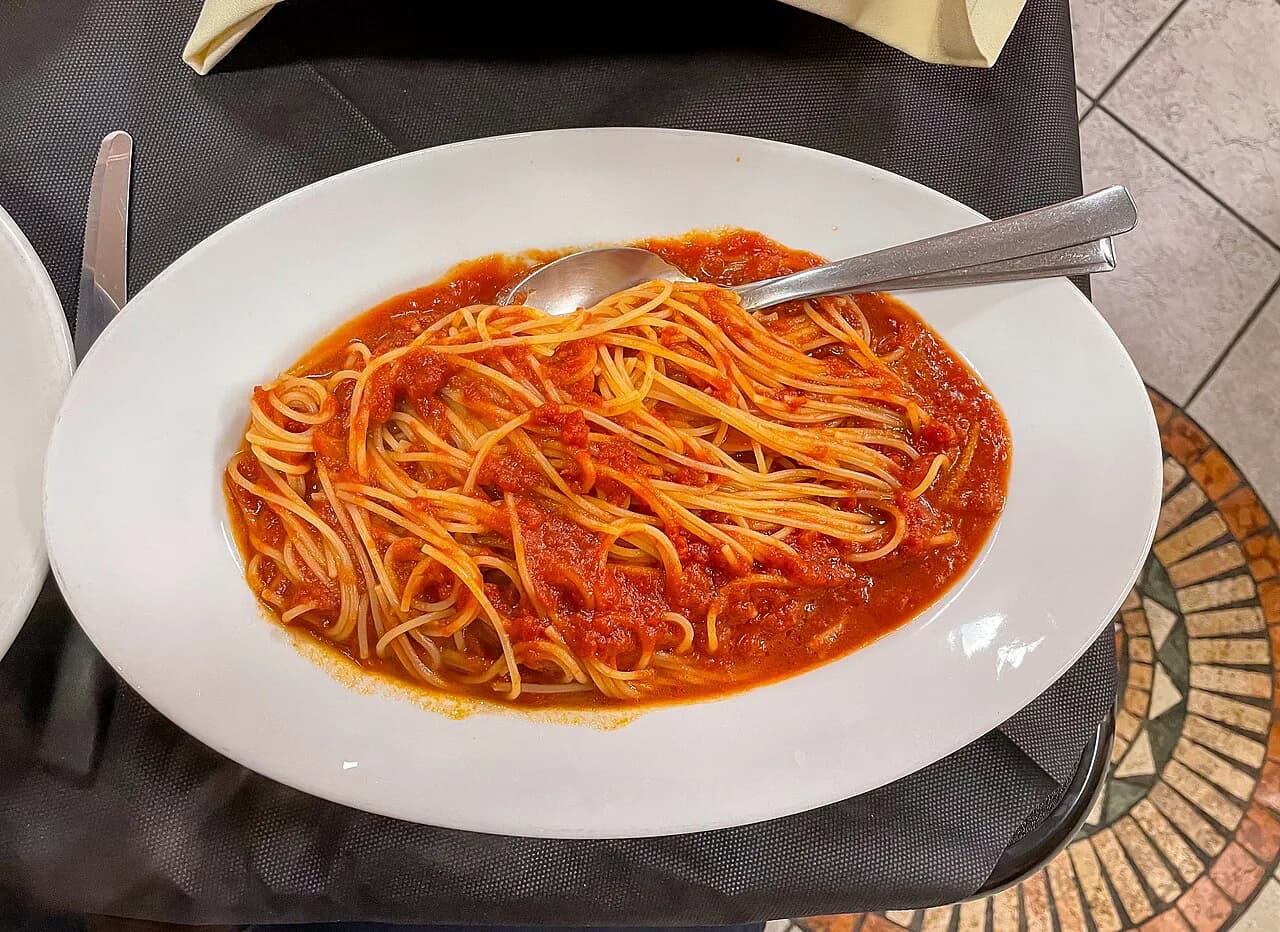
Start with malloreddus in a meat ragù or culurgiones with potato and mint if you want the island's land cooking, and switch to fregola with arselle when you sit down near the sea. Casa Grazia is the pick for freshly filled pasta and the red prawn risotto, while the neighbourhood trattorias are better value for a straightforward primo. Book the seafood addresses for dinner and keep the small central rooms for lunch.
Whatever you order, ask about the coperto and confirm the day's card at the table rather than relying on an old menu online. The shapes are the constant in Cagliari; the sauces and the prices are what change.
Explore more Cagliari food guides
Frequently Asked Questions
What are the most traditional Sardinian pasta dishes?
The four to know are culurgiones, stuffed with potato, mint and pecorino; malloreddus, small ridged semolina dumplings usually served with meat ragù; fregola, toasted semolina beads that meet clams as fregola with arselle; and lorighittas, hand-twisted semolina rings dressed with a substantial sauce. Cagliari menus also list fish soups and seafood pastas alongside them.
Is Cagliari a good city for a pasta-focused trip?
Yes, because the island's own shapes are on almost every menu and the coastal setting adds a strong seafood strand. The historic centre and the Poetto seafront give you two different registers, land cooking and fish, within one city. It works well as a short break built around meals rather than as a long itinerary.
Sources
Notes for your next meal in Italy
Optional updates to our food guides.
You might also like
Continue reading
More guides you'll find useful