Cooking Classes in Noto: Sicilian Cooking in the Countryside
Cooking classes in Noto run from a farmhouse kitchen outside the centre, teaching Sicilian antipasti, fresh pasta and dessert. Here's how to choose one.
On this page
Cooking classes in Noto are countryside experiences rather than town-centre ones. The principal option is a farmhouse kitchen outside the city where a small group cooks Sicilian appetisers, fresh pasta and a dessert, then sits down to eat it together. This guide covers what you cook, how the day runs and how it compares with longer formats elsewhere in south-east Sicily.
What a cooking class in Noto involves
The format is hands-on from start to finish. You prepare a Sicilian menu from scratch in a home kitchen, moving from mixed appetisers through fresh pasta to dessert, and the session ends with a shared meal and local wine.
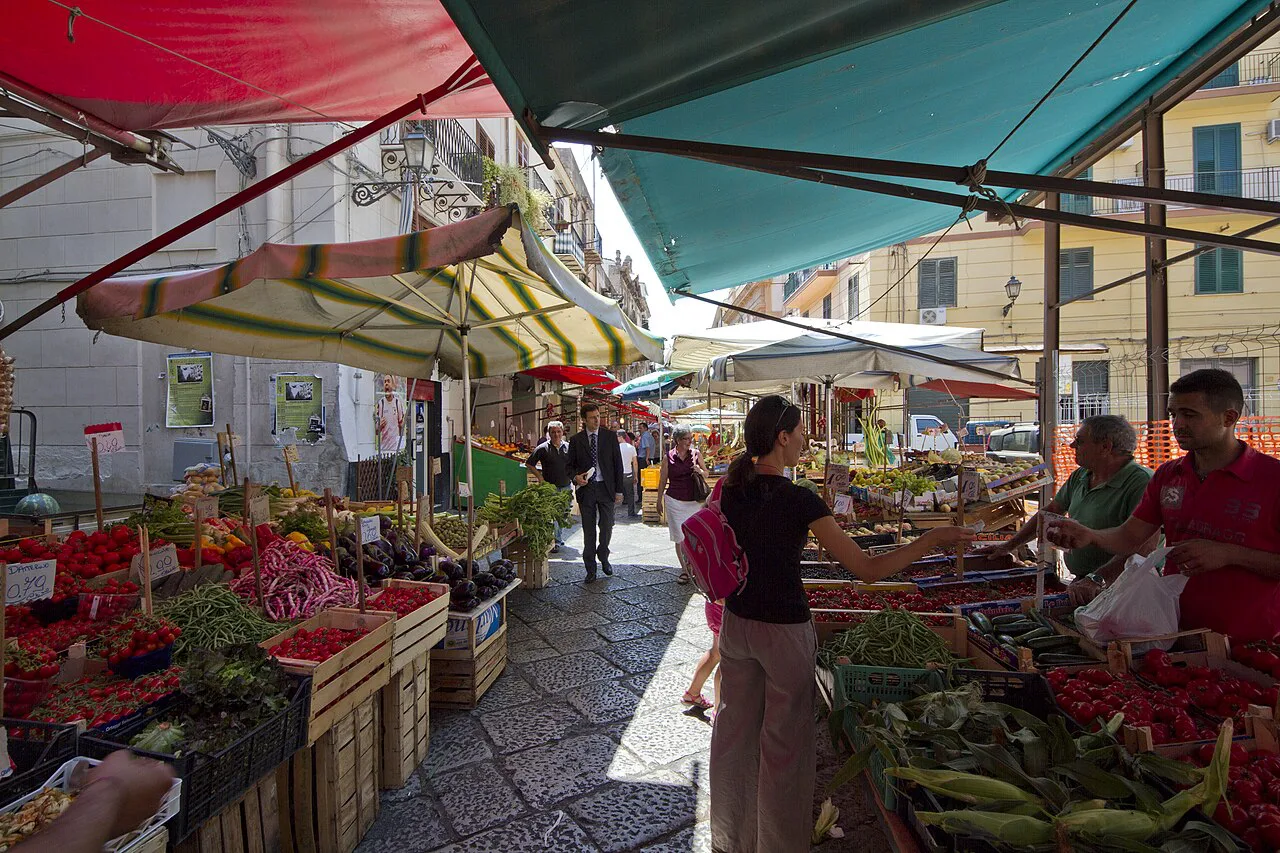
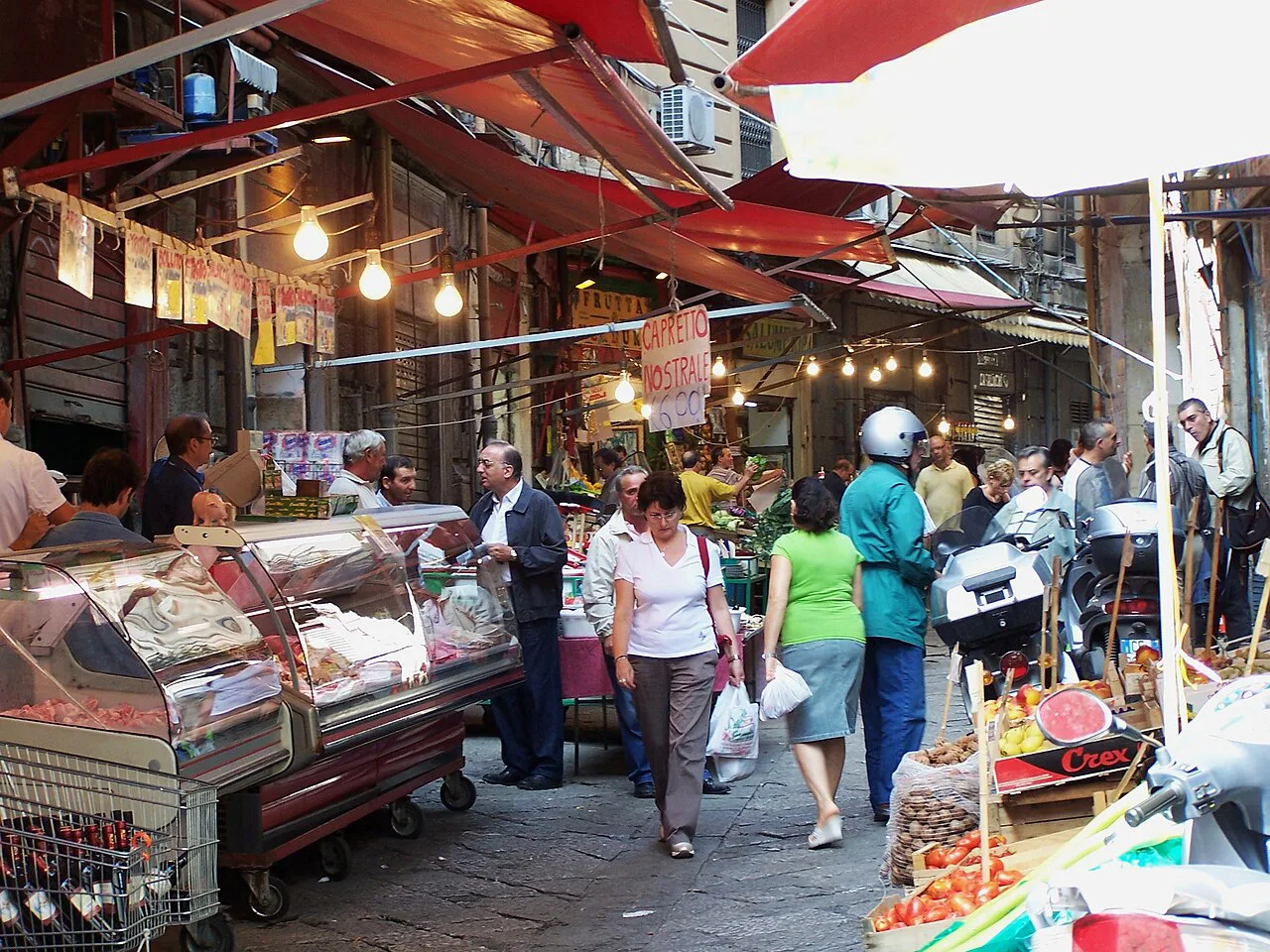
Unlike classes built around a market visit, this one draws on the host's garden and local ingredients rather than a morning at a stall, and guests are shown the garden and olive trees after the meal. If you specifically want to shop a Sicilian market with a cook before you start, look at market-tour formats elsewhere in Sicily instead.
The countryside format: La Cuoca Contadina with Roberta
The Noto class is hosted by Roberta, who lists it as La Cuoca Contadina — the peasant cook — a name that signals home-style, ingredient-led cooking rather than restaurant technique. It runs around four hours and is hosted in Italian, English and Dutch, so a British or Irish visitor can cook and chat in English.
The class is capped at six guests and welcomes ages six and up. The activity level is described as moderate and the skill level as beginner, so occasional cooks and confident ones both fit. Roberta says she learned traditional dishes from her grandmother and cooks with fresh, seasonal, local ingredients.
What you cook: stuzzichini, seasonal pasta, seasonal dessert
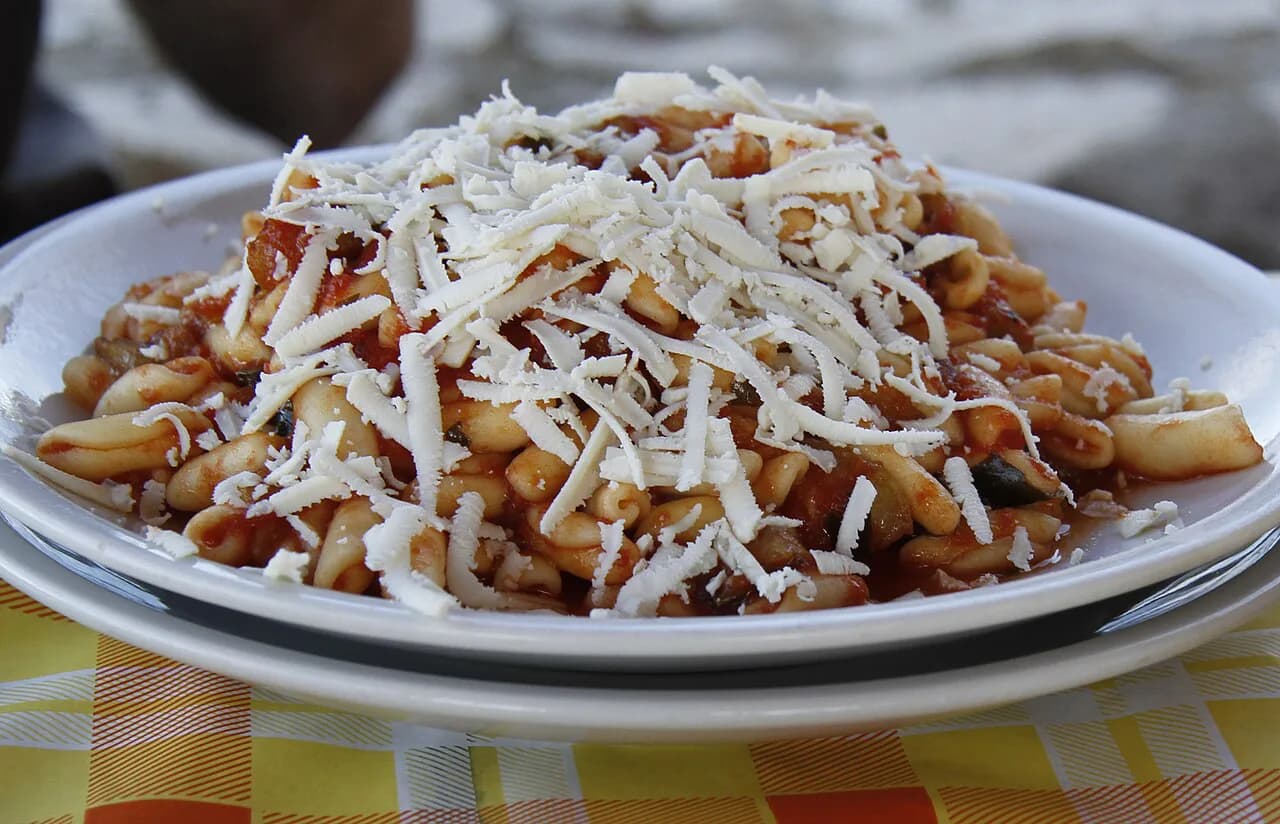
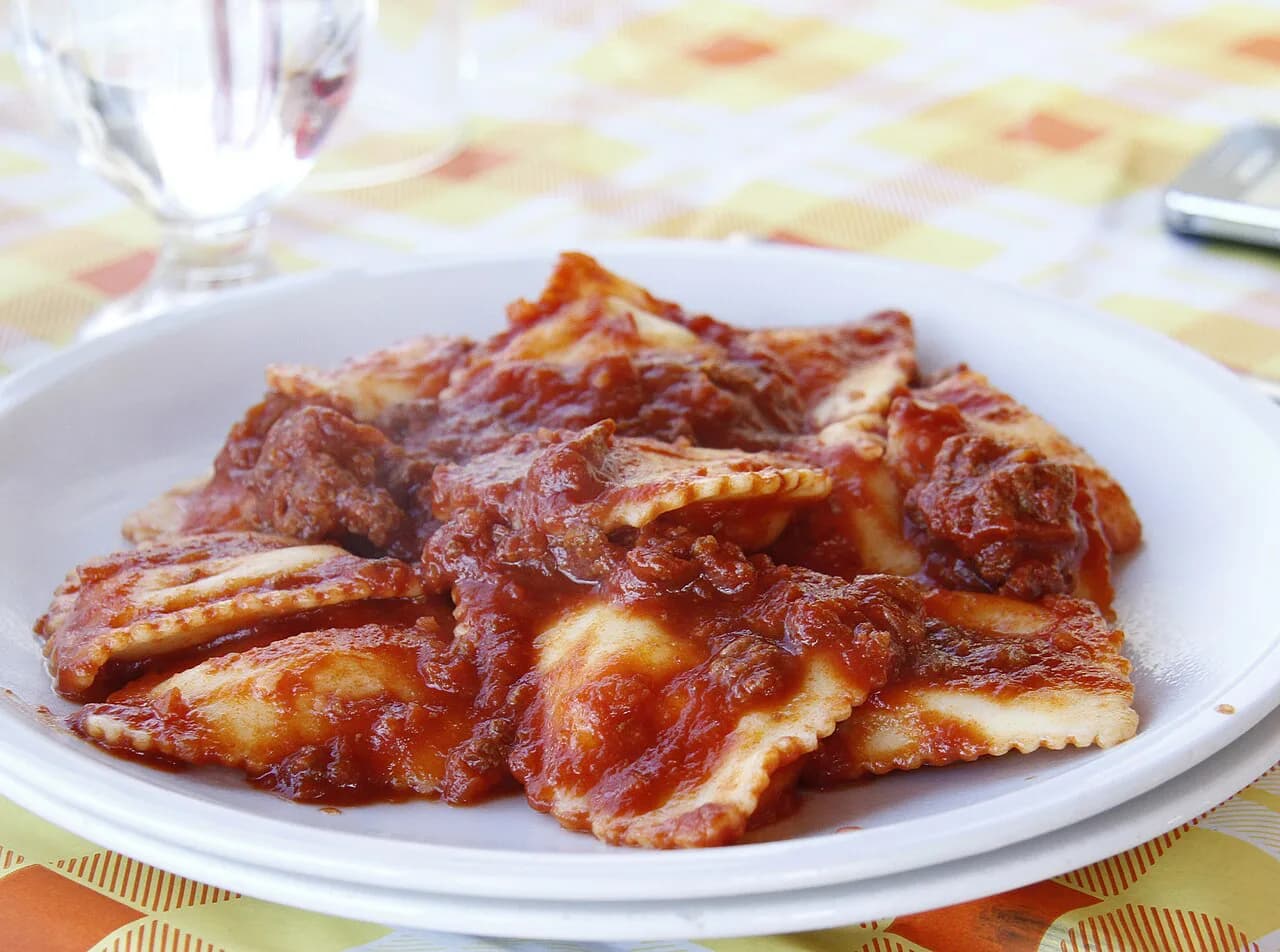
The menu comes in three parts: stuzzichini vari (mixed Sicilian appetisers — small, simple, savoury bites), seasonal fresh pasta made by hand, and a traditional Sicilian dessert. The pasta is a filled shape such as ravioli: both the filling and the seasoning change with the season, and the dessert also varies, so you cook with what is in season rather than a fixed recipe.
The savoury work is dough-based and the day runs carb-heavy as a result. Roberta prepares ingredients before arrival and explains each step clearly, which keeps the pace manageable for beginners, and the closing meal is a full one with local wine. Plan the rest of the day around eating rather than an ambitious lunch afterwards.
How the class runs
You make the appetisers, the pasta and the dessert together, then sit down to eat what you made with local wine. There is no separate demonstration segment — you cook throughout, with the host guiding and explaining as you go — and guests with no cooking experience report enjoying it.
Expect around four hours in total including the meal. A late-morning start finishes in the afternoon and an evening session after dark, so build slack into whatever comes next.
Class size and who it suits
With a maximum of six guests, everyone gets a hand in the dough and a seat at the table. It suits couples, families with children aged six and over, and friends travelling together who want a shared activity, rather than anyone after a large, sociable class where you mostly watch a chef work.
Half-day Noto class versus market-tour formats elsewhere
Sicily's cooking-class market runs from short pasta masterclasses to multi-hour farm-to-table days. A comparison of Sicilian classes across the island shows the spread of formats, durations and prices, which helps if you are weighing Noto against a stop elsewhere on your trip.
The Noto option is a single-venue half-day: no market tour, no moving between sites, and the cooking happens where you eat. That saves time if you want a focused session and a free afternoon, but it gives you less exposure to Sicilian shopping and street food than a market-based format.
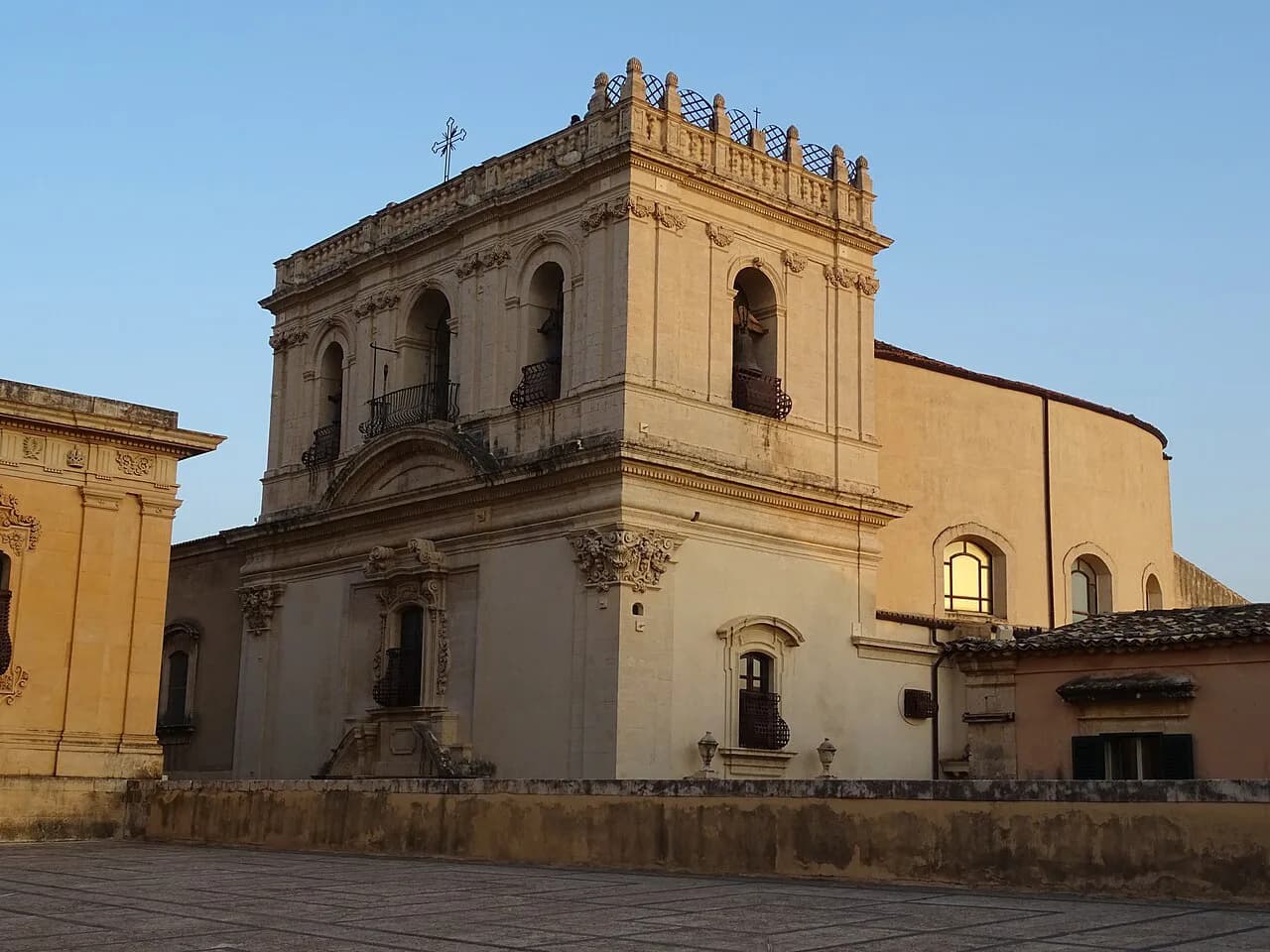
For a sense of how the region eats beyond the class, our guide to the best restaurants in Noto covers the trattorias and osterie in the baroque centre, which is useful for planning dinner the same evening.
Hands-on pasta and pastry versus demonstration classes
Hands-on sessions teach you more per hour because your hands learn the texture of the dough and the point at which pasta is rolled thin enough. In Noto the format is hands-on throughout, dessert included, so you leave with the mechanics of three courses rather than a set of notes. If you would rather drink a glass while someone else cooks, a demonstration format suits better.
Fresh pasta is the through-line of the session, and filling ravioli yourself is a better introduction than a class that only covers sauces. Our pick of the best pasta in Noto covers where to eat it in town, a useful comparison once you have made your own.
Booking practicalities: timing, transport and dietary needs
Availability and dates vary, so check the booking calendar rather than assuming a fixed weekly schedule. The meeting point is in the Noto countryside at La Cuoca Contadina, which means a car, taxi or pre-arranged transfer, and you should arrange the exact location with Roberta when you book.
Raise dietary requirements with the host before booking rather than on the day, since the seasonal menu is built around dough and dessert. Guests with serious allergies report the hosts accommodating them, but that is a matter for direct conversation — and the class runs in English, which makes it straightforward.
Where it fits in a Noto day
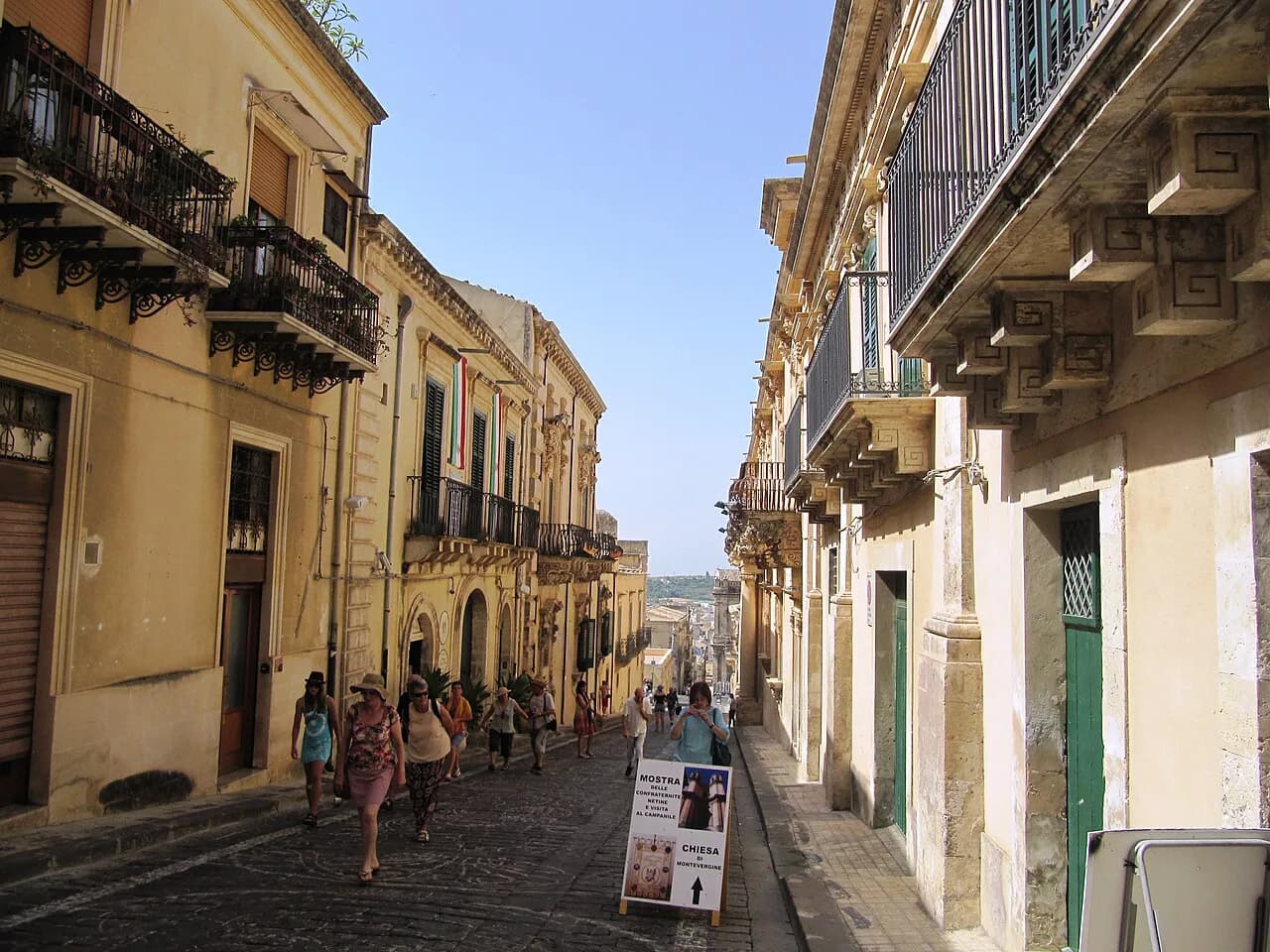
A morning class and lunch is the natural shape: cook through the late morning, eat at the table, then drive into Noto for the afternoon. Noto is compact, so a few hours covers the baroque centre comfortably, and you arrive with lunch already done rather than hunting for a table at peak time.
If you start with the town instead, an afternoon class works, but watch the start time because the session runs around four hours including the meal. Pair the day with our guide to aperitivo in Noto for a drink before an evening meal, or the best gelato in Noto for the walk back through the centre.
Noto sits in the Val di Noto, the south-eastern corner of Sicily known for its baroque towns, and our pick of the best pizza in Noto is the simple fallback for a long cooking day.
Should you book the Noto countryside class?
Book the Noto countryside class if you want a small, hands-on morning in a farmhouse kitchen with a seasonal menu, a proper sit-down meal at the end and a host who cooks in English. It is a sensible choice for families, couples and small groups who value the setting and the cooking over a city market tour.
Look at classes elsewhere in Sicily instead if you want a market tour, a longer day or a bigger group. Either way, the decision comes down to whether you want to drive out of Noto to cook or spend the day walking the baroque centre.
Explore more Noto food guides
Frequently Asked Questions
How long does a cooking class in Noto last?
The countryside class hosted by Roberta runs around four hours, including the meal at the end. That makes it a half-day commitment rather than a quick session, so plan the rest of the day around it.
Are there cooking classes in Noto for children?
Yes. The Noto countryside class welcomes guests aged six and up, with a maximum of six guests in total. Children cook alongside adults rather than being given a separate activity, so it suits families who want a shared experience.
Do Noto cooking classes include a market tour?
The Noto countryside class does not include a market tour. Its ingredients come from the host's garden and local sourcing, and the session is spent cooking and eating on site. Classes with market tours operate in Palermo, Catania, Taormina and Ortigia.
Can you do a cooking class in Noto without a car?
The class meets at a countryside address outside Noto, so you need a car, taxi or pre-arranged transfer to get there. Confirm the meeting point when you book, and factor in the return journey if you are drinking wine with the meal.
Sources
Notes for your next meal in Italy
Optional updates to our food guides.
You might also like


Continue reading
More guides you'll find useful