Cooking Classes in Positano: What Each One Actually Teaches
Compare cooking classes in Positano and on the Amalfi Coast by what they teach, group size and format, from a morning pasta class to a farmhouse lesson with lunch.
On this page
Positano cooking classes fall into two practical shapes: a hands-on session in the village where you make fresh pasta and tiramisù yourself, and a farmhouse class on the slopes above the coast where the lesson comes with a farm tour and a sit-down meal. Morning and afternoon slots exist in both formats, and the differences between them matter more than the price. This guide sets out what each class actually teaches, how big the groups are and which one fits a short stay.
Prices are listed per operator and vary with format and group size, so treat any figure as the published rate for that slot rather than a fixed rate for your date.
What a Positano cooking class usually involves
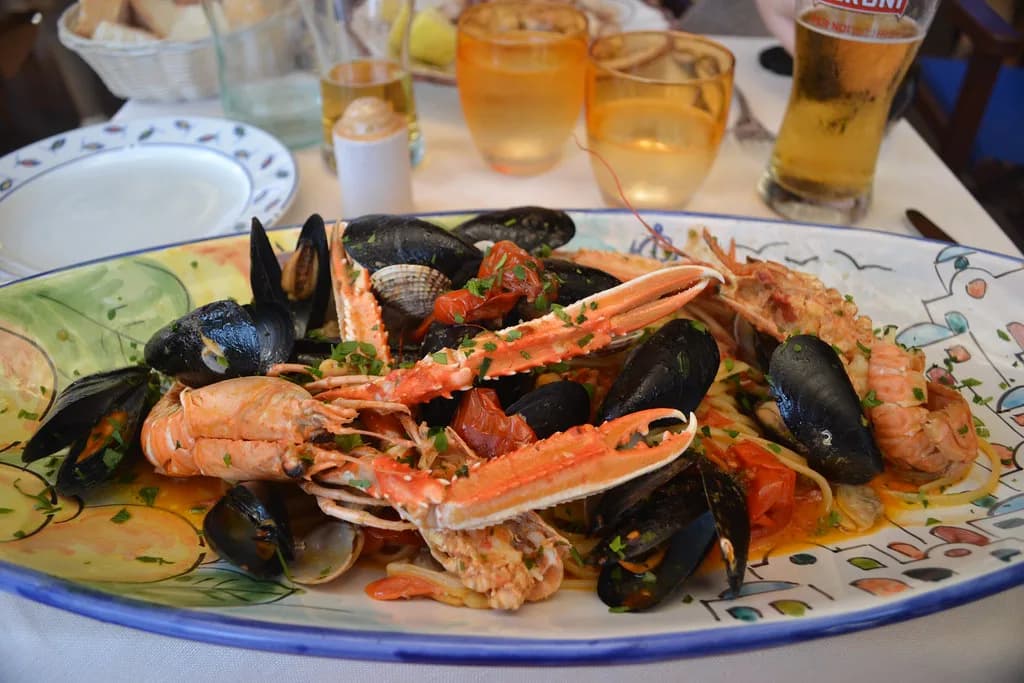
The classes covered here centre on fresh pasta made by hand, and the farmhouse lesson adds mozzarella and tiramisù. The lesson usually ends with the group sitting down to eat what they made, which is why the meal is part of the product rather than an extra.
Expect a few hours from arrival to coffee, with most of that at a work surface. Ingredients are supplied, and you leave with techniques rather than equipment.
The farmhouse lesson at Luna d'Agerola runs for three hours and covers pasta, mozzarella and tiramisù, followed by a tasting of organic wine and a meal.
Morning or afternoon: how the time of day shapes the class
A morning class usually finishes around lunch, and an evening class finishes towards dinner, which is worth planning around if you have a booking elsewhere. Latteria Cooking Class lists a 10.00 session and a 14.00 session every day, plus a 17.00 slot on request, so the schedule itself tells you whether you will be eating at midday or in the evening.
At Latteria the evening class is listed at €200, the afternoon class at €150 and the morning class also at €150. A private class with the same kitchen is listed at €250. These are Latteria's published figures rather than a quote for your date.
Morning suits a travel day, because you cook, eat and still have the afternoon free for the beach or a walk down through the village. A class that ends with dinner covers your evening meal as part of the deal, which can simplify a short trip where every meal has to count.
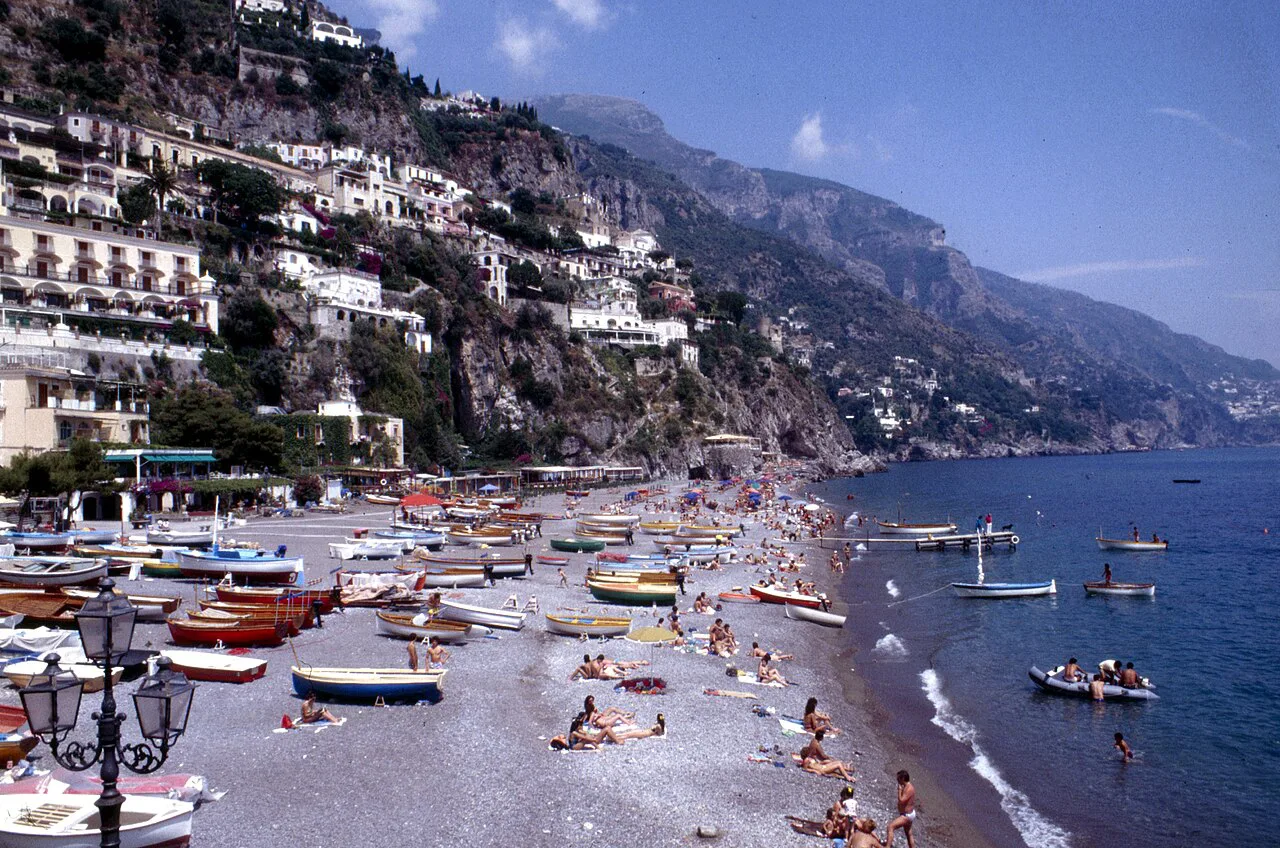
Small group or private class at Latteria in Positano
Latteria Cooking Class sits on Pasitea street in Positano and takes groups of up to 12 people, with private lessons available. Chef Serafina leads the kitchen, and the menu is built around the cooking of Campania, including pasta made by hand as part of a full menu. Because it is in the village, you can walk to it from most of the centre rather than arranging a transfer.
The site lists an aperitif with a pasta show at €40, which is a lighter, shorter option than the full class and suits anyone who wants the demonstration and the plate without a full session at the board. The same page carries contact details and a phone number if you need to ask about dietary requirements before booking.
Choosing private costs more but removes the variable of who else is at your table, which matters for families with young children or anyone who wants to move at their own pace.
Chef Antonio Satriano's one-day pasta class
Chef Antonio Satriano Casola runs one-day classes in Positano focused on traditional pasta making, with the emphasis on technique rather than a single dish. The teaching covers how to pair shapes with sauces and how to build a marinara or a pesto from scratch, which is the sort of grounding that carries over to a home kitchen. He also runs classes elsewhere on the coast, including Maiori, Ravello and Conca dei Marini.
This is the option to look at if pasta is the point of the class for you and you are less interested in mozzarella or dessert. The booking route is a direct enquiry by phone or email rather than an instant online checkout, so ask about dates and what the day includes before you commit.
Farmhouse class with lunch and a farm visit above the coast
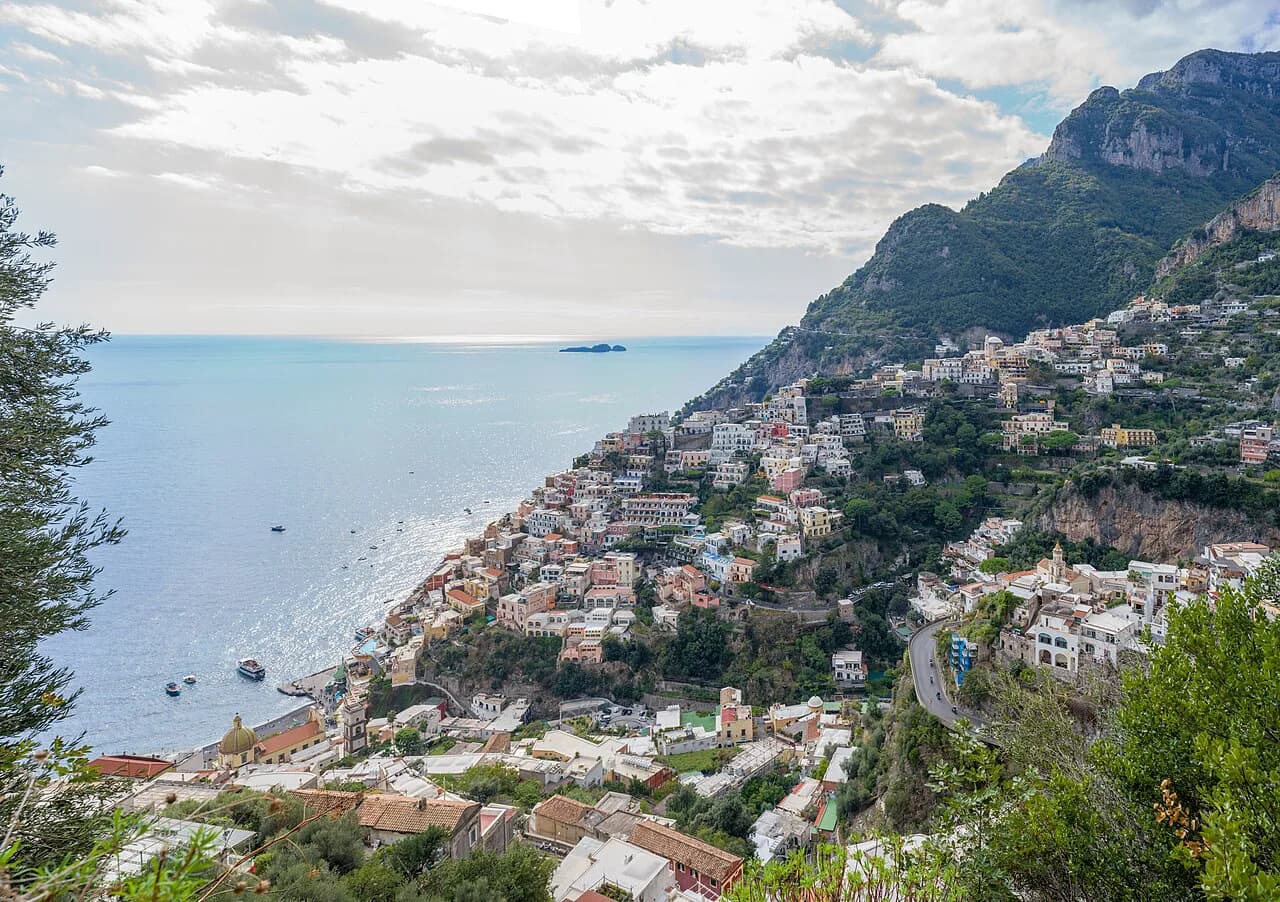
The farmhouse format moves you out of the village to a casale, or farmhouse, on the slopes above the coast with a view over the Gulf of Salerno. Your instructor walks you round the farm, which has been run by the Acampora family for generations, before the cooking begins, and the meal afterwards is eaten on site. That combination of tour, lesson and lunch is what distinguishes it from a village kitchen class.
In this class you make tiramisù following a family recipe attributed to Nonna Maria, then mozzarella using milk from the farm's own cow, then fresh pasta. The session is listed at three hours and includes a tasting of organic wine alongside the meal, and a private version is available.
The tiramisù name is usually explained as coming from the Treviso dialect phrase meaning pick me up, and the dessert is said to have been created in the 1960s; that origin is a claim rather than a settled fact, so take the story as part of the lesson's colour. The farmhouse also appears under the name Luna d'Agerola, taken from a poem by Salvatore Di Giacomo, which the class material links to the property.
The farmhouse operator describes the booking terms as pay-later with free cancellation up to 24 hours before the date, which is worth confirming in writing before you rely on it. That flexibility makes the class easier to slot into a trip where the weather may change your plans.
Hands-on pasta versus an aperitivo with a pasta demonstration
A hands-on class means you knead, roll and shape, and you leave with the muscle memory as well as the meal. A demonstration with an aperitivo means you watch, taste and drink, which suits anyone who would rather not spend the whole session standing at a board.
The two formats are not interchangeable, and the price gap reflects that difference rather than quality.
If you want the full pasta experience and a proper meal afterwards, book the class; if you mainly want to see how it is done and eat well, the shorter format does the job and leaves the rest of the day open.
Group size, language and whether children or non-cooks fit in
Group size drives the experience more than anything else on the booking page. Up to 12 people means you get attention at the board; a private class means the pace is yours. Latteria publishes its cap of 12 and its private option, so you can see exactly what you are buying before you pay.
The farmhouse class lists English and Italian as the languages of instruction, so a booking page that names both is a good sign that the instruction will be clear. Children and non-cooks usually join as eaters, and it is worth asking the Acampora family directly whether a young child can take part in the cooking or only at the table.
Dietary requirements need raising before the day, not on arrival. The farmhouse operator's FAQ addresses what happens if there is something you cannot eat, so ask at the point of booking to avoid a disappointment at the board.
How to choose a class that fits your day in Positano
Decide first whether you want to leave the village. A class on Pasitea street fits neatly between a morning swim and an afternoon walk, while the farmhouse class takes a half day once you count the transfer and the meal.
Second, decide between manipulation and observation. If you want your hands in the flour, book a hands-on pasta class; if you want a plate and a glass with a view of the technique, an aperitivo with a pasta show covers it for €40.
Third, match the class to the rest of your eating. A cooking class can double as lunch or dinner, which frees up a slot for one of the best restaurants in Positano later in the trip, or for a table at the best pizza in Positano if you want a casual evening.
Book the class early in the stay rather than on your last day, because the pay-later terms and the cancellation window give you room to move it if the weather turns. A flexible booking made in advance is the safer plan.
Which Positano cooking class should you book?
Book the farmhouse class if you want the full arc of farm tour, pasta, mozzarella and tiramisù with a meal and a view, and accept that it takes a half day. Book the village class on Pasitea street if you want to stay central and walk to the kitchen, or choose its shorter aperitivo format if you mainly want to watch and eat.
Whichever you pick, confirm the slot, the group size and the cancellation terms before you pay, and check the class is taught in a language you are comfortable with. That is the whole trade-off: location, format and how much of your day you are willing to give up.
Explore more Positano food guides
Frequently Asked Questions
Do Positano cooking classes cater for vegetarians or other dietary needs?
Raise dietary requirements when you book rather than on the day. The farmhouse operator's FAQ covers what happens if there is something you cannot eat, and asking directly by phone or email before you pay puts the request in writing.
Can children join a cooking class in Positano?
Some classes are set up for groups of up to 12 and can be made private, which makes them easier for families. Ask when you enquire whether a child can cook or only eat at the table, and mention ages so the answer is specific.
How long does a cooking class in Positano take?
The farmhouse class at Luna d'Agerola is listed as three hours, including the farm visit, the lesson and the meal. Latteria runs morning, afternoon and evening slots, so check the start time against the rest of your day before booking.
Is a cooking class a good substitute for lunch or dinner in Positano?
Yes, in most formats. The class usually ends with a sit-down meal made from what you cooked, so it covers a main meal of the day and frees a slot for somewhere else on your list.
Sources
Notes for your next meal in Italy
Optional updates to our food guides.
You might also like
Continue reading
More guides you'll find useful