Trattorias in Pisa: Five Family-Run Places and What to Order
Five trattorias in Pisa where the cooking stays Tuscan and the welcome informal, with the dish to order at each and how to tell a trattoria from a ristorante.
On this page
The quickest answer to eating well in Pisa is to pick a trattoria rather than a restaurant: an informal room, a short Tuscan menu and a bill that stays modest. Five names anchor the choice — Da Stelio in Piazza Dante, Sant'Omobono on its own piazza, La Ghiotteria in the centre, La Tortuga across the river on Via Lucchese and Da Mario beside Piazza dei Miracoli. This guide sets out what each one cooks, which dish to order first and how to slot them into a day in the city.
What makes a trattoria in Pisa different from a restaurant
A trattoria is the everyday end of Italian eating out: a modest, family-run room with traditional cooking, a shorter menu and less ceremony than a ristorante. The osteria is the older cousin, historically a simple wine-serving tavern that now often serves a small food menu too. In practice the lines blur, and in Pisa several places carry both words in their name.
What that means for your booking is straightforward. You come for Tuscan home cooking and honest prices rather than a tasting menu, so a trattoria suits lunch after the sights, a slower dinner or a meal with children. If you want a wider dining shortlist with different price levels and settings, the guide to the best restaurants in Pisa sets trattorias alongside the city's other tables.
The cooking is the point, and it is overwhelmingly Tuscan: bean soups, ribollita, pappa al pomodoro, grilled meats, and along the coast-facing edge of the province, fish. Order in courses — a primo of pasta or soup, then a secondo of meat or fish — and you eat the way the city does.
Trattoria Da Stelio in Piazza Dante: simple, traditional cooking
Da Stelio sits at Piazza Dante Alighieri 11, in the heart of the walking centre south of the Arno. The kitchen keeps to simple, traditional dishes, and the family-style room is the reason to come rather than a special-occasion setting. It is a sensible first stop if you arrive by train and want a proper sit-down meal before crossing towards the Torre.
Order along classic Tuscan lines: a bean or bread soup to start, then a grilled secondo, with a glass of local red. Portions and prices are pitched for regulars, so it works as well for a weekday lunch in the centre as for dinner.
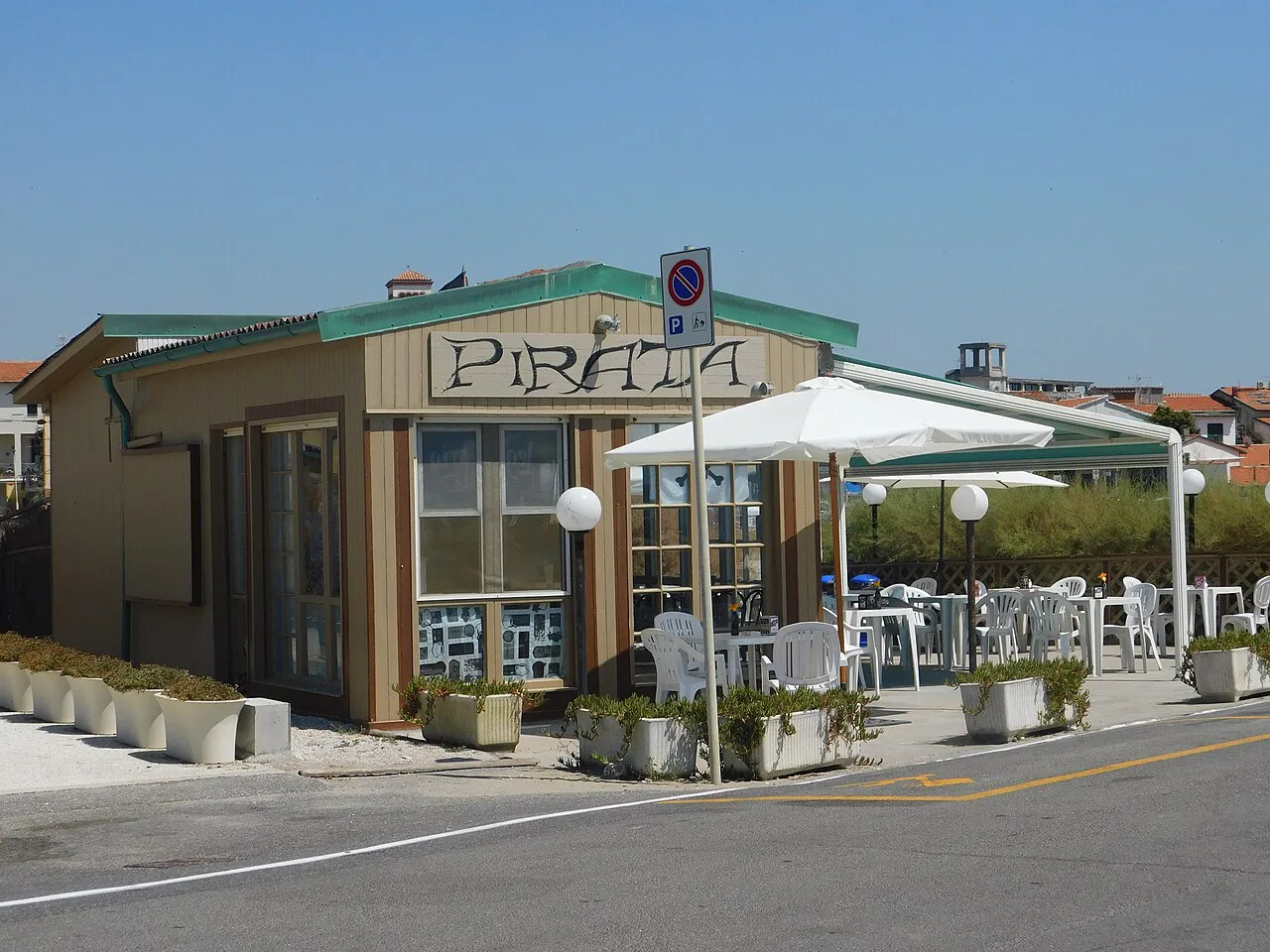
Trattoria Sant'Omobono: Tuscan plates on the square of the same name
Sant'Omobono occupies Piazza Sant'Omobono 6, a small square south of the Arno and handy for the market streets around Piazza delle Vettovaglie. The menu is squarely Tuscan, built on plain ingredients cooked with care, and the service is part of why it gets recommended.
This is a good address for a lunch that starts with a look around the food markets in Pisa and continues over a plate of pasta and a secondo. Because the room is small and central, it fills at peak lunch, so arrive early or book ahead where the restaurant takes bookings.
Trattoria La Ghiotteria: a small room in the centre and the spaghetti allo scoglio
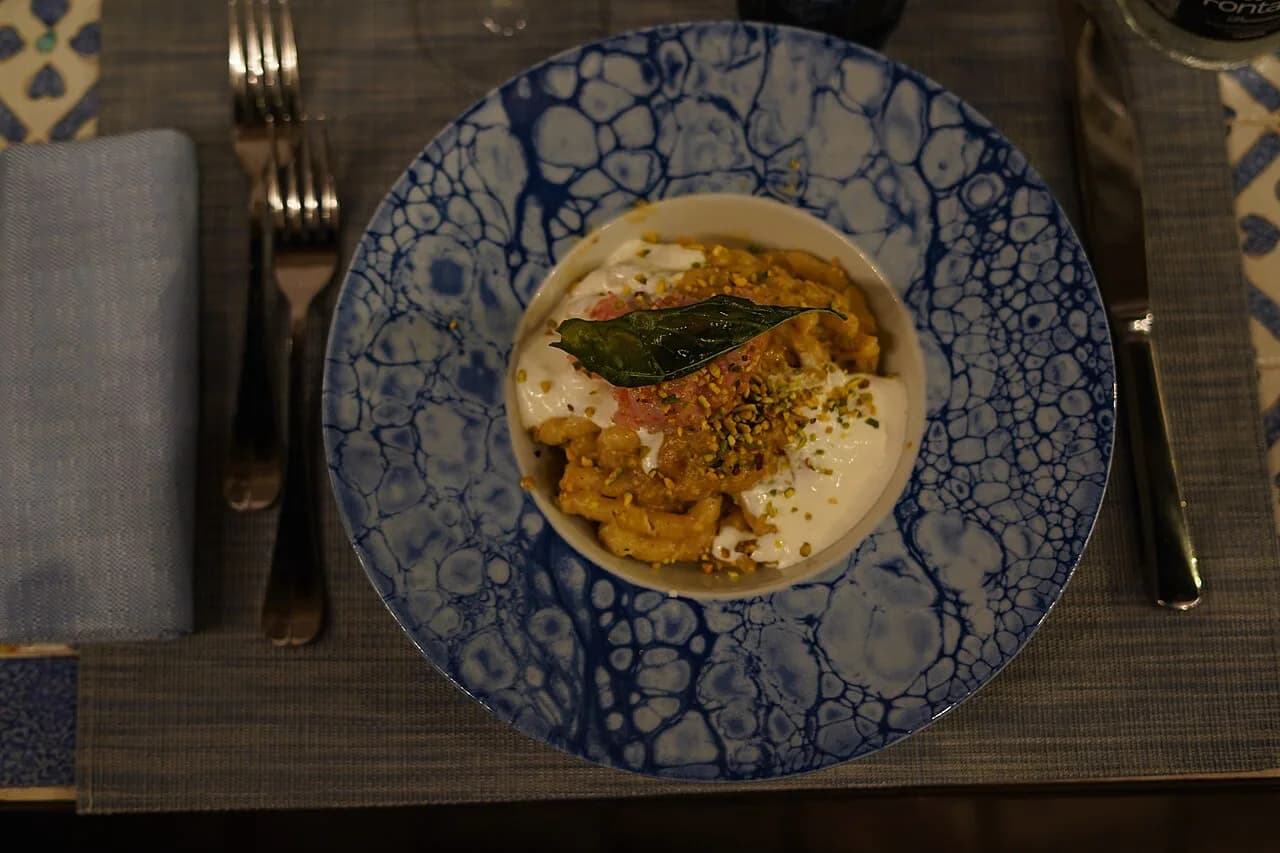
La Ghiotteria is tucked into Vicolo delle Donzelle 9/11, a narrow lane in the historic centre north of the Arno. The dining room is small and welcoming, which makes it a place to settle in for a full lunch rather than a quick plate. The dish to order is the spaghetti allo scoglio — spaghetti with a mixed catch of shellfish and seafood.
Seafood pasta is the obvious choice here for first-timers, and it makes a natural primo before a secondo of fish. If pasta is what you plan your day around, the guide to the best pasta in Pisa puts this and other plates in context.
Book in advance if you want a weekend evening, because a room this size depends on turning tables. Lunch is often the easier slot for walk-ins.
Trattoria La Tortuga on Via Lucchese: seafood, and the spaghetti alle vongole
La Tortuga stands at Via Lucchese 33/A, north of the Arno and away from the Torre crowds. The kitchen works with fresh fish and seafood, and the spaghetti alle vongole — spaghetti with clams, garlic and parsley — is the plate to order first. It is the place in this set for anyone who wants a fish-led meal rather than a meat one.
Follow the clams with a grilled or baked fish for a secondo and keep the rest simple. Because the focus is the catch, ask what is on offer that day rather than working from the printed list alone.
Ristorante Trattoria Da Mario near Piazza dei Miracoli: rustic and polished in one room
Da Mario is at Via Luigi Bianchi 19, a few minutes from Piazza dei Miracoli and the Leaning Tower, making it a practical base when the day is built around the monuments. The cooking is typical Tuscan, and the room mixes rustic and polished touches, so it sits between a family trattoria and a smarter restaurant.
Order a classic Tuscan antipasto to share, then a pasta or soup, then a grilled meat. Because it is close to the main sight, book ahead for dinner and expect the strongest demand at lunch in high season.
How to order: primi, secondi and the Tuscan dishes worth choosing first
The structure is the same in every trattoria here: antipasti to share, a primo of pasta, soup or rice, then a secondo of meat or fish, with contorni of vegetables on the side. Ordering two primi and one secondo between two people is a common way to keep the meal light without skipping courses.
Among Tuscan plates, look for ribollita (a thick bread and bean soup), pappa al pomodoro (a bread and tomato soup), pici (hand-rolled thick spaghetti), and grilled meats such as bistecca. Fish dishes dominate wherever the kitchen leans towards the coast, which is why the spaghetti allo scoglio and alle vongole appear as house specialities.
If you want pizza instead of a sit-down meal, the guide to the Best Pizza in Pisa covers the city's pizzerias, and pizza is a different evening from a trattoria dinner.
Booking, closing days and paying: what to sort before you go
Small rooms like La Ghiotteria and Sant'Omobono fill quickly, so it is worth ringing or booking online for dinner and for weekend lunch. Walk-ins work better at lunch on weekdays, when tables turn through the afternoon.
On paying, Italian restaurants normally add a coperto (a per-person cover charge for bread and service), and the amount varies by venue, so it appears on the bill rather than in advance. Many trattorias accept cards, but carrying some cash is a useful fallback for small bills.
Start your day with breakfast in Pisa before a late trattoria lunch; the gap between the two is long and a pastry and coffee carries you through.
Which trattoria suits your day in Pisa
For a first trip built around the Torre, choose Da Mario for convenience and a room that feels a step up from the everyday. For a slow central lunch, Da Stelio in Piazza Dante and Sant'Omobono on its own square are the easiest fits, while La Ghiotteria rewards anyone who wants a small, focused room and the spaghetti allo scoglio. If fish is the goal, cross the river to La Tortuga and order the clams.
Book dinner ahead where you can, order in courses and carry a little cash as a fallback. That is enough to eat in Pisa the way the city does, one trattoria at a time.
Explore more Pisa food guides
Sources
Notes for your next meal in Italy
Optional updates to our food guides.
You might also like
Continue reading
More guides you'll find useful