Cooking Classes in Siena: City or Countryside?
Cooking classes in Siena run in the centro storico or out in the Crete Senesi hills. Here is what each format teaches and what to weigh up before you book.
On this page
Choose a cooking class in the centre of Siena if you have only a few hours and want to walk there from your sightseeing; choose a countryside class in the Crete Senesi hills if you can give up half a day and want a small group, an estate kitchen and a long shared meal at the end. Both formats are built around Tuscan cooking, and neither expects you to have cooked before.
This guide sets out what a Siena class actually teaches, how the city and countryside versions differ in access, group size, duration and what is included, and the questions that separate a hands-on lesson from a demonstration. It ends with how to reach a rural kitchen without a car.
What a Siena cooking class actually teaches
The core of a Tuscan lesson is fresh pasta. Pappardelle, pici and tagliatelle feature on the menu at Tenuta Torciano's cooking school, which is chef-led and ends with a meal of what you have made, served with local wines and olive oil. Note that Torciano's estate is at San Gimignano, not in Siena itself, so treat it as a countryside option rather than a centre class.
For a longer, professional view of the arc, a 60-hour cookery course advertised for Siena covers hygiene and HACCP rules, base sauces, stocks and thickeners, antipasti and finger food, risotti, egg and flour pasta, roasts and braises, then pastry; the provider lists it as planned rather than scheduled, so it is training content, not a visitor class you can simply book.
At Tenuta Torciano the cooking school is built around pasta and traditional Tuscan recipes, taught by a chef and followed by a meal with local wines and olive oil. That combination — you cook, then you sit down and eat what you made — is the standard shape of a visitor class, and it is worth checking whether the estate is close enough to your Siena base for the day you have.
Classes in the centro storico: walkable and easy to slot into a day
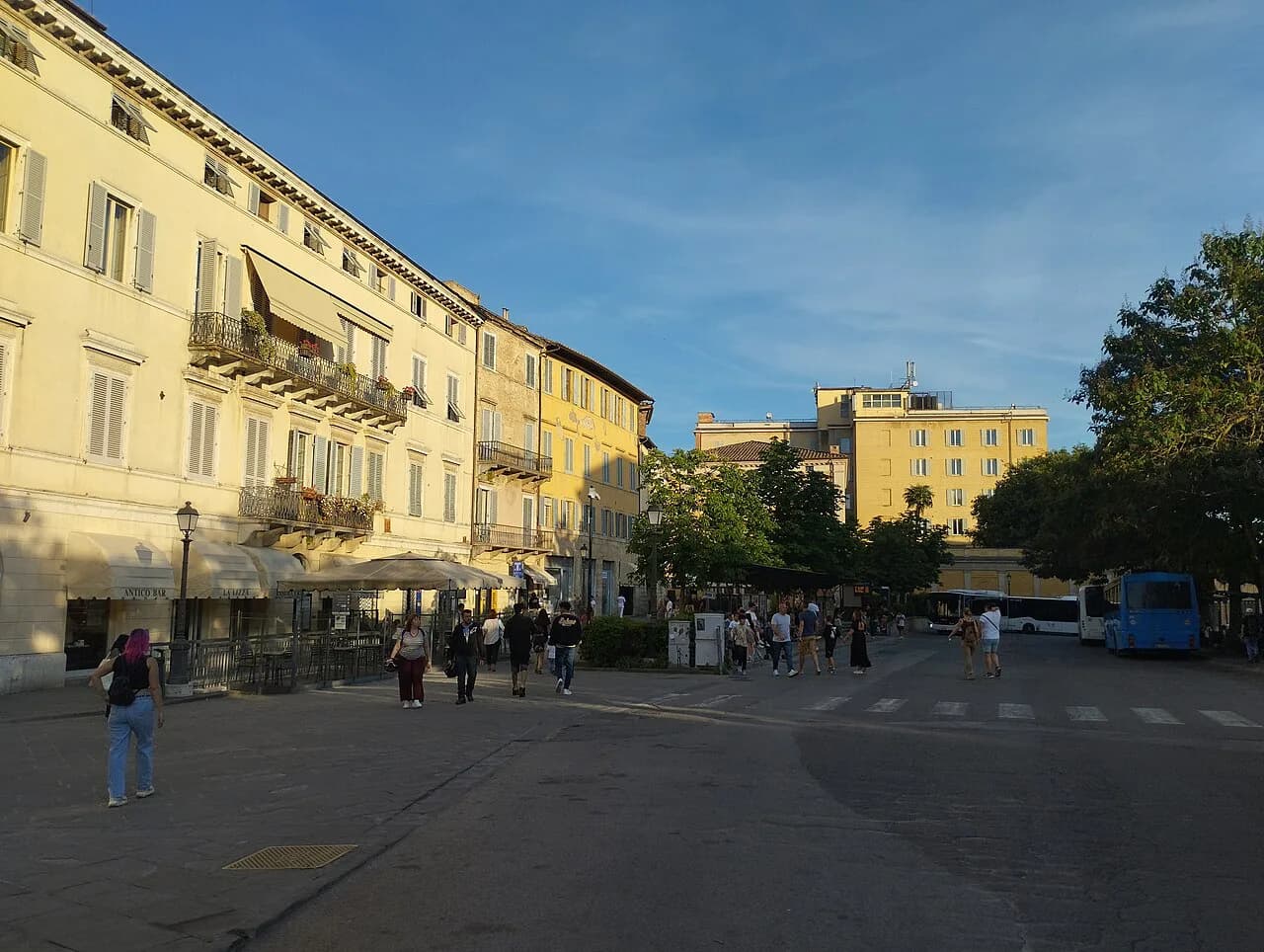
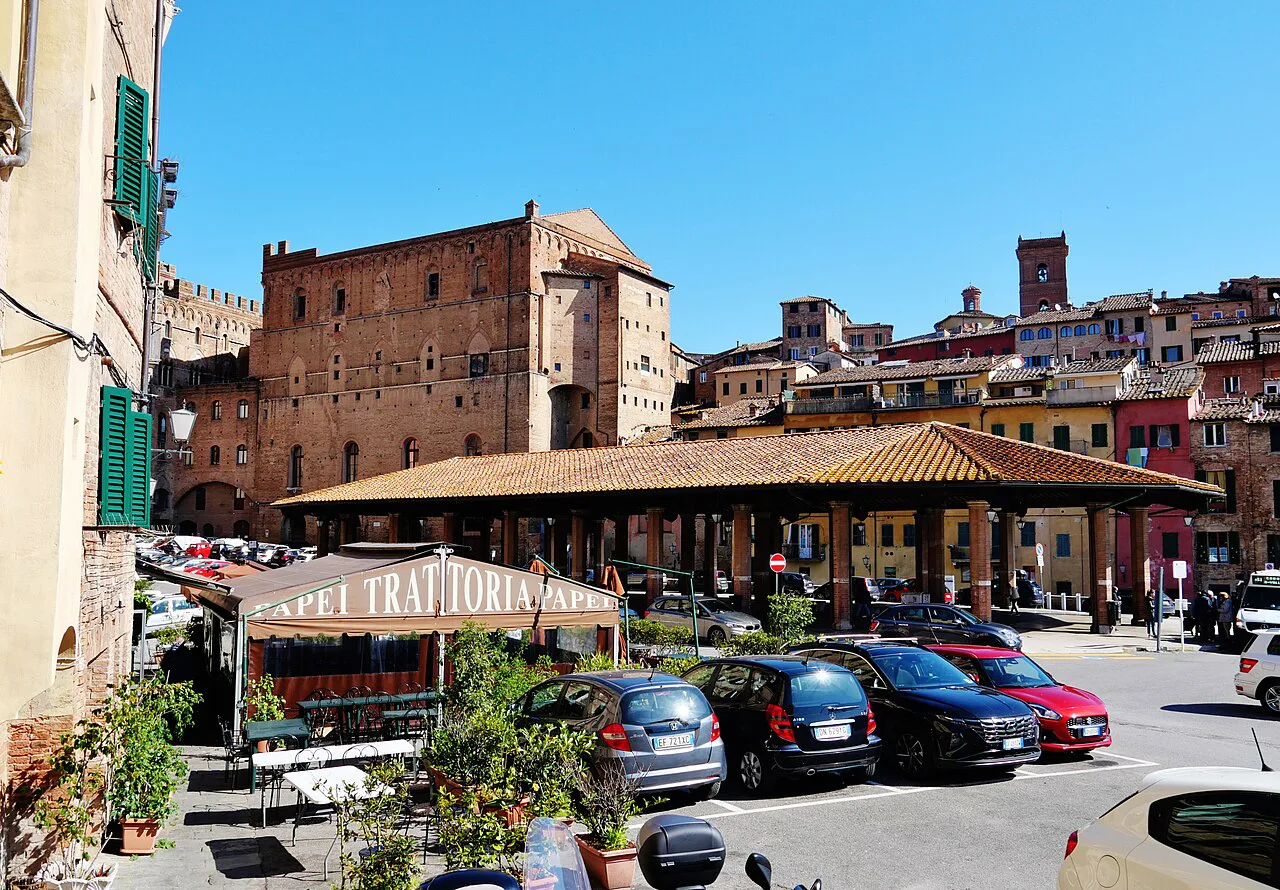
A city class wins on logistics. Lessons in the historic centre are reachable on foot from the main sights, often sit inside historic palazzi, and fit neatly into a day already spent wandering between the Duomo and the Campo. If Siena is a stop on a longer Tuscan trip rather than a base, this is the version that costs you least time.
The trade-off is scale. City lessons tend to run with larger groups and a set menu designed to give a broad overview of Tuscan cooking in a short window, which can feel packaged rather than personal. If you want to be elbow-to-elbow with the person teaching you, the centre is not where that happens.
Build the class into a proper eating day: a morning lesson leaves the afternoon free for the best restaurants in Siena at dinner, or for a walk to the Campo with a gelato from one of the city's best gelaterie. It also means you can stay in the centre without arranging transport.
Classes in the countryside: small groups and estate kitchens
Out in the hills the format changes. You arrive at a tenuta or agriturismo surrounded by vineyards and olive groves, cook in a family kitchen with ingredients from the garden or nearby producers, and work in a much smaller group. The trip out is part of the experience rather than dead time.
These sessions tend to run longer and often fold in a walk through the vegetable garden before you sit down. The final meal becomes the centrepiece — a full lunch or dinner of everything you prepared, usually with the estate's own wine on the table.
The surrounding countryside sets the character: the bare clay ridges of the Crete Senesi, the vineyards of Chianti, the rolling farms of the Val d'Orcia are the settings that frame these lessons. Monteaperti, just east of Siena, is one base for classes of this kind.
City or countryside compared
Set the two side by side and the decision usually makes itself. The city is more accessible if you are on foot or short of time; the countryside asks you to travel but delivers a more personal kitchen, smaller groups and a longer, more complete day.
On price the two are often close, but a countryside class typically bundles more into the fee — the lesson, the full meal and the wine — so the headline figure buys a bigger share of the day. Compare what is inside the price, not just the number.
Duration follows the same logic. A city lesson can be squeezed into a couple of hours around other plans; a rural one usually wants half a day, garden visit and meal included. Decide first how much time Siena has to give.
What to ask before you book
Ask whether the lesson is hands-on or a demonstration. A chef cooking while you watch is a different product from one where you roll your own pici, and the price does not always signal which you are getting. Ask plainly and get an answer in writing.
Then ask how many people are in the group, whether the final meal is included, and whether wine comes with it. If you want a private session, many estates and agriturismi arrange one for couples, families or groups of friends if you contact them ahead.
Two more worth raising: are the ingredients local and seasonal, and does the person teaching have a real link to the area? The answers tell you more about the experience than any brochure photograph.
What a class costs and how to judge value
As a benchmark, a complete countryside class with lesson, meal and wine is quoted at around 90 to 150 euros per person. Treat that as a range for the format, not a fixed price: what you pay depends on duration, group size and how much is folded into the day.
Judge value by unbundling it. A higher fee that covers a hands-on lesson, a full multi-course meal and local wine can work out cheaper than a lower fee with the meal charged separately. A larger group usually means less attention per person.
Fees change with the season and the individual school or estate, so ask for the current figure when you enquire rather than relying on any published range.
Practical points: experience, seasons and timing
No cooking experience is needed. Countryside classes are pitched at all levels, and the person running the kitchen guides each participant step by step, so a complete beginner can keep up.
Classes near Siena run through the year, with menus adapted to the season. Autumn is the richest moment, when truffles, the grape harvest and new olive oil all arrive at once.
If you are travelling in autumn and want the truffle, grape-harvest or new-oil menu, ask which seasonal ingredients the class will use so you know whether you are getting truffle or a summer vegetable menu.
Getting to a countryside class without a car
The countryside option usually requires getting out of Siena, which is the deciding factor for anyone arriving by train. Ask the school directly whether it arranges a transfer or pickup from the city, and how long the journey to the kitchen takes.
Ask Le Pietre Vive whether it arranges a transfer or pickup from Siena; a single reminder to check current prices or dates applies here, so confirm the arrangement at the time you enquire. If no transfer is offered, weigh up a taxi or a pre-arranged driver against the convenience of a centre class on foot, and get the arrangement in writing before you rely on a pickup from Monteaperti.
Either way, do not try to bolt a half-day rural class onto a tight departure day. Leave room on both sides of the lesson and you will enjoy the cooking and the meal rather than watching the clock.
Who each format suits
Couples and families often do best in the countryside: small groups, a more relaxed pace, and a long lunch at the end. Groups of friends also tend to prefer the rural setting, where the meal can stretch into an afternoon.
Short-stay visitors, solo travellers and anyone without a car are better served by a centre class. It slots into a day of sightseeing, needs no transport, and still gives you the essentials of Tuscan pasta-making.
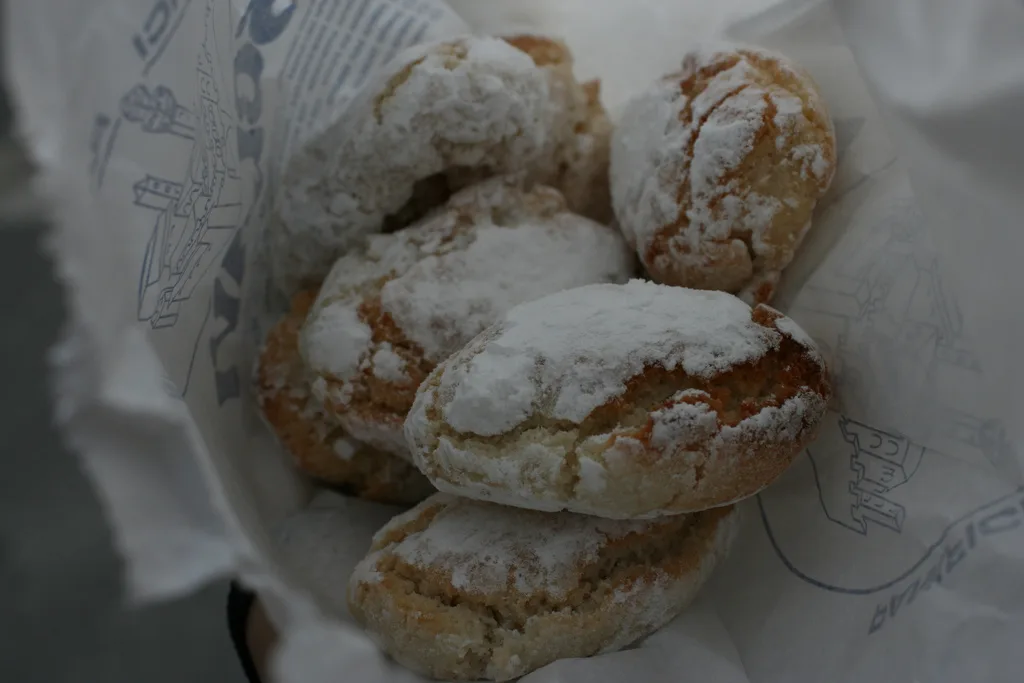
Whichever you pick, pair the class with the city's own food: ricciarelli and panforte from the old pasticcerie make a good edible souvenir of a Siena day.
City kitchen or country estate?
Pick a centre class if time and transport are tight, and a countryside class in the Crete Senesi or Chianti if you can give half a day for a smaller group and a proper meal at the end. Both teach you fresh pasta; they differ in pace and atmosphere, and estates such as Torciano sit outside the city. If you end up heading north, this San Gimignano guide covers where to eat at midday.
Before you commit, ask whether it is hands-on, how many people share the kitchen, and whether the meal and wine are in the price. Those three answers matter more than the school's photographs.
Explore more Siena food guides
Frequently Asked Questions
Do cooking classes near Siena run all year?
Most run throughout the year, with menus adapted to the season; autumn is especially rich because truffles, the grape harvest and new olive oil all arrive together.
Do I need to know how to cook to join a class in the countryside?
No. Countryside classes are pitched at all levels, and the person running the kitchen guides each participant step by step, so beginners can keep up.
Can you book a private cooking class near Siena?
Yes. Many estates and agriturismi arrange private sessions for couples, families or groups of friends if you contact them in advance to set up a programme.
What do you eat at the end of a Tuscan cooking class in the countryside?
Everything you prepared: typically an antipasto, a fresh pasta primo, a second course and dessert, eaten together with wine at the end of the lesson.
Sources
Notes for your next meal in Italy
Optional updates to our food guides.
You might also like
Continue reading
More guides you'll find useful