
Antica Salsamenteria Tamburini: Bologna's Historic Salumeria

Antica Salsamenteria Tamburini is a historic salumeria, meaning a cured-meat shop, and gastronomia on Via Caprarie in the centre of Bologna, just south of Piazza Maggiore and at the edge of the Quadrilatero food quarter. Come for a tagliere of sliced salumi and cheeses, for fresh pasta and prepared dishes to take away, or for a sit-down plate at its VeloCibò tavola calda, a hot-food counter. This guide covers what the shop is, what to order and how long to allow.
What Antica Salumeria Tamburini is
This is a working salumeria and gastronomia rather than a restaurant: a counter selling cured meats, cheeses, fresh pasta and prepared dishes, with tables attached. Its gastronomy counter is known across Bologna for typical plates and for boards of cheese and salumi served alongside local wines. It is the kind of place where you can buy salumi to take home, or sit down for a full plate of tortellini.
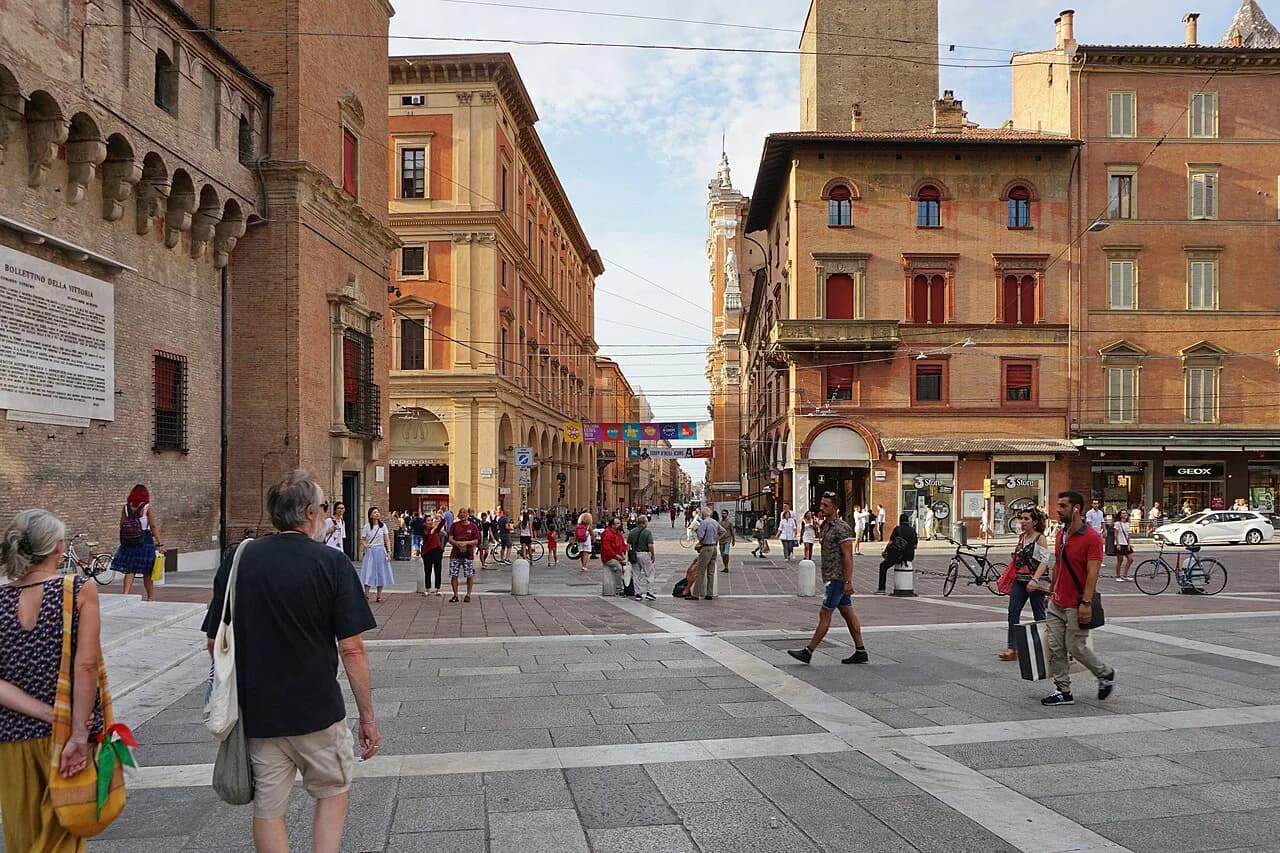
The address is Via Caprarie 1, in the compact grid of food streets south of Piazza Maggiore known as the Quadrilatero. That position makes it an easy stop while you walk through the quarter. For the wider picture of the area, the Bologna Attractions: 6 Visitor Guides page is a useful companion.

Where it is and how to reach it
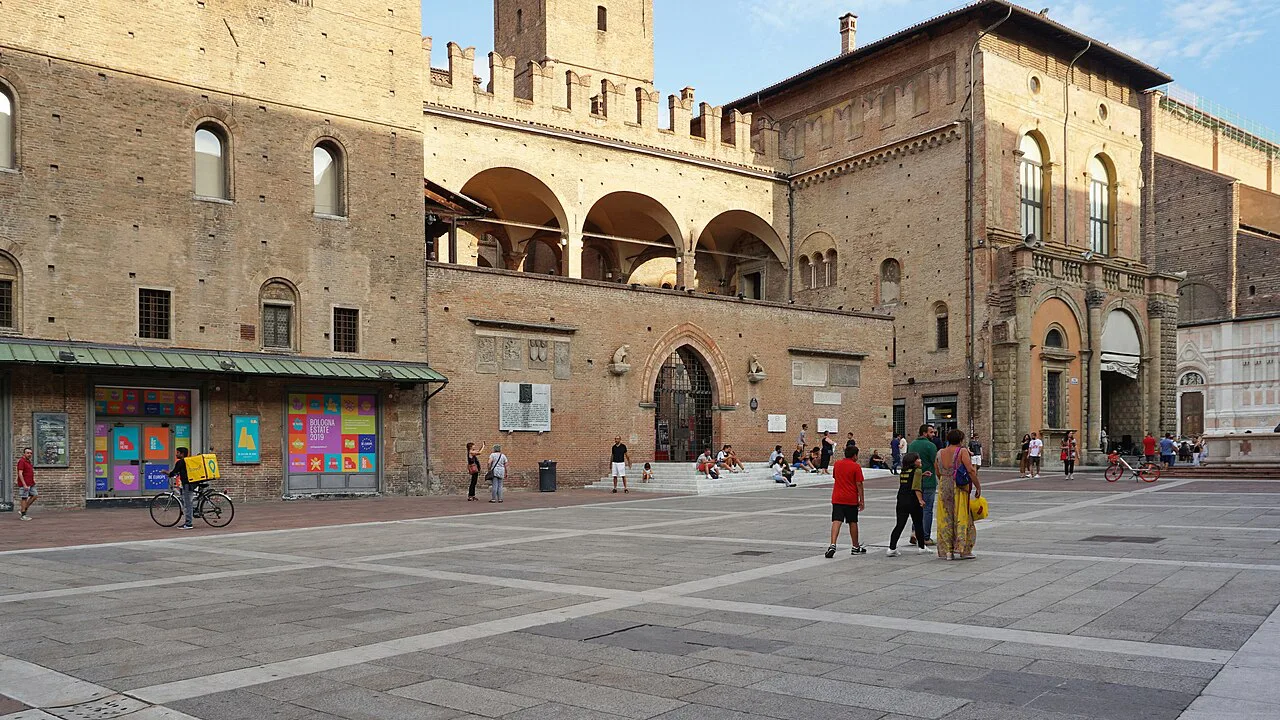
From Piazza Maggiore, walk south into the lanes towards Via Caprarie; the shop sits in the pedestrian heart of the centre, so you arrive on foot. From Bologna Centrale station, take a bus to the centre and finish on foot. The salumeria is best reached as part of a walk through the centre rather than by car.
Because the streets here are narrow and pedestrianised, plan your approach from the piazza side and expect to pass other food shops and market entrances on the way. The Quadrilatero, Bologna page maps out the surrounding lanes so you can plan a route through the food quarter rather than doubling back. Allow a few extra minutes to find the door, since the shopfronts in these lanes sit close together.

The shop's history
The history is set out in a Resto del Carlino article reprinted by Ascom Bologna: the Benni family started producing salumi in 1860, and the Tamburini family, who came from Baricella, took over the business in 1932 after two brothers had worked for Benni. That handover is why the name carries both a nineteenth-century past and a twentieth-century identity.
The Tamburini family had been involved in the trade from 1907, and the shop has run as a family business since the handover. That continuity is the reason the place feels like a shop first and a dining room second.
The VeloCibò dining room and its old pulley
One of the two VeloCibò dining rooms still holds a pulley system with hooks, used to move cuts of pork around the shop and dated to the late nineteenth century. It is the most concrete thing to see inside, and it explains how a salumeria of this age actually worked, moving heavy cuts between floors and rooms. The older equipment is tied to the shop's earliest trade, and the surviving pulley sits above the dining-room floor, so look up when you sit down rather than at the display case alone.
Give it a minute before you eat: the pulley is the reason this stop reads as more than a sandwich counter.
Ordering at the counter
At the counter you order by pointing and asking for a tagliere, a sharing board of sliced cured meats and cheeses, which the shop serves as its signature antipasto. The gastronomia side sells prepared dishes and fresh pasta, so you can choose between a board to eat in, a plate of pasta, and items to take away. Decide whether you are eating there or shopping before you reach the till.
For a lighter stop, ask for a mixed board and a glass of local wine; the listing notes a selection of local wines alongside the food. For something hot, move to the prepared dishes and pasta rather than the salumi counter.
The dishes worth ordering
Start with the pastas that define Bologna: lasagne alla bolognese, tortellini with ragù or with a cream of Parmigiano, tortelloni filled with zucca (pumpkin) or dressed with butter and sage, and tagliatelle al ragù. The listings also name salsiccia with friggione, a slow-cooked sweet-and-sour onion stew that is a Bolognese staple and the best pairing on the menu for sausage. Order two or three between a couple and share, since portions here are plates rather than tasting sizes.
If you only have room for one cooked dish, make it the tortellini: the filled pasta is the shop's most Bolognese plate, and the ragù version is the safer order for a first visit. The tortelloni with zucca suit anyone who wants something sweeter and lighter. Desserts are a short house selection rather than the point of the visit, so spend your appetite on the pasta and the board.
VeloCibò, the tavola calda side
VeloCibò is the shop's tavola calda, a hot-food counter open every day with a menu of Bolognese tradition. Expect antipasti such as mixed salumi and cheese boards, seafood salads and a prawn catalana; first courses including tortellini pasticciati al ragù, green lasagne alla bolognese and gramigna with sausage; and secondi such as mixed roasts, baked fish and scaloppine alla Bolognese. One of the two dining rooms still holds the nineteenth-century pulley with its hooks.
The tavola calda is open daily from 12.00 to 18.00, and the shop keeps longer hours on either side; the house notes that counter service is currently à la carte rather than self-service. Treat lunch as the moment to use it, and arrive earlier rather than later if you want the full spread.
The difference from the shop counter is the format: the shop is for buying and boards, while VeloCibò is for a seated plate of cooked food. If you want lasagne or a hot secondo, head for the tavola calda; if you want salumi to take away or a quick board, stay at the front counter.
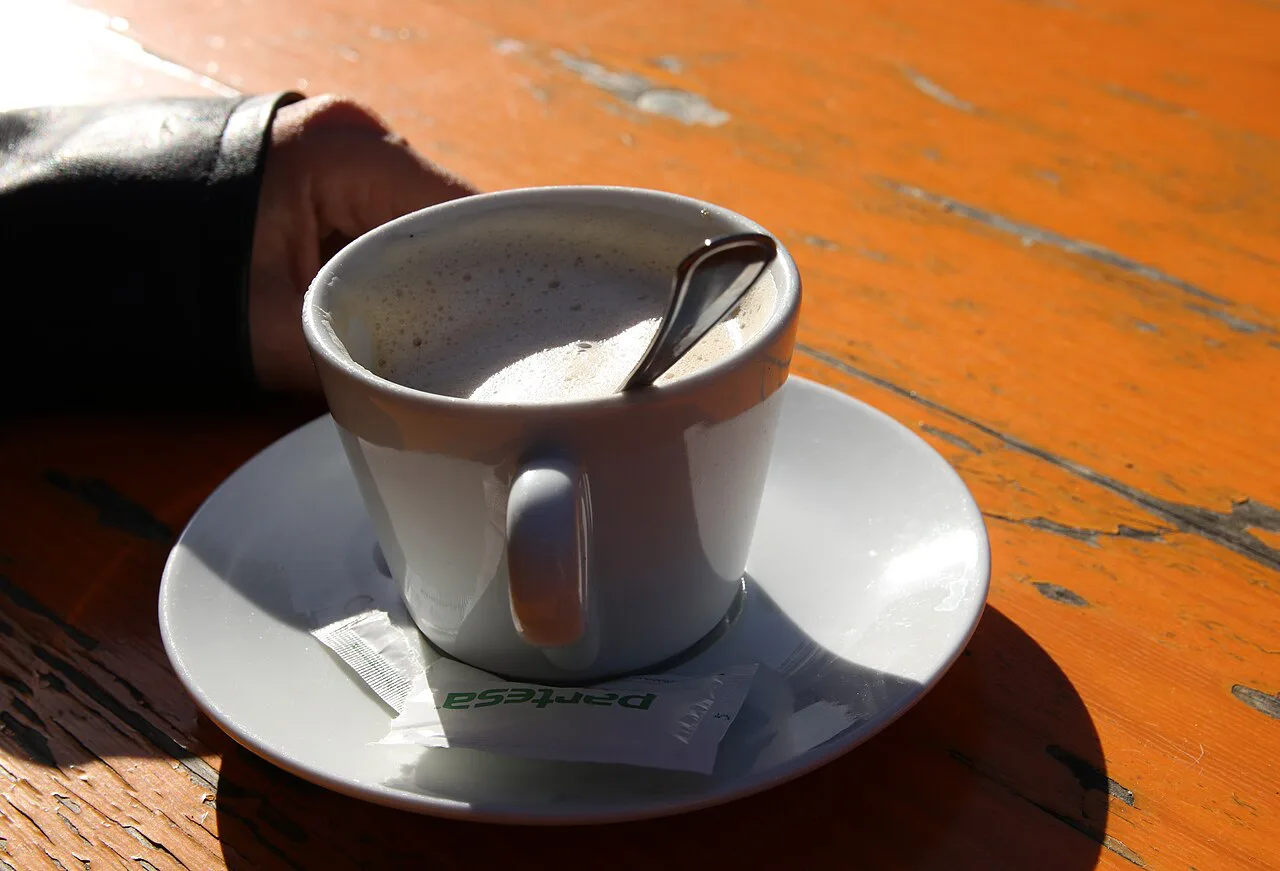
After lunch, Caffè Terzi is a short walk away for a coffee to finish. Plan the coffee after the meal rather than before, so you are not carrying a cup through the food lanes.
What it costs
The gastronomy listing gives an average spend of around 35 euros, with antipasti at about 10 euros, first courses at about 10.50, secondi at about 10 and desserts at about 4.50. Those are guide figures rather than fixed menu prices, so treat them as a budgeting pointer and check the day's board before you order.
Cards are accepted, with a couple of exceptions, so carry a little cash as a backup. If you are buying salumi to take home, the counter sale is separate from the meal bill.
How long to allow and when to go
For a board and a glass at the shop counter, allow thirty to forty-five minutes; for a full lunch at VeloCibò, budget an hour. The shop's listed closures are limited to a few holidays, including Christmas, New Year's Day and Ferragosto (15 August), plus a Sunday closure in August. Arriving around midday puts you ahead of the lunchtime rush rather than in it.
Bologna's food quarter rewards an early start: shop the lanes in the morning, take a board or a plate here at lunch, and leave the afternoon free. If you are building a food-focused day, pair it with a coffee stop and a walk through the surrounding streets rather than adding a third heavy meal. The salumeria works best as the anchor of a morning-to-lunch block.
Nearby, the Quadrilatero lanes and Mercato di Mezzo sit within a couple of minutes, and Osteria del Sole is the other historic address in the quarter for a simple plate and a glass. Pasticceria Gamberini is a short walk for something sweet later.
Counter, board or a plate of tortellini?
Choose the front counter if you want a board of salumi and cheese, a glass of local wine and a look at the shop floor; choose VeloCibò if you want a seated plate of lasagne or tortellini, with the old pulley in one of its dining rooms. Either way, the shop's strength is the classic Bolognese repertoire rather than novelty, so order the dishes the city is known for.
Slot the visit into a morning in the Quadrilatero, arrive before the lunch peak, and budget on the guide's average rather than a fixed menu. It is a short walk from Piazza Maggiore, so it fits a food-led walk through the centre without a detour.