Tagliatelle al Ragù: Bologna's Signature Pasta, Explained
Tagliatelle al ragù is fresh egg pasta about 8mm wide with a slow-cooked beef and pork sauce. Here's what makes it authentic and where to eat it in Bologna.
On this page
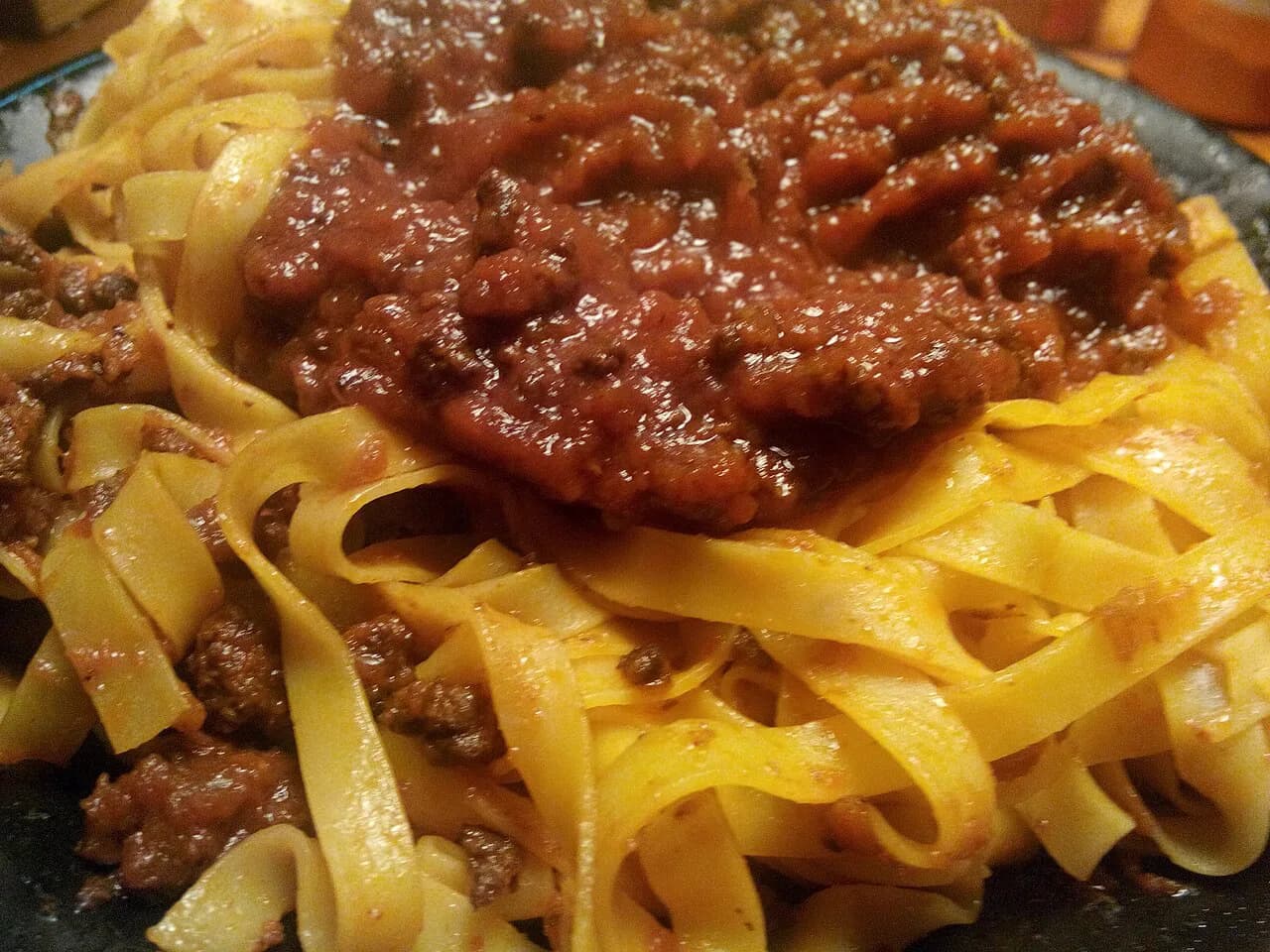
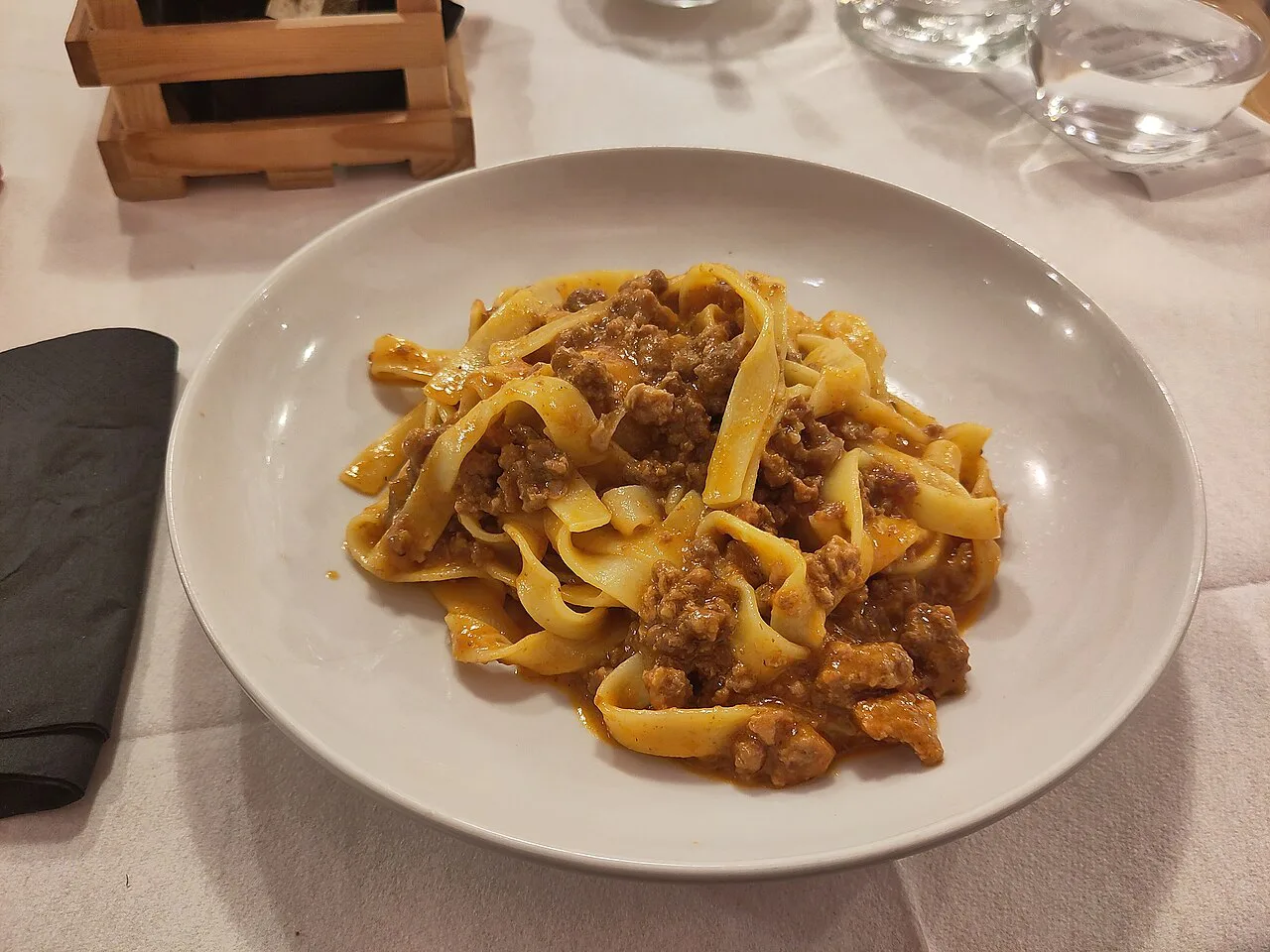
Tagliatelle al ragù is fresh egg pasta cut about eight millimetres wide and dressed with a slow-cooked beef and pork sauce — not spaghetti under a quick tomato sauce. The dish belongs to Bologna and Emilia-Romagna, where it is a Sunday-lunch and trattoria staple, and this guide covers what goes into it, how to spot a proper plate, and which places in the city to plan a meal around.
The practical markers are simple: a thin but not see-through sfoglia (the rolled egg dough) made from flour and eggs, and a ragù that has had two to three hours on the heat. Read a menu with those two things in mind and most tourist versions give themselves away before the plate arrives.
What tagliatelle al ragù actually is
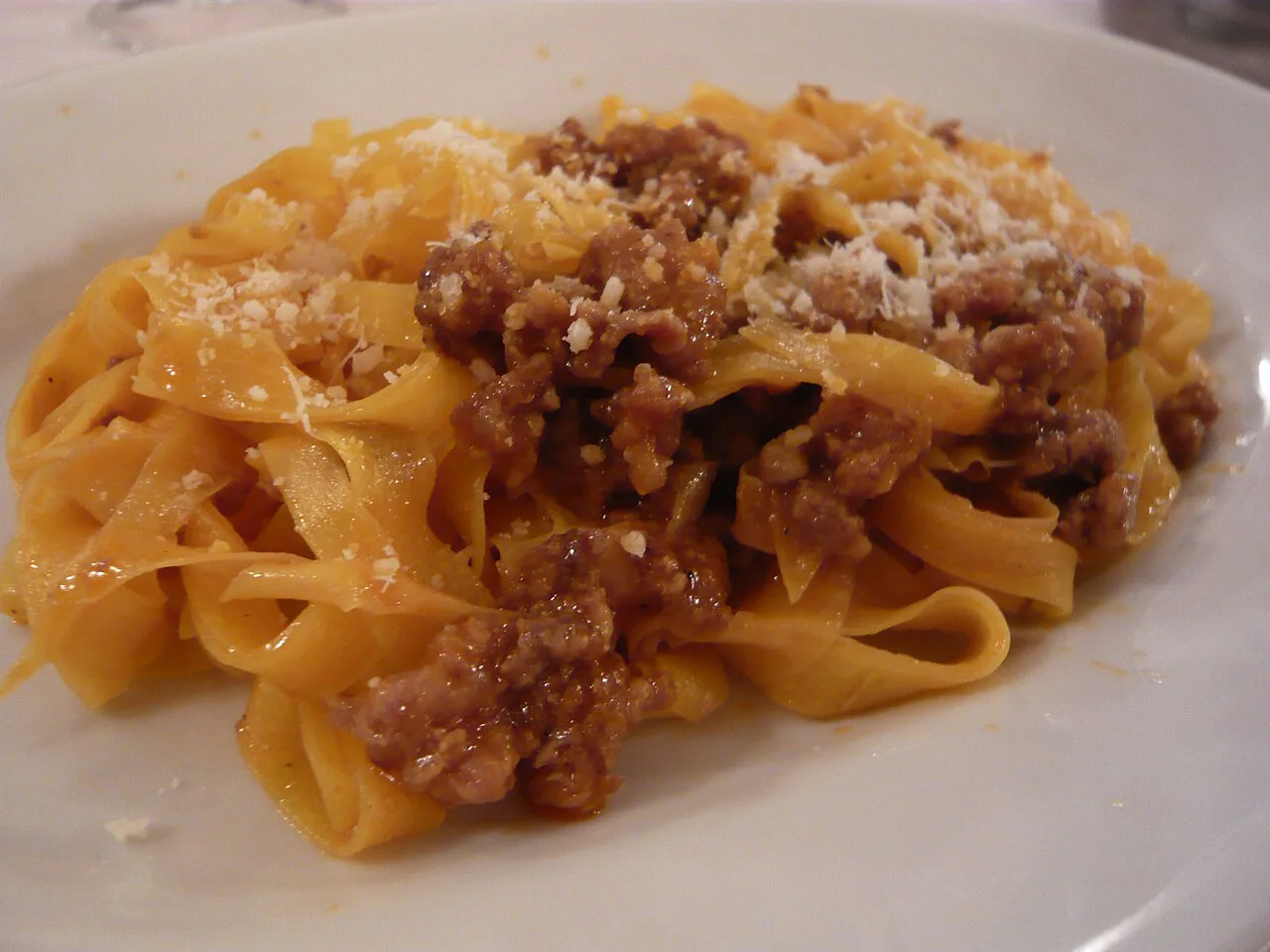
It is a first course of fresh egg tagliatelle, dressed generously with ragù alla bolognese and usually finished with grated Parmigiano. The sauce is a long-simmered mix of minced beef and pork with pancetta, a soffritto of celery, carrot and onion, tomato, wine and broth. The point of the dish is the contrast between the tender, absorbent ribbons and a sauce reduced to a dense, savoury coating.
Think of it as home cooking elevated to a civic symbol — the sort of plate a Bolognese family eats on a Sunday, and one the city's trattorias take seriously. Order it as your primo and build the rest of the meal around it as you would in any of Bologna's trattorias, covered in our guide to Trattorias in Bologna.
The pasta: flour, eggs and an 8mm cut
Proper tagliatelle is made from flour and eggs alone, with no water, rolled thin and cut to roughly eight millimetres. Trattoria Le Moline, in Via delle Moline in the historic centre, describes its sfoglia as pulled and cut fresh each day and its tagliatelle as served from midday to 23:30 daily; if you turn up mid-afternoon and find the kitchen open, that is the reason.
Hand-rolled sfoglia is the slow part of the operation, which is why the places that make it in-house tend to be family-run and small. If you want to understand how much work it is before you eat it, there are cooking classes in Bologna that take you through the rolling and cutting yourself.
The sauce: beef, pork and no shortcuts
The ragù starts with pancetta and a soffritto of celery, carrot and onion, then minced beef and pork, tomato passata or concentrato, wine and broth, and simmers for at least two to three hours. Le Moline is explicit about what it leaves out — no garlic, no herbs, no cream — which is a useful test when you read a menu in a trattoria near the main squares.
At home the same recipe is a three-and-a-half-hour project, most of it unattended, and the long simmer is what gives the sauce its depth. A quick lunch spot does not have that time to spare, which is why the difference between a rushed version and a proper one comes down to the hours in the pot.
Why it is not spaghetti bolognese
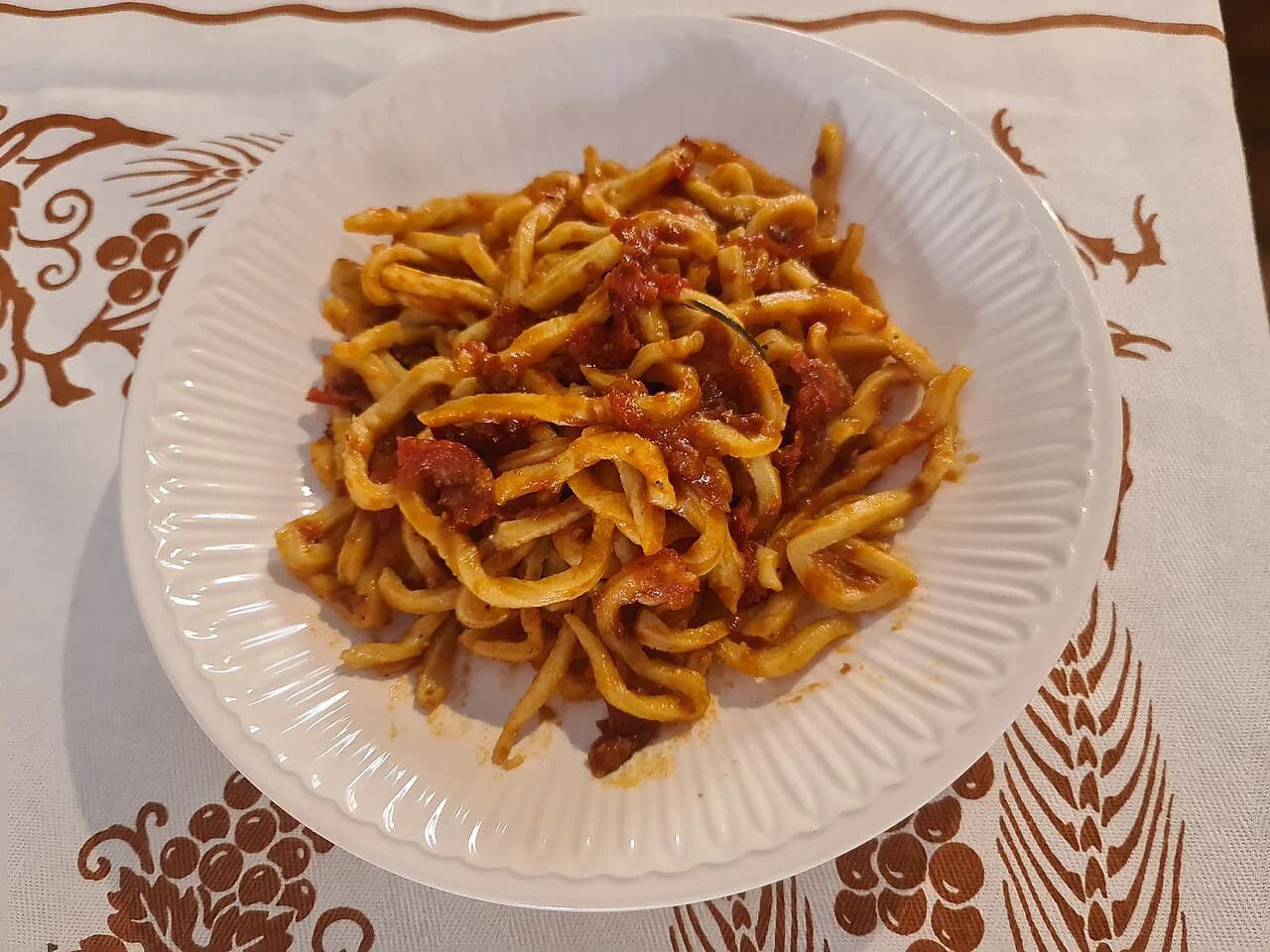
Spaghetti with a tomato-heavy meat sauce is a different dish: the pasta is dried and the shape is wrong for this sauce, which needs a broad, porous ribbon to cling to. The combination of egg tagliatelle and slow-cooked ragù works as a package — change the pasta and you lose the point. Treat any menu offering spaghetti al ragù in Bologna as a signal about the kitchen's aims.
Where to eat tagliatelle al ragù in Bologna
Our picks for tagliatelle are small, family-run trattorias where the sfoglia is made daily, plus a larger room or two for a more formal sit-down. Start with Trattoria Anna Maria, on Via delle Belle Arti, where the pasta is rolled very thin and the ragù is generous and chunky; it is described as a Bolognese institution with family photographs and letters covering the walls.
Trattoria della Santa, on Via Urbana, is a neighbourhood room with mother Daniela rolling the sfoglia each day, and the tagliatelle arrive rough-textured and yellow under a fall of Parmigiano. Ristorante Diana on Via dell'Indipendenza has been open since 1909 and serves its tagliatelle from a pan at the table — a bit of theatre that suits the mirrored, old-fashioned room.
Osteria Bottega and Trattoria Fantoni also appear among the traditional options in the city: Bottega is run by Daniele Minarelli, who has reworked the osteria in a contemporary key — hanging culatello in a modern cabinet, dressing the room with a certain dandy swagger — while still cooking the classics. If you want the wider shortlist of places with what to order at each, the trattorias guide is the place to start planning.
What a plate costs and how coperto works
Tagliatelle prices vary with the room: in 2017, Dissapore recorded fourteen euros at Trattoria Anna Maria, eight at Trattoria della Santa and eleven at Ristorante Diana. Treat those as historical figures rather than today's prices, and expect the setting to move the number more than the pasta does.
The coperto — a per-person cover charge for bread and service — is normal in Bologna and appears separately on the bill; Diana's was recorded at four and a half euros per head in the same 2017 piece. Le Moline publishes a telephone number for booking rather than online prices, so if you want to know the current cost of a plate, ask when you reserve.
Ordering in a Bolognese trattoria
Order tagliatelle as your primo, then decide whether you have room for a secondo — a plate of bollito or a cutlet — or whether the pasta is the whole meal. In the smaller rooms it pays to book ahead for dinner, and asking the waiter which pasta they make in-house that day is a fair question rather than an awkward one.
The local manners are straightforward: keep the napkin on your lap, use the bread for scarpetta (mopping the sauce from the plate) at the end, and Don't ask for a knife unless you need one. Bread on the table is generally covered by the coperto, the per-person cover charge described earlier, so it does not usually appear as a separate order — check the bill if you want to see how the charge was applied.
What else to order alongside
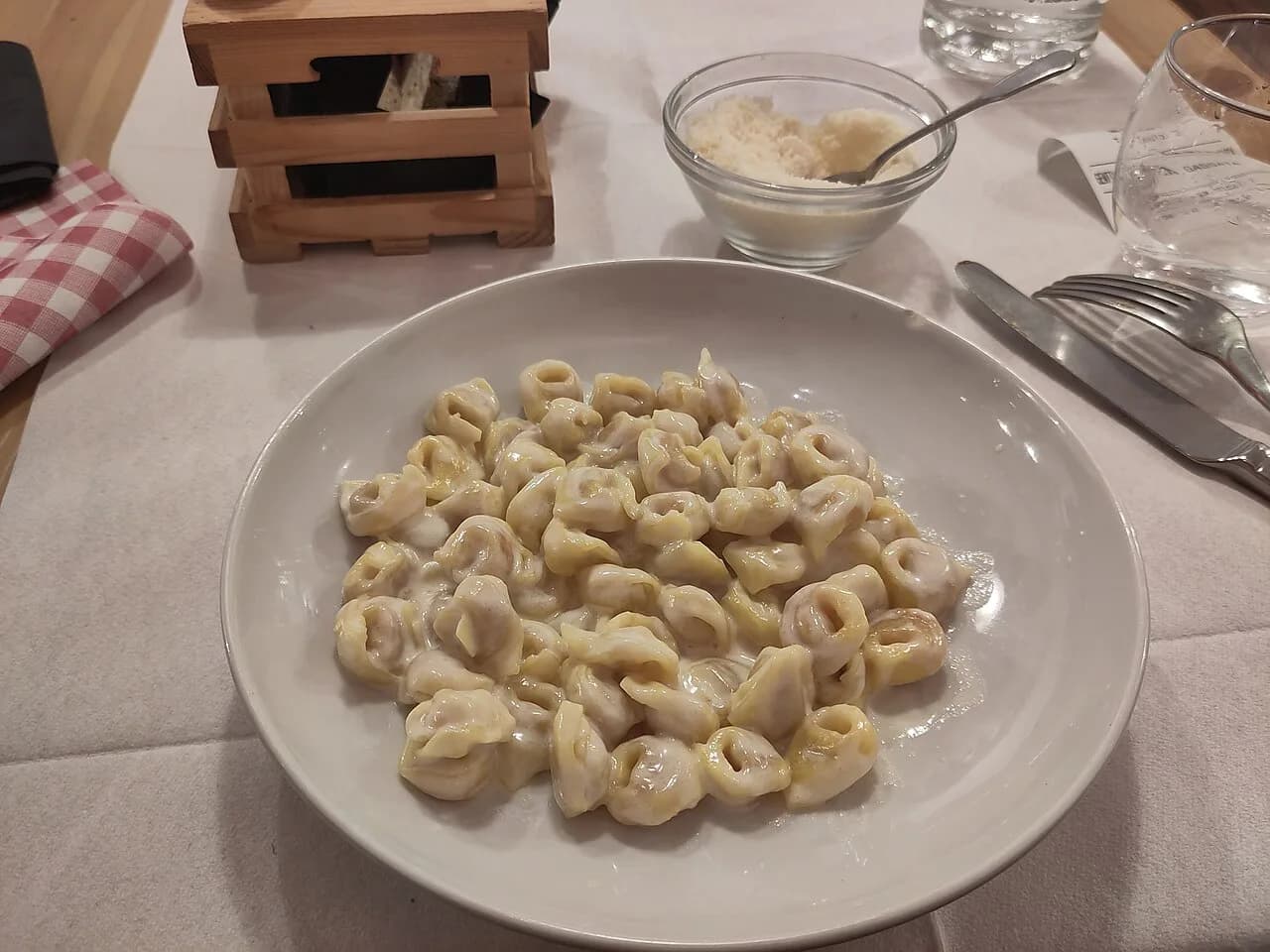
Bologna's menu is built around egg pasta and cured pork, so a plate of tortellini in broth, a plate of lasagne alla bolognese or a slice of Mortadella to start makes a natural second course. Mortadella from Bologna is closely tied to the city's food identity, which makes it a good thing to know if you want a light antipasto before the tagliatelle arrives; see the Mortadella Bologna guide for the details.
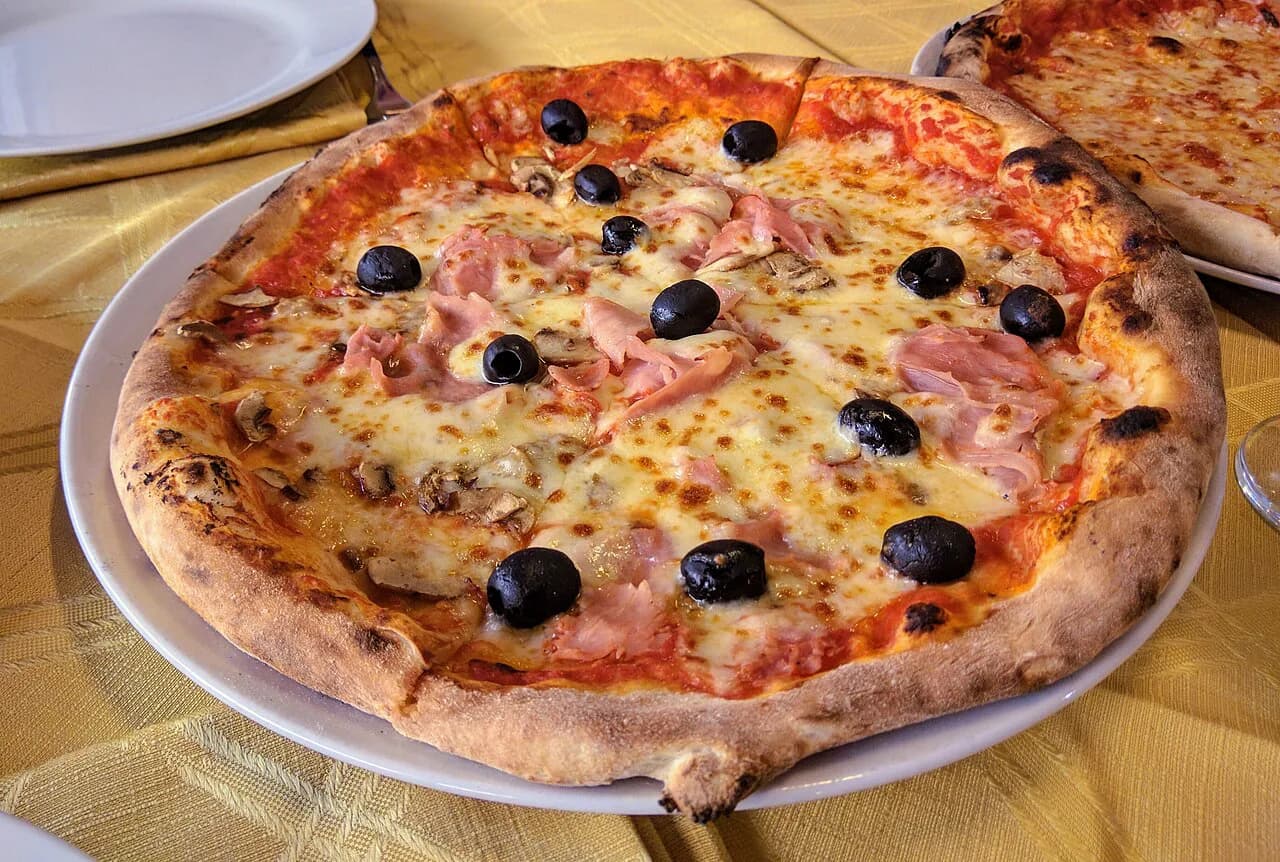
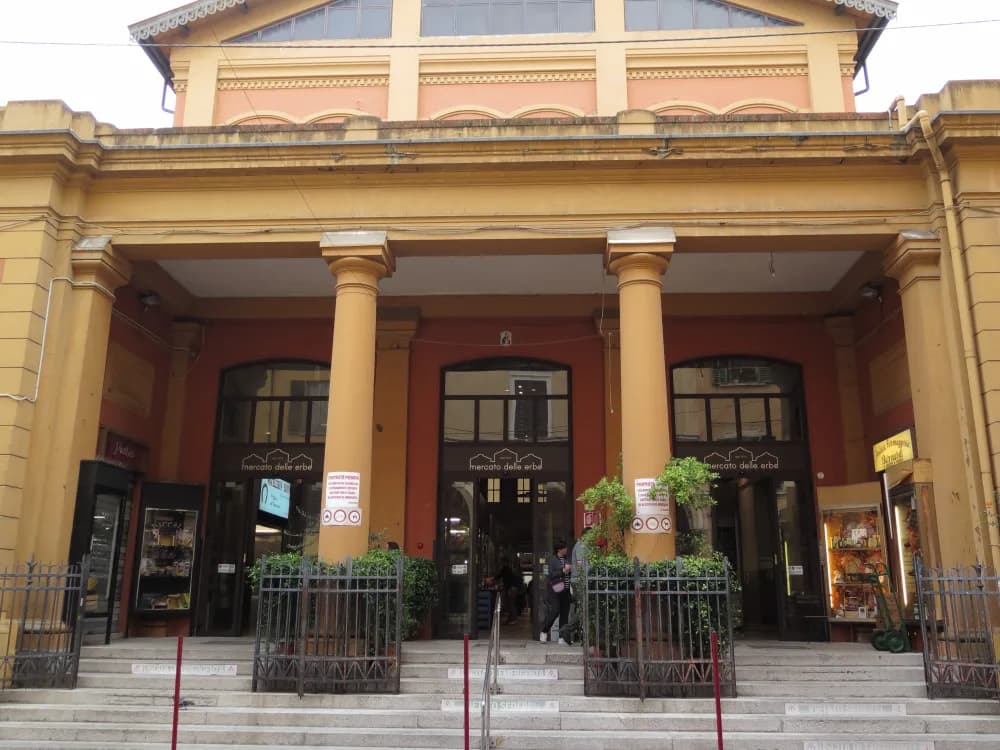
If you are in the city for several days, alternate the trattoria lunches with the market and a pizza evening so the pasta does not blur into one long meal; the food markets in Bologna, including the Mercato delle Erbe, are the other side of the city's eating. A plate of tagliatelle is a good anchor, but it does not have to be every lunch.
Which Bologna trattoria should you book for tagliatelle?
Book Trattoria Anna Maria if you want the archetypal Bologna plate in a room that has been feeding the city for decades, or Trattoria della Santa if you want a quieter neighbourhood table with the sfoglia rolled in-house. Choose Ristorante Diana for the old-fashioned dining room and the table-side service, and Le Moline if you need a plate at an awkward hour between lunch and dinner.
Whichever you pick, go with an appetite for the primo and skip the tourist-menu places on the main squares. If you want the wider context of Bologna's eating, the city's Attractions and food guides are a sensible next stop for planning the rest of the day.
Explore more Bologna food guides
Frequently Asked Questions
How do you pronounce tagliatelle al ragù?
Tagliatelle is roughly tal-lya-TEL-lay, with a hard g sound folded into the ly, and ragù is ra-GOO with the stress on the final syllable. In Bologna you may hear the dialect tajadèl bulgnaiṡi col ragó, but the Italian name on any menu is fine to use.
What does alla bolognese mean?
Alla bolognese means in the style of Bologna, and when applied to a sauce it points to a slow-cooked meat ragù rather than a plain tomato sauce. It does not mean the dish will be made with spaghetti; in Bologna the pairing is usually fresh egg tagliatelle.
Can you make tagliatelle al ragù at home with minced beef?
Yes, but the sauce needs time — at least two to three hours of gentle simmering — and the pasta should be fresh egg tagliatelle rather than dried spaghetti. A mix of beef and pork with pancetta, soffritto, tomato and broth gives the closest result to what Bologna's trattorias serve.
Sources
Notes for your next meal in Italy
Optional updates to our food guides.
You might also like
Continue reading
More guides you'll find useful