
Museo del Prosciutto e dei Salumi di Parma: What to See in Langhirano

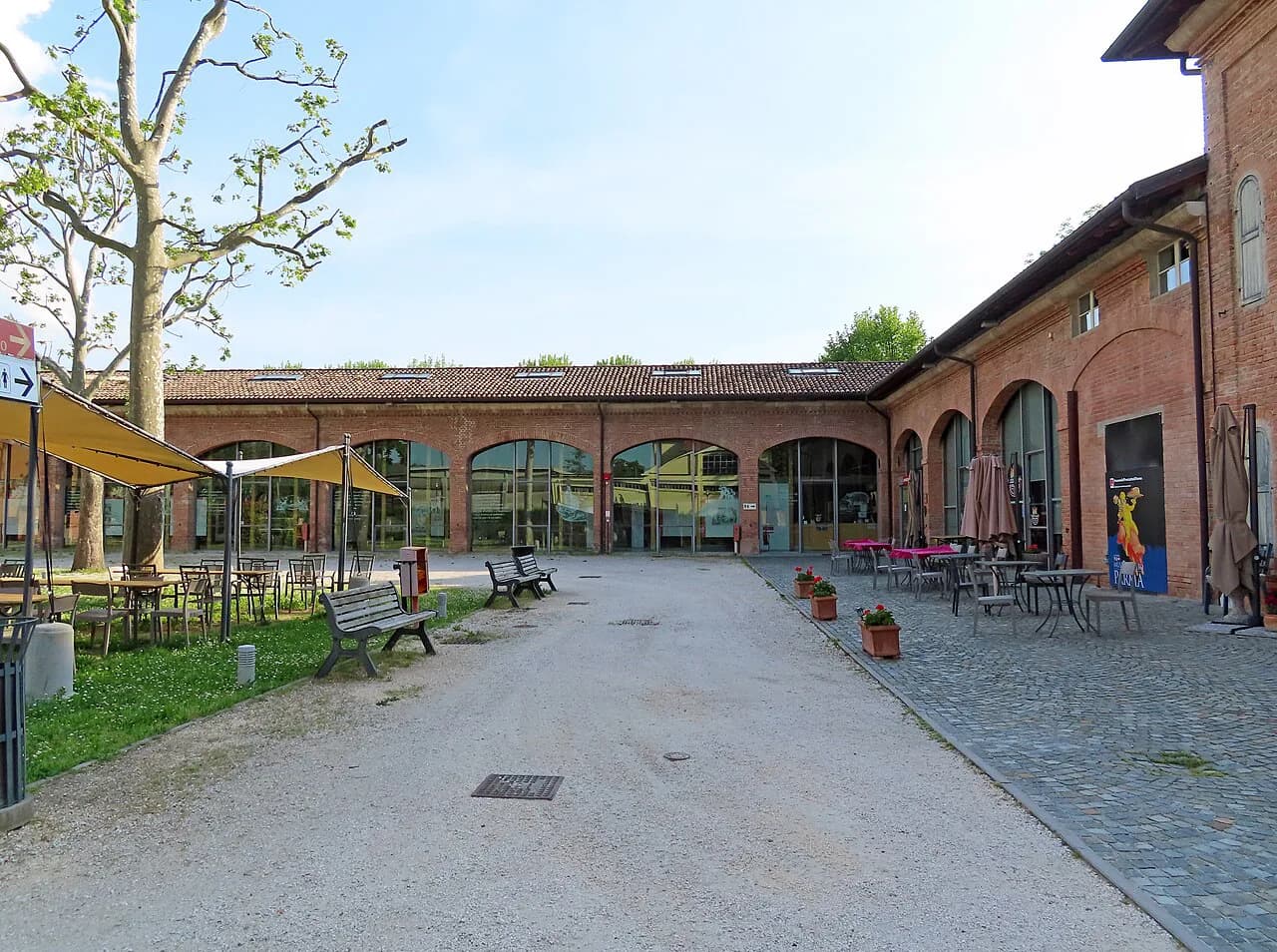
The Museo del Prosciutto e dei Salumi di Parma is an ethnographic museum in Langhirano, a hill town south of Parma, housed in the former Foro Boario, the old cattle market building. It covers how Prosciutto di Parma is made and cured, plus the wider salumi tradition of the province. Allow an hour or a little more if you take the guided visit. Langhirano sits outside the city, so the trip works best as a half-day anchored on the ham country itself.
This page treats the museum as a single destination: where it is, what the rooms contain, what the shop and prosciutteria sell, how a guided visit differs from walking through alone, and where to eat and buy Prosciutto di Parma back in the city. For the rest of Parma, the Parma Attractions: 5 Visitor Guides collection sets out the other food landmarks.
Where the museum is: Langhirano and the ex Foro Boario
The museum stands at Via Fabio Bocchialini 7 in Langhirano, in the province of Parma, inside the ex Foro Boario. The building went up in 1928, and the museum occupies more than 500 square metres of it, divided into themed sections.
Langhirano matters to the visit because it sits in the heart of the zone where Prosciutto di Parma is produced, in the hills south of the city. The setting explains the museum's subject: the ham is a hill-country product, cured in the air of these valleys, not a city delicacy invented for visitors. Coming here puts you in the landscape the exhibition describes.

Getting to Langhirano from Parma
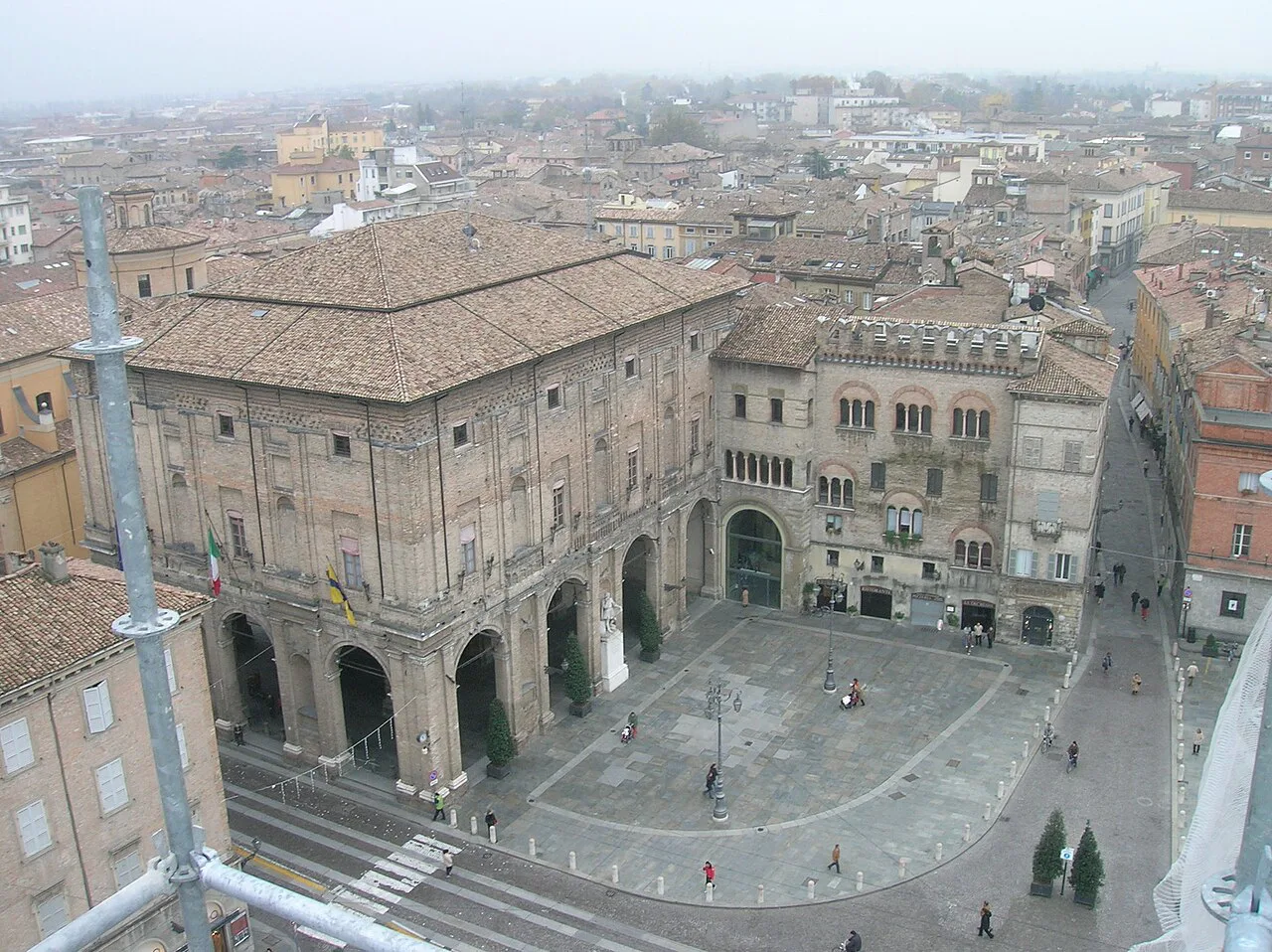
Langhirano is a short drive south of Parma through the ham-producing hills, and the road itself is part of the appeal: curing houses and small salumifici line the approach. With a car the trip is straightforward and lets you combine the museum with a producer visit nearby. Without one, treat the journey as a bus or taxi errand and build the day around it rather than expecting to hop between villages.
Check the current bus connections and journey times with the local operator before you set out. If you are relying on public transport, aim to arrive in the morning so the visit and a tasting do not compete with the last service back.

What the museum covers
The exhibition traces the origins of Prosciutto di Parma, the technical evolution of the curing process and the detail of how a ham is made, from fresh leg to finished product. Sections walk you through the salumi of the province as well, so prosciutto sits alongside the other cured meats that define the area.
The layout follows the same model as the Museo del Parmigiano-Reggiano at Soragna, with 500 square metres split into themed zones. That structure makes it easy to follow production step by step, and it rewards a slow read of the panels rather than a quick circuit. If you have already seen one of the Musei del Cibo museums, the format will feel familiar.
The museum shop and prosciutteria
Inside the museum there is a shop selling publications, kitchen and table objects, gadgets and typical products of the area, alongside a prosciutteria. The shop is the practical stop for taking something home without hunting down a separate producer. Buy shelf-stable items such as books or tableware if you still have a day of travel ahead, and leave the ham for the end of the trip.
Guided visits and tastings
A guided visit runs about 40 to 50 minutes and adds a structured explanation of the curing process on top of the displays. Admission is €5, the guided visit €20 on top, and a tasting of typical products including Prosciutto di Parma costs €3 on request, so decide in advance whether you want the commentary or prefer to read the rooms at your own pace.
Booking is the thing to sort before you travel: on weekdays the museum opens only by advance reservation, while at weekends and on public holidays it opens by fixed hours, 10:00 to 18:00. Confirm the arrangement directly with the museum when you set your date, because the reservation rule governs whether a weekday trip is possible at all.
How long to allow, and pairing it with a salumificio
Budget around an hour for the museum and the shop, longer if you take the guided visit and add a tasting. That leaves room in the same half-day for a producer visit nearby, which is the natural pairing: the museum explains the theory and a salumificio shows the working practice. Salumificio La Perla in Langhirano produces Prosciutto di Parma and runs guided visits on the processing, with a tasting room and direct sales on site.
La Perla's cited opening hours are Monday to Friday, 08:30 to 16:00, so a weekday-only window is worth planning around. Build the day around a morning museum slot and an afternoon producer visit, and confirm both before making the trip south.
Prosciutto back in Parma: where to eat and buy it
Back in the city, Salumeria Garibaldi in Parma sits at Strada Giuseppe Garibaldi 42, a counter-and-tables set-up where you can order a plate of Parma specialities with a glass of wine or buy sliced ham to take away. It works as a lunch stop rather than a formal restaurant, and it is the kind of place where a slice of prosciutto and a piece of mountain Parmigiano Reggiano arrive before you have finished deciding.
La Prosciutteria di Silvano Romani on Strada Luigi Carlo Farini, in the historic centre, is a shop and tasting counter from a family business that has been selling typical products since 1965. The ham here is aged 24 to 30 months, and the counter also holds Parmigiano Reggiano DOP at several ages, culatello di Zibello DOP, salame Felino IGP and coppa di Parma IGP. Culatello is the boned, tied inner muscle of the pig's hind leg, cured slowly and sliced thin; salame Felino is a coarse-grained pork salami from the village of Felino.
Degusteria Romani at Borgo Palmia 2/C is the adjoining restaurant to the Romani shop, small and characterful, where the menu runs to boards of local salumi, fried polenta, country bread and Parmigiano Reggiano at different ages with mostarde. Mostarde are the sweet-savoury fruit preserves that traditionally accompany aged cheese. This is the sit-down half of a Parma prosciutto day: buy at the counter, then eat a proper plate of it nearby.
For the sweet end of the day, Antica Pasticceria Pagani is a Parma pastry shop worth knowing when you are planning the food side of the city. It rounds off a ham-led morning with something baked rather than cured.
What to order with the prosciutto
Order beyond the ham itself: culatello di Zibello DOP is the most prized cut on the counter, salame Felino IGP the everyday one, and coppa di Parma IGP the seasoned pork shoulder that fills out a board. Parmigiano Reggiano at different ages gives you the same cheese at 24, 30 and 36 months, and the older ones are the ones to try alongside a slice of prosciutto rather than on their own.
Visiting in winter and around the Musei del Cibo season
The Museo del Prosciutto is one of the Musei del Cibo network, which publishes a shared seasonal calendar for its museums. In the 2026–27 season the network lists openings on 1 November and on 7 and 8 December 2026, a winter closure from 9 December 2026 to 28 February 2027, and reopening on 1 March 2027.
That seasonal rhythm matters if your trip falls between December and February, since the whole network can close for the winter. Check the current calendar before you commit to the journey south to Langhirano: a closed museum turns the day into a producer visit or a city day instead.
Is Langhirano worth the trip from Parma?
Yes, if you want to understand Prosciutto di Parma rather than just eat it. The museum gives you the production story in a single building, the shop and prosciutteria let you taste on site, and a salumificio such as La Perla nearby completes the picture. With a car it is a comfortable half-day; without one, weigh the journey against the hour you will spend inside.
If your time in Parma is short, the city counter route does much of the same work: a plate at Salumeria Garibaldi, a board at Degusteria Romani, and a stop at Pasticceria Pagani for something sweet. Save Langhirano for a trip with a spare morning and a way of getting there.
Explore more Parma food guides
Frequently Asked Questions
Where is Prosciutto di Parma produced?
Prosciutto di Parma is produced in the hills south of Parma, and Langhirano sits inside that zone. That is why the Museo del Prosciutto e dei Salumi di Parma is there rather than in the city, in the former Foro Boario building on Via Fabio Bocchialini.
How do I book a guided visit to the ham museum?
Guided visits are arranged with the museum and carry a charge on top of admission. Weekday visits require advance arrangement, while at weekends and on public holidays the museum opens at fixed hours, 10:00 to 18:00. Confirm the arrangement with the museum and check the network's seasonal calendar before travelling to Langhirano.
Which other Musei del Cibo are near Parma?
The Musei del Cibo group includes the Museo del Parmigiano-Reggiano at Soragna, which the Langhirano museum's layout is modelled on, along with museums devoted to pasta, tomato, wine, Felino salame, culatello and porcini. They share a seasonal calendar, so check which are open on your date.