
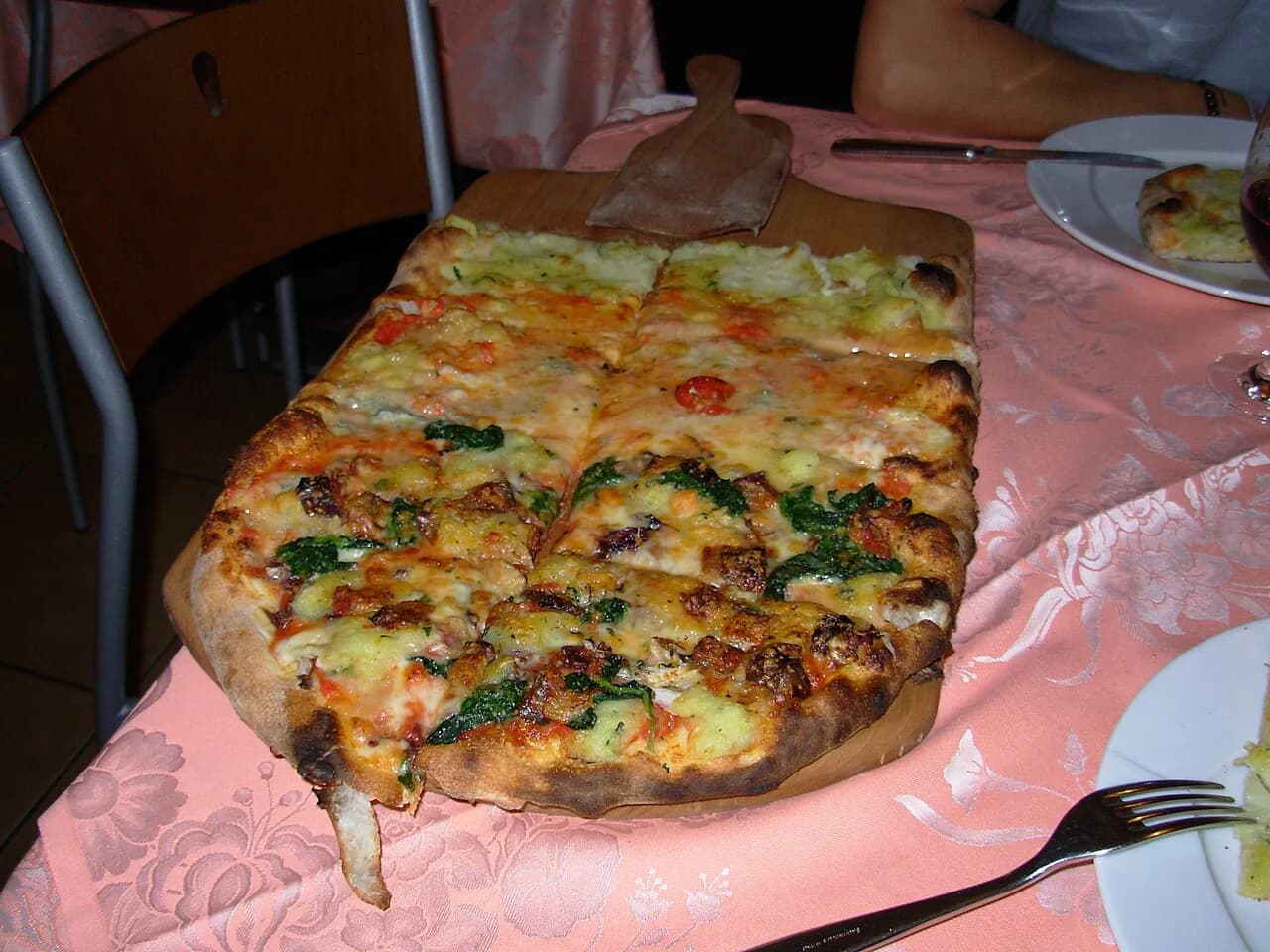
Salumeria Garibaldi in Parma: A Deli Counter and Kitchen on Strada Garibaldi

Salumeria Garibaldi is a salumeria — a cured-meat and cheese shop — with a working kitchen attached, at Strada Garibaldi 42 in central Parma. It sits on the straight street that runs from the heart of the city down to the railway station, so it works as a first or last stop of a day rather than a detour. The shop sells the cured meats and cheese Parma is known for under one roof, and the kitchen behind the counter turns out fresh pasta and prepared dishes to eat in or take away.
The useful thing to understand before you go is that Garibaldi runs on two tracks: a counter where you buy by weight and a small seated side where you eat what the kitchen makes. Those are separate decisions, and knowing which one you want shapes your visit more than any menu does. This guide covers the shop's position, the products worth carrying home, the anolini in broth that made its name, and what to expect from the handful of seats inside.
What Salumeria Garibaldi is
This is a bottega, a shop, in the Emilian sense: a glass counter of salumi (cured pork products) and cheese, a few shelves, and a kitchen brigade working behind it. Three partners — Vincenzo, Gianluca and Nicola — took over the business, which was founded in the 1950s, and built its reputation on produce from the surrounding province. The shop also sells online, but the reason to come in person is the counter itself and the daily cooking.
Parma markets itself as a Food Valley, and the shop trades on that identity. A dozen staff work the salumeria, split between the counter and a kitchen with a chef supervising pasta, roasts, fish dishes, salads and a pastry section. That combination of shop and kitchen is what makes Garibaldi more than a place to buy a sandwich: you can assemble a picnic from the counter or sit down for a proper plate of Parma cooking.
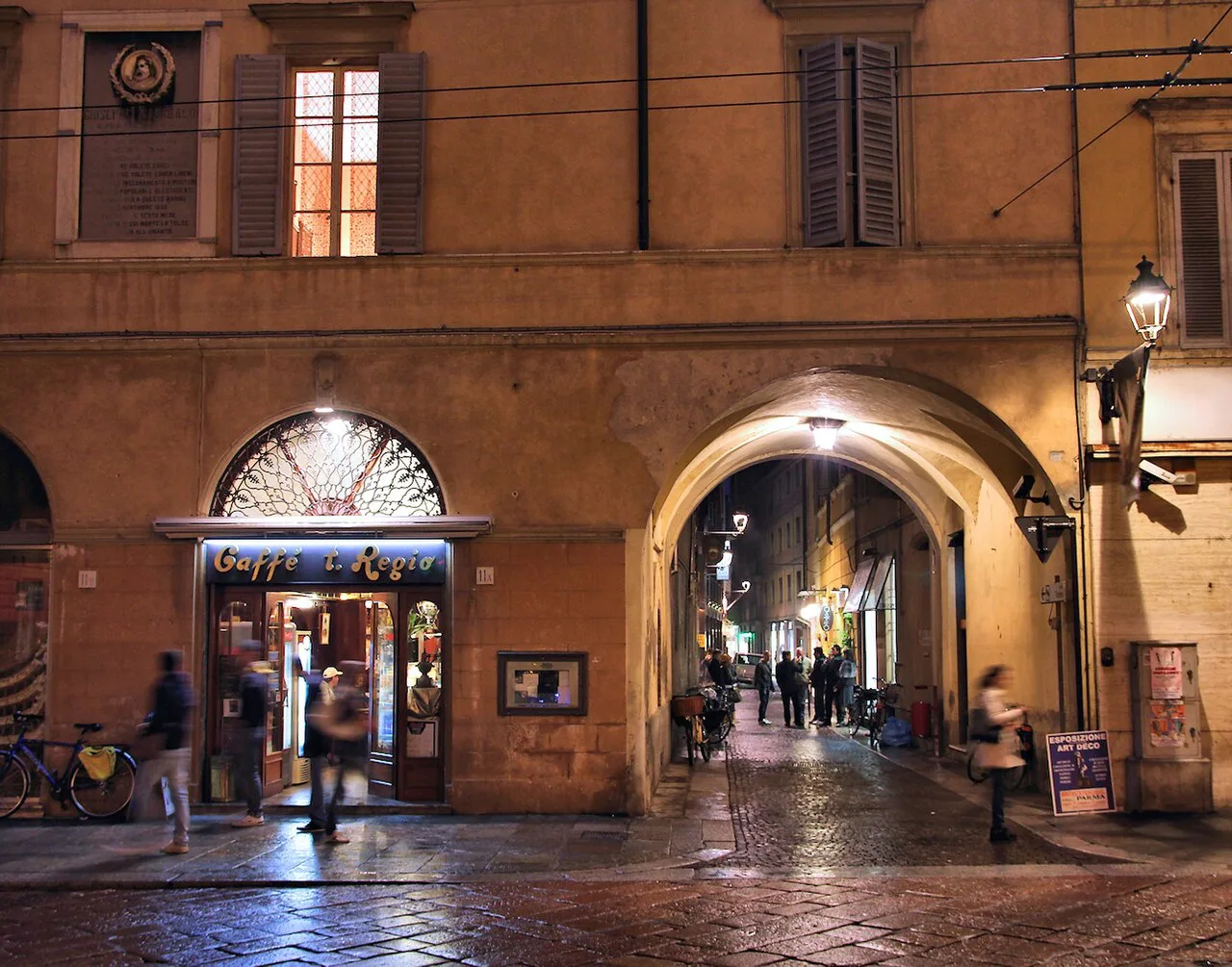

Where it is and how to reach it on foot
Strada Garibaldi is one of the main arteries of the centre, and the shop's address is Strada Garibaldi 42, Parma, with the telephone number printed as 0521 235606. Coming from Piazza Garibaldi and the cathedral end, you walk south-east along the street; coming from the station, you walk north-west towards the centre and the shop appears on the same stretch. Either way it is a level walk of a few minutes through busy shopping streets, so it slots easily between the station and the historic core.
If you are walking from the station with luggage, the shop is a sensible pause: you pass it anyway, and a counter purchase travels better than a sit-down meal. On foot from the cathedral area, treat it as the anchor of a short food errand rather than a full morning out. Pasticceria Pagani is another food address worth pairing with a Garibaldi stop if you are building a route around the centre.

What to buy at the counter
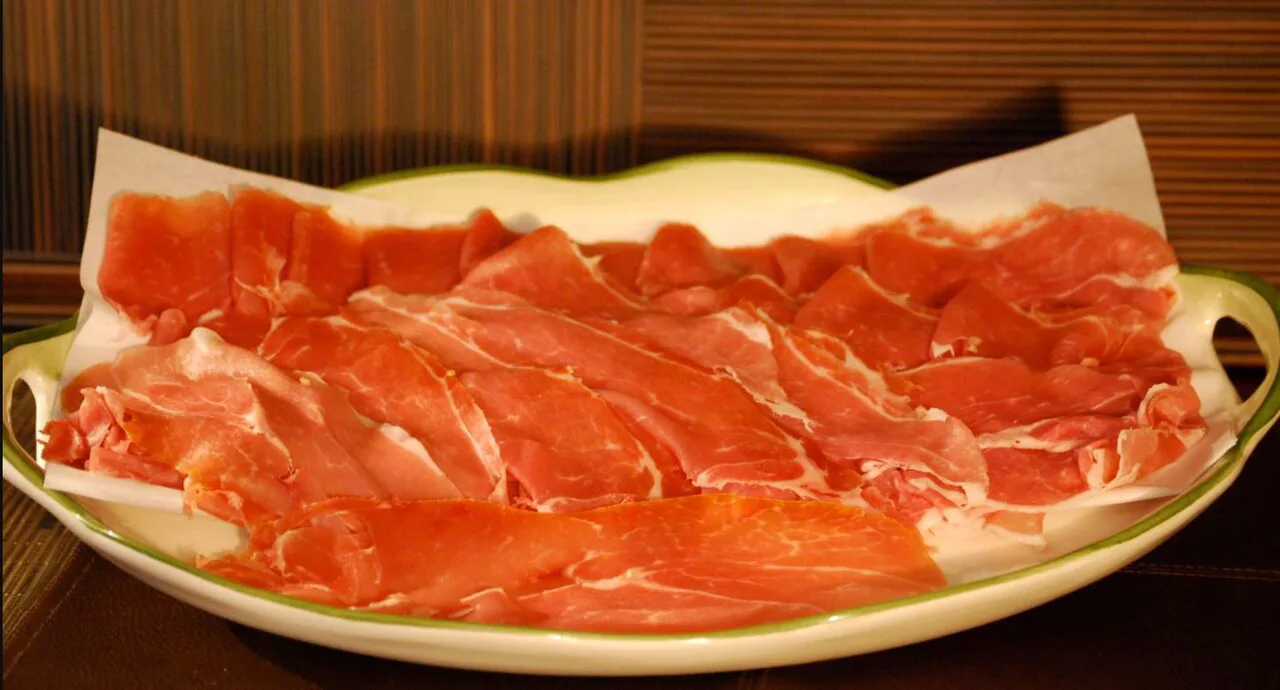
The counter stocks the classic Parma names: Prosciutto di Parma, Culatello di Zibello, Salame di Felino and mountain Parmigiano Reggiano aged from around 14 months up to 100. Prosciutto di Parma is the local dry-cured ham, Culatello di Zibello is a prized boneless cut cured in a pig's bladder casing, Salame di Felino is a coarse-ground salami from the village of that name, and Parmigiano Reggiano is the long-aged cow's-milk cheese. Ask for slices by weight and let the staff guide the amounts; a mixed selection travels well.
Strolghino is the other name to know: a thin, fresh salami made from the lean leg of the pig and the trimmings left from culatello production, so it is soft, quick to eat and best sliced thin. It does not keep like the aged salumi, which makes it a shop-floor snack rather than a suitcase souvenir. Buy it alongside a younger Parmigiano for contrast.
The same cured meats and cheese are sold to take home, so there is no need to plan a separate shopping stop. Bring a small cool bag in summer if you are travelling onward with cheese, and ask for vacuum packing on anything you intend to carry for days. For context on how Parma's ham is made, the Museo del Prosciutto e dei Salumi di Parma in the city covers the production process from curing to slicing.
Anolini in brodo, Parma's filled pasta
The bowl to order is anolini in brodo: small round filled pasta floating in capon or beef broth. The filling is breadcrumb softened in stock, a generous amount of aged Parmigiano Reggiano, egg and nutmeg, and the rounds are cut and sealed with a circular metal stamp, which crimps the two sheets of dough together around the filling. Parma calls it the king of its table; the nickname salvagente, lifebuoy, comes from the way the discs bob in the broth.
Anolini are Parma's answer to Bologna's tortellino, and locals treat the comparison as a friendly rivalry rather than a contest to settle. Don't expect the tiny navel shapes of tortellini; anolini are flatter, wider discs with a more savoury, cheese-led filling. A recipe for the dish attributed to Antonio Battei was lodged with a notary in Parma in 2000, which shows how seriously the city takes its version.
Garibaldi's anolini have a public profile: the Gazzetta di Parma runs an annual selection of the city's best anolini across nine gastronomie, and the shop has featured as the winner. Treat that as a local newspaper's verdict rather than a national ranking, and go for the dish on its own terms — a plate of pasta in broth is a light lunch, not a feast. If you want a second course, follow it with a plate from the prepared-dish counter.
Fresh pasta and dishes made in house
The kitchen makes fresh pasta by hand every day in the Emilian tradition: tagliatelle, tortelli filled with erbette (a mild wild spinach-like green), pumpkin, and potato, among others. Beyond pasta there are fish dishes, salads, roasts, risotto, lasagne, crespelle (thin filled pancakes baked in sauce), spoon desserts and a pastry section. The range means you can eat a full lunch here, not just a plate of cured meats, and it changes what time of day suits a visit.
Order at the counter or from the seated side depending on how the shop is running that day, and treat the prepared dishes as a rotating daily selection rather than a fixed menu. If the pasta you wanted has sold out, the counter's salumi and cheese plate is the reliable fallback. For dessert elsewhere, Pasticceria Cocconi on Strada della Repubblica is a separate sweet stop in the same central grid.
How a visit works: two small tables and a busy counter
Garibaldi is a working shop first, and the seated space is tiny — just a couple of small tables on the right-hand side where you can eat while locals shop around you. That is the honest trade-off: you get the atmosphere of a real neighbourhood salumeria and the chance to watch Parma do its daily shopping, but you should not count on a table for a group or a long, leisurely lunch.
Practical approach: do the counter shopping first, then ask about sitting down, or plan to take the pasta away if the tables are full. Phone ahead on 0521 235606 if you are making a special trip, since the shop does not publish its opening hours, and allow around thirty to forty-five minutes for a seated plate plus a browse of the counter.
If your day in Parma has room for one more sweet stop, Gelateria K2 is another central option for a quick scoop after the salumeria. Beyond that, keep the visit focused: this is a place to eat and buy, not a sight to tour.
Counter purchase or a sit-down plate?
Choose the counter if you want Prosciutto di Parma, Culatello di Zibello, Salame di Felino and aged Parmigiano Reggiano to carry home, and choose the small tables if you want anolini in brodo and a plate of the day's cooking. The shop suits both, but the handful of seats means the sit-down option works best for one or two people rather than a group.
Build it into a walk between Parma's centre and the station, and ring 0521 235606 before a special trip if a table matters to you. Pasticceria Pagani and Pasticceria Cocconi make natural follow-ons if you are stringing together a short food route through the middle of the city.
Frequently Asked Questions
What is the difference between anolini and tortellini?
Anolini are Parma's round filled pasta, made by stamping discs around a filling of breadcrumb, aged Parmigiano Reggiano, egg and nutmeg, and served in meat broth. Tortellini are Bologna's smaller, navel-shaped version with a different filling. The two cities treat the comparison as a friendly rivalry, with anolini flatter and more cheese-led than tortellini.
Can I buy Salumeria Garibaldi products to take home?
Yes. The shop sells its cured meats and cheese over the counter for takeaway, including Prosciutto di Parma, Culatello di Zibello, Salame di Felino and mountain Parmigiano Reggiano aged from around 14 to 100 months. It also sells online, but buying in person lets you see and choose weights at the counter.
How many seats are there at Salumeria Garibaldi?
Very few — just a couple of small tables on the right-hand side of the shop, where you can eat while local customers shop around you. That makes it better suited to one or two people than a group, and you should be ready to take food away if the tables are taken.