Best Gelato in Rimini: Artisan Gelaterie and What to Order
A candid pick of the best gelato in Rimini, from Piazza Malatesta to the San Giuliano fishing quarter, with the flavours worth ordering in each shop.
On this page
The best gelato in Rimini clusters in three places: the historic centre around Piazza Malatesta and Castel Sismondo, the seafront strip along Viale Amerigo Vespucci, and the San Giuliano fishing quarter north of the canal. Start at Santa Colomba in Piazza Malatesta for certified organic ingredients and a rotating list of about twenty flavours, then work outward depending on where your day takes you. This guide groups the shops by location rather than a flat ranking, names the flavour each one is known for, and explains the cone, cup, brioche and maritozzo formats you will be offered at the counter.
What makes good gelato in Rimini
Rimini's better shops share a few visible habits. They churn in small batches through the day rather than stacking a window full of towering mounds, and they let seasonal fruit disappear out of season instead of propping it up with flavourings. Santa Colomba, for instance, is described as mantecando its gelato several times daily to keep it at its best, which is why the texture matters more than the number of tubs on display.
A short list is usually a good sign. Dolceneve Bio in San Giuliano works with around ten flavours at a time, built on organic ingredients and short-supply-chain raw materials, and frames its approach as an old way of making gelato. When a counter runs to sixty colours, ask yourself how much of that can genuinely be made fresh in a day.
Santa Colomba in Piazza Malatesta: organic ingredients and mignon pastries
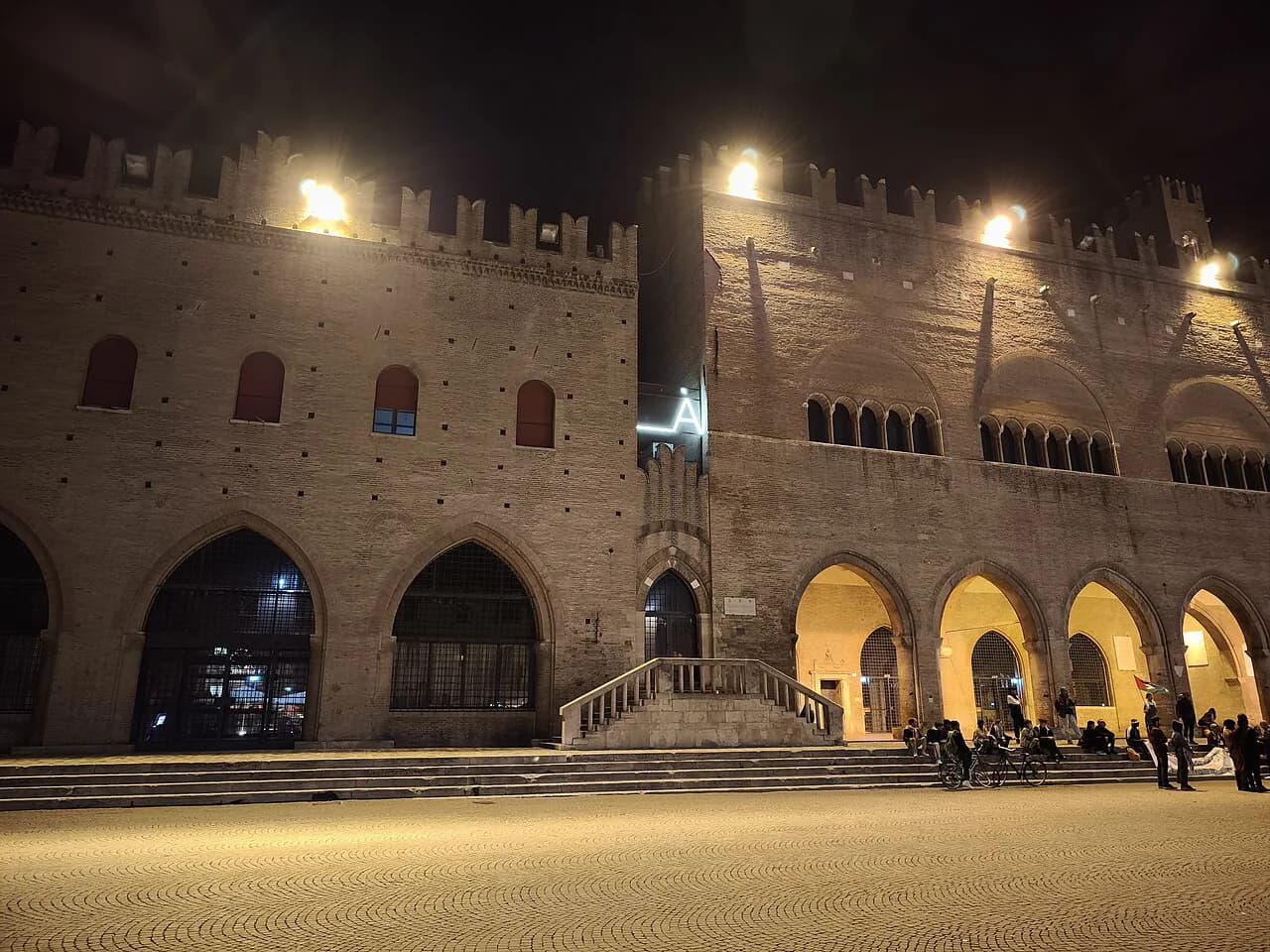
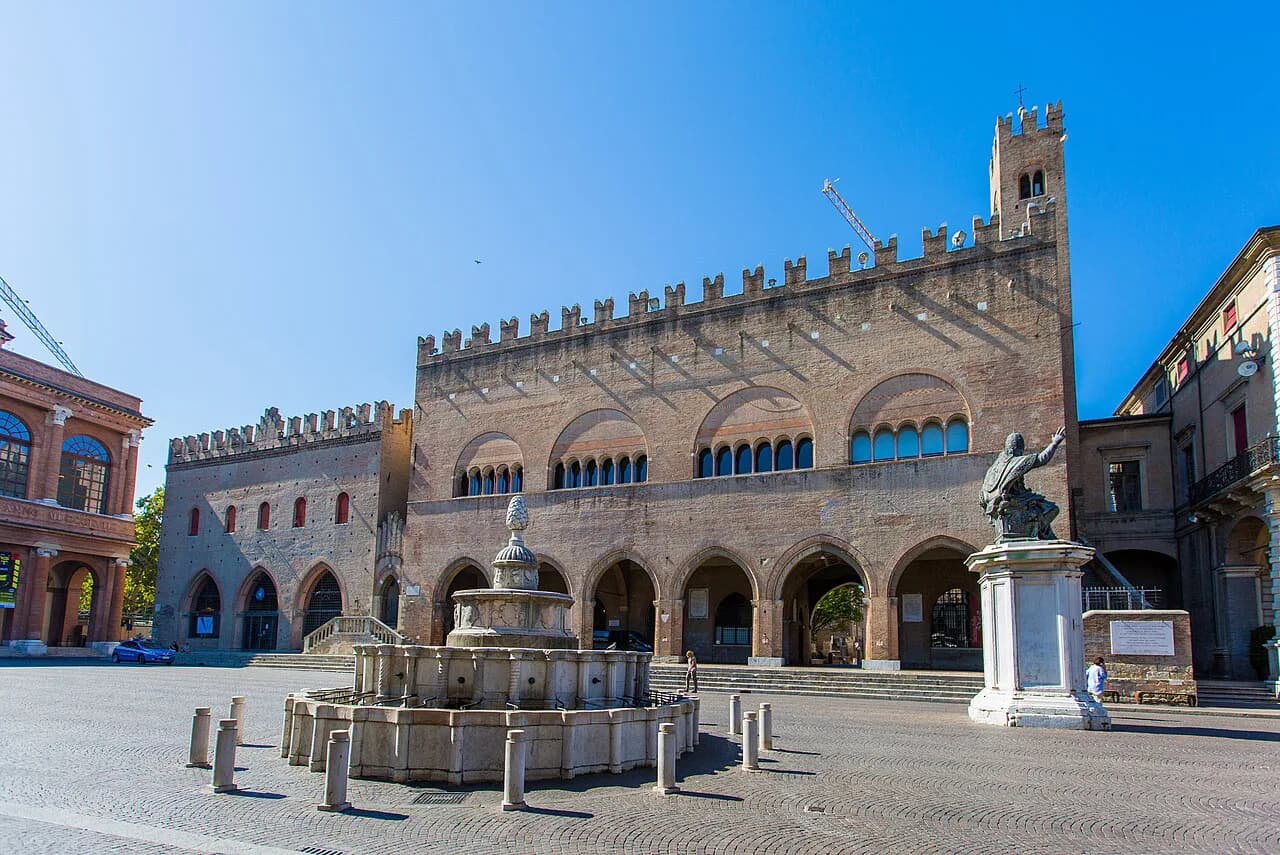
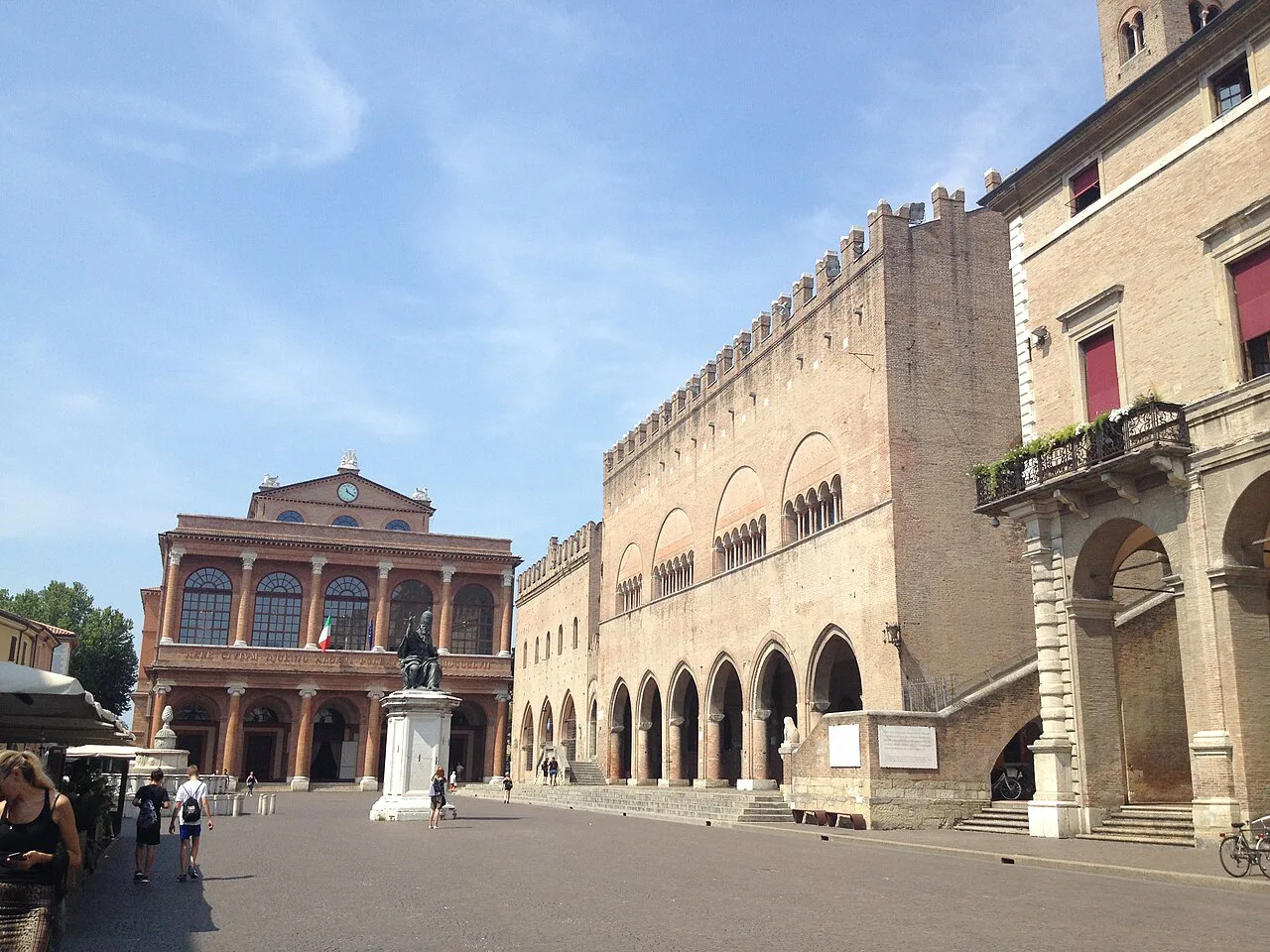
Santa Colomba sits at Piazza Malatesta 35, in the thick of the historic centre but set back from the beach crowds. Everything is made with certified organic ingredients, and the shop keeps dedicated options for gluten- and lactose-intolerant customers, so a group with mixed needs can order at the same counter without a negotiation. Beyond gelato there are sorbets, Sicilian granita — the icy, spoonable kind rather than a slush — and torta gelato, the layered frozen cake sold by the slice.
Look for the small pastries too: mignon pasticcini made from gelato, with organic milk and cream whipped in a planetary mixer. They are a sensible order if you want a sit-down sweetness rather than something eaten on the move.
Pellicano: the family pastry-shop start and its cream and zabaione
Pellicano began with the pastry chef Stefano Bernardi in 1984, after a flour allergy pushed him out of baking and into gelato, and it has since grown to five shops in Rimini. The Via Mentana 10 branch is the central one to aim for. Order the cream, made with fresh eggs from local poultry farms, or the zabaione cooked in a pan with Marsala Mirabella — zabaione being the whipped egg-and-fortified-wine custard that gives the gelato its boozy depth.
The chocolate is built on a blend of Dutch cocoas, and the fruit sorbets use seasonal Romagna produce. The shops also run a coffee corner and sell crêpes, which Pellicano was among the first in the city to offer decades ago — useful if one person in your party wants a hot drink while everyone else has a cone.
Amareina on Viale Vespucci: pistachio and dairy-free options
Amareina at Viale Amerigo Vespucci 12 puts you on the Marina Centro seafront walk, which makes it the natural stop between a swim and an evening stroll. The shop uses only recyclable materials and avoids chemical additives, colorants, preservatives and synthetic flavourings, and the flavour list splits into classics, richer recipes and a section for special diets including lactose-free, gluten-free and vegan. Pistachio is the one regulars go for.
Il Castello beside Castel Sismondo: cheese and ricotta flavours
Il Castello at Via Dario Campana 1 stands next to Castel Sismondo, the fifteenth-century fortress that houses the Federico Fellini museum, so it suits a stop either side of a visit. Marco Ottaviani's shop is known for the quality of its gelato in carapina — the dense, slow-churned style kept in shallow metal tubs rather than piled high. Look for Slow Food Presidia ingredients in the mix.
The flavours to try are the savoury-leaning ones: a cream made with formaggio di fossa di Sogliano, the pungent cheese aged in pits, and one with sheep's ricotta and caramelised figs, a classic Romagna pairing. Fruit flavours and sorbets appear only in their proper season, so a winter visit means a shorter fruit list.
Dolceneve Bio in San Giuliano: a short, focused flavour list
Dolceneve Bio at Via San Giuliano 31 sits in the old fishing quarter, a neighbourhood worth walking through on its own account. The house coffee flavour is the signature, alongside dark chocolate and a gingery ginger, with fruit sorbets in season. Because the shop works slowly and properly, expect roughly ten flavours at any one time rather than a wall of options.
This is also the place to try gelato stuffed into a brioche or, better, a maritozzo — the sweet Roman bun split and filled, here with ice cream instead of cream. There are granita, semifreddi (semi-frozen desserts) and torta gelato as well, so a table order can easily turn into a shared plate.
La Romana in Piazza Ferrari: the long-standing centre shop
Gelateria La Romana's centre branch at Piazza Ferrari 5 has been open since 1947, which makes it the oldest address on this list and the easiest one to find if you are wandering the middle of town. The gelato is made fresh daily in each shop's own laboratory using eggs, sugar, fresh cream and organic milk, and the company runs a pastry side alongside the ice cream. A spring or summer visit may bring a monthly special, such as a semifreddo with salted caramel gelato and crunchy pecan nuts.
La Romana has three other Rimini addresses — via Marecchiese 67, viale Rimembranze 67 and viale Dati 68 in Viserba — so if the centre shop is busy, the others are a short bus or bike ride away. In 2023 a list published by RiminiToday ranked La Romana branches highly in a city gelato selection derived from Tripadvisor, which tells you more about name recognition than about the quality of any single tub today.
How to order and eat it: cono, coppetta, brioche and maritozzo
The default is a cono (cone) or coppetta (cup); the cup is the safer bet in heat and lets you ask for a couple of flavours without them melting into each other. Granita is the Sicilian-style ice, coarser and more spoonable than sorbet, and it turns up at Santa Colomba and Pellicano. Torta gelato is a sliced frozen cake, useful when you want dessert for a table rather than a single serving.
The brioche and maritozzo option is a Romagna habit worth trying once: a sweet bun split and filled with gelato. Dolceneve offers both, and Pellicano adds crêpes and a coffee corner. Where a shop asks you to pay at the till first, do so and then hand the receipt to the person serving — many gelaterie work this way, so watch what the person in front of you does.
If you want a sit-down lunch before the ice cream, the best restaurants in Rimini are a short walk from most of these addresses, and a piadina — the thin Romagna flatbread — makes a lighter savoury stop earlier in the day.
How to tell artisan gelato from the tourist version
Three quick checks at the counter. First, look at the texture: gelato churned and served fresh should look soft and slightly uneven, not sculpted into perfect peaks, because the mounds in a tourist window often rely on stabilisers to hold their shape. Second, look at the fruit: out-of-season strawberries or cherry in January usually means flavouring or frozen pulp rather than fresh produce, whereas shops like Il Castello keep fruit and sorbets to the right season.
Third, read the ingredient list on the wall. The better shops are specific: Santa Colomba's certified organic sourcing, Amareina's no-additive policy, and Dolceneve's organic, short-supply-chain ingredients are all stated plainly. A sign that says only "artigianale" tells you very little, so ask what is in the pistachio or the cream and see whether the answer is a nut and milk or a list of thickeners.
Which gelateria should you pick?
Pick by location first. If you are in the centre, Santa Colomba or Il Castello are the obvious stops; Amareina and La Romana's Piazza Ferrari branch fit a seafront or piazza walk; Pellicano is the one for a sit-down pastry-counter experience; and Dolceneve rewards a wander into San Giuliano. If you only have time for one, go to Il Castello for the cheese and ricotta flavours you will not find at home, or Santa Colomba for the broadest range of dietary options.
Then match the format to the moment: a coppetta for walking, a brioche or maritozzo for a proper sit-down, a torta gelato if there is a group to feed. If you want something savoury first, the best pizza in Rimini and the pastry shops in Rimini are good next stops on the same walk.
Explore more Rimini food guides
Sources
Notes for your next meal in Italy
Optional updates to our food guides.
You might also like
Continue reading
More guides you'll find useful