Piadina in Rimini: What It Is and Where to Eat It
Piadina is Rimini's thin, wide flatbread, cooked on a testo. Here is what to order, how it is filled, and which piadinerie are worth your lunch.
On this page
Piadina is a thin Italian flatbread from Romagna, cooked on a terracotta or metal griddle called a testo and folded around cured meats, soft cheese and greens. In Rimini it is the default quick lunch, sold everywhere from beach kiosks to sit-down piadinerie, and a filled one usually costs less than a starter in a restaurant. This guide explains what the Rimini version is, which fillings to order first and where to eat it across the city.
It is a poor-kitchen food at heart, made from flour, fat, salt and liquid, and that simplicity is why a good piadineria lives or dies on its dough and its fillings rather than on decoration. Order at the counter or take a table, and the same flatbread arrives either wrapped in paper or plated with a few extra fillings. The rest of this guide follows the city's neighbourhoods so you can match the stop to your day.
What piadina is and how it differs from a panino
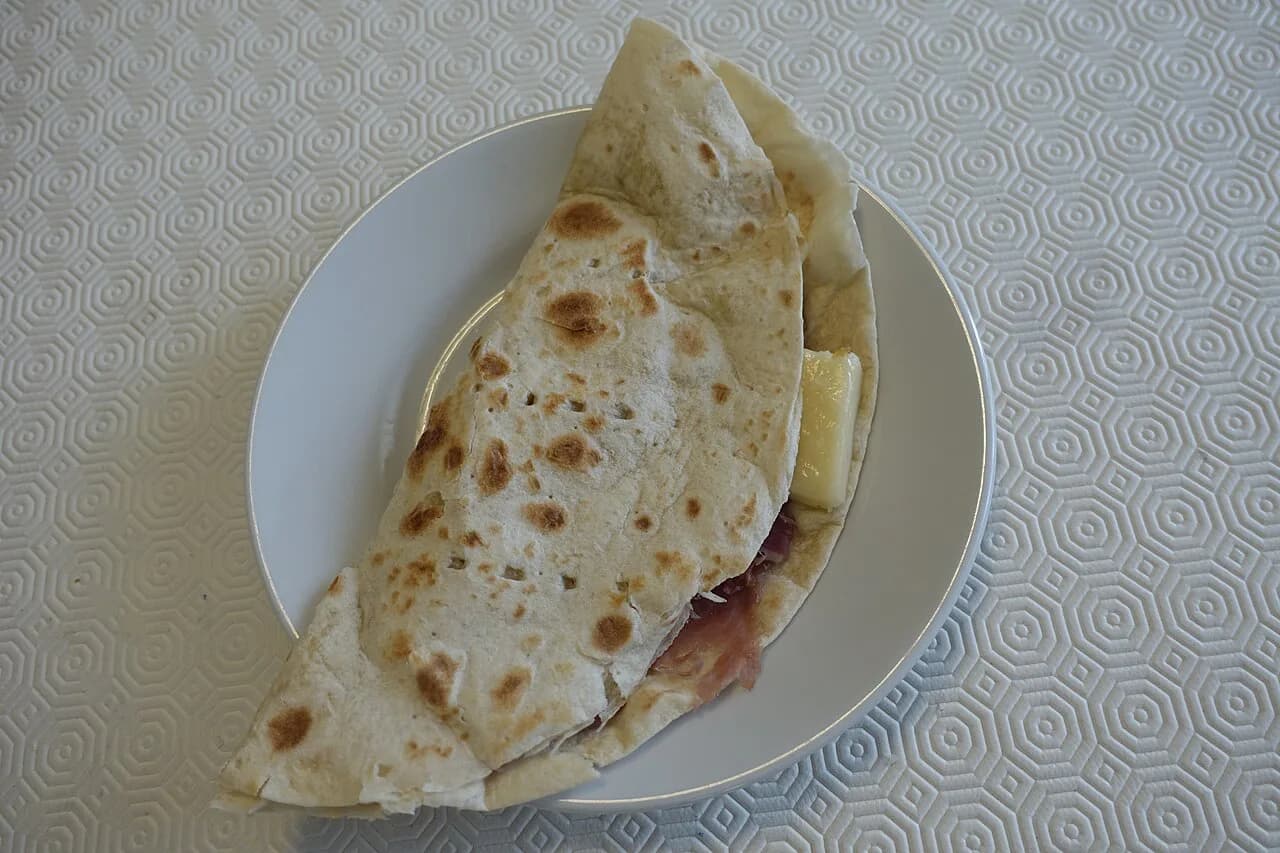
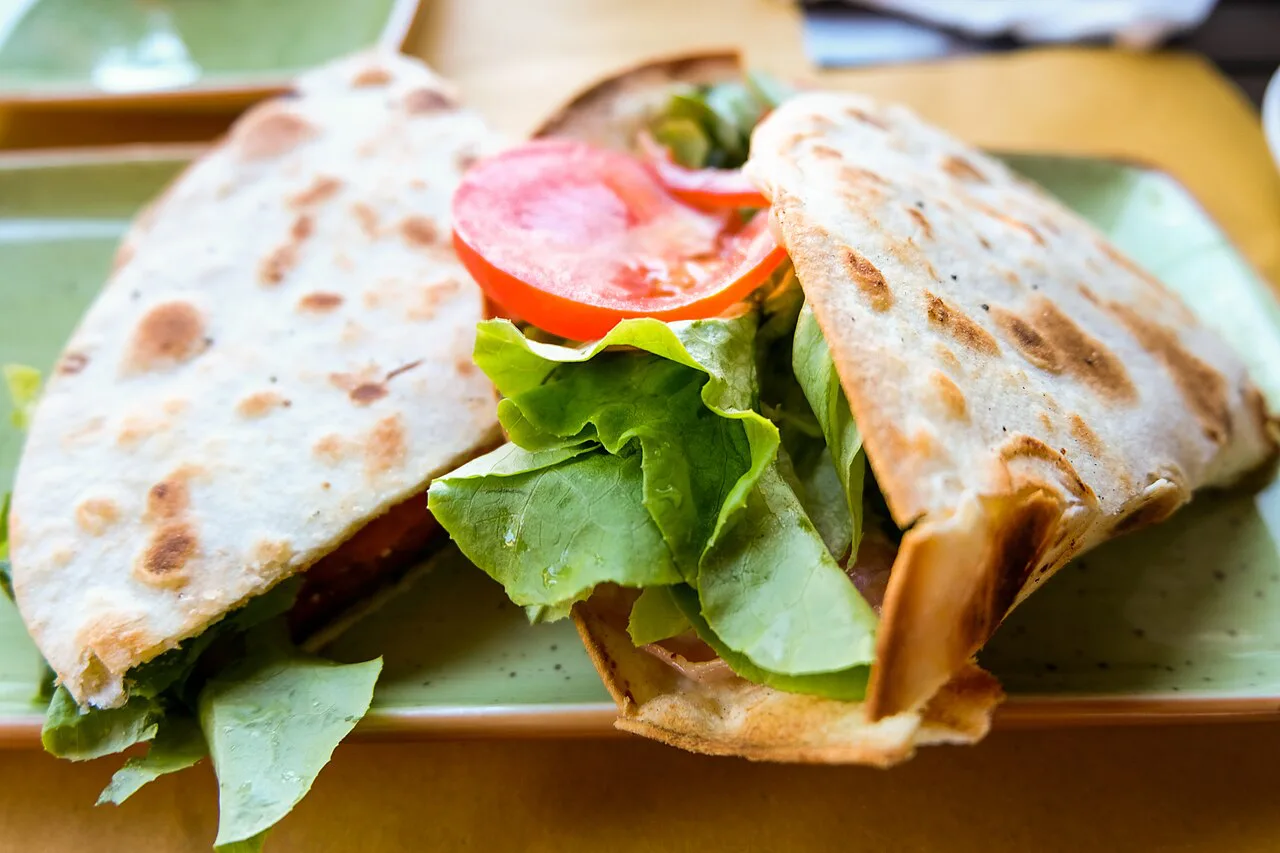
A panino is a split bread roll with a crust and a crumb; a piadina is a flat disc of unleavened-style dough cooked quickly on both sides, then folded over its filling while still warm. That flat shape means the filling sits against hot bread and softens it, so a piadina is best eaten within minutes of being made. If you want something sturdy to carry to the beach, ask for it wrapped rather than plated.
In Emilia-Romagna a piadina is also called a piada, and the two words mean the same thing on a menu. The classic fillings are savoury and simple, and there is no rule against eating one for breakfast with eggs or for a quick dinner with grilled vegetables. Think of it as the local answer to a sandwich, not as a starter.
Why the Rimini piadina is thin and wide, and what Piada Romagnola IGP alla Riminese means
Piadina changes character as you move across Romagna. Further north, around Cesena, it is rolled thicker and cut to a smaller diameter, which makes it heavier in the hand; in the Rimini and Riccione area it is rolled thin and wide, so the filling dominates and the bread stays light. If you have only eaten a thick supermarket version, the Rimini style will feel like a different food.
Piada Romagnola IGP alla Riminese is a protected name for the flatbread made to the Rimini method. One producer in the city describes the recipe in terms of select flour, pure pork strutto (rendered lard), a pinch of salt and the hands of local cooks known as azdore, and sells versions made with strutto, with extra-virgin olive oil or with a blend of flours. The IGP label tells you the name and method are protected, not that one shop is better than another.
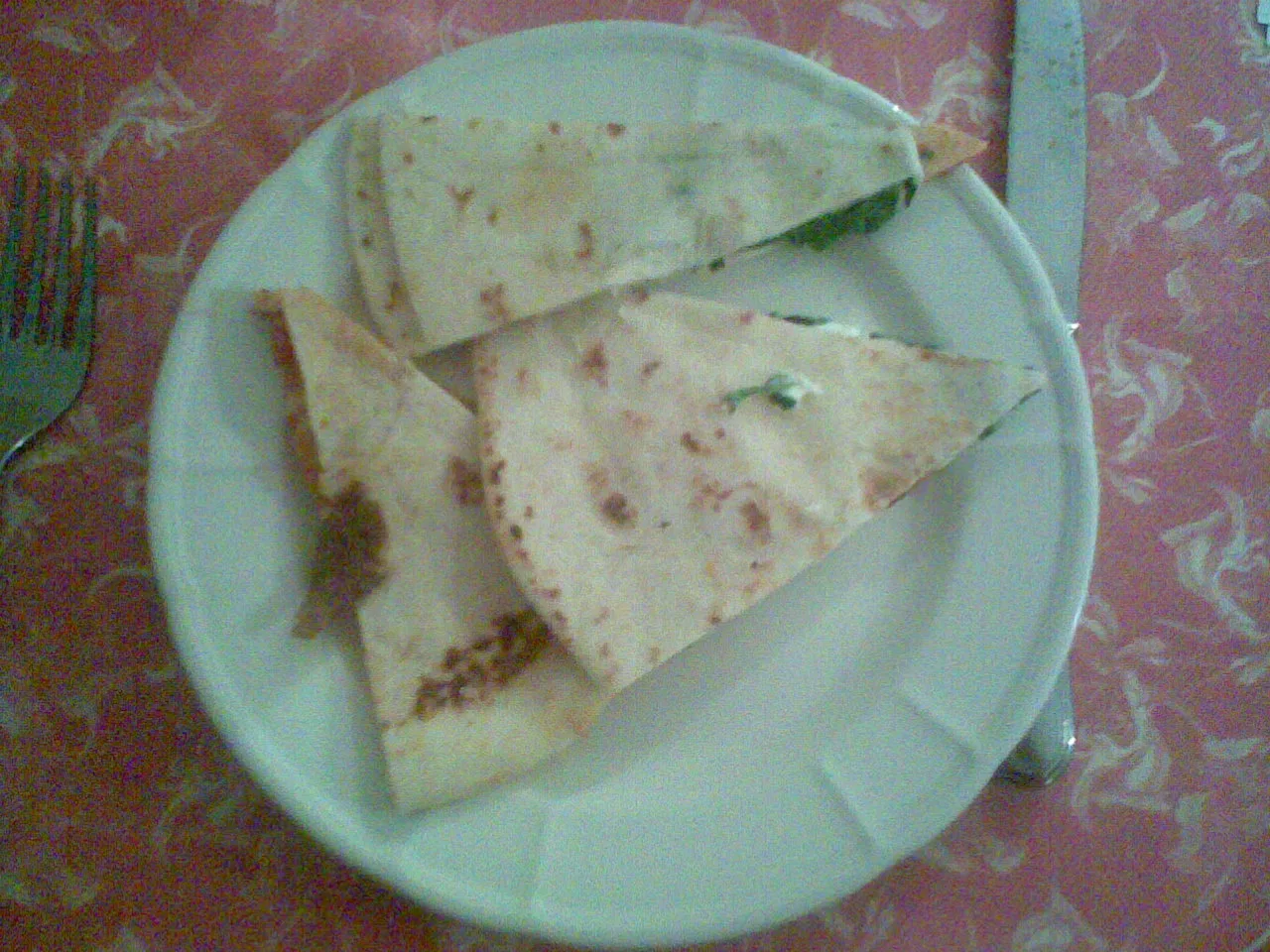
The fillings to order first: squacquerone, rucola and prosciutto crudo
Start with squacquerone, rucola and prosciutto crudo. Squacquerone is a soft, slightly tart cow's-milk cheese from Romagna that spreads across the warm bread, rucola adds a peppery edge and prosciutto crudo brings salt and fat. It is the combination that appears on almost every piadineria menu in the city, and the one to judge a shop by.
After that, the local logic is fat plus something sharp or green. Gorgonzola with walnuts, prosciutto crudo with fontina and squacquerone with rucola all turn up, and vegetable fillings such as grilled courgette work well if you want something lighter. Ask what is made locally that day and let the answer guide you rather than working through a long list.
Piadina or cassone: what changes when the dough is folded and sealed
A cassone is the same dough folded in half and sealed at the edges before cooking, with the filling enclosed inside, which makes it a heavier, more substantial meal than an open piadina. In Rimini the cassone is often listed alongside the piadine and comes with the same fillings, so the choice is about appetite rather than flavour. Order one between two people if you are also having a piadina.
Because the cassone is sealed and cooked on the testo, the cheese melts against the dough rather than spilling out, and it travels better than an open piadina. If you are eating on a bench by the Adriatic Sea or taking lunch to the beach, that sealed edge is the practical choice. For a sit-down meal after a beach day, the Best Restaurants in Rimini guide covers the wider picture.
Dalla Lella: the Covignano, Rimembranze and Piazzale Kennedy shops and what each one is like
Dalla Lella is the name most Riminesi will give you, and it runs three shops: Via Covignano 96, Via Rimembranze 74/A and Piazzale Kennedy 2, the last known as Lella al Mare for its position near the water. The Via Rimembranze shop keeps the feel of an old workshop, and Lella al Mare is the modern one, with booking available at that branch.
The dough follows the traditional recipe while the fillings are the original part, including options with Philadelphia and courgette. For a daytime stop, Via Rimembranze suits a wander through the old streets, and Piazzale Kennedy suits a seafront lunch.
Nud e Crud in Borgo San Giuliano: piadine and Romagna plates in the same sitting
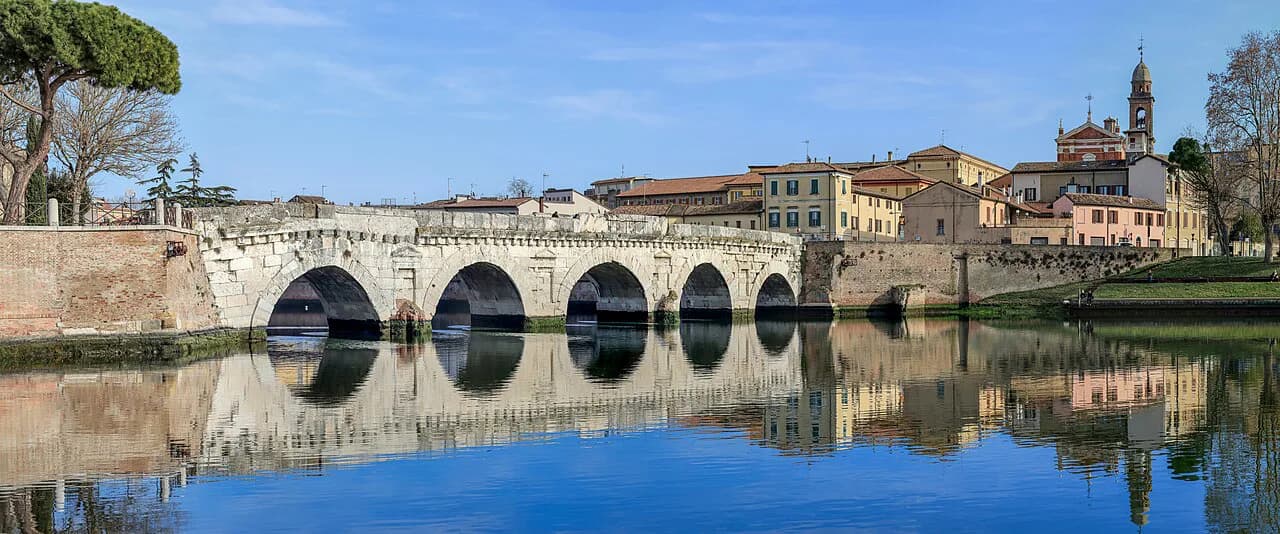
Nud e Crud sits in Borgo San Giuliano, a few steps from the Ponte Tiberio, and makes its piadine with local flours and seasonal produce from organic farms in the area, with an open kitchen at work. It is the place to go when one person wants a piadina and another wants a plate of passatelli or tagliatelle. The atmosphere is lively rather than quiet.
Souvenir di Viaggio puts filled piadine here at around €8 to €10, which is the upper end for the city but buys you a broader menu and a sit-down setting. If you want the full trattoria experience instead, the trattorias in Rimini and the Romagna hills are the other direction to take.
Casina del Bosco near Parco Fellini: classic or farro dough
Casina del Bosco sits by Parco Fellini, close to the sea and the Fontana dei Quattro Cavalli, and makes its piadine by hand to a house recipe passed down over the years. The menu offers classic dough or a 100% wholemeal farro option, which gives a nuttier, denser base, plus insalate and handmade desserts.
Souvenir di Viaggio lists costs here at roughly €8.50 to €10. The farro dough is the reason to choose this shop over the others if you like a coarser flatbread, and the park setting makes it an easy stop on a walk between the centre and the beach.
Ciana e Monda on Viale Don Giovanni Bosco: thicker dough and generous cassoni
Ciana e Monda on Viale Don Giovanni Bosco is plain and unfussy, and known for generously filled piadine and cassoni. The dough is a little thicker than at other Rimini piadinerie, which makes it closer to the northern style, and the classic prosciutto crudo, squacquerone and rucola combination is the one to try first.
The cassoni are a strong point here, and Souvenir di Viaggio lists prices at about €6 to €7, making this one of the cheaper quality stops in the city. It is the choice if you want volume and a low bill rather than a seafront table.
Oasi della Piada on Viale Siracusa: a relaxed stop outside the centre
Oasi della Piada on Viale Siracusa is set a little outside the centre and has the feel of a garden stop, with a small play area for children. The piadine are made by hand and filled generously, from squacquerone and rucola to prosciutto and fontina or gorgonzola and walnuts.
Souvenir di Viaggio's piadina is the lowest in that round-up. It suits families and anyone with a car or bike who wants to eat away from the busiest streets.
Bar Ilde in the Covignano hills: a piadineria with roots going back to 1958
Bar Ilde is up in the Covignano hills, away from the seafront, and traces its history to 1958, when it was a small wooden kiosk where passers-by and workers stopped for Maria's piadina. The Urbinati family, starting with Ilde, later expanded the space and the menu, which now includes cassoni, fried items, cold plates and insalate.
Souvenir di Viaggio is the highest of the picks, and the trip uphill makes it a destination rather than a quick stop. Go for the setting and the sense of history as much as the food.
How much a filled piadina costs in Rimini
The price of filled piadine in the city mostly varies depending on the shop and the filling. Oasi della Piada sits at the low end, Ciana e Monda follows, Casina del Bosco, Nud e Crud, Bar Ilde and Dalla Lella sit higher, and the price rises with a sit-down table, a broader menu or a location near the sea.
These are the bands published by Souvenir di Viaggio, so treat them as a guide to relative cost rather than a fixed menu. In practice the cheapest lunch is a counter piadina eaten standing, and the most expensive is a plated one with a side and a drink. Elsewhere in the region, The Best Pizza in Rimini makes a different but equally cheap lunch.
How to order and eat it: at the counter, wrapped, on the go
At a piadineria you usually order at the counter, choose your filling from the board, pay and wait for the piadina to come off the testo. Many shops wrap it in paper for takeaway, and the ones with tables will plate it and bring it over. If you are unsure what a filling is, ask for a taste or a description before you commit.
Eat it hot and with your hands, folded in half, and expect the filling to soften the bread as it sits. A piadina is a complete light meal, but a cassone or a second one is needed if you are hungry after a long walk. For a sit-down meal instead, the best restaurants in Rimini cover the wider picture.
Which piadineria should you choose?
For a first piadina in Rimini, go to Dalla Lella on Via Rimembranze for the old-workshop feel, or to Piazzale Kennedy if you want to eat by the sea. Choose Ciana e Monda or Oasi della Piada if the bill matters most, Casina del Bosco for the farro dough and the park, and Bar Ilde if you want to drive up into the hills for the setting.
Order squacquerone, rucola and prosciutto crudo at least once, and try a cassone if you want something sealed and substantial. Prices are listed by each shop, and the addresses above are the ones the shops publish.
Explore more Rimini food guides
Frequently Asked Questions
What does piada mean?
Piada is the Romagna word for piadina: the same thin flatbread, cooked on a testo and folded around a filling. Menus in Rimini use both spellings, often within the same shop.
Is piadina the same as a panino?
No. A panino uses a risen bread roll that is split and filled, while a piadina is a flat disc of dough cooked on both sides and folded over its filling. The flat shape means the bread softens against a hot filling, so it is best eaten straight away.
What is the difference between a piadina and a cassone?
A cassone uses the same dough, folded in half and sealed at the edges before cooking so the filling stays enclosed inside. It is heavier and travels better than an open piadina, and in Rimini it usually comes with the same fillings.
Sources
Notes for your next meal in Italy
Optional updates to our food guides.
You might also like
Continue reading
More guides you'll find useful