Best Pasta in Padua: Where to Eat Fresh Pasta & Bigoli
Where to eat the best pasta in Padua, from fresh pasta at Pastasuta under the Salone to takeaway trays at Sugo, plus the shapes and sauces to order.
On this page
The best pasta in Padua for most visitors is Pastasuta under the Sotto il Salone market, where fresh pasta is cooked to order in a matter of minutes and you choose the shape and the sauce separately. It suits a quick lunch between sights or a bowl before an evening train. This guide sets out what is documented at Pastasuta, what Sugo offers on the takeaway side, and which pasta shapes and sauces are worth ordering while you are here.
Padua's pasta is not a single famous dish but a working tradition of fresh pasta, filled shapes and long noodles dressed with whatever the kitchen has made that day. The city's market area is where you eat it fastest, and the wider Veneto restaurant scene is where the region's reputation for fine cooking sits. Both matter when you are deciding how to spend a meal.
Best pasta in Padua: the short answer
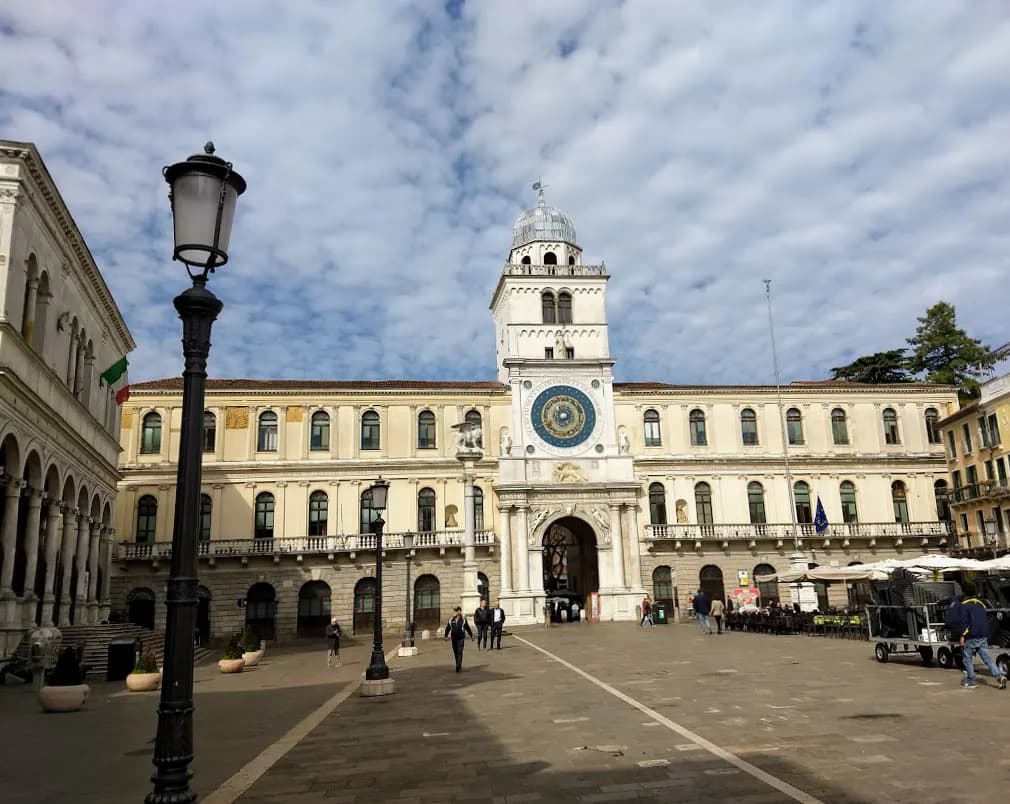
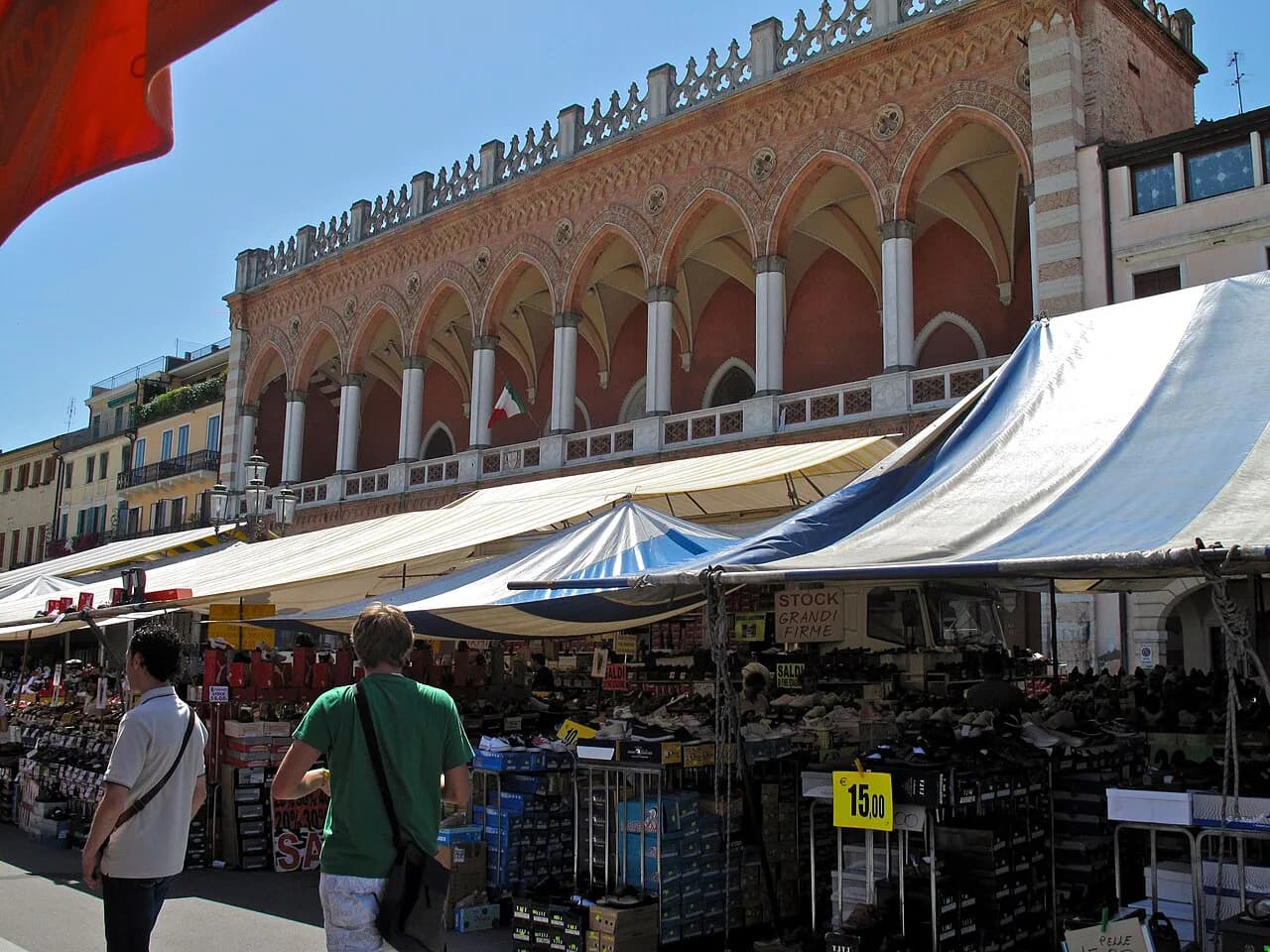
Eat at Pastasuta Sotto il Salone if you want a sit-down bowl of fresh pasta in the centre without committing to a long restaurant meal. The address is Sotto il Salone, 54-55, in the market space beneath Palazzo della Ragione. It is a compact operation built around cooking pasta to order, so it works best when you have a clear hour rather than an afternoon to fill.
Choose Sugo if you want a takeaway restaurant built around fresh pasta, lasagne and soups in a 17th-century building in the historic centre. The trade-off is straightforward: Pastasuta gives you a seat and a bowl, Sugo gives you speed and a box. Neither is a formal dinner, and neither needs to be.
Pasta in Padua: bigoli, tagliatelle and filled pasta
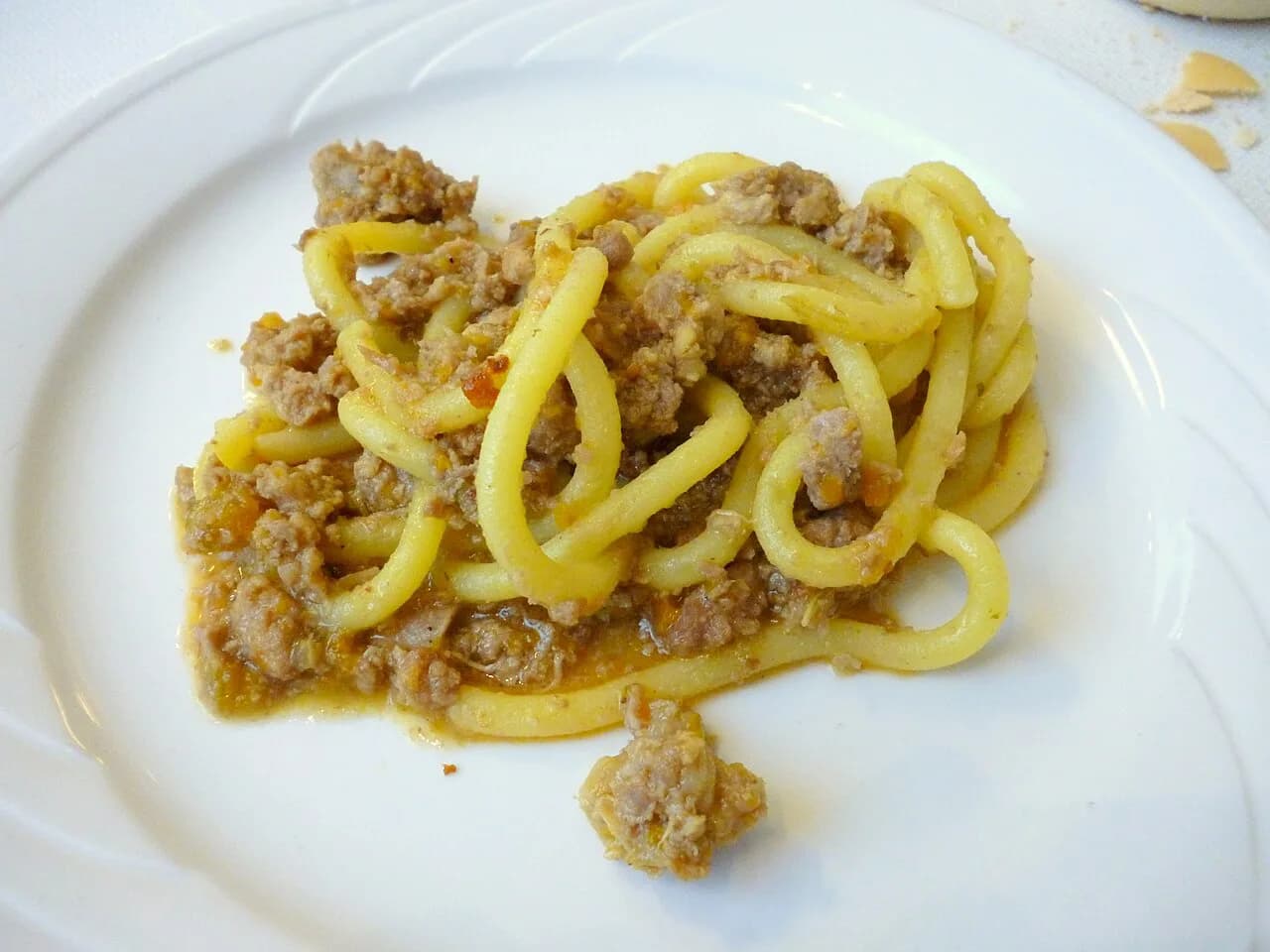
Bigoli is among the fresh shapes on Pastasuta's list, robust enough to hold a heavy sauce. Order it when you want something with more bite than the spaghetti and penne you can find anywhere in Italy. It takes well to ragù and to punchy, savoury dressings, and you can read more in our bigoli guide.
Alongside bigoli, Pastasuta keeps tagliatelle and filled pasta on its list, and the fillings change with the season. Its tortelli have been documented with a pumpkin filling in autumn and a feta filling in summer, which tells you the kitchen builds its menu around what is in season rather than a fixed card. That is the model to expect in the better fresh-pasta spots: a shape you choose, a filling that changes, and sauces made that day.
The everyday sauces are the ones you would find across the north: ragù alla bolognese, duck ragù, carbonara, amatriciana, gricia, cacio e pepe, pesto alla genovese, plain tomato and arrabbiata. The kitchen at Pastasuta also keeps extras such as truffle sauce, guanciale (cured pork cheek) and burrata for people who want to build something richer. These are the names to recognise on a menu board.
Pastasuta Sotto il Salone: fresh pasta cooked to order in the market
Pastasuta sits in the Sotto il Salone market area in the middle of Padua, and it is best understood as a pasta counter with seats rather than a conventional restaurant. You pick your fresh pasta shape, then pick the sauce, and the kitchen cooks it to order. Fulvia Furlanis runs the project and has been in this trade for around fifteen years, and the same product sold at the counter is available to buy nearby and cook at home.
In late 2024 restoration work at the Sotto il Salone site was reported as due to finish shortly, with around ten extra seats planned once it was complete, including indoor space for the colder months. Treat that as building work reported at the time rather than a promise of a particular layout today. The practical point stands: this is a small, busy room where the draw is the pasta rather than the seating.
The cooking is deliberately fast, with the pasta finished in roughly five minutes once ordered. That speed is the reason to come when you are heading for a train, nipping back to work, or eating before a film. Do not come expecting a long, leisurely lunch by the market; come expecting a good bowl and an easy exit.
Pastasuta's second counter in the portego and the pasta shop
Pastasuta has grown into three pieces: the original Sotto il Salone restaurant, a separate shop selling pasta to cook at home, and a newer counter in the portego that links the Salone to the piazze. The spread means you can sit down for a bowl, buy the same pasta to take home, or grab something on the move between the market and the squares.
For anyone travelling from the UK or Ireland, the shop is the useful bit. Fresh pasta is light and packs easily, and buying a couple of shapes gives you a Paduan dinner at home without carrying anything fragile. If you are staying in self-catering accommodation, the shop plus a market vegetable makes a simple, inexpensive meal.
What to order at Pastasuta: tortello di zucca, ricotta and spinach ravioli, bigoli
The tortello di zucca with guanciale is the plate to aim for in autumn: a pumpkin-filled pasta where the filling actually tastes of squash, with crisp cured pork cheek against the sweetness. A ricotta and spinach ravioli was served alongside it in the same bowl as a bonus, and it reads as comfort food rather than a light starter. Both come with the filling as the point of the dish, not as a vehicle for sauce.
For a straightforward bowl, choose bigoli with duck ragù or ragù alla bolognese, or tagliatelle if you want a softer, egg-rich noodle. Lasagne is made with fresh pasta here, and the fresh shapes available include rigatoni, paccheri and spaghetti if you would rather build your own combination. The menu is a base of shapes and sauces, so the dish is yours to assemble.
Sugo: takeaway fresh pasta, lasagne and soups in the centro storico
Sugo is a takeaway restaurant in Padua's historic centre, set in a 17th-century building and built around fresh pasta, lasagne and soups. The concept is fresh pasta and lighter eating, ordered and carried out rather than served over a table. For a traveller with a train to catch or a meal to eat on the move, that is exactly the right format.
The trade-off against Pastasuta is simple: Sugo keeps you moving, Pastasuta gives you a table under the market. If the weather is good, either works; if it is cold or wet, a seated bowl is the more comfortable choice. Compare the two by what you want from the hour, not by which sounds better on paper.
Where Padua's pasta sits against the wider Veneto picture
Four Padua-province restaurants were recognised in 2024 under the Veneto Food Excellence scheme, organised by FIPE Veneto with the patronage of the Regione Veneto: Incàlmo in Este, Lazzaro in Pontelongo, Le Calandre in Rubano and Storie d'Amore in Borgoricco. As reported, the restaurants were selected by comparing the Gambero Rosso, Michelin and Espresso guides, which makes this a sign of peer recognition rather than a ranking of who cooks pasta best. None of the four is in the city centre, and none is a quick pasta lunch.
For everyday eating in Padua, look to the trattorias and osterie where fresh pasta is made and served simply, and where the cooking is judged on the plate rather than on a guide entry. In the 2024 Slow Food Osterie d'Italia, the guide's top chiocciola award was confirmed for two places outside the centre, Antica Trattoria Al Bosco in Saonara and Locanda Aurilia in Loreggia. If you want the full spread of Padua eating by budget and style, start with The Best Restaurants in Padua, Picked by Style and Budget.
If you are choosing between a bowl of pasta and a pizza for a casual meal, the city's pizza is a separate decision worth making on its own terms; the best pizza in Padua is a short list of named places rather than a category. Pasta remains the faster, more portable option when you are eating around market hours.
Round off a market lunch with something sweet from a gelateria rather than a dessert course, especially in warm weather. If you are near the centre after eating, the best gelato in Padua is a sensible next stop before an afternoon of walking.
How to order and eat pasta in Padua: portions, sauces and the coperto
Italian menus list pasta as a primo, the first course, and portions are sized for that role rather than as a main. If you want pasta as your whole meal, order a second course or a side as well, or accept that you will be eating again later. At a fast pasta counter like Pastasuta the bowl is closer to a full lunch, which is why it works for travellers with limited time.
Many seated restaurants add a coperto, a small per-person charge for bread and cover, and it appears on the bill rather than the menu headline. It is normal and not a mistake. At the counter, pay attention to whether you order and pay at the till first or at the table, since the two models coexist in Padua.
Tipping is not expected in the way it is in the UK or US; rounding up or leaving small change is enough. If you want the wider picture on trattoria cooking and how a Paduan menu is structured, the city's trattorias are the place to read up before you go.
Choosing between a sit-down bowl and takeaway when you have a train to catch
With under an hour, take Sugo and eat on the way to the station; the takeaway format exists for exactly that. With ninety minutes or more, sit down at Pastasuta and let the pasta come to you in about five minutes, which leaves time for a coffee afterwards. The error to avoid is ordering a long restaurant lunch when your train is at the top of the hour.
If you are eating in the evening before a show, the quick-cook model works in your favour, since the bowl arrives fast and you are not waiting on a full kitchen sequence. If you want a slower meal with wine and more courses, save it for a day without a deadline.
Which Padua pasta stop fits your day
For most visitors, the answer is Pastasuta under the Sotto il Salone: fresh pasta, cooked to order, in the middle of the city, with the option to buy the same pasta to take home. It is the most practical way to eat well in Padua on a tight schedule, and the tortello di zucca with guanciale is the plate to order in autumn.
Sugo covers the takeaway case, and the wider Veneto restaurant scene is there for a longer, more formal evening. Match the format to the time you actually have, and the pasta will take care of itself.
Explore more Padua food guides
Frequently Asked Questions
Is it rude not to finish your plate in Italy?
No. Leaving some food is not treated as an insult, and portions at a pasta counter are generous enough that many people stop when they are full. If you are in a restaurant and want to take leftovers away, ask; some places will pack them and some will not, so it is a question rather than an assumption.
What is Padua known for in Italy?
Padua is known for its old university, the frescoed Scrovegni Chapel, the huge market hall of the Sotto il Salone and the arcaded streets of the historic centre. For eaters, the market area is the anchor: it is where the city's fresh produce and casual pasta counters sit side by side.
Which city in Italy has the best pasta?
There is no single answer. Each region has its own shapes and sauces, and in Padua the fresh pasta counters serve fresh pasta, filled shapes such as tortelli, and bigoli among the formats on offer. The market area puts fresh pasta within a few minutes' walk of the centre.
Sources
Notes for your next meal in Italy
Optional updates to our food guides.
You might also like
Continue reading
More guides you'll find useful