Best Pasta in Parma: Local Shapes and Where to Eat Them
Parma's pasta means tortelli d'erbetta, anolini in brodo and fresh egg pasta with butter and Parmigiano. Here is what each dish is and where to eat it.
On this page
The best pasta in Parma is the city's own: tortelli d'erbetta, stuffed with ricotta and herbs and dressed with butter and Parmigiano Reggiano, and anolini in brodo, small filled rings served in a clear meat broth. Order either in a trattoria in the centre and you are eating the Emilian dish locals actually order, not a generic plate of pasta. This guide names the two shapes, explains what is inside them, covers the other formats you will see on Parma menus, and points to where to eat a plate made in house.
What pasta in Parma means
Parma sits in Emilia-Romagna, the part of Italy where pasta is made with eggs and soft wheat flour rather than durum semolina and water. The result is a yellow, silky sheet that cooks in a couple of minutes and is served with butter, cheese or a light sauce rather than a heavy ragù. Look for the words pasta fresca (fresh pasta) or pasta all'uovo (egg pasta) at the top of a menu and you are in the right territory.
The two names that matter most are tortelli d'erbetta and anolini in brodo. Tortelli are large squares or half-moons with a ricotta and herb filling; anolini are small stamped rings with a meat and breadcrumb filling, served in broth rather than with a sauce. If you order only one plate of pasta in Parma, order one of these two.
Trattoria Sorelle Picchi, in the centre of Parma, makes its fresh pasta by hand and serves several local formats, so you can try more than one shape at a single sitting.
Tortelli d'erbetta: what the filling is and how it is dressed
Tortelli d'erbetta takes its name from erbetta, the mild green herbs — usually spinach and chard, sometimes parsley — that go into the filling alongside ricotta and often a little Parmigiano Reggiano. The pasta is rolled thin, cut into squares, filled and sealed by hand, which is why a good plate arrives uneven and slightly rustic rather than machine-perfect.
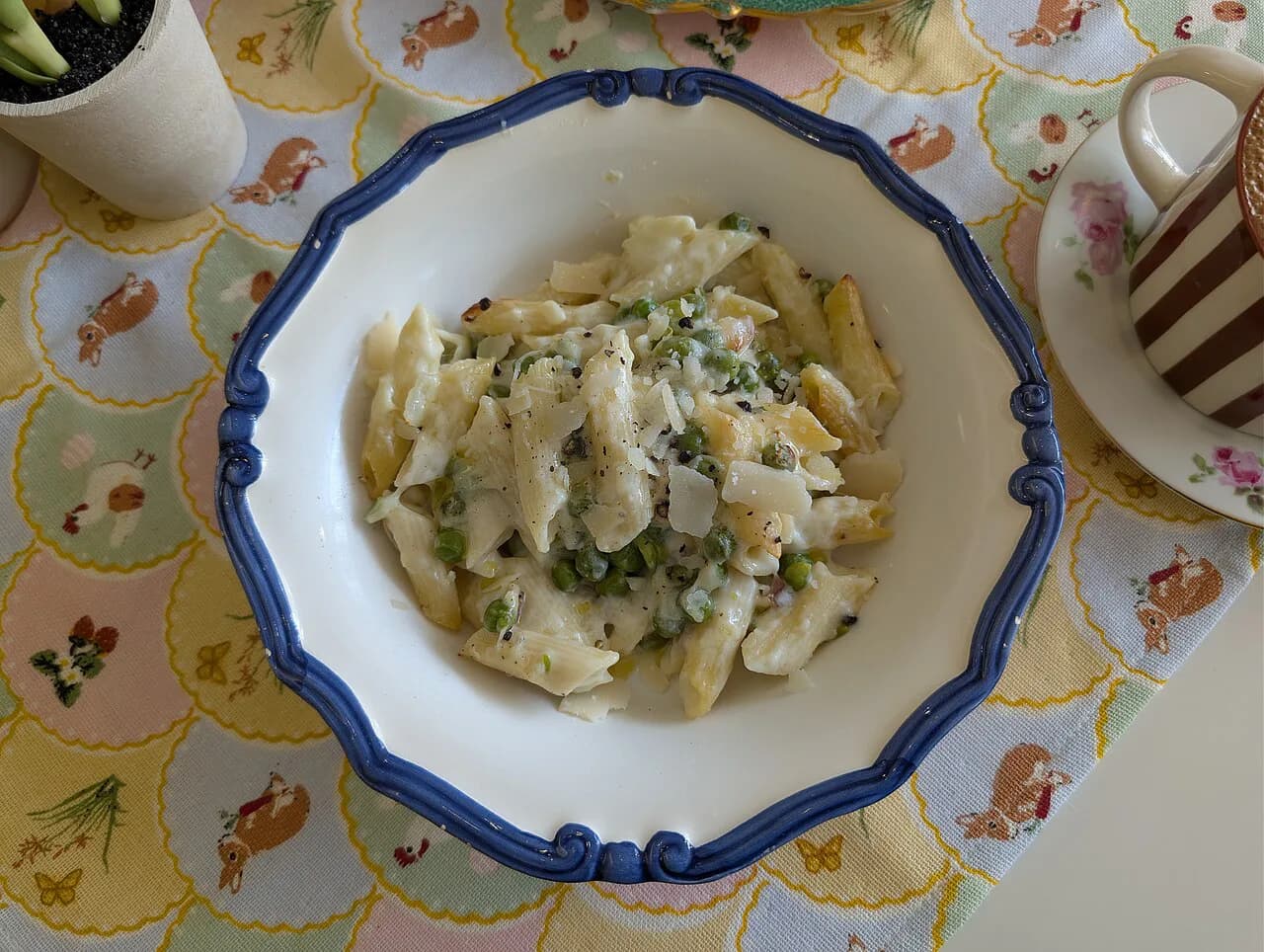
The classic dressing is melted butter and a generous grating of Parmigiano Reggiano, sometimes with a few sage leaves. Some trattorias finish the tortelli with a light tomato sauce or with crumbled sausage, but butter and cheese is the version to try first, because it lets the herb filling come through. If the menu lists tortelli alle erbette or tortelli d'erbetta, that is the dish.
Parmigiano Reggiano is a protected-origin cheese, made in a defined area around Parma, Reggio Emilia, Modena and Bologna. On a Parma menu it appears grated over pasta, shaved on salads and sold in wedges in salumerie, and the name on the label tells you it is the real thing rather than a generic grating cheese.
Anolini in brodo: the stuffed pasta served in capon broth
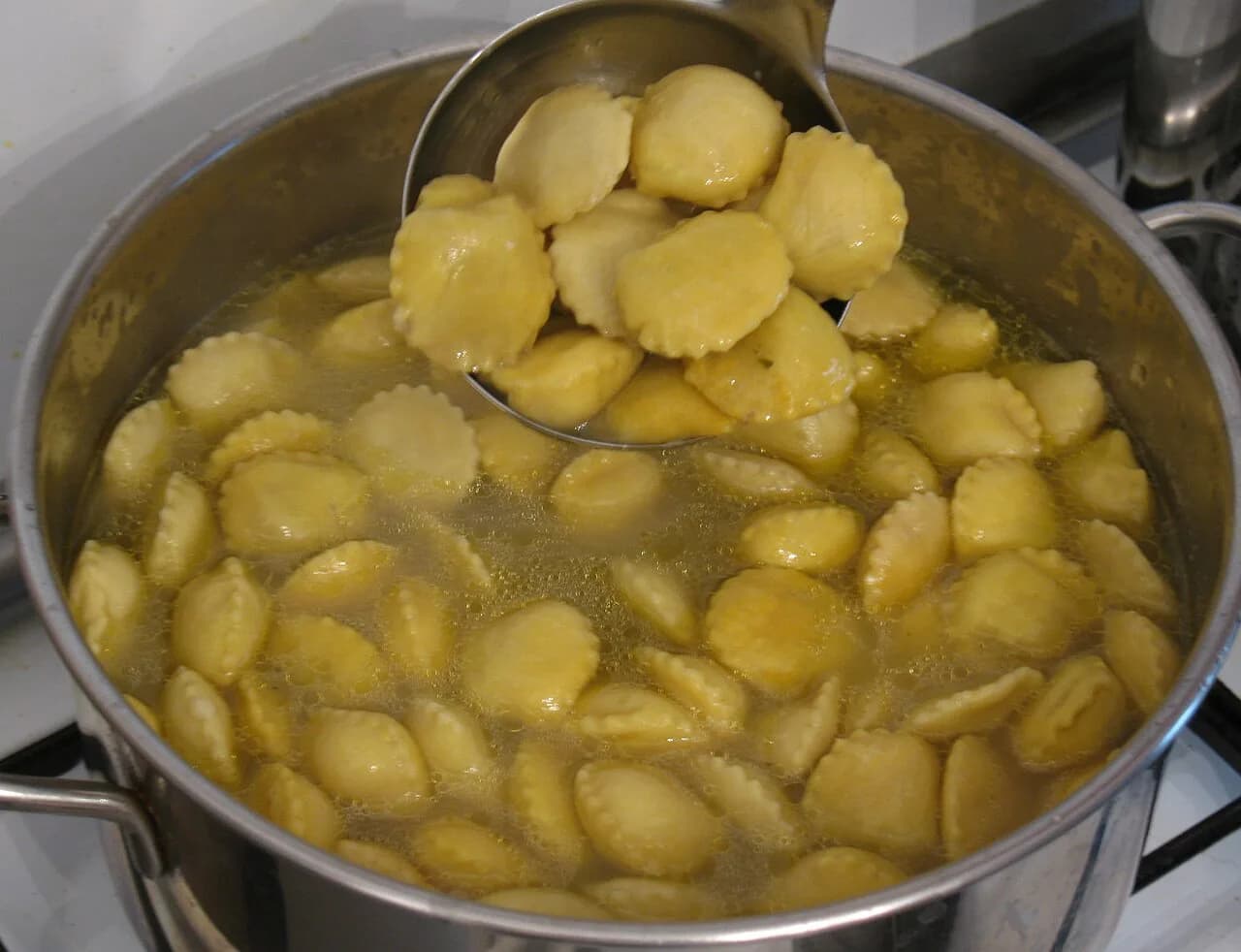
Anolini are small round stuffed pasta, filled with a mixture of beef, pork, breadcrumbs and cheese that has been cooked down slowly. They are served in brodo, a clear broth that in Parma is traditionally made with capon or hen, and the dish is a winter staple rather than a summer one. The plate arrives as much broth as pasta, so treat it as a soup course rather than a main.
Because the filling is rich and the broth is light, anolini are usually ordered as a primo (first course) before a second of meat or cheese. Ask for anolini in brodo and you will get the dish; ask for anolini asciutti and you will get them drained and dressed with butter, which is a different plate altogether. Order the broth version at least once.
The dish is worth reading up on before you go, since the filling and the broth are what separate a good version from a thin one.
Other shapes to look for on Parma menus
Beyond the two signature dishes, Parma trattorias serve tagliatelle with ragù, gramigna with sausage, and ravioli filled with ricotta or pumpkin depending on the season. Gramigna is a short, curly pasta that holds sauce well and turns up with crumbled sausage in a light tomato sauce; tagliatelle al ragù is the Emilian standard. Neither is unique to Parma, but both are made with the same fresh egg dough.
Tortelli can also be filled with other things — potato, chestnut or, in some kitchens, pumpkin. If you see tortelli on the menu without a qualifier, ask what the filling is, because in Parma it is often the herb version but not always. A quick question at the table saves ordering the wrong plate.
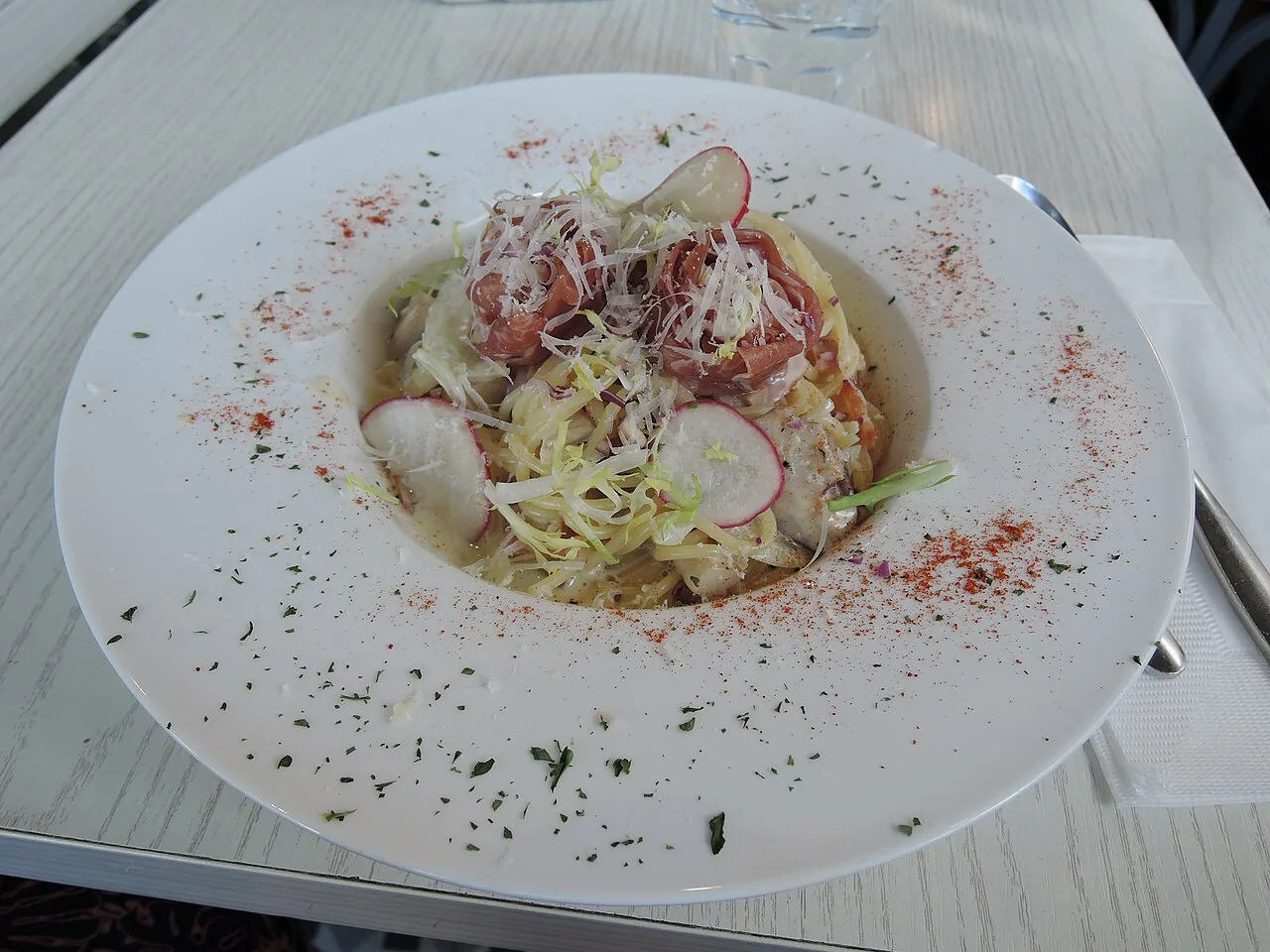
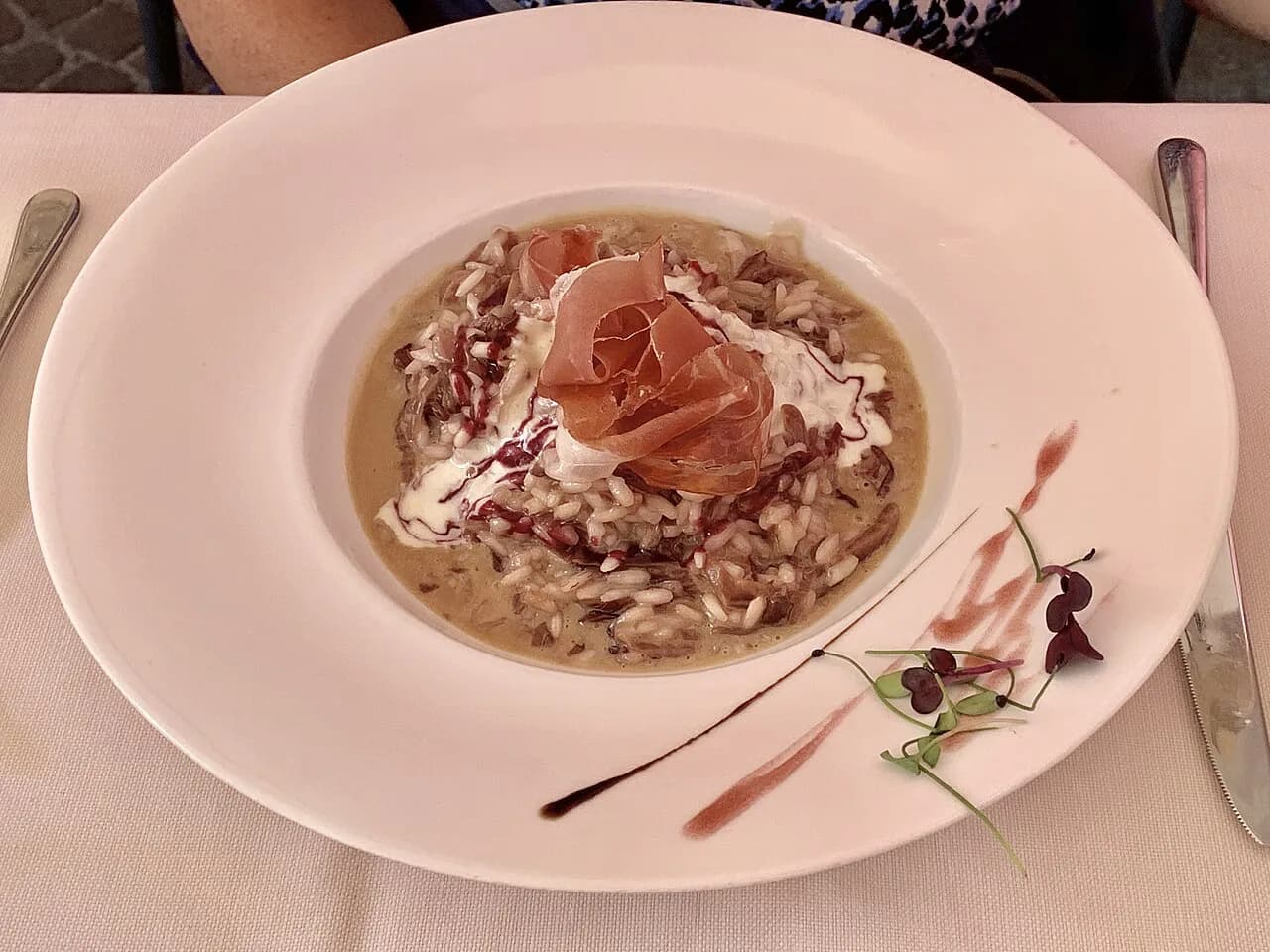
Parma's cured meats turn up in pasta too: a plate of tagliatelle may be finished with culatello or with Prosciutto di Parma, and the saltiness of the meat replaces some of the cheese.
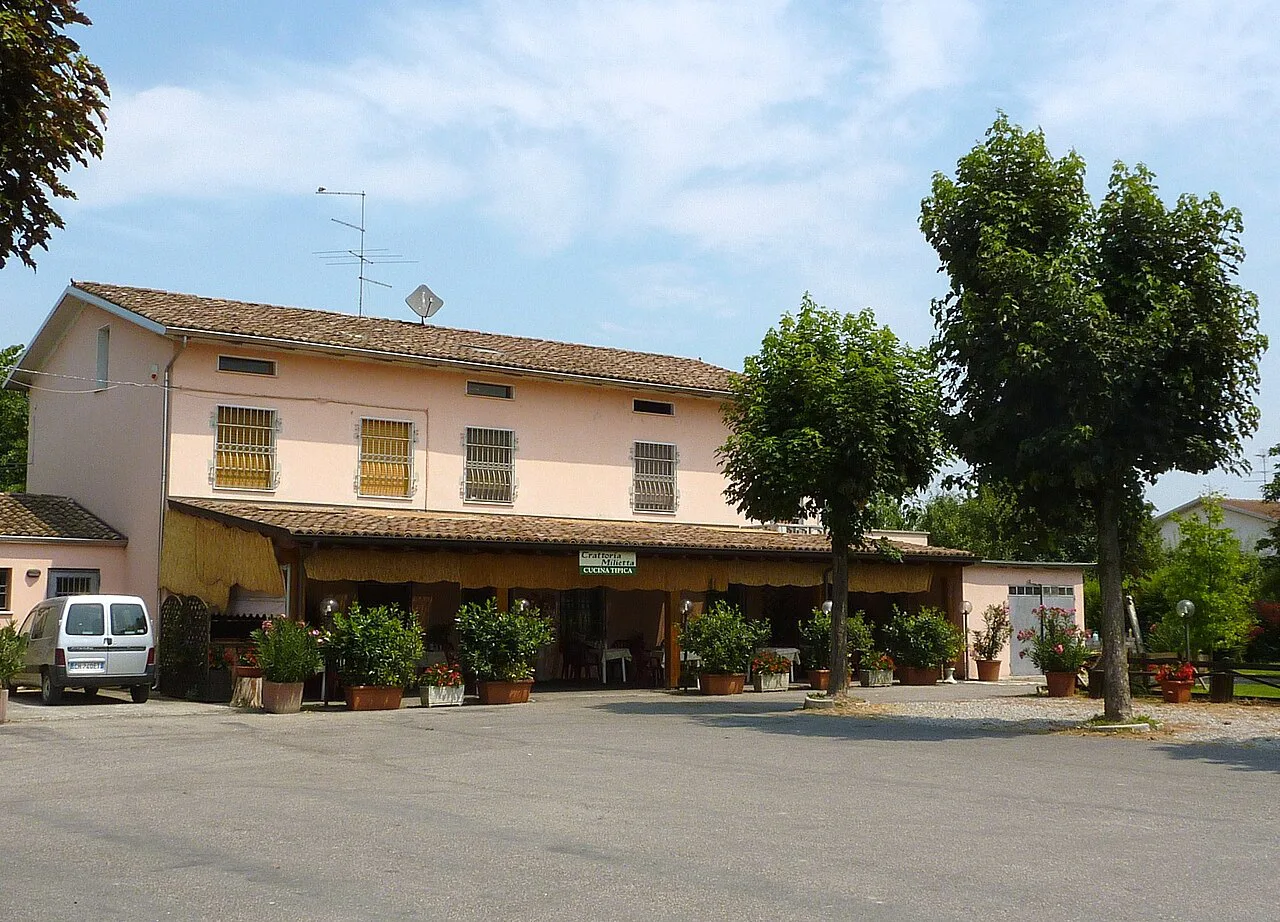
Trattoria Sorelle Picchi: fresh pasta made in house in the centre of Parma
Trattoria Sorelle Picchi is the venue in the centre of Parma with the clearest claim to making its own pasta: the kitchen prepares fresh pasta by hand according to local tradition and serves several formats from Parma's gastronomic repertoire. It also runs a salumeria and a wine cellar alongside the dining room, so the same address covers a sit-down lunch and a shop for cured meats and cheese.
Order the tortelli d'erbetta or the anolini if they are on, and follow with a plate of the house salumi if you want to taste the Parma cured meats alongside the pasta. The combination of a trattoria, a salumeria and a cellar in one building makes it a practical stop for a lunch that is also a shopping trip.
For the wider picture of where to eat in the city, including the trattorias and osterie beyond the pasta plates, the best restaurants in Parma guide covers the rest of the shortlist.
How a Parma pasta lunch works: portions, ordering and coperto
An Italian lunch runs primo, secondo, contorno and dolce, but you do not have to order all four. For a pasta lunch, order one primo and, if you are hungry, a secondo of meat or cheese; a plate of tortelli or anolini on its own is a light meal, not a full one. Bread and water are charged separately, and a cover charge (coperto) per person appears on the bill in most sit-down trattorias.
Ordering is straightforward: say the name of the dish and the word per favore, and the waiter will ask about water (naturale or frizzante) and wine. House wine by the glass or the quarter-litre is normal at lunch, and a coffee after the meal is ordered at the table and often paid at the bar on the way out. Tipping is not expected beyond rounding up, though leaving small change is common.
Portions in Parma trattorias are generous but not enormous, and a primo of anolini in brodo is filling because of the broth. If you want to try two shapes, order one primo each between two people and share, or come back another day for the second.
Pasta to skip near the cathedral and where to walk instead
The streets immediately around the cathedral and the baptistery carry the highest concentration of menu boards with photographs and translated descriptions, and the pasta there is often aimed at visitors passing through rather than at local lunch trade. That does not make every plate bad, but the trade-off is real: you pay more for a plate that is less likely to be made in house.
Walk ten minutes from the cathedral towards the Strada della Repubblica or across the river towards the Oltretorrente and the menu boards give way to trattorias with shorter, handwritten menus. A short menu with tortelli and anolini on it is a better sign than a long one with everything from carbonara to pizza. The same applies to the pasta names: a kitchen that lists only local shapes is usually the one making them.
If you want a plate of pasta without a sit-down lunch, the city's pizzerias and the rest of the casual options are covered separately.
What pasta in Parma costs and how to pay
Pasta in Parma is priced as a primo, which makes it the cheapest course on a trattoria menu, with a secondo of meat costing more. The coperto and any bread or water charges are added to the bill, so the total is always a little higher than the price printed next to the dish. Card payment is widely accepted in sit-down restaurants, but carrying some cash is useful for smaller bars and market stalls.
Parma & Pasta is a restaurant serving Parma-style fresh pasta, tortelli and Parma cured meats, but its three outlets are in Denmark — Lyngby, Høje Taastrup and Rødovre — not in Parma itself. It is useful for seeing how the dishes are described, not as a place to eat in the city.
For a full picture of the city's restaurants, including the trattorias that serve these plates, the pillar guide on the best restaurants in Parma sets out the options by neighbourhood and occasion.
Which plate to order first
Order the tortelli d'erbetta if you want the dish most associated with Parma, and the anolini in brodo if you want the one that tastes most like a Parma winter. Both are fresh egg pasta made in house at a good trattoria, and both are cheap enough to try on the same trip. Start with the herb tortelli at lunch and keep the anolini for a cooler evening.
Aim for a trattoria a short walk from the cathedral rather than one facing it, and check that the menu lists the local shapes by name. Trattoria Sorelle Picchi is the address in the centre with pasta made on the premises, and the salumeria attached makes it a sensible stop before or after the meal.
Explore more Parma food guides
Frequently Asked Questions
What is the difference between tortelli d'erbetta and anolini?
Tortelli d'erbetta are large squares or half-moons filled with ricotta and herbs and dressed with butter and Parmigiano Reggiano. Anolini are small stuffed rings with a meat and breadcrumb filling, served in a clear broth. Both are made from fresh egg pasta, but one is a dressed pasta course and the other is closer to a soup.
Is pasta in Parma always served with butter and cheese?
No. Tortelli d'erbetta are classically dressed with butter and Parmigiano Reggiano, but anolini come in broth, and other shapes such as tagliatelle al ragù or gramigna with sausage come with a sauce. The common thread is the fresh egg dough, not the dressing.
Sources
Notes for your next meal in Italy
Optional updates to our food guides.
You might also like
Continue reading
More guides you'll find useful