Best Pasta in Syracuse: Where to Eat It and What to Order
A practical guide to eating pasta in Syracuse and Ortigia, from the Sicilian shapes and sauces to know to the Noto kitchens worth booking for it.
On this page
There is no single best plate of pasta in Syracuse, but the surest way to eat well is to order the Sicilian shapes rather than the generic Italian ones. Pasta here is built around a handful of local formats and sauces, and the destination kitchens worth planning around sit in the baroque centre of Noto, a short run south of the city. This guide covers what to ask for, which kitchens reward a booking, and how lunch and dinner change the order.
The Noto addresses below are destination kitchens rather than quick pasta counters, so treat them as a half-day out from Syracuse rather than a neighbourhood fallback. For the broader picture of where to eat across the city itself, the best restaurants in Syracuse guide covers the rest of the map.
What Sicilian pasta looks like on a Syracuse plate
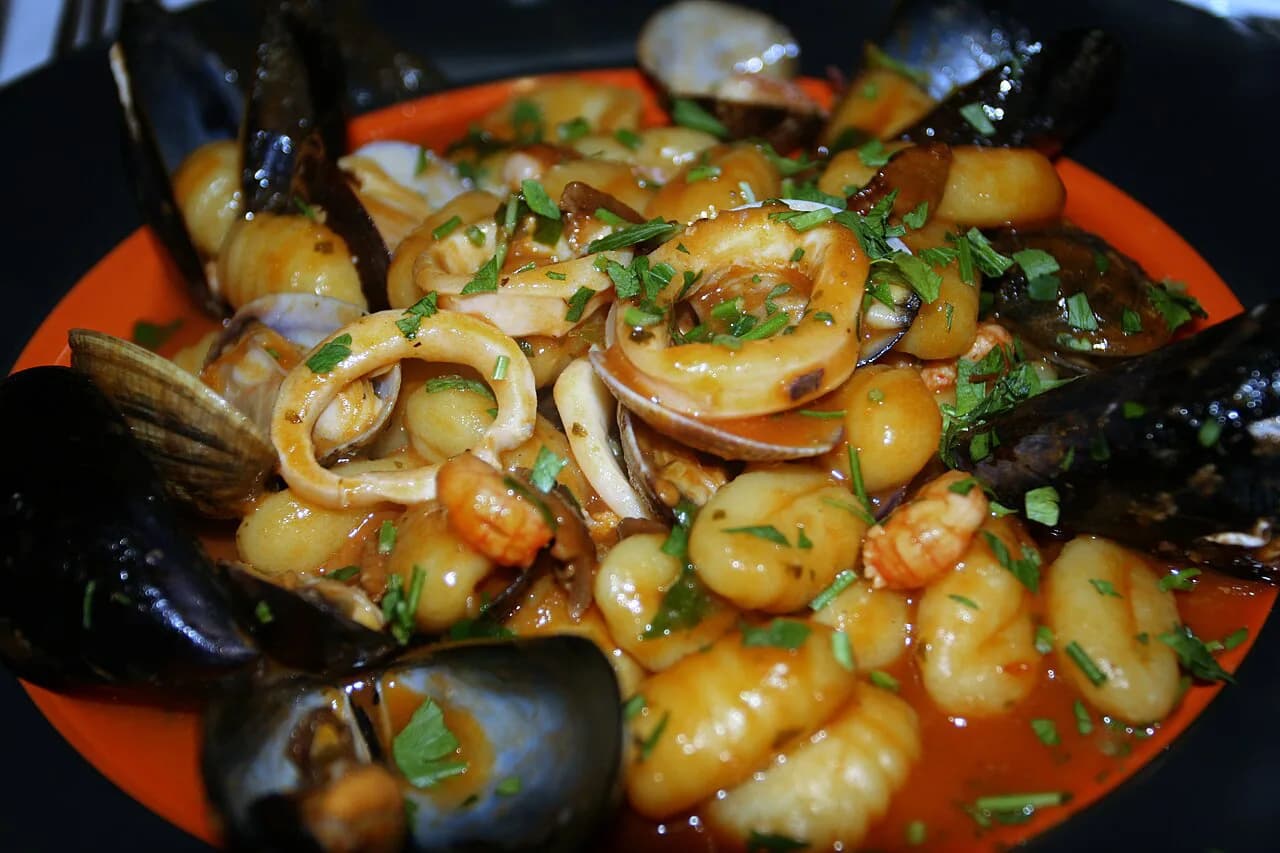
Sicilian pasta leans on a small set of shapes and a sauce logic that is not the same as the mainland. Expect durum wheat pasta, seafood from the Ionian, aubergine, ricotta, toasted breadcrumbs in place of cheese on some dishes, and a lighter hand with tomato than you might assume. The breadcrumb habit, often called muddica atturrata when the crumbs are toasted in oil, is the detail that most surprises first-time visitors.
Portions are generous and pasta is often a course in its own right rather than a small primo before a main. If you want a secondo afterwards, order a single pasta between two and add a fish or meat plate; if pasta is the point of the meal, take a full portion and skip the rest.
The pasta shapes to order in Syracuse and what they are
The shape you are most likely to meet is casarecce, short twisted strips with a groove that holds a chunky sauce. Ask for it with seafood or with a vegetable sauce and you will get the texture the shape was designed for.
Busiate is a long, corkscrew-style shape whose spiral traps oily, nutty sauces well. Then there is pasta al forno, baked pasta with a crust, which is a Sunday and celebration dish rather than a quick plate; anelletti, small rings, is the classic baked format.
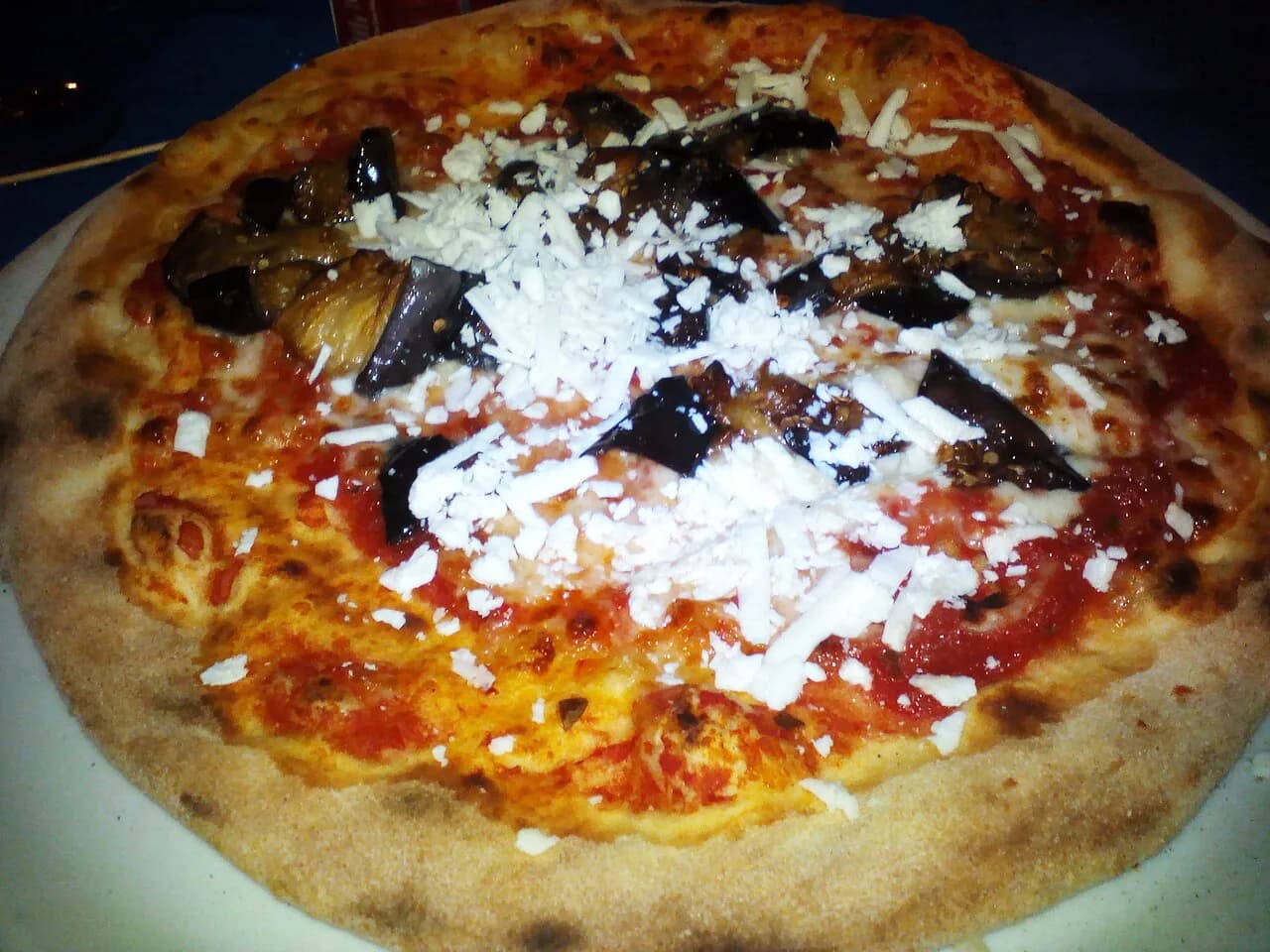
On sauce, the local repertoire includes pesto alla trapanese, a raw tomato and almond pesto, and pasta with aubergine and ricotta salata, a salted, aged ricotta grated over the top. If a menu lists sarde, it means sardines, usually with wild fennel and sometimes pine nuts and raisins. Translate any dish name you do not recognise before ordering rather than guessing, because the combinations are specific.
Crocifisso, Noto: a modern Sicilian kitchen for a special pasta course
Crocifisso sits among the alleys of Noto's historic centre, a baroque town, and it is the address to pick when you want a modern, technically precise Sicilian menu rather than a rustic plate. Chef and patron Marco Baglieri builds his cooking from local culture and aromas, and the room is intimate, with velvets, woods and coloured glass. It reads as a special-occasion booking, so plan it as the main meal of a day out in Noto.
No fixed pasta list is published for the restaurant, so ask when you book what the kitchen can do around pasta that evening. Expect a polished, contemporary register rather than trattoria informality, and dress and budget accordingly.
Orti di Villadorata, Noto: fire, charcoal and a menu built on the grill
Orti di Villadorata takes a different route, with a menu shaped around a constantly lit fire and the smell of embers running through the cooking. That makes it the pick when you want smoke and char rather than a delicate sauce, and it is a useful counterweight to Crocifisso if you are eating in Noto more than once.
If pasta is what you came for, ask how the grill logic reaches the primi before you commit to a table. A fire-led kitchen is at its best on grilled and roasted dishes, so a mixed order often makes more sense than a pasta-only one.
Caffè Sicilia, Noto: where pasta fits alongside the pastry counter
Caffè Sicilia in Noto is not really a bar and not only a pasticceria, a pastry shop; it functions as a cultural meeting place tied to fresh produce and the farmers and growers who supply it. Corrado Assenza is the name most associated with it, and a newer generation now works alongside him.
Treat it as the place to end a Noto meal or to build a lighter lunch around pastry and fruit work rather than as a pasta destination. If you are in town for lunch, the sensible split is a pasta course elsewhere and the sweet half of the day here, and the pastry shops in Syracuse round-up covers more pastry-led options closer to the city.
Eating pasta in Ortigia: what to expect in the historic centre
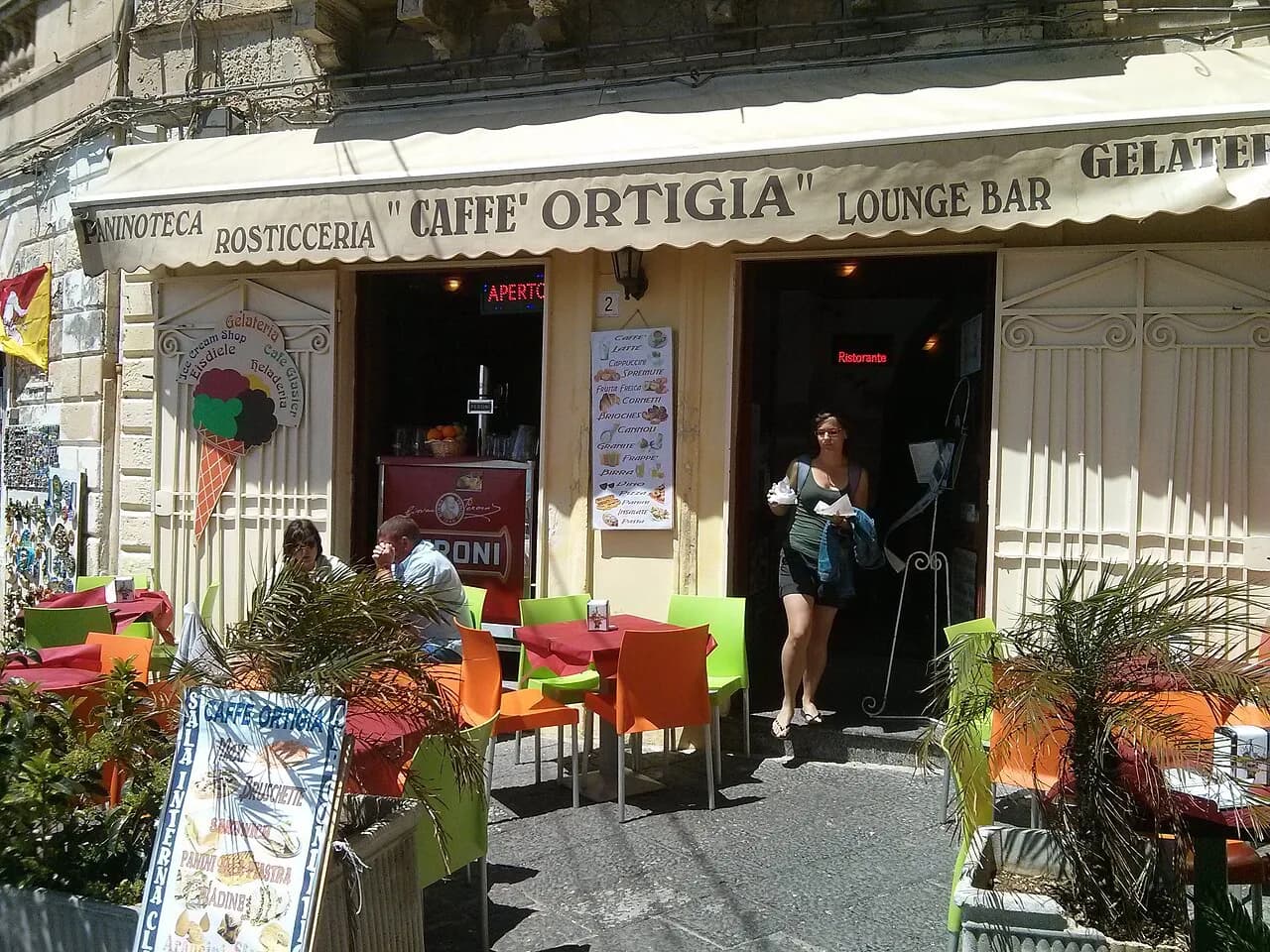
Ortigia is the island heart of Syracuse, and its density of restaurants means the gap between a good plate and a mediocre one is often a matter of a street or two. Menus in several languages and photo-heavy displays cluster on the main lanes, while the quieter side streets tend to carry shorter, more seasonal lists. Walk one block back from the obvious promenade before you choose.
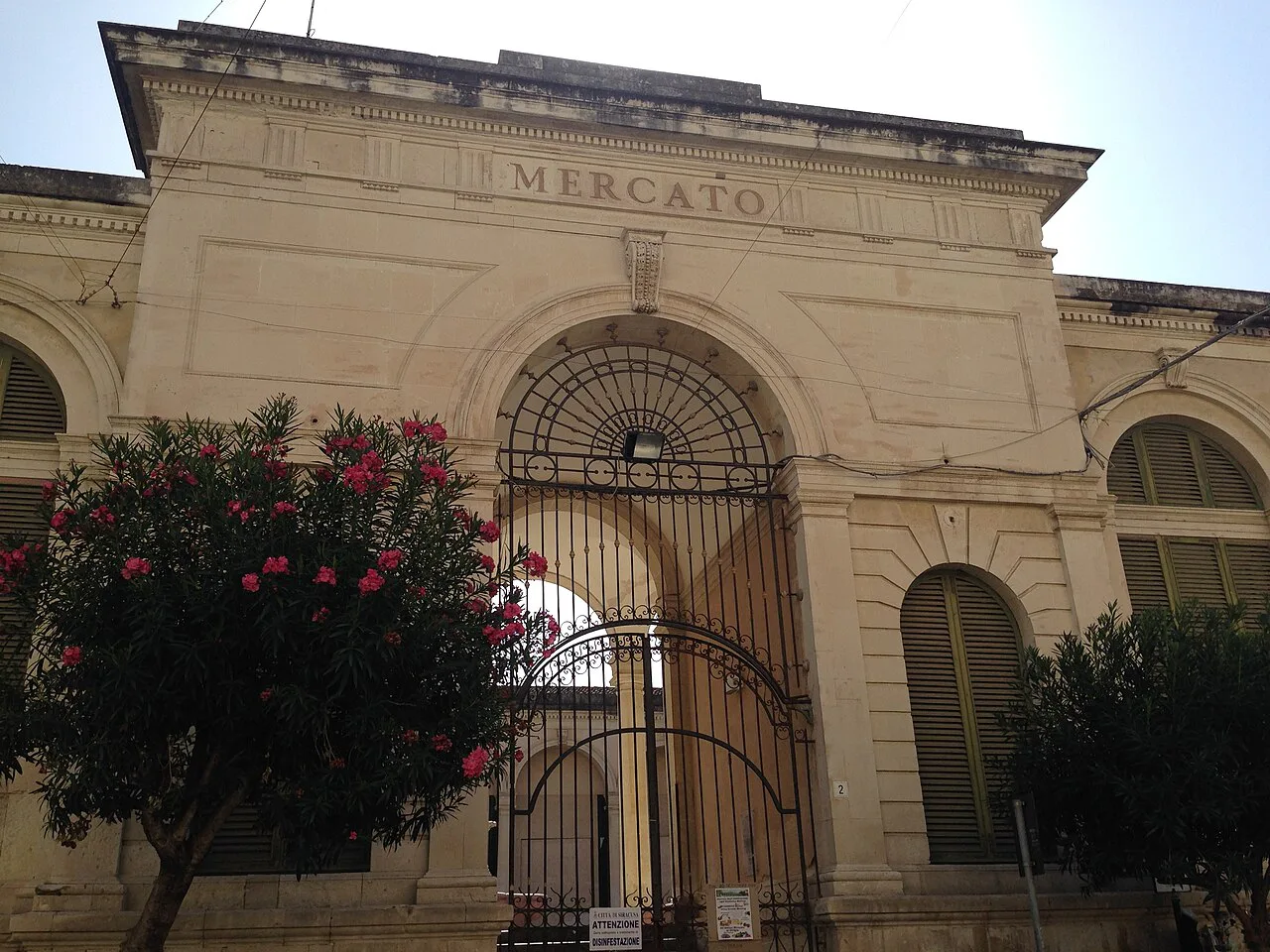
A lunch of pasta and a glass of something local, sitting outside, is the classic Ortigia way to eat. If you want the fuller picture of tables on the island, including Le Vin de L'Assassin Bistrot and Oz-eta Ortigia, the Ortigia restaurants guide maps them by street and style. For the market-side cooking that feeds much of the island's menu, start with the Mercato di Ortigia.
For a view with your pasta, the seafront along Lungomare Alfeo is where the tables face the water, and it pays to book rather than gamble on a walk-in at peak hours. The same strip is the natural place for an aperitivo before dinner, so a late-afternoon drink followed by an early pasta course works well.
Pasta at lunch versus dinner: how the day shapes the order
Lunch is when pasta is most relaxed in Syracuse: shorter menus, quicker service, and a bill that leaves room for the rest of the day. If you have been walking the island in the heat, a lunchtime pasta with seafood and a cold drink is the better use of the meal.
Dinner moves towards a fuller sit-down meal, with pasta as one course among several and a slower pace. The Noto kitchens in this guide suit dinner best, but that means committing an evening to the trip out and back rather than squeezing it between sights.
How to order and pay: coperto, cash and booking
Coperto is the per-person cover charge added to the bill for bread and service, and it is normal in Sicilian restaurants rather than a scam. Check whether it is listed on the menu and expect it to appear as a line on the bill, separate from the food. Tipping is not obligatory on top of it.
Card payment is widely accepted in the city and on the island, but keep some cash for smaller addresses and for markets. At a café counter, the Italian habit is to pay at the till first and then hand the receipt to the barista; at a table, you pay at the end. Book the Noto kitchens ahead, since a special trip without a table is a wasted afternoon.
For the wider mechanics of eating out across the city, from aperitivo to gelato, Syracuse Attractions: 5 Visitor Guides is a useful index of the food guides. It also points to the best gelato in Syracuse for the walk back to the car or the bus.
Pasta in Syracuse on a budget versus a splurge
A budget pasta meal in Syracuse is easy to find: a plate of casarecce or busiate with a simple sauce, a quarter-litre of local wine or water, and coperto, eaten at lunch. This is the version of Sicilian cooking that most visitors remember, and it does not require a booking.
The splurge is a booked dinner at a modern Sicilian kitchen, where the pasta may be one course in a longer menu and the room and service are part of the experience. Crocifisso and Orti di Villadorata are the two Noto addresses that fit that description here, and each suits a different appetite: refined and contemporary at the first, fire-led at the second.
A fair rule is to spend on one serious dinner and keep everything else casual, including pizza. If the group cannot agree on pasta, the best pizza in Syracuse guide covers the alternative, and the granita in Syracuse guide handles the morning.
Should you book in Noto or eat pasta in Ortigia?
For a single pasta-focused meal, book Crocifisso in Noto if you want a modern Sicilian menu in a special room, or stay in Ortigia if you want the meal to fit around a day of walking. Orti di Villadorata only makes sense if the group is happy to eat around a grill rather than build the meal around pasta.
Whichever you choose, order a Sicilian shape by name, ask about the sauce, and let the day decide whether pasta is lunch or dinner. The rest of the city's tables are mapped in the Best Restaurants in Syracuse, Sicily guide.
Frequently Asked Questions
What pasta is Sicily famous for?
The island is known for a handful of shapes and sauce styles rather than one dish. Casarecce, busiate and anelletti are the shapes to look for, and the sauces often involve seafood, aubergine, ricotta salata, or pesto alla trapanese, a raw tomato and almond pesto.
Where can you eat pasta in Ortigia with a view?
The seafront along Lungomare Alfeo is where tables face the water, and booking is wise at busy times. Step one block inland if you want a quieter, shorter menu.
Which Syracuse restaurants are best for lunch?
Ortigia works best for lunch, with shorter menus and quicker service than dinner, and pasta fits naturally into that meal. Noto's kitchens are better treated as a booked dinner.
Sources
Notes for your next meal in Italy
Optional updates to our food guides.
You might also like
Continue reading
More guides you'll find useful