Pastry Shops in Syracuse: What to Order and Where
A practical guide to pastry shops in Syracuse and Ortigia: the Sicilian sweets to order, from cannoli to granita, and how a pasticceria counter works.
On this page
The pastries to order first in Syracuse are cannoli, cassatine and cassatelle di ricotta, all built on Sicilian sheep's ricotta and eaten fresh rather than boxed up for later. This guide covers what a pasticceria sells, how the counter works, and how to fold a pastry stop into a day around Ortigia and the rest of the city.
One shop underpins the specific picks below: Pasticceria Artale on Via Landolina in Ortigia, which describes itself as a pastry workshop of long standing that has since added rosticceria and gastronomia counters. Everything else here is about the sweets themselves and the decisions you make at the counter.
What a Sicilian pasticceria in Syracuse sells, and how it differs from a bar or a gelateria
A pasticceria is a pastry shop, and in Sicily the good ones make their own ricotta fillings, almond paste and gelato-based cakes rather than buying them in. A bar is the place for a standing coffee and a quick sweet; a gelateria is built around scoops, with granite often sold alongside. Knowing which counter you are standing at stops you ordering a cannolo somewhere that does not fill them.
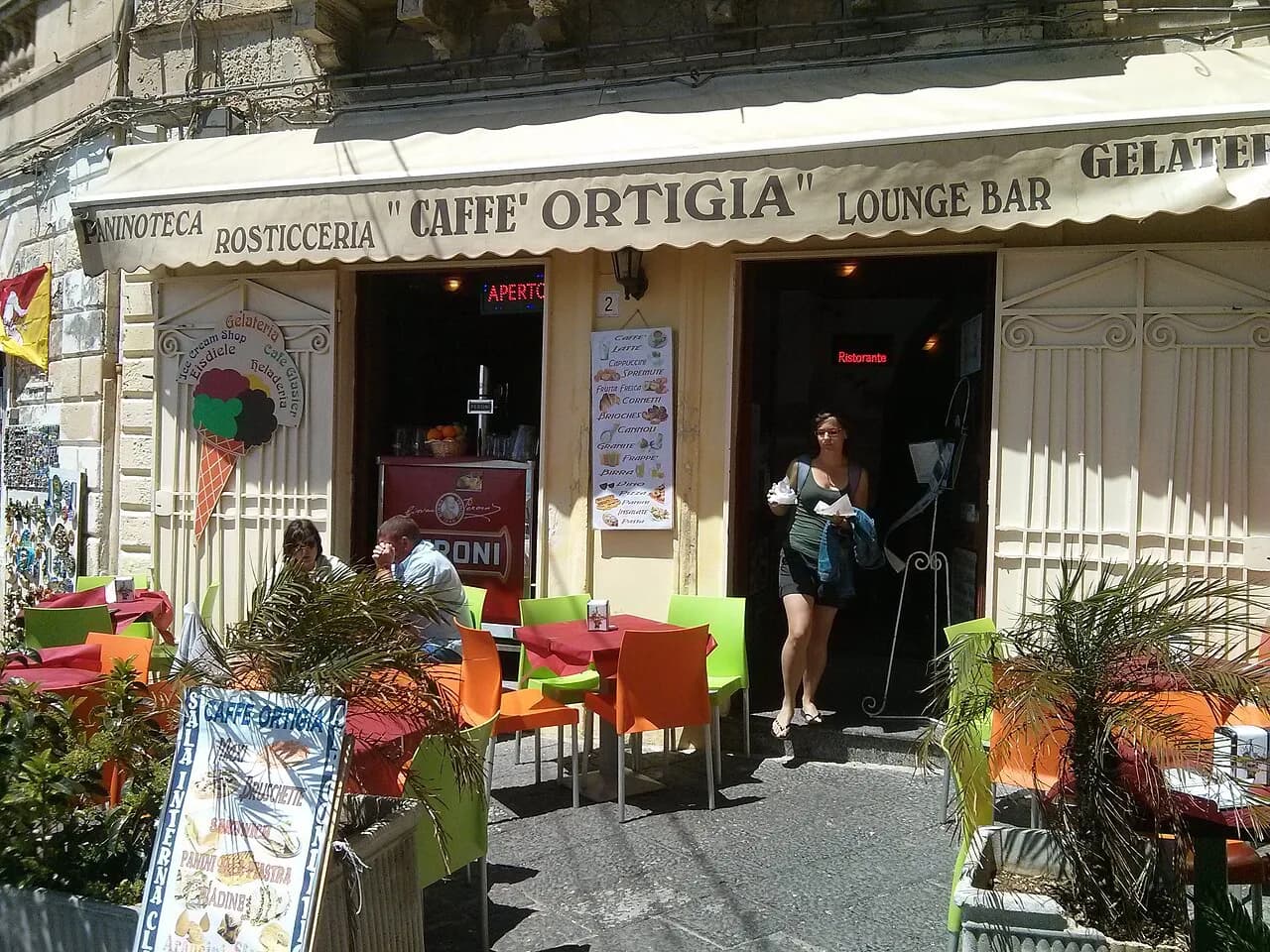
Syracuse adds a fourth counter worth recognising: the rosticceria, which sells savoury baked and fried items — arancini, rolls, small pies — next to the sweets. Shops that run a gastronomia as well sell prepared dishes by weight, which is why you sometimes queue behind someone buying lunch while you only want a pastry.
The practical difference for a visitor is timing. Pastry counters do their heaviest trade in the morning, when granite and brioche are breakfast rather than dessert, and the trays thin out as the day goes on. If a particular sweet matters to you, buy it when you see it instead of planning to return in the afternoon.
The sweets to order first: cannoli, cassatine, cassatelle di ricotta and granite
A cannolo is a fried tube of dough filled with sweetened sheep's ricotta, and in a proper shop it is filled when you order it, not hours before. That matters for texture: a pre-filled shell softens quickly, so the crackle you are paying for disappears. Ask for it filled on the spot and eat it standing at the counter or on the street.
Cassatine are small dome-shaped cakes of ricotta and sponge or pastry, often iced or decorated, and in Syracuse they are sometimes made with gelato rather than baked filling. Cassatelle di ricotta are the smaller pastries associated with Easter, though shops sell them beyond the season. Both are dense and sweet, so one each is usually enough.
Granita is semi-frozen water, sugar and fruit or coffee, served in a glass and eaten with a spoon rather than sipped through a straw. Order it with a brioche col tuppo — a soft roll with a knob on top — and you have the Sicilian breakfast. Pasticceria Artale lists artisanal granita and gelato among what it makes, alongside its cannoli and lactose-free cannolo option.
Pasticceria Artale in Ortigia: a pastry workshop turned pasticceria, rosticceria and gastronomia on Via Landolina
Pasticceria Artale sits at Via Landolina 32, a short walk from the Duomo di Siracusa in the heart of Ortigia, and describes itself as a pastry workshop that has grown into a shop selling sweets, savoury food and prepared dishes. It presents itself as a stop from breakfast through lunch, which makes it a flexible morning-to-early-afternoon visit rather than a single-purpose dessert run.
Its own listings cover cannoli, artisanal granita, gelato cakes and traditional Sicilian pastries, plus a lactose-free cannolo — useful if dairy is a problem, since most fillings here are ricotta-based. The shop also publishes contact details and an order-and-information form on its site, so a query about a specific sweet can be settled before you arrive.
Because Artale is in Ortigia, it slots naturally into a morning that starts at the Duomo and the sea walls, or into a lunch that ends with something sweet. If you are planning the rest of the day's eating around it, the surrounding neighbourhood is covered in our guide to Ortigia restaurants.
Ordering at the counter: what to say, what a cannolo is filled with, and why granita comes with a spoon
Point at what you want and say how many: uno, due, Tre. For a cannolo, ask for it filled fresh — ripieno al momento — and specify ricotta if the shop offers alternatives. For granita, name the flavour: mandorla (almond), caffè, limone or gelsomino (jasmine) are the classic Sicilian choices, and the almond version is the richest.
Granita arrives with a spoon because it is meant to be eaten as semi-frozen slush, not drunk; stirring it as it melts is normal. If you want the full Sicilian breakfast, ask for a brioche to go with it rather than ordering a second sweet. Coffee at the bar is usually drunk standing, and in many Sicilian bars you pay at the till first and hand the receipt to the barista.
Pastries are sold by the piece, and a box for taking away is fine; just expect filled cannoli to stay crisp for a short time only. For more on how Syracuse's granite compare across the city, see our guide to granita in Syracuse.
Savoury stops at a rosticceria counter and how that changes a pastry-shop visit
Where a shop also runs a rosticceria, the savoury case is worth treating as a separate decision rather than a queue to skip. Arancini — fried rice balls, in Sicily usually with ragù or butter and ham — are the most common buy, and they are heavy enough that one plus a pastry is a lunch, not a snack.
A gastronomia counter sells prepared Sicilian dishes by weight, which suits anyone assembling a picnic or an evening meal in an apartment. The trade-off is time: these counters move slowly because everything is weighed and packed to order. If you only want a cannolo, look for the pastry section and order there.
Syracuse's market is the other place to build a savoury-and-sweet day, and a morning there pairs well with a pastry stop afterwards; our Ortigia market guide sets out what is sold and when.
How to eat pastry in Syracuse across the day: breakfast, mid-morning, after lunch
Breakfast is granita and brioche, eaten standing at a bar or sitting briefly at a pasticceria, and it is the one pastry moment Sicilians take seriously before work. Mid-morning suits a single cannolo or cassatina with a coffee, when the counter is quieter than at opening.
After lunch, pastry is a smaller affair: one sweet, a coffee, and no expectation of a plated dessert. This is also the moment to try something you have not seen before, since the staff are less rushed and will explain what a sweet contains. Anything iced or gelato-filled is better eaten on the spot than carried around in the heat.
If your day is built around meals rather than snacks, the best restaurants in Syracuse covers the sit-down side of the city, including where a long lunch leaves room for a later pastry stop.
Choosing between a pasticceria in Ortigia and one on the mainland side of Syracuse
Ortigia is the island quarter, compact and walkable, so a pasticceria there fits a sightseeing morning without a bus or a long detour. Artale's position near the Duomo is the practical argument for starting there rather than crossing back to the mainland for a single purchase.
The mainland side of Syracuse is where more of the city's everyday life happens, and shops there serve a residential trade rather than a passing one. If you are staying on that side, a local pasticceria is the simpler choice for breakfast, and Ortigia becomes the mid-morning stop. The decision is mostly about where you sleep and how far you want to walk for a cannolo.
Whichever side you choose, buy what is made that day, ask for filled-to-order cannoli, and treat granita as a breakfast food rather than an afternoon one. Those three habits will do more for the quality of what you eat than any list of addresses.
Ortigia or the mainland for your pastry stop?
If you are sightseeing in Ortigia, start at Pasticceria Artale on Via Landolina: it covers cannoli, granita and savoury rosticceria in one stop near the Duomo, which saves a crossing of the city for a single sweet. If you are staying on the mainland side, use a neighbourhood pasticceria for breakfast and keep Ortigia for a mid-morning visit.
Explore more Syracuse food guides
Frequently Asked Questions
What are the typical sweets of Syracuse?
The sweets most associated with the city are cannoli filled with sheep's ricotta, cassatine and cassatelle di ricotta, along with granita eaten with brioche at breakfast. Shops also sell gelato-based cakes and almond pastries. What each shop makes varies, so ask at the counter what is made in house that day.
Should a cannolo be filled in advance?
No. A cannolo is at its best when the crisp shell is filled with ricotta as you order it, because a pre-filled shell softens within hours. Ask for it filled on the spot and eat it soon after buying rather than carrying it around all afternoon.
Is granita a drink or a dessert in Sicily?
It is eaten with a spoon, as a semi-frozen slush of fruit, almond or coffee, and it is standard Sicilian breakfast fare alongside a brioche. Ordering it in the morning is normal; treating it as an after-dinner drink is not how it is served.
Can I buy lactose-free pastries in Syracuse?
Some shops cater for it: Pasticceria Artale lists a lactose-free cannolo among its products, which helps because most Sicilian pastry fillings are ricotta-based. Ask specifically about the filling rather than the shell, since dairy usually sits in the ricotta.
Sources
Notes for your next meal in Italy
Optional updates to our food guides.
You might also like
Continue reading
More guides you'll find useful