Best Pizza in Sorrento: Where to Eat, What to Order
A practical guide to pizza in Sorrento: Tirabusciò, Café Latino, Da Gigino and Ristorante Tasso, the Neapolitan style, toppings to order and how paying works.
On this page
The best pizza in Sorrento is Neapolitan pizza, and the four names to know are Tirabusciò, Café Latino, Da Gigino and Ristorante Tasso. The kitchens here work in the Naples mould, so you are judging a soft, blistered crust rather than a crisp Roman base. This guide takes them one at a time, explains the Margherita benchmark, translates the toppings you will meet and sets out how a pizza dinner here works from coperto to the bill.
Sorrento sits on the Sorrentine Peninsula, the land that runs out towards Capri, and its kitchens look to Naples for pizza while leaning on local lemons, provola and tomatoes for everything else. That means a short menu in most pizzerias, a fast turnover at peak dinner time and a strong case for ordering the plainest pie first to see what the dough can do.
Why Sorrento pizza leans Neapolitan, and what that means for the crust
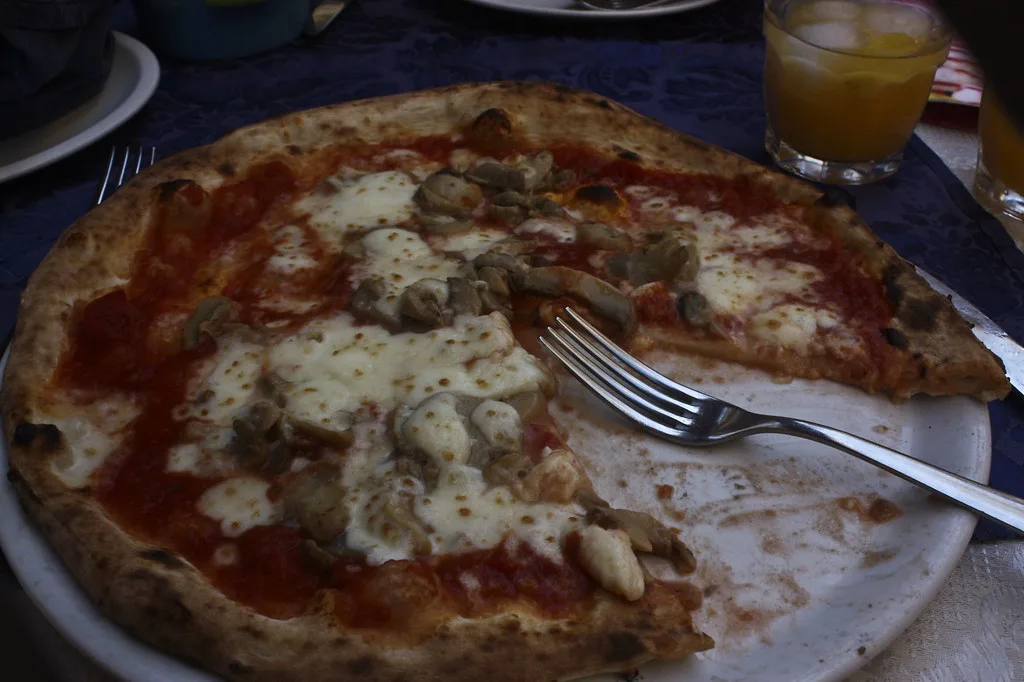
The pizzerias here follow the Neapolitan model: dough proved slowly, stretched by hand, then baked fast in a wood-fired oven at high heat. The result is a puffy rim with dark blisters, a thin centre that will not hold a heavy load of toppings and a texture that is soft rather than brittle. Order a pizza with three ingredients rather than six and you get the crust at its best.
Pizza Napoletana carries a protected label, STG, which stands for Specialità Tradizionale Garantita, a traditional speciality guaranteed under EU rules. The status describes the method and the style, not a particular restaurant, so a Sorrento pizzeria can bake excellent Neapolitan-style pizza without holding the certification.
Tirabusciò: a five-minute walk from the centre, with a garden for summer
Tirabusciò sits about five minutes from the centre of Sorrento, and its name is Neapolitan dialect for a corkscrew. The dining room takes around 140 inside, and in summer a pergola-shaded garden seats another 120, which makes it the obvious choice for a group that wants a proper table outdoors. The cooking is Neapolitan in inspiration, with a menu that runs from the plain Margherita to heavier combinations such as sausage and chips, buffalo mozzarella with Vesuvius tomatoes, and bacon with onion.
That range is the point: the dough is described as light and savoury, so the simple pies are the ones to test first, and the garden setting suits a warm evening when you would rather not sit in a narrow alley. With 120 outdoor covers, the garden is the reason to choose it for a group in high summer.
Café Latino: a lemon-tree garden and creative toppings
Café Latino is a large salon in the heart of Sorrento, airy and open, with a garden of lemon trees where you sit among the greenery on sofas. It works from aperitivo through dinner, so you can arrive for a drink and stay for pizza without moving. The kitchen is described as creative while keeping faith with Mediterranean flavours, and alongside the classic pies there are house combinations such as the Pizza Café Latino, topped with aubergine parmigiana and provola.
Provola is a stretched-curd cheese from southern Italy, close to mozzarella but firmer and slightly smoky when aged, and aubergine parmigiana here means the baked aubergine dish with tomato and cheese rather than a vegetable slice. If you want a drink before dinner, an aperitivo in the lemon garden is reason enough to come early; if you want the lighter local aperitivo culture explained, the guide to cafes in Sorrento covers the routine.
Da Gigino: wood-fired pizza in the alleys of the centre
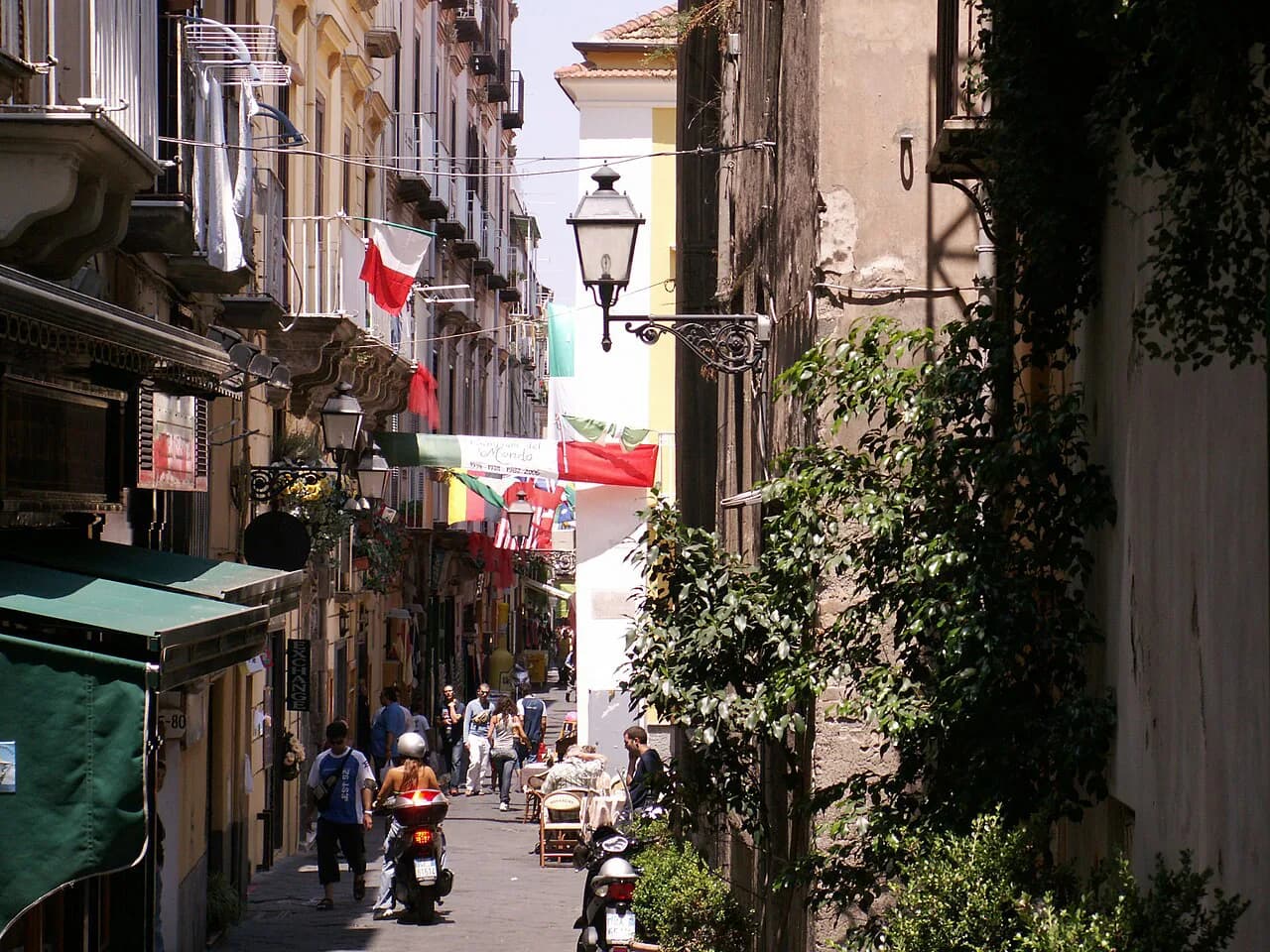
Da Gigino sits in the narrow streets at the centre of Sorrento, a small restaurant where the staff are welcoming, the prices sit in the middle range and the pizza is excellent. It is the kind of place where the dough proves the point: the base is the star rather than the toppings. The oven is wood-fired, and the kitchen also turns out Campanian and Sorrentine specialities alongside the pizzas.
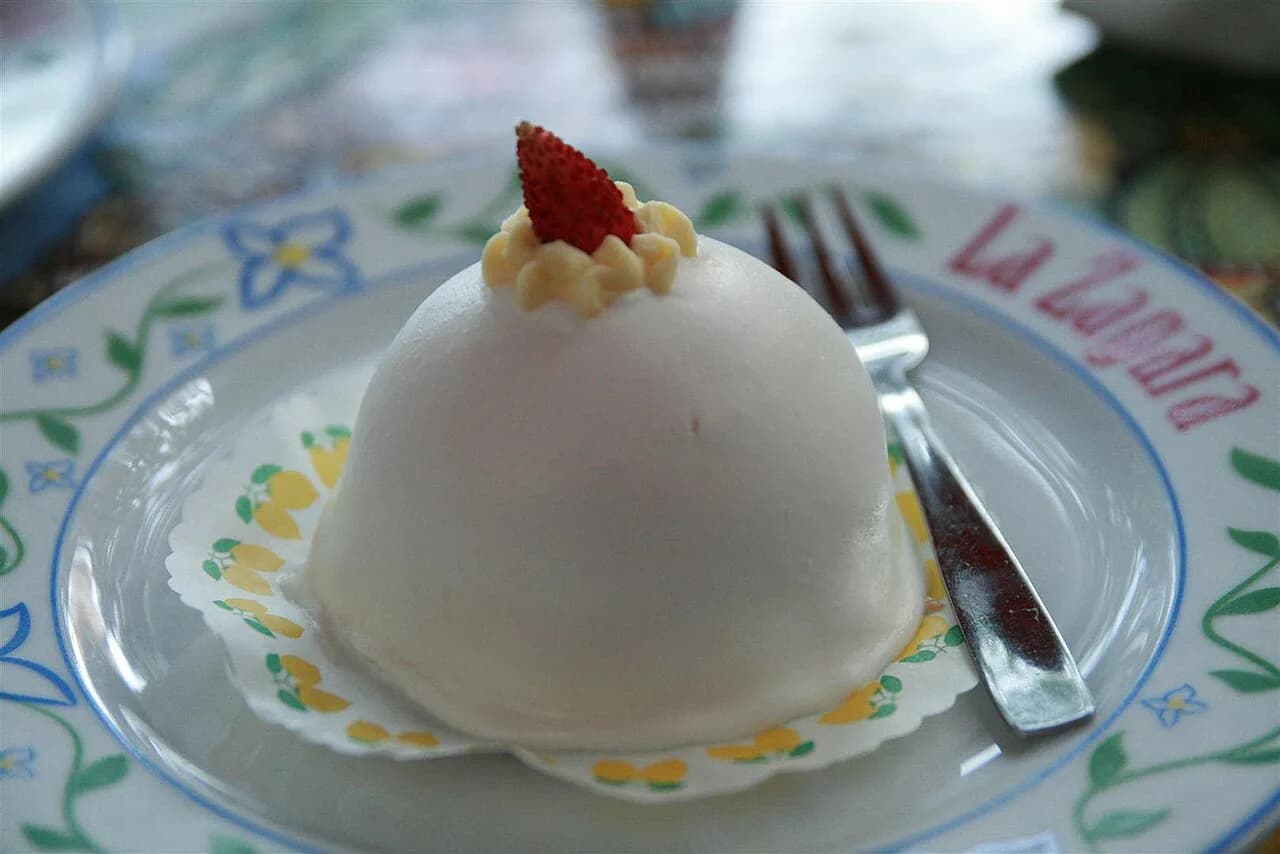
Choose it for a casual evening when you want to eat in the thick of the old town and then walk on for a dessert; a delizia al limone, the sponge and lemon-cream cake of the peninsula, is the natural follow-on. For a broader sweep of the town's tables, from trattorias to the seafood dining rooms, the guide to the Best Restaurants in Sorrento sets the pizza addresses in context.
Ristorante Tasso: pizza a few steps from Piazza Tasso
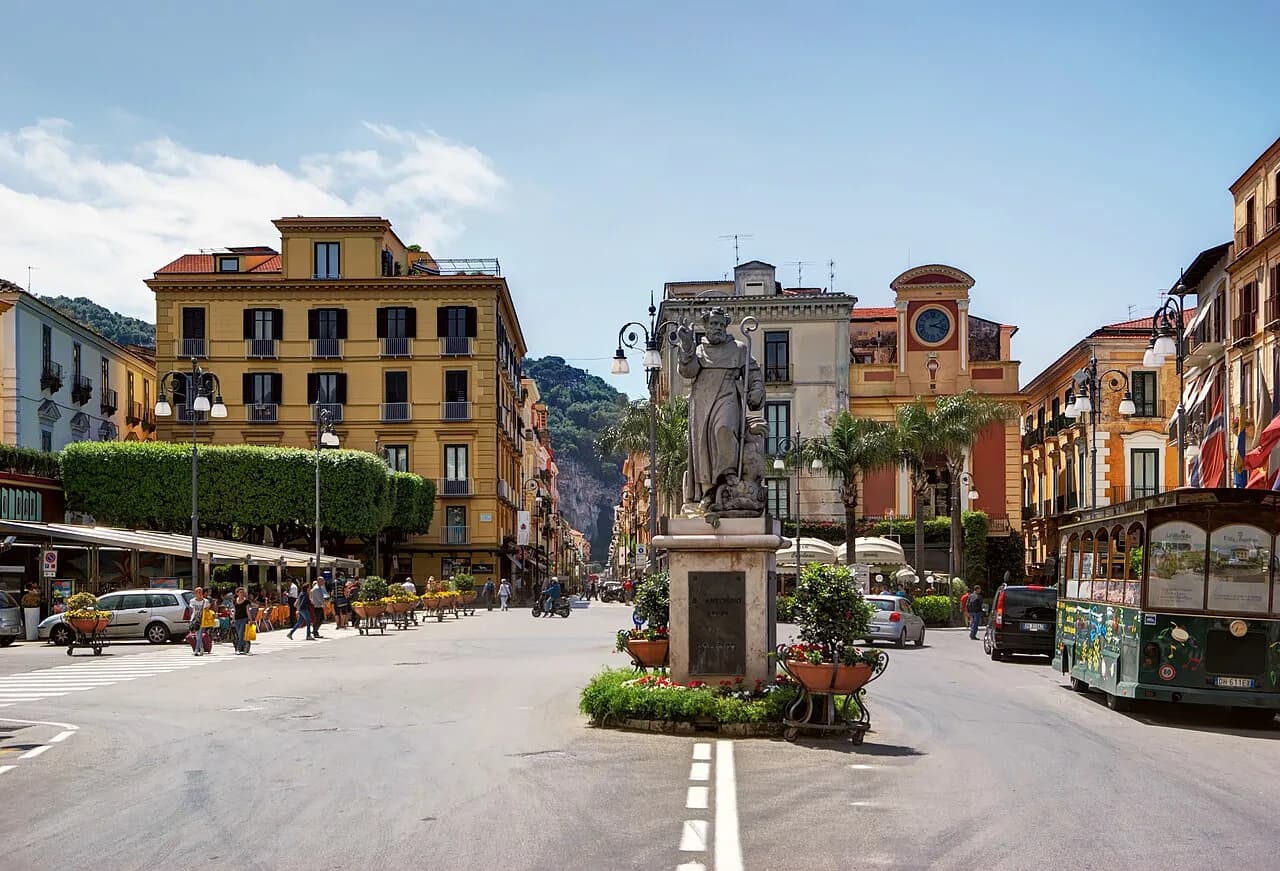
Ristorante Tasso stands a few steps from Piazza Tasso, the main square and the busy heart of Sorrento. The pizza list is short, and everything comes out of a wood-fired oven. The room is carefully furnished with plenty of Neapolitan art on the walls, and the service is quick and precise, so it suits an early-evening meal when you want a proper sit-down without a long wait.
Its position makes it the easiest of the four to fold into a day in town: lunch near the square, then a walk down to the harbour or an afternoon on the water.
The pizza to order first: Margherita, and how the STG label works
Order the Margherita before anything else. Tomato, mozzarella and basil tell you whether the dough, the oven and the tomato are right, and every pizzeria named here makes one. If it is good, move on to the house specialities; if it is not, no amount of extra toppings will rescue the evening.
The story that the Margherita was created in 1889 for Queen Margherita of Savoy, with tomato, mozzarella and basil standing in for the Italian flag, is a claim rather than settled history, and it is told that way in local accounts. Treat it as a good story over dinner rather than a fact to repeat with confidence. What is official is the STG label for Pizza Napoletana as a style, which protects the method rather than any single restaurant.
Toppings worth trying in Sorrento: buffalo mozzarella, provola and aubergine parmigiana
Beyond the Margherita, look for mozzarella di bufala, the buffalo-milk mozzarella from Campania, which appears here with Vesuvius tomatoes. Provola brings a firmer, slightly smoky note and turns up with aubergine parmigiana at Café Latino. Sausage and chips, and bacon with onion, are the heavier Neapolitan combinations for anyone who wants a full meal on a base.
Provola and buffalo mozzarella both carry more moisture than a standard mozzarella, so they are best on a pie with few other ingredients; ask for them instead of the everyday mozzarella to taste the difference.
Pizza by the slice and takeaway: what to expect
The four pizzerias here are sit-down restaurants, and the pizza arrives whole at the table rather than by the slice from a counter. If you want takeaway to eat on a bench or back at your room, the wider restaurant guide covers other options. Takeaway pies travel badly because the centre steams in the box, so eat within a few minutes of collecting.
If you are cooking rather than eating out and want to learn the local dough and sauces hands-on, cooking classes in Sorrento run in the town and around the peninsula, and they usually cover pasta as well as pizza. That is the way to understand why the crust behaves as it does.
Coperto, tipping and paying at the table
Expect a coperto on the bill: a small per-person cover charge that is standard in sit-down restaurants across Italy and covers bread and service, not a tip. It is legal and normal, so do not read it as a tourist surcharge. Tipping is optional; rounding up or leaving a few euros is enough for good service.
When you want the bill, ask for il conto rather than waiting for it to arrive; in a busy pizzeria near Piazza Tasso the table turns fast and nobody will rush you out, but nobody will bring the bill unbidden either. Pay by card or cash at the table or at the till, depending on the house. For a coffee after dinner, the Italian routine is to pay at the till first and hand the receipt to the barista.
Booking and timing: when Sorrento pizzerias fill up
Sorrento pizzerias fill at peak dinner time in summer, with a second wave later in the evening. The garden tables at Tirabusciò and the courtyard at Café Latino are the ones to secure if the outdoor setting is the reason you chose the place. A short pizza list, as at Ristorante Tasso, usually means faster service, which helps if you are eating before an evening out.
Ask your host whether they take reservations, since policies vary by season and by venue. A late lunch is the quietest way to eat pizza in Sorrento: the ovens are still on and the room is half empty.
Which Sorrento pizzeria fits your evening?
Pick Tirabusciò for a garden table with a group, Café Latino for a lemon-tree courtyard and a creative pie, Da Gigino for a wood-fired pizza in the old-town alleys and Ristorante Tasso for a quick, well-run meal beside Piazza Tasso. Order the Margherita first wherever you land, then try buffalo mozzarella, provola or the aubergine parmigiana topping once you trust the dough.
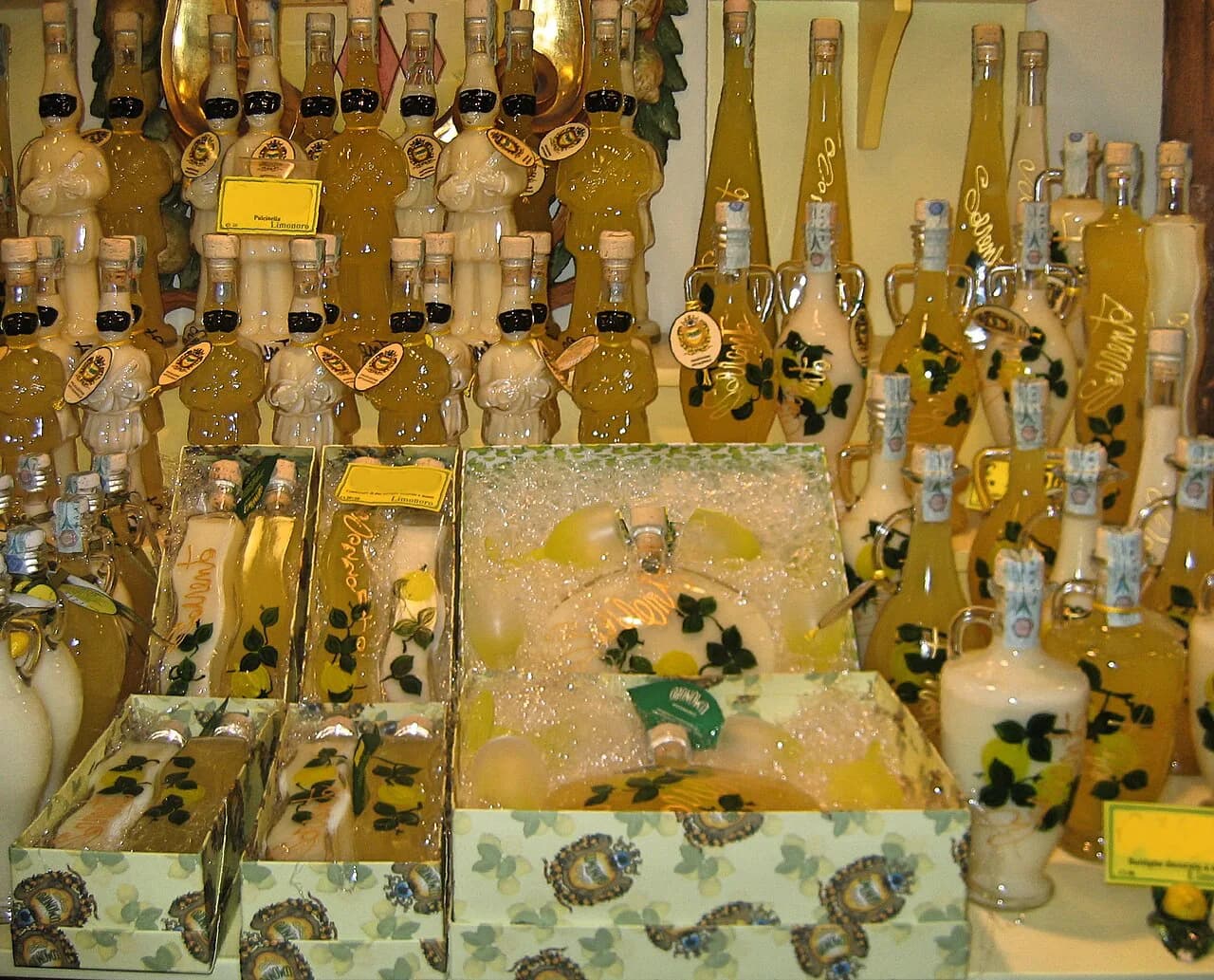
Book the outdoor tables in high season if you can, and remember the coperto when you settle the bill. If you have room for dessert, a delizia al limone keeps the evening on the peninsula's own terms, and a small limoncello afterwards is the traditional finish.
Explore more Sorrento food guides
Frequently Asked Questions
Do Sorrento pizzerias serve Roman-style or Neapolitan pizza?
The pizzerias named here bake Neapolitan-style pizza in wood-fired ovens, with a soft, blistered rim and a thin centre. If you want a crisper Roman base, ask before you sit down, as it is a different dough and a different oven.
Should I book a table for pizza in Sorrento?
Book for the outdoor tables at Tirabusciò and Café Latino in summer, and for any group of more than four at peak dinner time. Ask your host whether the house takes reservations, as policies vary; smaller parties walking in early in the evening usually find space, and a late lunch is the quietest option.
Sources
Notes for your next meal in Italy
Optional updates to our food guides.
You might also like

Continue reading
More guides you'll find useful