Gnocchi alla Sorrentina: What It Is and How It's Made
Gnocchi alla sorrentina is potato gnocchi baked with tomato, basil and fiordilatte. Here's what's in it, why it carries Sorrento's name and how it's made.
On this page
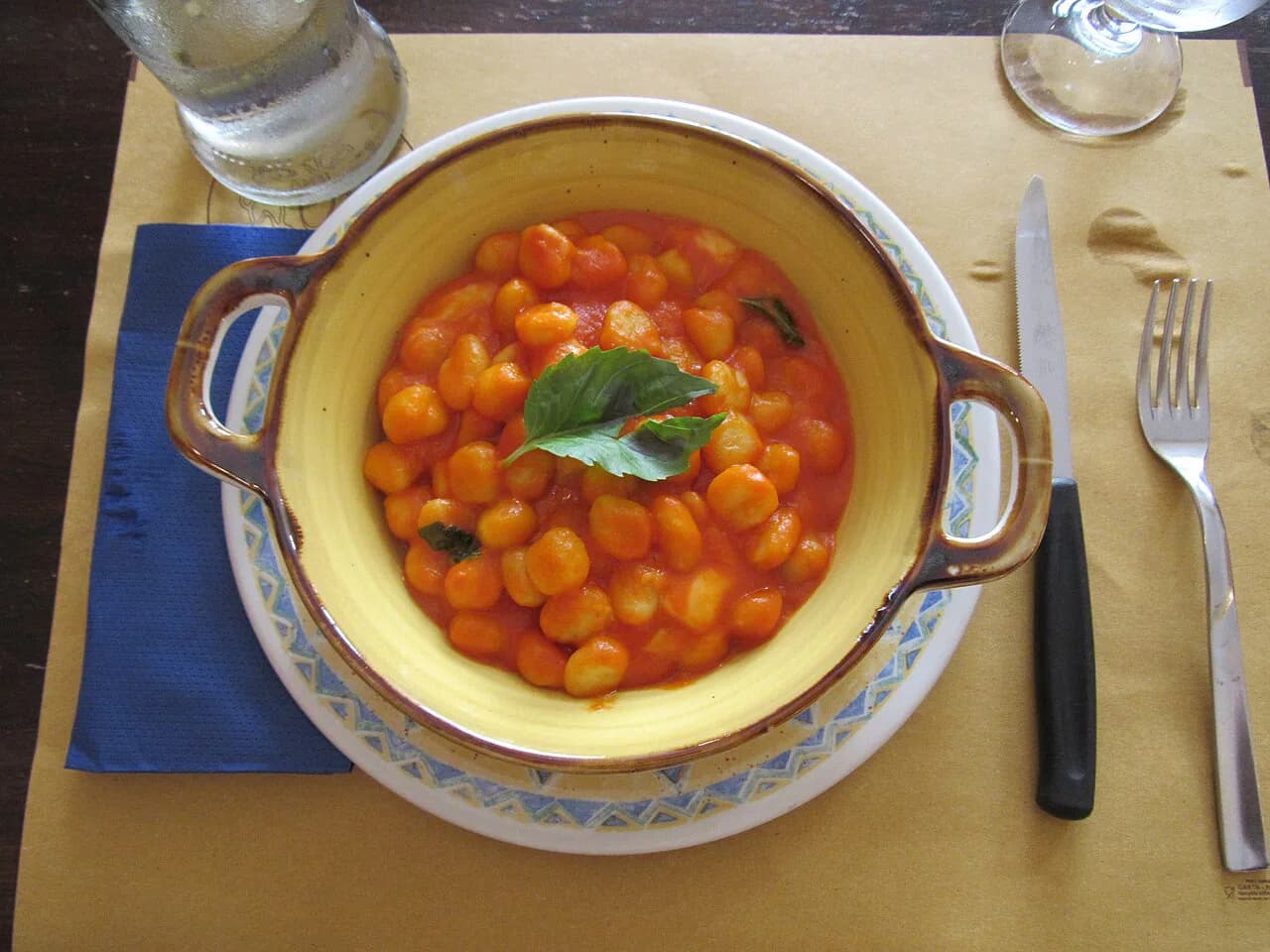
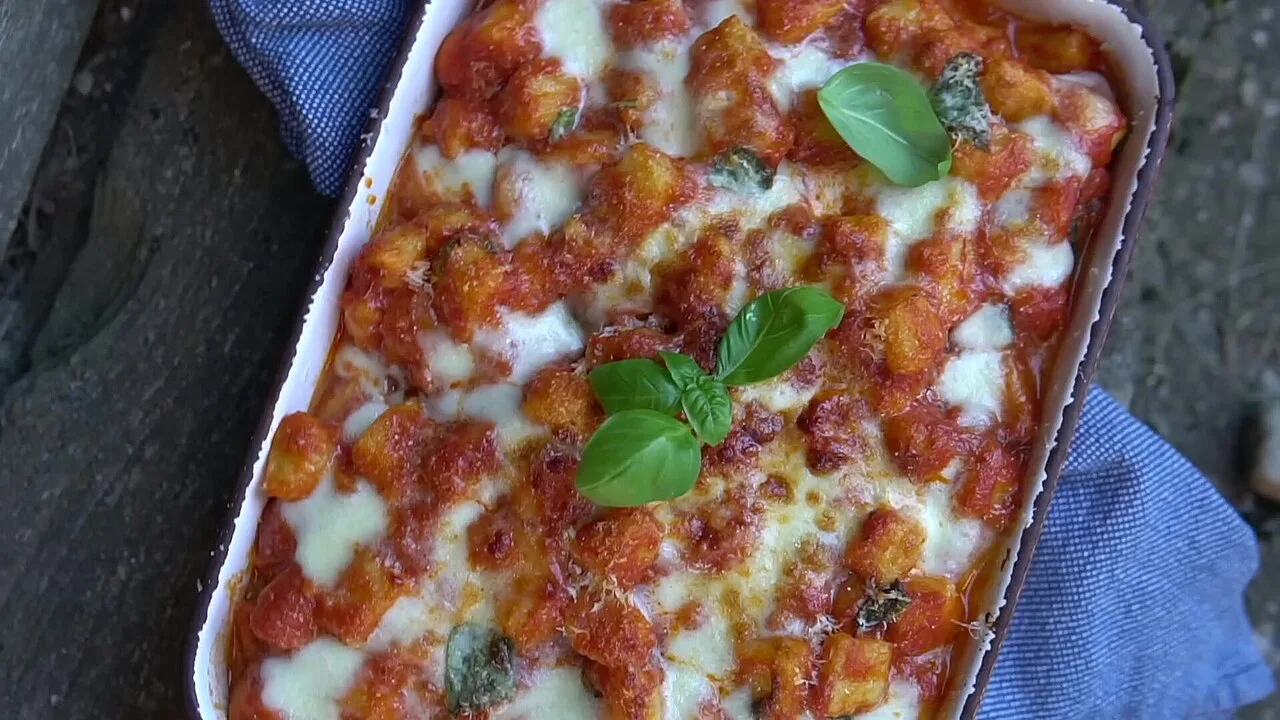
Gnocchi alla sorrentina is potato gnocchi tossed in a short-cooked tomato and basil sauce, layered with fiordilatte and Parmigiano and baked until the cheese melts and the top catches. It is a Campanian home dish rather than a restaurant contrivance, and the version most cooks aim for is soft and stringy rather than dry. This guide covers the sauce, the cheese choice, the legend behind the name and how the tray goes together.
The dish belongs to the Sorrentine Peninsula, the finger of coast south of Naples where Sorrento sits above the water and the hills behind it grow lemons and potatoes. It appears on family tables and in trattorie across the area, and it is easy to order once you know what you are looking at on the menu.
What gnocchi alla sorrentina is
The dish is built from four things: potato gnocchi, a tomato sauce scented with basil, fiordilatte mozzarella and grated Parmigiano. The gnocchi are boiled first, then combined with the sauce and the cheeses and finished in the oven, so the cheese melts through and the surface browns at the edges.
It is a primo, the first course of an Italian lunch or dinner, and portions are filling because the gnocchi are dense and the dressing is generous. Order it as your pasta course and keep the second course light.
What sorrentina sauce is made of
The sauce is deliberately plain: olive oil, garlic, tomatoes, basil and salt, cooked just long enough to thicken. Peppe Guida, the chef behind Antica Osteria Nonna Rosa in Vico Equense, makes his with San Marzano tomatoes in juice, crushes them by hand rather than passing them through a food mill, and simmers them only about ten minutes after they come to the boil so the tomato keeps its sweetness.
That short cooking is the difference between this dish and a ragù-style sauce left on the stove for hours. Sonia Peronaci cooks her passata with garlic for fifteen to twenty minutes until it just coats a spoon, keeping it loose because the oven will dry it further.
Taste the sauce before it goes near the gnocchi. It should be slightly under-seasoned and a touch more liquid than you think, since the cheese adds salt and the oven removes moisture.
Why the dish is named after Sorrento
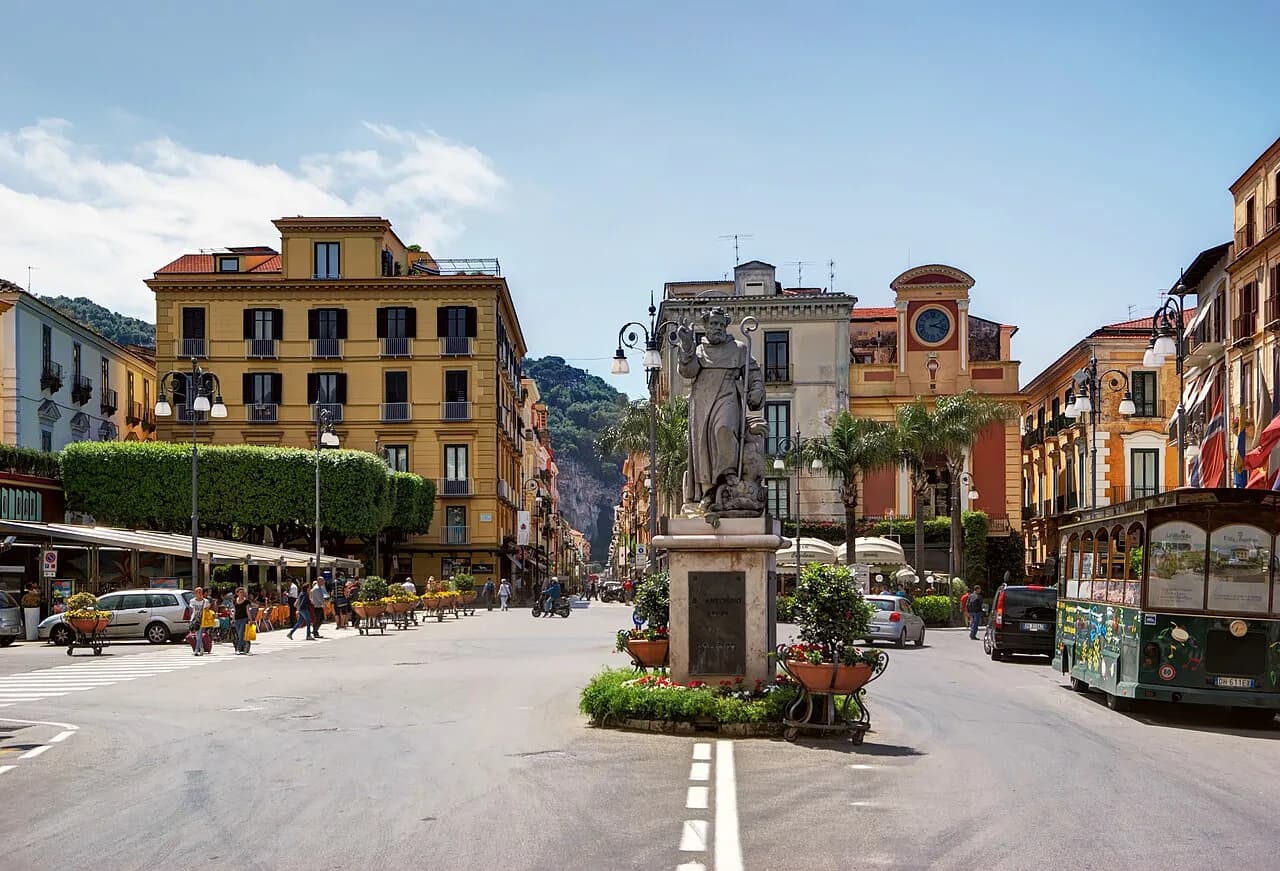
The name points to Sorrento, and the story told locally is that the dish was invented in a tavern on piazza Tasso, the town's main square, by a cook taken with the newly arrived American potato. He is said to have worked it into a dough with flour and water, then dressed it with local ingredients including fiordilatte, the area's prized cow's-milk cheese. Treat that as legend rather than documented history.
What is solid is the geography: the potatoes grown in the hills around Vico Equense and the Sorrentine Peninsula are a dry-fleshed type well suited to gnocchi, and Guida uses potatoes from Santa Maria del Castello when he is not digging his own at Villa Rosa.
Fiordilatte or buffalo mozzarella?
Use fiordilatte or the drier local cheese called moscione, not buffalo mozzarella. Guida is blunt about it: buffalo mozzarella releases water in the heat of the oven and turns rubbery, while fiordilatte and moscione melt and stretch without flooding the dish. This is the single mistake that most often ruins a home version.
Whichever you use, cube it and let it drain in a colander in the fridge for at least an hour before assembly, which is the step that keeps the tray from turning soupy. If you are short of time, a scamorza or provola will hold up in the oven because it is drier to begin with.
Parmigiano goes in as a grated layer between and over the gnocchi, adding salt and a nutty edge to the mild fiordilatte. Some cooks mix in a little pecorino for a sharper result, which is a matter of taste rather than doctrine.
How the gnocchi are made and cooked
Start with dry-fleshed potatoes boiled whole in their skins, then peel them while still warm and pass them through a ricer onto the flour. Work the dough briefly with one egg and a little salt and stop as soon as it holds together, because overworking makes the gnocchi tough. Roll the dough into ropes about two centimetres thick and cut them into short pieces.
Roll each piece over the tines of a fork with your thumb so it comes out ridged and slightly hollow. The grooves hold the sauce and give the bite a lighter feel, which is why Guida insists on the step rather than leaving smooth pills.
Boil them in salted water a batch at a time, lift them out as soon as they float and drop them straight into the tomato sauce; Guida cooks them in water rather than raw in the tray so the flour cooks through. If you are preparing them ahead to dress later, cool them in cold water, dry them well and coat with a little oil.
How the dish is assembled and baked
Spread half the dressed gnocchi in a baking dish, scatter over half the fiordilatte and Parmigiano, then repeat with the rest. Peronaci uses a dish around 20 by 25 centimetres for four people and bakes at 220°C static for ten to twelve minutes, until the cheese has melted and the edges are sizzling; she finishes with a couple of minutes under the grill if she wants a firmer crust.
Then wait. Guida likes the dish warm rather than scalding, eating it at least ten minutes after it leaves the oven, and that rest lets the cheese and sauce settle so the portion holds together on the plate instead of collapsing into a gluey heap.
Terracotta dishes and portion size
Traditionally the dish came to the table in individual terracotta tegami, one per person, and both cooks recommend them. The clay keeps the contents hot to the last forkful and the cheese keeps sizzling as it reaches the table, so use small ovenproof dishes instead of one large tray.
Portion with restraint: Guida suggests about 150 grams of gnocchi per person, since the dish is rich once dressed. If you would rather learn the shaping by hand, there are cooking classes in Sorrento that cover fresh pasta and gnocchi.
Potato dumpling, not pasta, and vegetarian by default
Gnocchi are dumplings, not pasta: the dough is potato and flour bound with egg, not a durum-wheat and water paste, and it is shaped by hand rather than rolled and cut. Dried gnocchi sold in packets are a shelf-stable shortcut, but the texture of the fresh potato version is why the dish is worth making properly.
The classic version is vegetarian, since it contains no meat or fish, though it does contain egg, wheat and milk, so it is not suitable for vegans or anyone avoiding dairy. Some kitchens tweak the classic plate, but the dish as described here stays meat-free.
Eating it in and around Sorrento
On a menu in town, look for gnocchi alla sorrentina among the primi and expect a baked dish rather than a plain plate of gnocchi with tomato. It is home cooking rather than fine dining, and the best versions tend to appear where the kitchen is cooking Campanian food for local appetites as well as visitors.
If you are planning meals around it, our pick of the best restaurants in Sorrento is the place to start for kitchens that treat the local repertoire seriously.
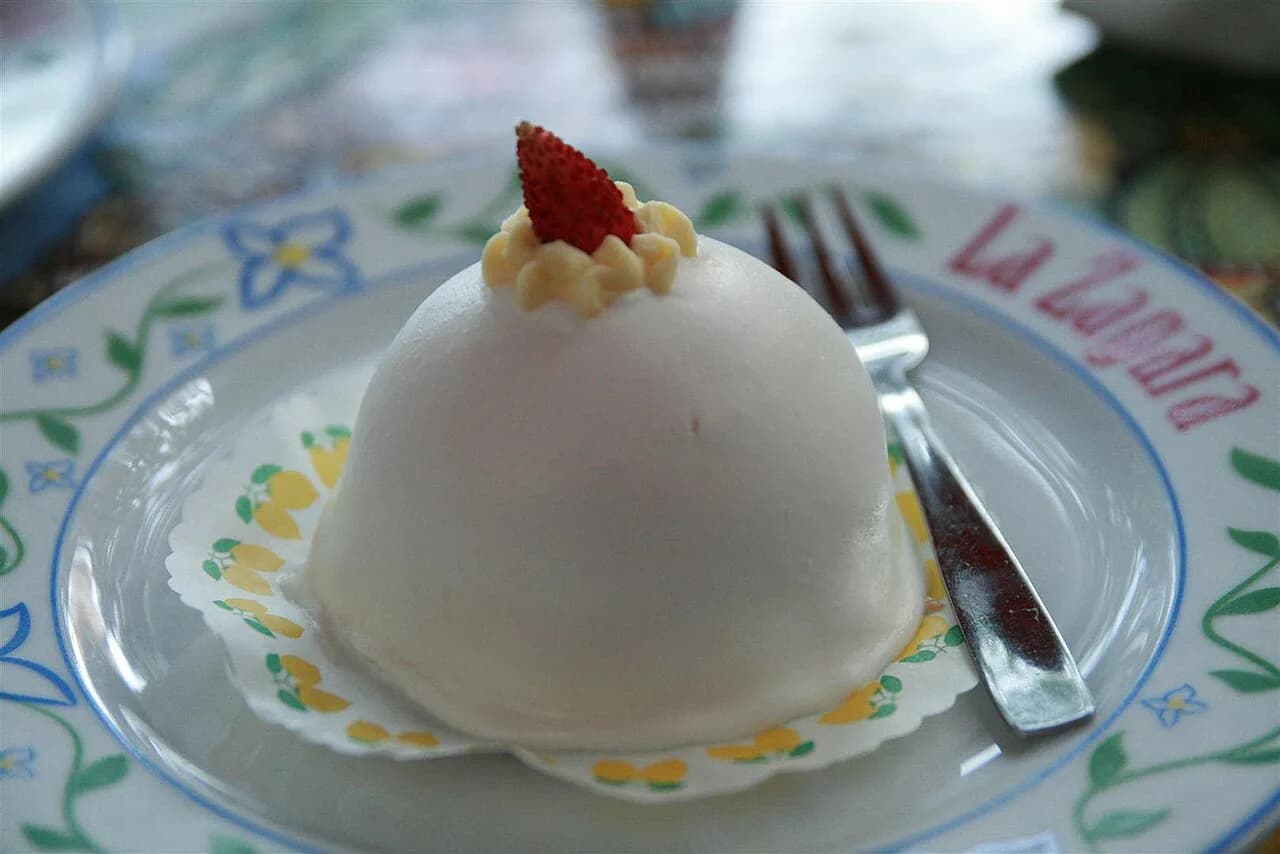
Finish the meal the local way with a Delizia al Limone, the lemon cream dome that is the peninsula's signature pudding. A short list of Michelin restaurants in Sorrento and the Sorrento Peninsula covers a splurge, and casual spots handle pizza and gelato.
Should you make it or order it?
Make it at home if you want to control the sauce and the cheese, because the dish depends on a short-cooked tomato and a dry fiordilatte rather than any rare ingredient. Order it in Sorrento if you want to taste the local version first, then cook it with a clearer idea of the target texture.
Either way, drain the cheese, keep the sauce loose, boil the gnocchi only until they float and let the tray sit before serving. Those steps matter more than any single ingredient.
Explore more Sorrento food guides
Frequently Asked Questions
What is gnocchi alla sorrentina in English?
Potato gnocchi baked with tomato and basil sauce, fiordilatte mozzarella and Parmigiano, served hot and stringy. It is a first course from the Sorrentine Peninsula.
How do you pronounce gnocchi alla sorrentina?
Roughly NYOK-kee al-la sor-ren-TEE-na, with a hard g at the start of gnocchi and the stress on the second syllable of sorrentina.
Can you make gnocchi alla sorrentina ahead of time?
Yes. The sauce can be made in advance, the cheese should be cubed and drained, and the gnocchi can be boiled, cooled in cold water, dried, oiled and set aside to dress and bake later.
Is gnocchi alla sorrentina the same as the version with sausage?
No. Sausage is an addition some kitchens make; the classic dish is just gnocchi, tomato sauce, basil, fiordilatte and Parmigiano.
Sources
Notes for your next meal in Italy
Optional updates to our food guides.
You might also like
Continue reading
More guides you'll find useful