Delizia al Limone: Sorrento Lemon Cake Guide
Delizia al limone is a soft sponge dome filled with lemon cream, brushed with Limoncello syrup and glazed with lemon and cream. Here is what you are ordering.
On this page
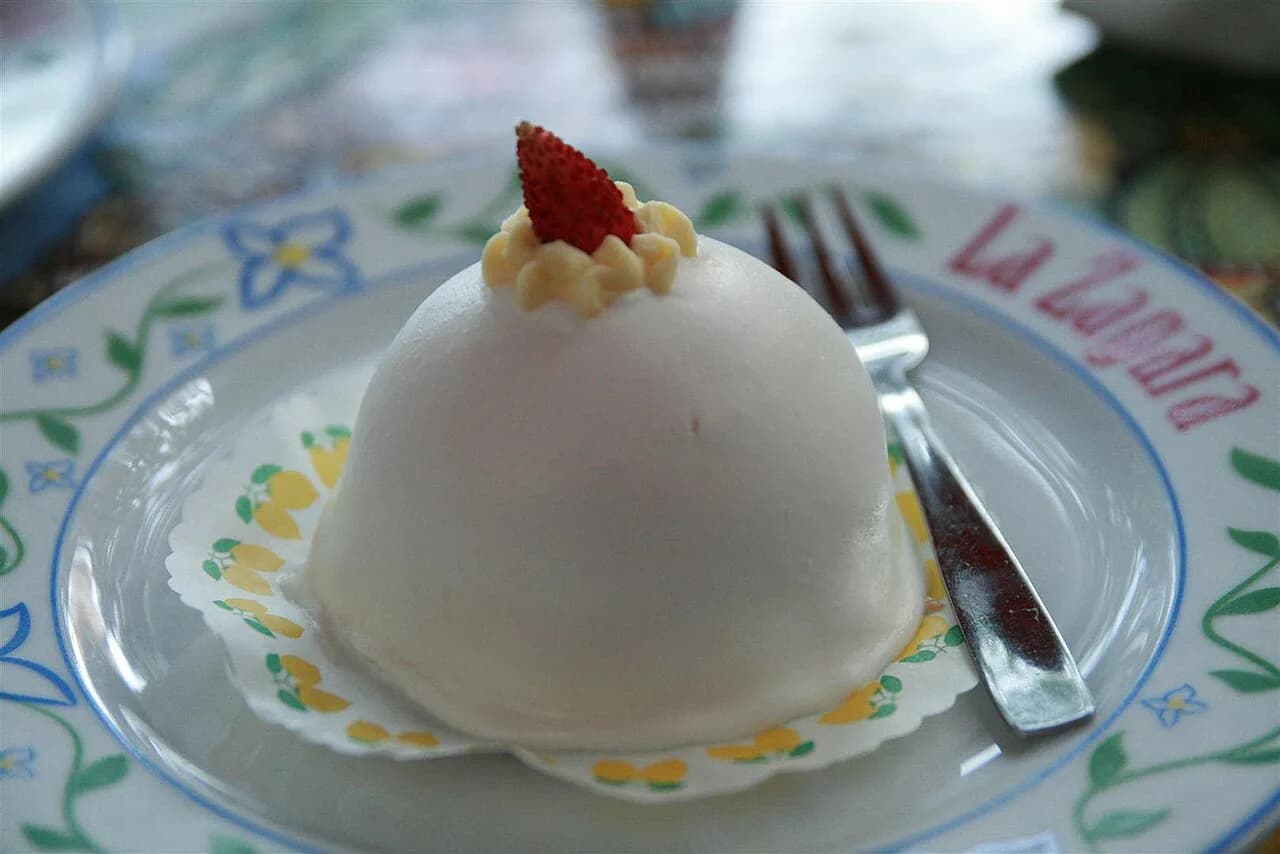
Delizia al limone is a small dome-shaped sponge cake filled with lemon cream, brushed with Limoncello syrup and coated in a lemon and cream glaze. It is the lemon pastry of Campania and the Sorrentine Peninsula, built to show off the fragrance of the local fruit rather than to hide it under sugar. This guide breaks down what each layer contributes, why the individual dome behaves differently from a large cake, and the words to use at a pasticceria counter.
What delizia al limone is
The dessert is assembled rather than simply baked: a light sponge, a lemon cream filling, a syrup spiked with Limoncello, and a glossy glaze that combines lemon with whipped cream. The name means "lemon delight", and the plural, delizie al limone, is what you will see on trays holding several of them. Each element is made separately and brought together, which is why the finished cake reads as four distinct sensations in the mouth rather than one flat sweetness.
They were created in Campania to celebrate the region's fragrant lemons and have become a fixture of southern Italian pastry-making. Treat that as the dessert's home rather than a protected designation: no official status governs the name, so quality rests on the pastry chef's lemons and technique. On the peninsula, the cake is a regular at birthdays, family gatherings and Sunday lunches, served both as small individual domes and as one large cake.
Why the lemons matter more than anything else
Fresh lemons define the flavour, and both zest and juice earn their place: the zest carries the aromatic oils that make the cake smell of citrus, while the juice supplies a gentle tang that keeps the cream from turning cloying. Amalfi and Sorrento lemons are the traditional choice, prized for their perfume, but any unwaxed, fragrant variety works if you are making one at home. On the Costiera Sorrentina, that perfume is the whole point.
The local fruit shapes the eating experience: a lemon with strong aromatic oils gives a glaze and cream that taste bright at the front of the mouth, while a bland lemon leaves you with sweetness and little else. If you order one and the citrus seems muted, you are tasting the lemon, not the recipe.

What is inside, layer by layer
Eggs give the sponge its structure and airy crumb; whipped properly at room temperature, they lift the cake without baking powder. Cream and milk form the base of the lemon cream, which is essentially a thick pastry cream (crema pasticcera) loosened and sharpened with lemon. Limoncello enriches both the soaking syrup and the glaze with a warm citrus note, and a bottle you would happily drink on its own is the right one to cook with.
The syrup is what keeps the sponge soft: it soaks into the crumb and carries the lemon scent through every bite, so a well-soaked dome never tastes dry. The final glaze of lemon and whipped cream adds a cool, faintly creamy layer on top of the tang. Buy one and you are paying for the balance between those four elements, not for any single expensive ingredient.
How it eats: soft crumb, cool cream, gentle tang
The first impression is texture: the sponge yields easily under a spoon, the cream sits cool and dense in the centre, and the glaze slides over both. Because the syrup has already done its work, the cake stays light rather than heavy, with a lemon scent that arrives before the sweetness does. The tang is gentle by design. This is a pastry for people who want lemon flavour rather than lemon acidity.
Eat it with a spoon or a small fork rather than in the hand; the glaze and cream reward a plate. With an espresso afterwards, the bitterness cuts the glaze neatly.
Individual domes or one large cake
The same construction works at two scales, and the choice changes how you order. Individual delizie suit a counter purchase or a tray for a group, each one a self-contained portion with its own glaze and filling. A single large cake is the family-occasion version, sliced at the table, and it needs a plate and a proper sit-down to be enjoyed.
For a traveller, the individual dome is the practical pick: it travels better, needs no slicing, and lets you try one before committing to a box. For a shared table at home, the large format makes more sense.
Ordering one in a Sorrento pasticceria
Ask for a delizia al limone, or delizie al limone if you want more than one, and expect the reply to describe the size and the number available. At the counter, the domes usually sit alongside other lemon pastries, so pointing works as well as speaking. If you are eating in, say "da seduti" (to sit down) and confirm the table service charge (coperto) before you settle in.
Note that the dessert contains alcohol in its classic form, because Limoncello goes into the syrup and sometimes the glaze; the amount varies by maker, so ask if you are avoiding it. The name translates simply as "lemon delight", which is exactly what it is: no hidden meaning, no ceremonial order. If you are still choosing where to eat in town, the best restaurants in Sorrento cover the wider picture beyond the pastry counter.
Delizia versus other lemon desserts on the same counter
The nearest relative most visitors meet is torta al limone, a lemon cake in the ordinary sense: baked as one cake, often with a plainer crumb and no filled centre. Delizia al limone is the constructed version, with cream inside, syrup soaked through and a glaze on top. A lemon tart is different again, all pastry shell and sharp curd.
Ordering the delizia gets you the softest, most layered of the three, and the one most tied to the peninsula. If you want a sharper, simpler hit of citrus, the tart is the better call. For a coffee to go with either, the Cafés in Sorrento guide covers the counter ritual.
Where to look for it
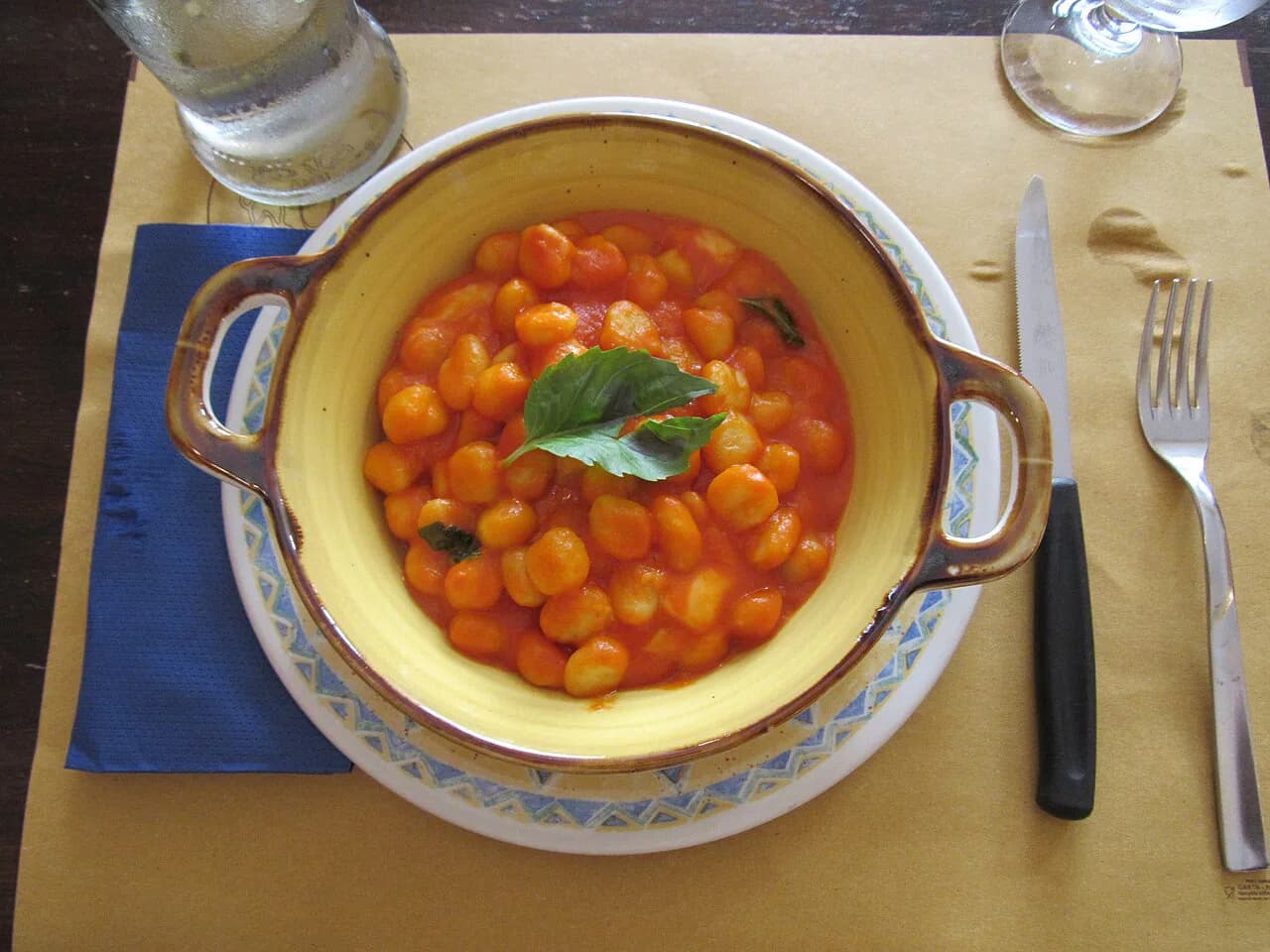
On the Sorrentine Peninsula and the Amalfi Coast, delizie al limone appear in pasticcerie across the area, and on the peninsula they are everyday fare. Look for trays of small glazed domes rather than whole cakes, and buy one to eat standing or take to a bench with a view. The dessert is a natural finish after a plate of gnocchi alla sorrentina, the baked pasta that also belongs to this coast.
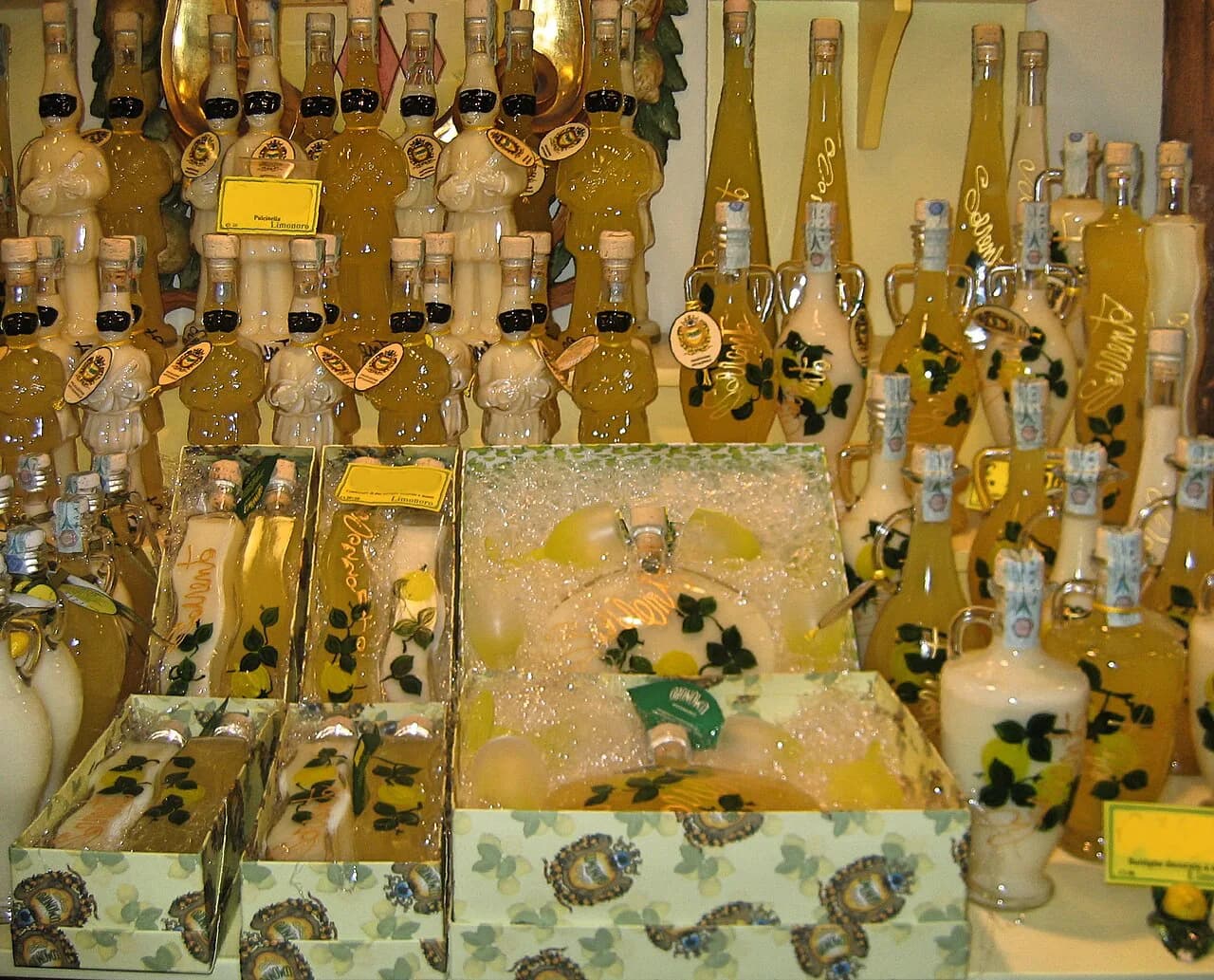
Beyond Campania, lemon-scented versions show up in pasticcerie in other Italian cities, though the local lemons and the local habit of serving it as a small dome belong to the south. If limoncello is what brought you here, the limoncello in Sorrento guide covers the drink itself. And if pastry is one stop on a wider eating plan, the best restaurants in Sorrento is the natural next read.
One dome, or a box for later?
If you are in Sorrento or elsewhere on the peninsula, buy one individual dome first and eat it slowly, paying attention to the soaked sponge and the cream in the centre. If it tastes of real lemon rather than sugar, go back for a box for the people you are travelling with. A large cake only makes sense if you have a table and a reason to slice it.
The thing to remember is the construction: sponge, lemon cream, Limoncello syrup, glaze, each doing a job. Knowing that makes the next order easier and tells you quickly whether the pasticceria in front of you has got it right. For the rest of the day's eating, the best restaurants in Sorrento picks up where the pastry counter leaves off.
Explore more Sorrento food guides
Frequently Asked Questions
Is delizia al limone the same as lemon cake?
Not quite. A plain lemon cake is baked as one cake and usually left unfilled. Delizia al limone is built in layers: a sponge dome filled with lemon cream, soaked in Limoncello syrup and coated in a lemon and cream glaze. The construction, not just the lemon flavour, is what defines it.
Does delizia al limone contain alcohol?
The classic version does, because Limoncello goes into the syrup that soaks the sponge and sometimes into the glaze as well. The quantity varies from one maker to another, so ask at the counter if you are avoiding alcohol.
How is delizia al limone different from torta al limone?
Torta al limone is a lemon cake in the ordinary sense, baked and sliced. Delizia al limone adds a filled cream centre, a soaking syrup and a glossy glaze, which is why it tastes layered rather than simply sweet.
Sources
Notes for your next meal in Italy
Optional updates to our food guides.
You might also like
Continue reading
More guides you'll find useful