Limoncello in Sorrento: What It Is and How to Drink It
Limoncello in Sorrento is a lemon liqueur made from Sorrento lemon peel steeped in alcohol, served ice-cold after a meal. Here is what to know before you order.
On this page
Limoncello in Sorrento is a sweet lemon liqueur made by steeping lemon peel in strong alcohol and blending the result with sugar syrup, then serving it very cold in small glasses at the end of a meal. Sorrento is associated with it because the peninsula's lemons are prized for thick, aromatic peel, and the local Limone di Sorrento carries a protected-origin label. This guide covers the lemons, the method, the serve, the strength and how the liqueur turns up in pastries and gelato.
It is not a sipping spirit to linger over and it is not a wine, so ordering it is simple: you ask for un limoncello, it arrives chilled, and you drink it in a couple of small mouthfuls. Knowing that ritual in advance stops you treating it like a digestivo to nurse for half an hour while the table waits to leave.
What limoncello is and why Sorrento is associated with it
Limoncello is a liqueur made from lemon peel, alcohol, water and sugar, and it is the drink most closely tied to the Sorrentine Peninsula. Producers there present it as a traditional drink born from the local lemons and the terraced coastline where they grow, and it is served cold both after a meal and during aperitivo. Treat the deeper origin story as a claim rather than settled history: family and village traditions differ, and no single documented inventor is agreed.
The association is really about the fruit. The peninsula's terraces, with lemons grown alongside oranges, vines and olives, give the liqueur its raw material, and the local peel is what carries the perfume and the pale yellow colour that shades towards green.
The lemons behind it: Sorrento varieties and the IGP label
The peel, not the juice, is the whole point. Home recipes call for the thick-skinned Femminello di Sorrento, also called the oval Sorrento lemon, and the Sfusato Amalfitano from further along the coast, both chosen because their rind is dense and rich in the essential oils that flavour the drink. Untreated or organic fruit matters here, because you are extracting everything the skin carries.
Limone di Sorrento IGP is a protected-origin label for the local lemon, so seeing it on a bottle tells you the fruit comes from the designated Sorrento area rather than guaranteeing a style or a sweetness level. Read it as an origin marker, not a quality score or a recipe guide.
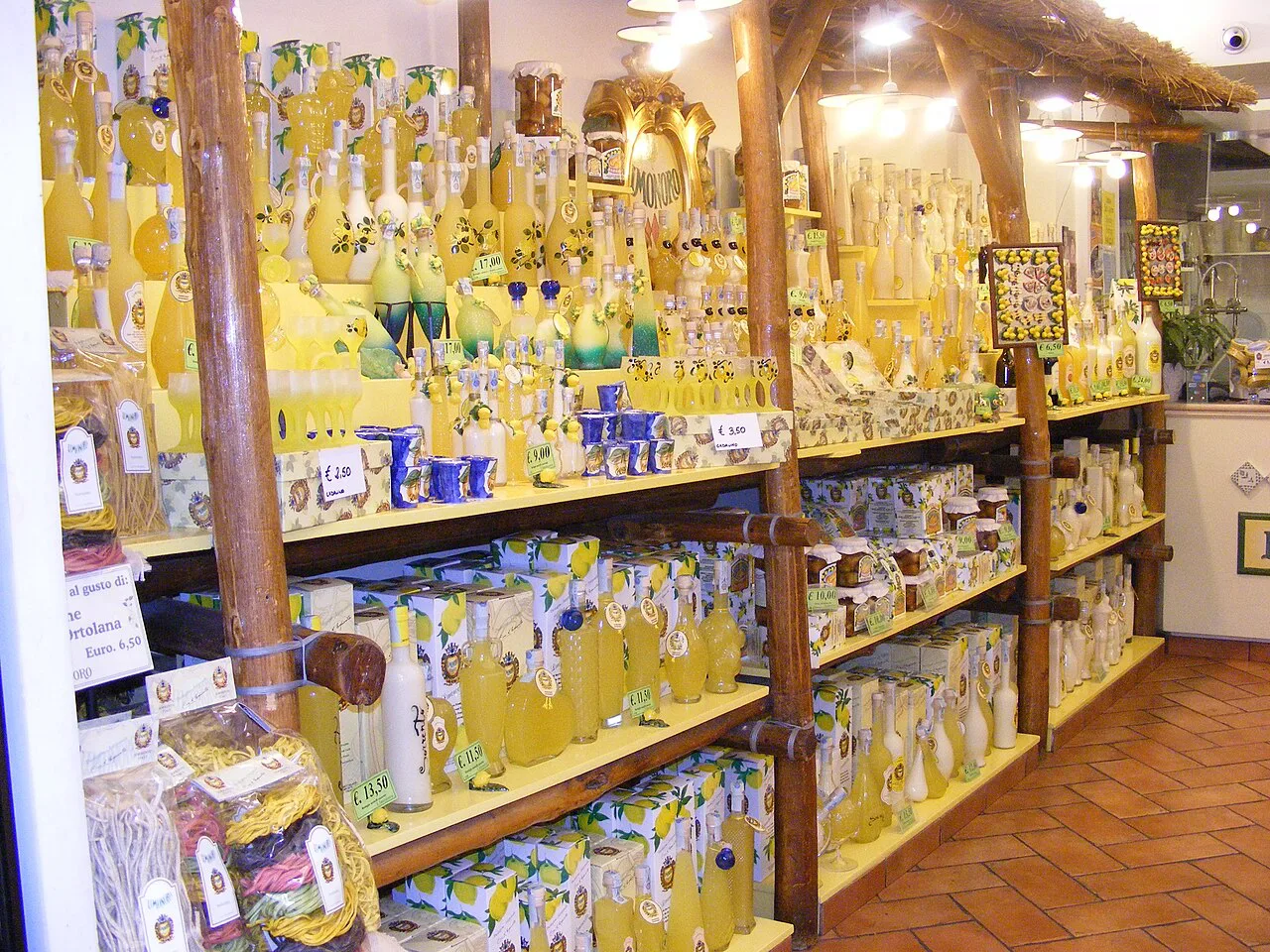
How limoncello is made: peel, alcohol, sugar syrup and time
The method is short on ingredients and long on waiting. Peel is stripped from the lemons, avoiding the bitter white pith, covered in strong alcohol in a sealed glass jar and left in a cool dark place for around a month while the oils infuse. A syrup of water and sugar is then cooled and stirred in, and the mix rests for roughly another month before being strained and bottled.
A representative home recipe uses four lemons, half a litre of pure alcohol, half a litre of water and 350 g of sugar to make about 1.35 litres, with roughly forty days from start to bottle. The alcohol needs to be strong to pull the oils out of the peel properly, which is why the finished drink is diluted with syrup rather than being weak from the start. Scaling the sugar down gives a fresher, more citrus-forward result at the cost of balance.
What it tastes like and how it is served
Expect a sweet, intensely perfumed lemon flavour with a warming alcoholic edge and no sharp acidity, since no juice goes in. The classic serve is straight from the freezer into a small chilled glass, so the liqueur is thick and almost syrupy cold, which tames the sweetness. Keep the pour small: it is a digestivo, not a drink to work through by the tumbler.
If the strength feels too much, the home recipe suggests cutting the alcohol and increasing the water and sugar for a lighter drink that keeps the perfume. A splash over fruit gelato is also a proper way to serve it rather than an improvisation.
When to drink it: after lunch or dinner, and at aperitivo
The default moment is after lunch or dinner, when the plates are cleared and the bill is coming. Order one limoncello each and it closes the meal neatly; ordering a round at aperitivo also works, when the same cold, sweet profile cuts through salty snacks before dinner. In practice it fits both ends of a Neapolitan-style meal.
If you are working through a long dinner around Piazza Tasso, alternate the liqueur with water and keep to a single glass at the end rather than drinking it alongside every course. It is high in alcohol and easy to underestimate because it tastes like lemonade.
How strong it is and how to pace yourself
Recipes are built on pure alcohol at around 95 percent, then diluted with an equal volume of sugar syrup, so the finished homemade liqueur is still strong enough to be treated with respect rather than sipped like wine. Bottled versions vary, so judge by the small serving size rather than by taste alone. One small glass after a meal is the sensible habit; two is the limit if you are driving or walking back along dark coastal roads.
Limoncello in the kitchen: pastries, gelato and desserts
The liqueur is not only a drink. Home cooks add it to pastiera, to carnival fried dough and to struffoli to give them a citrus lift, and a spoonful over fruit gelato is a legitimate serve. That makes it a reasonable small purchase even if you rarely drink spirits, because it earns its place in the kitchen.
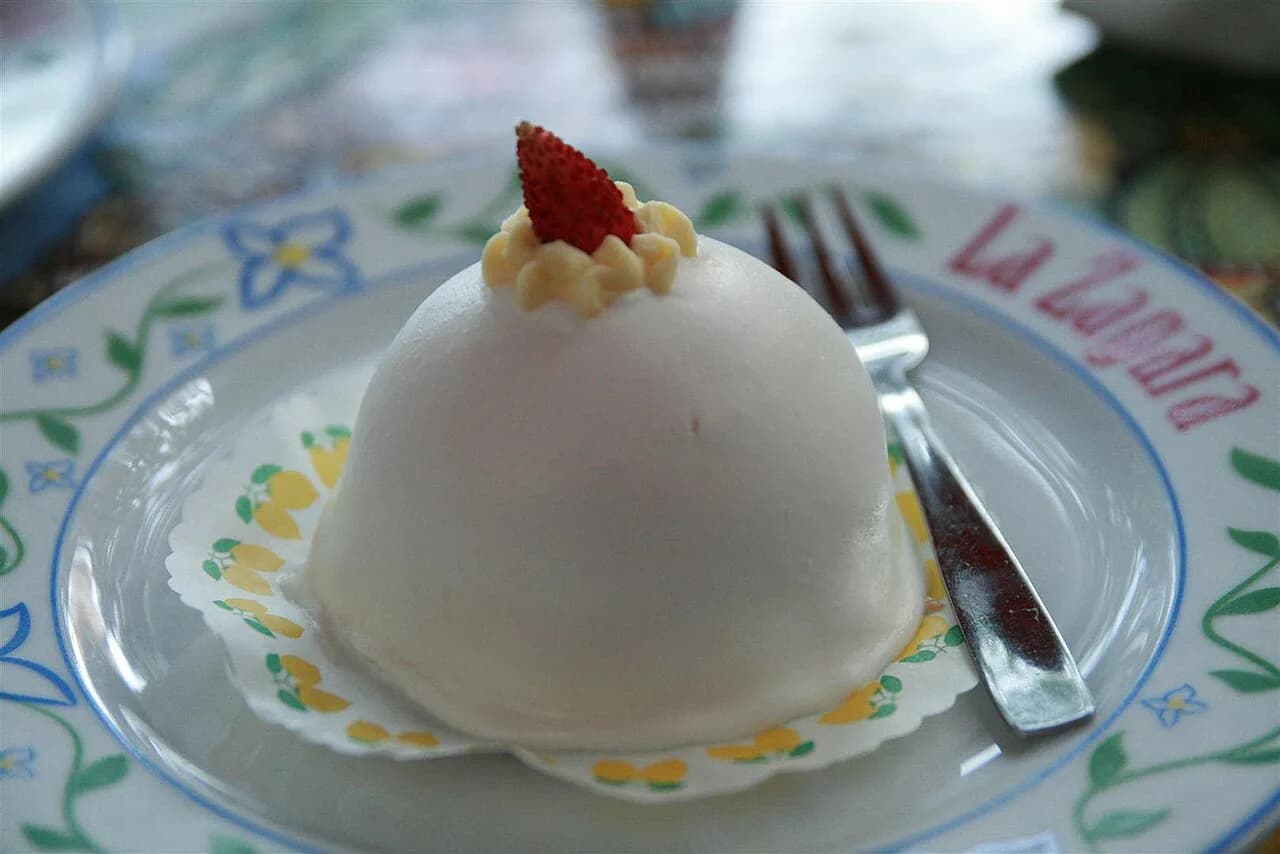
In Sorrento the lemon shows up in pastries too, most notably delizia al limone, a domed sponge cake filled and coated with lemon cream. Ordering one with a coffee is the neatest way to eat the local lemon flavour if a cold shot of liqueur is not your thing.
Buying a bottle in Sorrento: what to look for on the label
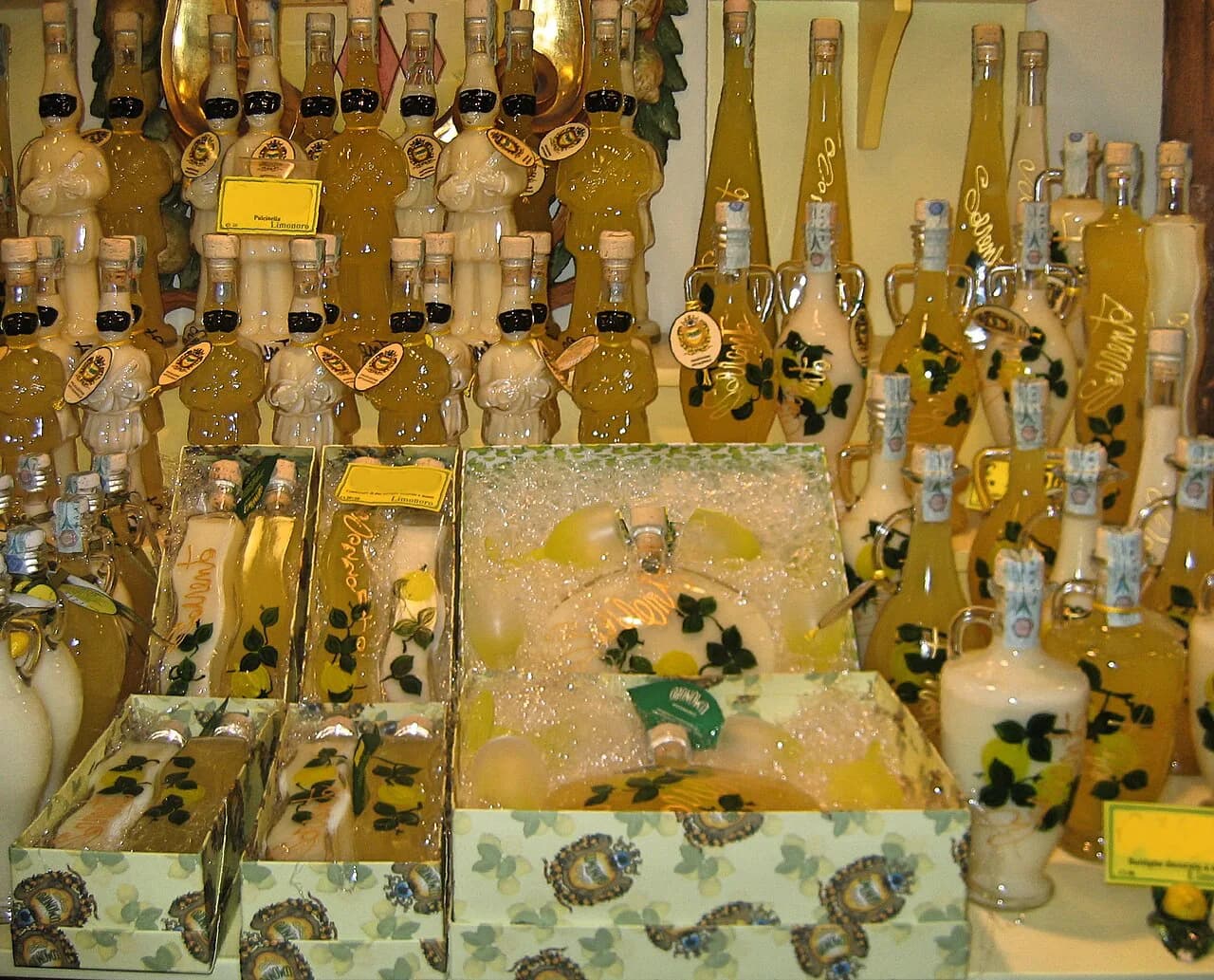
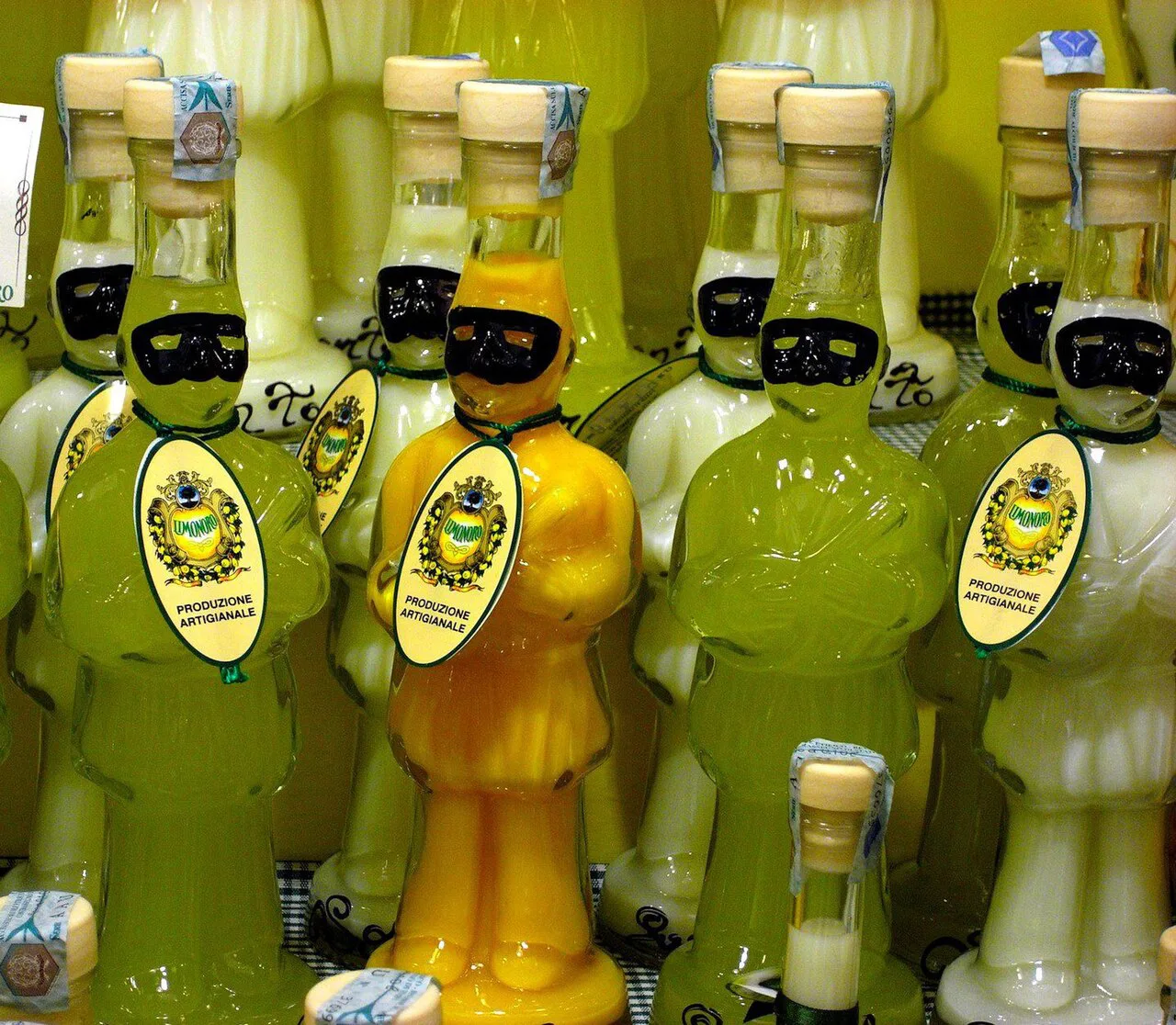
Look for the Limone di Sorrento IGP mark on the label and a short ingredient list: lemon peel, alcohol, water and sugar. If the front label leans on pictures and slogans but says nothing about the lemon or the producer, put it back and pick a bottle that names its fruit and its maker. A pale yellow-green tint is consistent with peel infusion, sugar syrup and nothing darker added.
Bottle sizes and prices are not printed in any fixed way across producers, so compare on the shelf rather than expecting a standard figure, and check whether the shop sells chilled single serves if you want to drink it the same evening. Once opened, keep the bottle in the fridge or freezer: the liqueur holds for up to a year but starts losing freshness and aroma after about six months.
Order it cold and small, or eat the lemon instead
Limoncello is the easiest part of a Sorrento meal to get right: one small, ice-cold glass at the end, and you have tasted the peninsula's lemons in their simplest form. If you crave the flavour in food instead, a delizia al limone or a scoop of lemon gelato delivers the same perfume without the alcohol.
Save the sit-down meal decisions for another time and settle the liqueur first: pick a bottle that names its Sorrento lemons on the label, keep it in the freezer, and pour it sparingly. Pair the meal itself with a wider plan from a shortlist of the best restaurants in Sorrento.
Explore more Sorrento food guides
Frequently Asked Questions
Is Sorrento known for limoncello?
Yes. Sorrento is strongly associated with limoncello because its local lemons, protected under the Limone di Sorrento IGP label, have thick aromatic peel that gives the liqueur its perfume. Producers along the Sorrentine coast present it as the traditional drink to taste when visiting, served very cold after a meal or during aperitivo.
What is the traditional drink of Sorrento?
Limoncello is the drink most tied to the Sorrento area: a sweet liqueur made by infusing lemon peel in strong alcohol, then mixing it with sugar syrup and freezing it before serving. It is usually drunk in small glasses at the end of lunch or dinner, though it also appears at aperitivo.
Sources
Notes for your next meal in Italy
Optional updates to our food guides.
You might also like



Continue reading
More guides you'll find useful