Best Gelato in Cefalù: Where to Eat It and What to Order
A practical guide to gelato in Cefalù: how to spot genuinely artisan gelato, which flavours to order, and how granita fits into a hot Sicilian afternoon.
On this page
The best gelato in Cefalù is the one you can judge for yourself in ten seconds at the counter: small metal tubs, flat lids, colours that look like the fruit rather than a highlighter pen. Cefalù is a small town, so the choice is about quality and timing rather than ticking off a long list, and the historic centre between the cathedral and the sea puts every shop within a short walk. This guide covers how to tell artisan gelato from the beach-trade tubs, which Sicilian flavours deserve your first cone, when granita is the better order, and how the evening passeggiata changes the queue.
What Cefalù gelato is like, and why it deserves planning
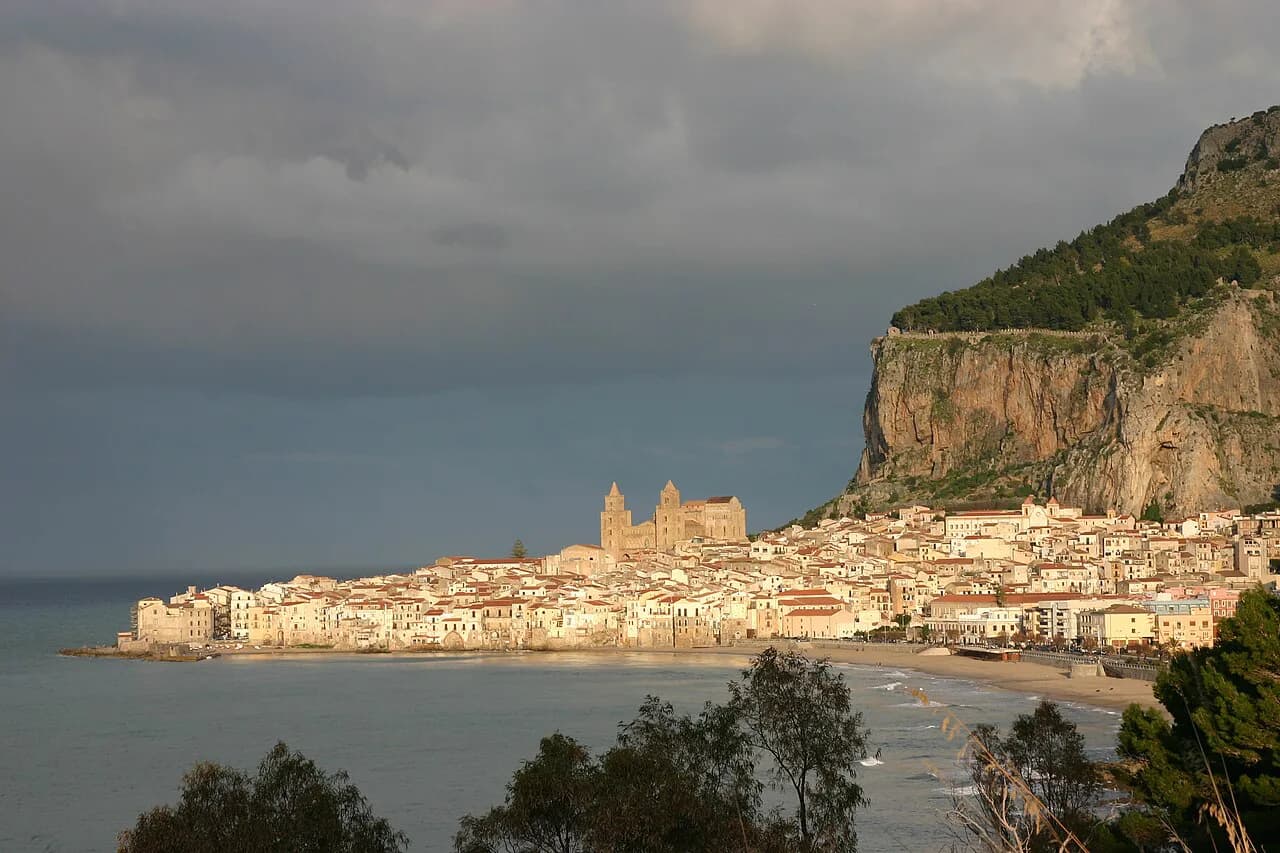
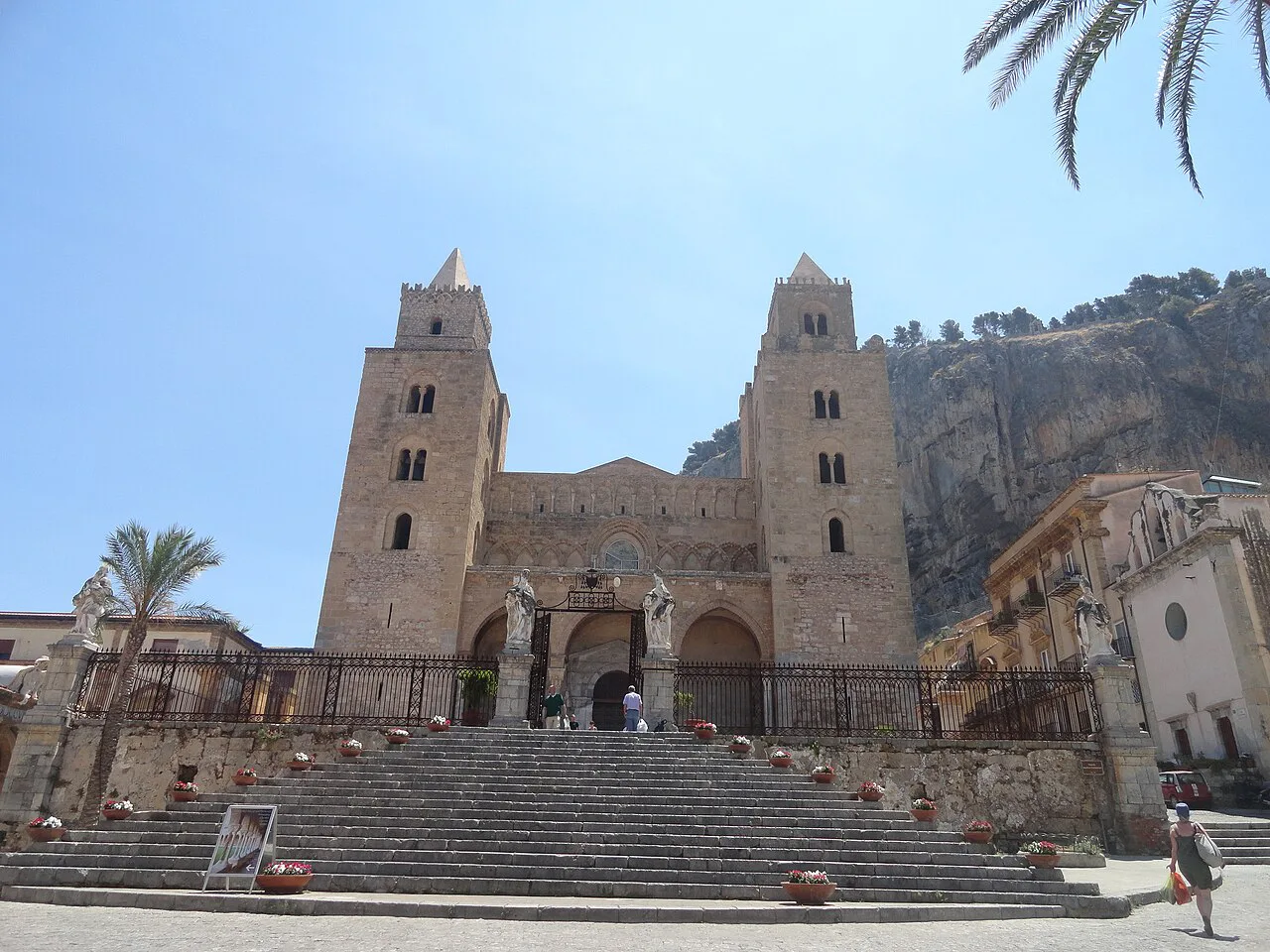
Cefalù's gelato sits inside a Sicilian tradition where the important flavours are nut and fruit rather than chocolate-heavy imports: pistachio from Bronte, almond, lemon, and dark Sicilian fruit sorbets. A town this compact, with a beach at one end and a Norman cathedral at the other, concentrates demand into a few streets, so a good shop and a mediocre one can sit a hundred metres apart. Treat gelato as part of the day's structure rather than an afterthought: one cone on the walk back from the beach, one during the evening stroll.
If you are planning meals around the same streets, the best restaurants in Cefalù are worth reading before you commit to an evening, because a heavy dinner and a gelato are competing for the same hour.
How to tell artisan gelato from the tubs aimed at the beach crowd
Read the counter before you read the menu. Artisan gelato is usually held in shallow, cylindrical metal tubs with flat lids rather than tall plastic bins with domed, mounded tops; the mound is a sign of air whipped in to make the volume go further. Colour is the second tell: pistachio should be a muted khaki-brown, not bright green, and lemon should be a pale cream rather than fluorescent yellow.
Texture at the point of sale matters too. Gelato served at the correct temperature comes out in soft ribbons rather than rock-hard scoops that need brute force, and a shop that lets you taste before choosing is usually confident in what it makes. Look for a short, seasonal flavour list: a counter listing forty varieties in a small Sicilian town in October is probably working from powders and pastes rather than fresh fruit and nuts.
For scale, the GelatoMaps index of Italian gelaterie counts 1,481 shops across 806 towns, with 1,361 rated two palline or better and the biggest clusters in Rome, Florence and Milan rather than in Sicily. Read it as a national counter, not a proxy for quality in any one town: Cefalù's handful of shops live on local reputation rather than national ranking.
Where to find good gelato in Cefalù
This guide names a gelateria only once its details are confirmed on the ground, because a Cefalù shop that closes for the winter or changes hands between seasons is not worth sending you across town for. What follows is the method rather than a fixed list: shortlist two or three counters that meet the artisan tests above, then choose by which flavours are in season and whether the shop is on your route.
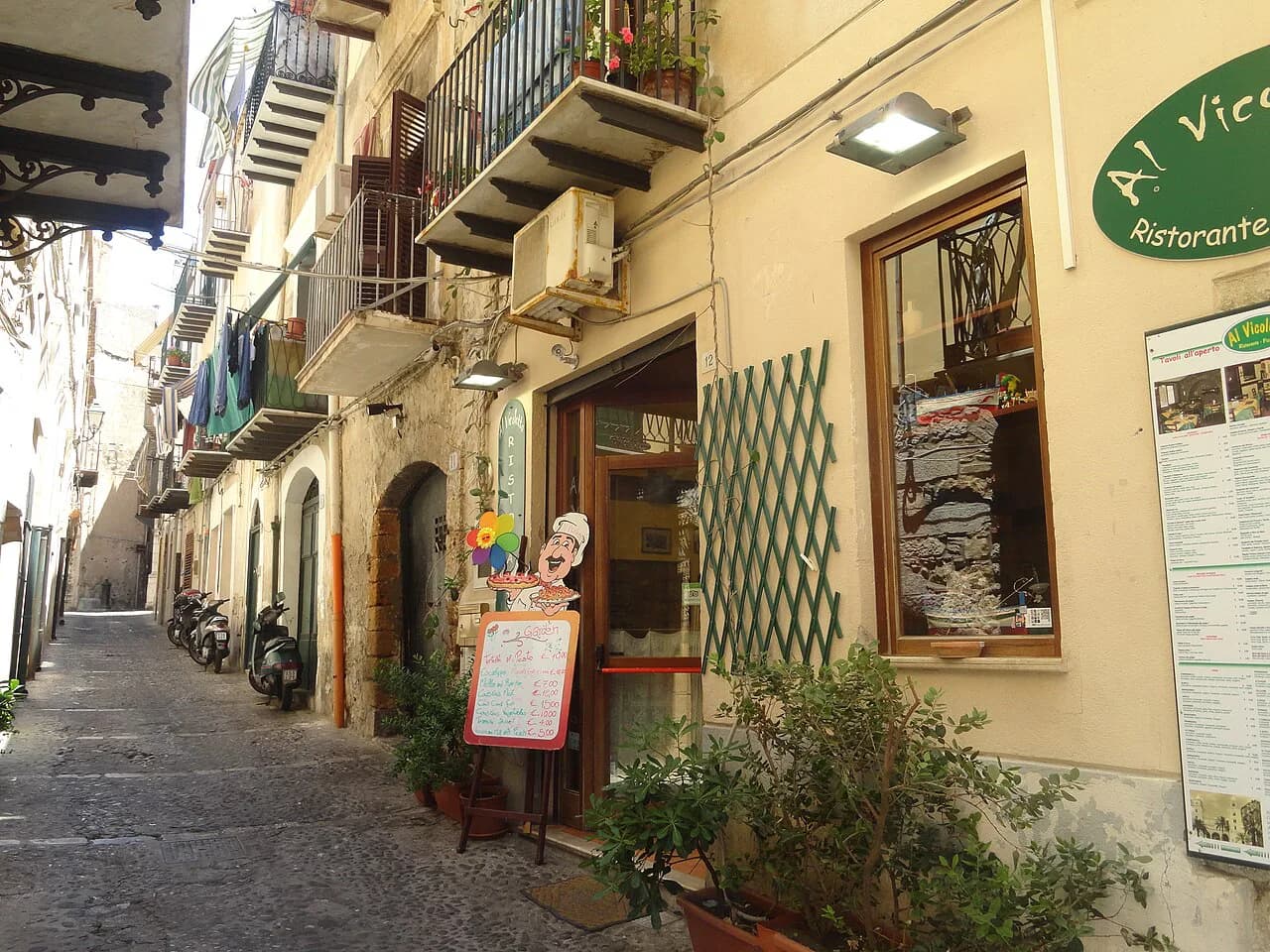
Geography makes the shortlist easy. Shops along the Corso Ruggero and the lanes off it catch the evening crowd, while those near the seafront approach catch the beach trade and often carry longer, more decorated menus. As a rule, the closer a counter is to the sand, the more likely you are paying for convenience; walk five minutes inland and expect better gelato for the money.
If your cone is competing with a slice for the same slot, best pizza in Cefalù covers the wood-fired side of the town, and the two make a sensible split: pizza at the start of the evening, gelato at the end.
Which flavours to prioritise in Cefalù
Start with pistachio. Sicilian pistachio is the benchmark nut flavour on the island, and a good version is savoury, slightly salty and dull green, closer to nut butter than to candy. Almond runs it close and is the more distinctly Sicilian order, especially in granita form, and if a shop offers both, take a small cone with one scoop of each to compare.
Move on to fruit. Lemon, blood orange in season, mulberry and peach sorbets are where a Sicilian gelateria shows whether it is using real fruit, because there is nowhere to hide behind cream and sugar. Ricotta and cassata flavours nod to the island's pastry tradition: cassata is the Sicilian cake of ricotta, candied fruit and sponge, and in gelato form it should taste of sheep's milk rather than marzipan.
Order a brioche con gelato at least once. A sweet Sicilian brioche split and filled with gelato is the local way to turn a cone into a proper snack, and it works best with a simple fruit or nut flavour rather than chocolate and cream.
Gelato versus granita: what to order when it is 35°C
On a hot Cefalù afternoon, granita is often the better order. Granita is the Sicilian semi-frozen preparation of water, sugar and fruit or nuts, churned to a coarse, slushy texture rather than a smooth cream; lemon and almond are the classic pair, and coffee granita with cream is the breakfast order in eastern Sicily. It is lighter than gelato, melts faster, and is far more refreshing when you are walking back from the beach.
The choice comes down to what you want the cold thing to do. Gelato is a small dessert with fat and structure; granita is a drink you eat with a spoon, and it will not leave you heavy before a late lunch. If the counter has a machine turning lemon granita that looks granular rather than smooth, that is the sign of the real thing.
Prices, cone sizes and how to order at the counter
Gelato pricing in Italy works by cup or cone size rather than by scoop in most shops, and the size names vary: piccolo, medio and Grande on a board, or numbered sizes with a price beside each. You choose the size first, then point to the flavours, and a small cone usually allows two flavours while a large one allows three. Prices differ between the historic centre and the seafront, and Cefalù's summer prices are not the same as winter ones, so read the board before you order rather than after.
Ordering is simple once you know the sequence: pay at the till or at the counter first if there is a separate cassa, keep the receipt, then hand it to the person serving and point to your flavours. Say "un cono piccolo" for a small cone or "una coppetta" for a cup, and ask for "panna" if you want cream on top, which is often free in the north but sometimes charged in the south. Cash is still normal in smaller Sicilian shops, so carry a few euros even if a card machine is on the counter.
For the sit-down version of the same street, The Best Restaurants in Cefalù, Picked by What You Want to Eat covers the trattorias and seafood places where a gelato is the walk home rather than the main event.
Eating gelato in the evening: the passeggiata route
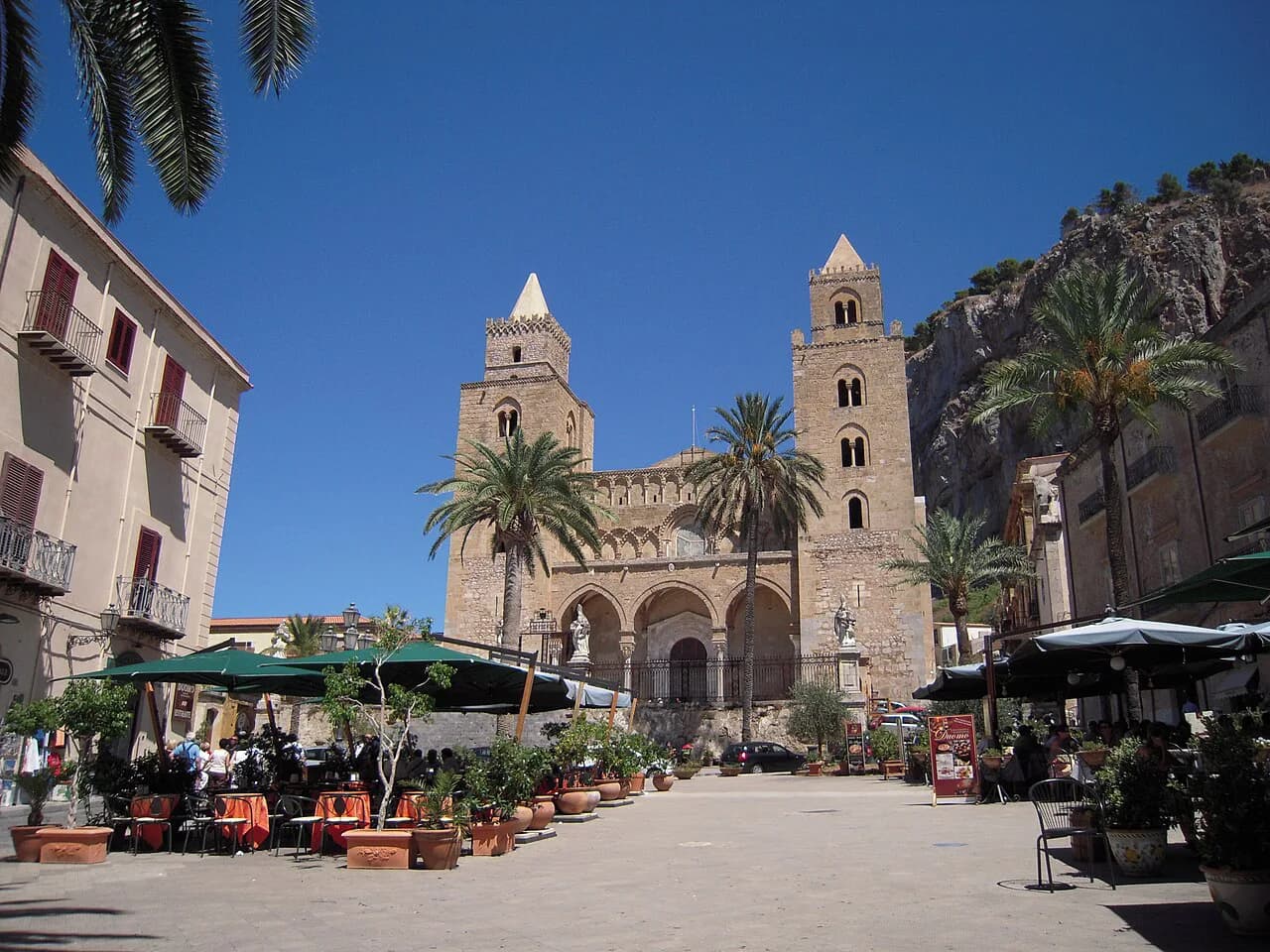
The evening passeggiata is when Cefalù buys most of its gelato. The route runs through the historic centre, along the Corso and past the cathedral square, and shops that look sleepy at four in the afternoon have a queue at nine. If you want to eat without standing in line, go early in the passeggiata rather than at its peak, and expect August to be the busiest month by a wide margin.
Time your evening around the food rather than the other way round. An aperitivo in Cefalù before dinner leaves room for a cone afterwards, and the walk between the two is the point: a slow loop through the centre, gelato in hand, is the most Sicilian way to end a day here.
If you would rather graze than sit down, street food in Cefalù covers the arancine, sfincione and fried pieces that fill the gap between beach and dinner, leaving the gelato slot free for later.
And if the day has been built around lunch rather than dinner, best pasta in Cefalù is the page to read before you decide where the afternoon cone fits.
Which cone to buy first in Cefalù
Buy your first cone on the artisan test, not the signboard: flat metal lids, muted colours, a short seasonal list and a shop a few streets back from the seafront. Order pistachio and almond to judge the shop, then come back for lemon granita on the hottest afternoon.
If a place passes those checks and sits on your evening route through the centre, it has earned a second visit; if it fails them, the next street almost certainly has something better.
Frequently Asked Questions
How much does gelato cost in Cefalù?
Prices are set by cup or cone size and vary between the historic centre and the seafront, and they rise in high summer. Read the price board at the counter before ordering, since the size names and the number of flavours included differ from shop to shop.
What are the most popular gelato flavours in Sicily?
Pistachio and almond are the benchmark nut flavours, with lemon and other fruit sorbets close behind, alongside ricotta and cassata flavours drawn from Sicilian pastry. Chocolate and cream flavours are widely sold but tell you less about a shop's quality than the nut and fruit ones.
Is granita better than gelato in hot weather?
Granita is lighter and more refreshing when it is very hot, while gelato is a richer dessert with more fat and structure. If you are heading to the beach in the afternoon, lemon or almond granita is the better choice; save the cone for the evening walk.
Can I get vegan gelato in Cefalù?
Fruit sorbets, including lemon and many berry flavours, are normally made without milk, but the base varies by shop and some counters use a milk-based base even for fruit. Ask the person serving whether a specific flavour contains milk or cream before you order.
Sources
Notes for your next meal in Italy
Optional updates to our food guides.
You might also like
Continue reading
More guides you'll find useful