Best Pizza in Cefalù: Where to Eat and What to Order
Pizza in Cefalù means a thin, crisp base with Sicilian toppings, from the Norma to the Contadina. Here is what to order, and where, starting on the lungomare.
On this page
The best pizza in Cefalù is a thin, crisp-based pie topped with ingredients from the island itself, and the most reliable single address for a first night is Ragno d'Oro on the lungomare Giuseppe Giardina, where the wood-fired oven turns out both a house pizza and a Norma alongside fresh seafood. This guide covers what makes the local style distinct, which named Cefalù pizzas are worth seeking out, what each Sicilian topping actually is, and how to handle booking and the bill.
Treat the list below as a short set of decisions rather than a directory: one seafront restaurant for a proper sit-down dinner, five pizza types to know by name, and a clear view of when a sea-view table is worth the extra formality and when a quicker meal suits better.
What Makes Pizza in Cefalù Different
Cefalù sits on the Tyrrhenian coast below the Madonie mountains, and that geography shows up in the toppings: wild mountain oregano, new oil from the Madonie hills, local sausage, and cheeses such as ricotta salata (salted, aged ricotta, grated over the top rather than melted in) and caciocavallo. The pizzas here tend to be built around those ingredients, Italian and Sicilian rather than international, so the toppings carry most of the flavour.
That gives you a working rule for ordering: pick one pizza built on seafood or mountain produce and one built on the classics, because the dough and the oven are the constant and the toppings are what a kitchen is actually choosing to do. Some Cefalù kitchens work with Sicilian flours and long rising times, and some push into gourmet toppings while others stay strictly traditional.
If pizza is only part of your plan, The Best Restaurants in Cefalù, Picked by What You Want to Eat covers the wider picture of seafood trattorias, pasta and sit-down dinners, which helps you decide how many evenings to give over to a pizzeria.
Ragno d'Oro: Wood-Fired Pizza on the Lungomare Giuseppe Giardina
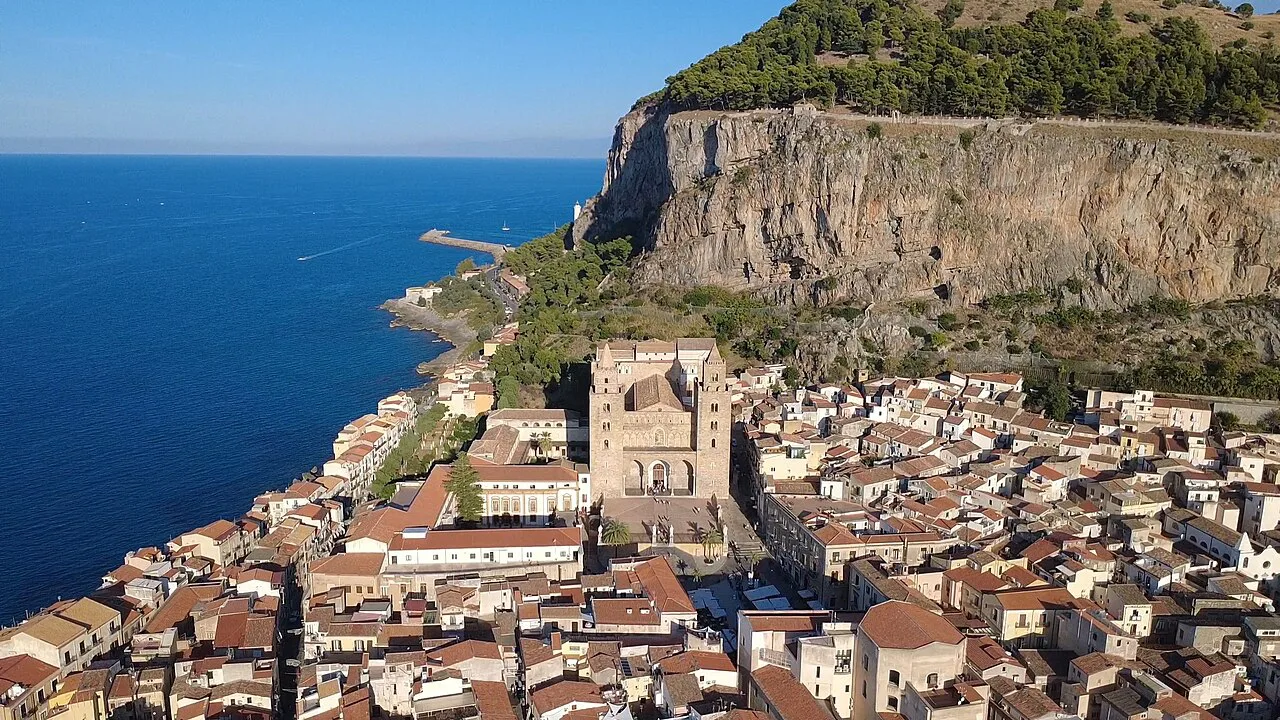
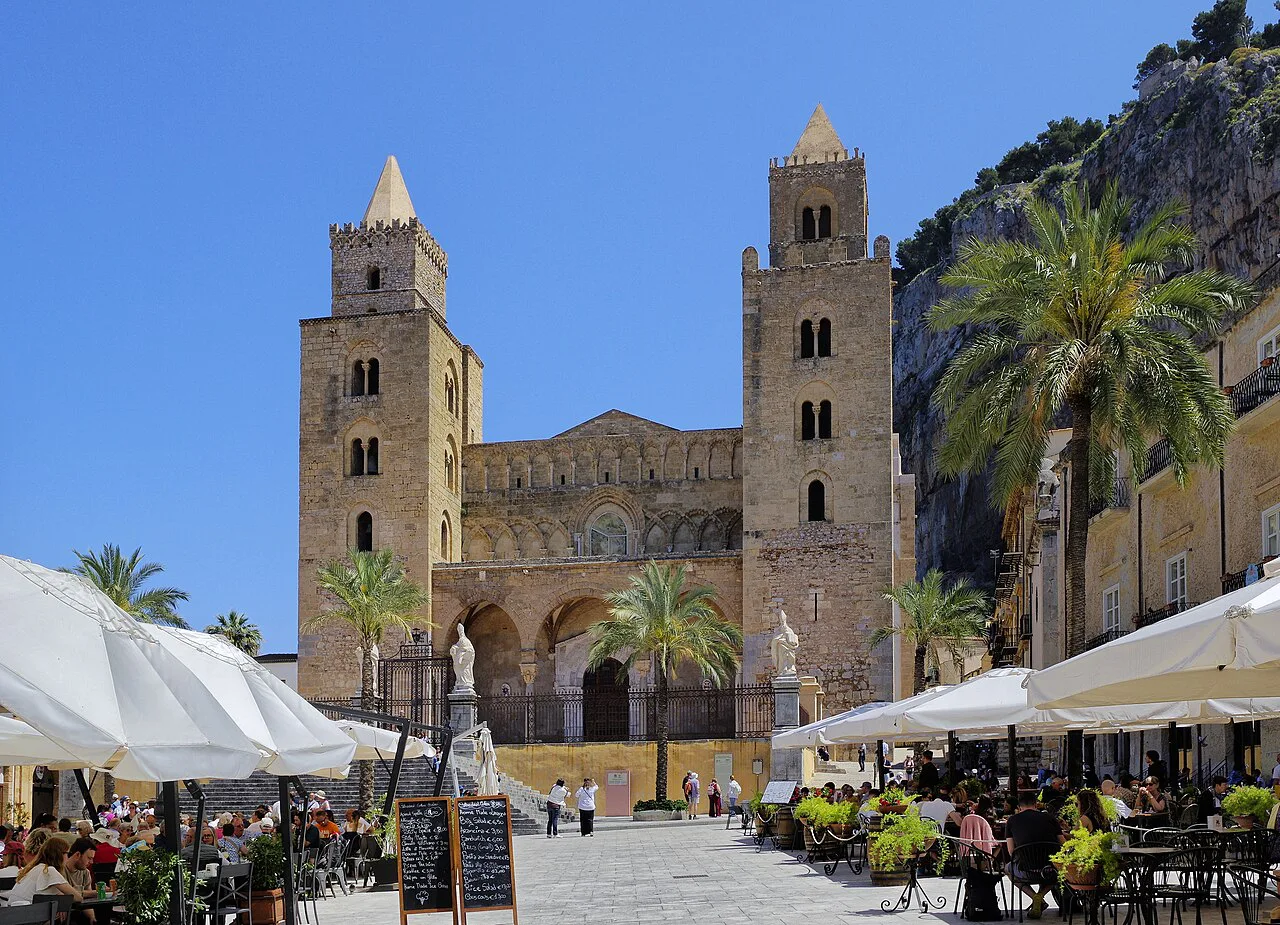
Ragno d'Oro is a restaurant and pizzeria on the seafront at lungomare Giuseppe Giardina, with outdoor tables facing the water and a dining room that mixes Sicilian tradition with a contemporary look. The kitchen runs two registers at once: pizza from a wood-fired oven and the wider Sicilian and Mediterranean menu, which is why it works for a group where not everyone wants a pizza.
The house recommends booking, particularly in high season when the room is busy, so a sunset table is a reservation rather than a walk-in gamble in July and August.
The trade-off is the familiar one on this coast: you pay in formality and in planning for a table with a sea view and a proper dinner service, while a simpler pizzeria inland gets you fed faster. For a first evening in Cefalù, with the light going down over the water, the seafront setting is the reason to choose it.
What to Order at Ragno d'Oro
Two pizzas are singled out on the menu: the Pizza Ragno d'Oro, the house pie, and the Pizza alla Norma, the aubergine and ricotta salata classic. Order one of each for two people and you cover both the kitchen's signature and the island's most recognisable pizza.
The seafood is the other half of the case for eating here: spaghetti ai ricci di mare (spaghetti with sea urchin), frittura mista (mixed fried fish and seafood) and a tartare of Gambero rosso, the sweet red prawn. A plate of sea urchin pasta or a mixed fry alongside a shared pizza makes a better dinner than two pizzas, and the wine list leans on Sicilian labels to match.
The Five Cefalù Pizzas Worth Knowing
Five pizzas sum up what the town does well: the Norma, the Mediterranea, the Tramonto su Cefalù, the Contadina and a properly made Margherita. The first four are Sicilian in ingredients and outlook, and the last is the test of whether the dough and oven are any good.
Use the names when you read a menu: a kitchen serving a Norma and a Contadina is cooking in the local idiom, whereas one offering only international toppings is aiming at the passing trade.
Pizza alla Norma: Aubergine and Ricotta Salata
The Norma is the benchmark Sicilian pizza: a thin, crisp base, sweet tomato, fried aubergine and a generous grating of ricotta salata added at the end so it stays sharp and salty rather than melting away. It is a vegetable pizza that eats like a rich one.
The name is often linked to Bellini's opera, a story told around Sicily rather than a documented fact, so treat it as local lore. What matters is the combination: aubergine, tomato and salted ricotta is the most useful thing to order on a first night because it tells you a lot about how the kitchen fries, bakes and seasons.
Pizza Mediterranea: Cherry Tomatoes, Anchovies and Mountain Oregano
The Mediterranea is the sea-and-hills pizza: cherry tomatoes, anchovies and wild oregano from the Madonie, the mountain range behind Cefalù. The anchovies bring salt, the tomatoes bring sweetness, and the oregano is the aromatic thread that makes it taste of this coast rather than anywhere with a coastline.
Order it where the kitchen makes a point of short-supply ingredients, because the pizza has nowhere to hide: three toppings and a base, with no cheese to smooth over a dull anchovy or a pale tomato.
Pizza Tramonto su Cefalù: Red Prawns and Stracciatella
The Tramonto su Cefalù is the modern, gourmet end of the range: a white base with fiordilatte (fresh cows' milk mozzarella) and creamy stracciatella (mozzarella curd torn and mixed with cream), finished with raw red prawns and a thread of Sicilian extra virgin olive oil. It is the pizza that most directly tastes of the harbour in front of you.
It is a dish where the topping is the point, so it rewards a kitchen that handles fish well, the same case for eating seafood at Ragno d'Oro.
Pizza Contadina: Sausage, Porcini and New Oil from the Madonie
The Contadina, meaning the farmer's pizza, is the mountain counterpart to the seafood pies: tomato, mozzarella, lightly spiced local sausage, porcini mushrooms and a drizzle of new oil from the Madonie hills. It is the richest of the five and the one to order on a cooler evening or when you want something further from the sea.
Because sausage and porcini both carry a lot of flavour, this is a pizza to share rather than to eat alone before a second course.
Margherita Done Well: The Simplest Test
A Margherita looks like the safe order and is in fact the most revealing one: well-risen dough, good tomato passata, fresh mozzarella and an oven hot enough to char the base without drying it out. Where those four things are right, the more elaborate pizzas usually are too.
If you only have one pizza in Cefalù, order the Margherita at a place that fires it in a wood oven and judge from there; if you have two meals, follow it with a Norma or a Mediterranea.
Sicilian Versus Neapolitan Pizza
The practical difference is the base: Neapolitan pizza is soft, puffy and blistered at the edge, built to be folded, while a thinner, crisper pie carries ingredients like ricotta salata, anchovies and sausage without collapsing. Neapolitan pies lean on tomato and mozzarella; the local specialities here reach for the Madonie, the sea and the cheese cellar.
Neither is better, and you will find both in town; pick according to your mood, and remember that a crisp base is less forgiving of a slow journey from oven to table, which is an argument for eating in rather than taking away.
Booking, Timing and the Sea-View Trade-Off
A table on the lungomare at sunset is the reason many people eat at Ragno d'Oro, and the restaurant advises booking ahead for high season, when it fills up. Outside the peak weeks you have more room to decide on the day, but the seafront tables are the first to go at any time of year.
The trade-off is straightforward: a seafront dinner means a fuller service, a bigger spend and a reservation, while a simpler pizzeria a street or two back from the water is quicker and easier to walk into. If sunset over the water is part of the plan, book; if you want dinner and an early night before an excursion, the inland option wins.
For a more informal meal, the pizzeria-to-restaurant mix across town means you can usually find somewhere with outdoor tables and space around the table, which is useful if you are travelling with children.
How to Order and Pay: Coperto and the Bill
Across Italy, many sit-down restaurants add a coperto, a small per-person cover charge for bread and service that appears on the bill rather than in the menu price of the pizza. Look for it on the menu and treat it as part of the cost of the table, not a mistake in the arithmetic.
Tipping is not obligatory: rounding up or leaving a few euros is enough where service has been good, and card payment is widely accepted in restaurants of this kind. For a cheaper, faster meal, Street Food in Cefalù is the alternative to a full pizza dinner, with plenty eaten on the move.
Which Cefalù Pizza Should Be Your First?
Make your first pizza a Norma at a sit-down pizzeria with a wood oven, because it is the one dish that tells you whether the kitchen, the dough and the local ingredients are all in line. Follow it with a Mediterranea or a Contadina depending on whether you want the sea or the mountains on your plate, and save the red prawn Tramonto su Cefalù for a second visit.
Plan the evening around the lungomare at Ragno d'Oro if you want the view with your pizza, and book ahead in high season; otherwise eat a street or two inland, spend less and walk back along the water afterwards.
Explore more Cefalù food guides
Frequently Asked Questions
Is Sicilian pizza different from Neapolitan pizza?
Yes, mainly in the crust. Neapolitan pizza is soft and puffy with a blistered rim, while the Cefalù style is usually thinner and crisper, built to carry toppings such as aubergine and ricotta salata. Cefalù pizzerias draw on mountain and sea ingredients from the Madonie and the coast, which is the real local signature.
Should I book a table at Ragno d'Oro?
The restaurant recommends booking, especially in high season when it is busy. If a sunset table on the lungomare is the reason you are going, reserve rather than turning up and hoping, and ask about the outdoor sea-view tables when you do.
What is a coperto and will it be added to my bill?
A coperto is a small per-person cover charge for bread and service often added to sit-down meals in Cefalù and across Sicily. It appears on the bill rather than in the price of the pizza, so look for it and factor it into what you expect to pay; street food and counter service do not normally carry it.
Sources
Notes for your next meal in Italy
Optional updates to our food guides.
You might also like
Continue reading
More guides you'll find useful