Best Pasta in Cefalù: Where to Eat It and What to Order
Where to eat pasta in Cefalù, from a family kitchen near the duomo to a seaside pizzeria, plus the Sicilian dishes to order and how to choose between them.
On this page
The best pasta in Cefalù is seafood-led, and the surest single order is the spaghetti with anchovies and Bronte pistachio cream at Le Chat Noir, a family-run restaurant a few steps from the duomo. If you want the classic vegetable plate instead, order pasta alla Norma with aubergine, tomato, ricotta salata and basil. This guide sets out the dishes first, then the four kitchens that cook them, so you can match the plate to the table.
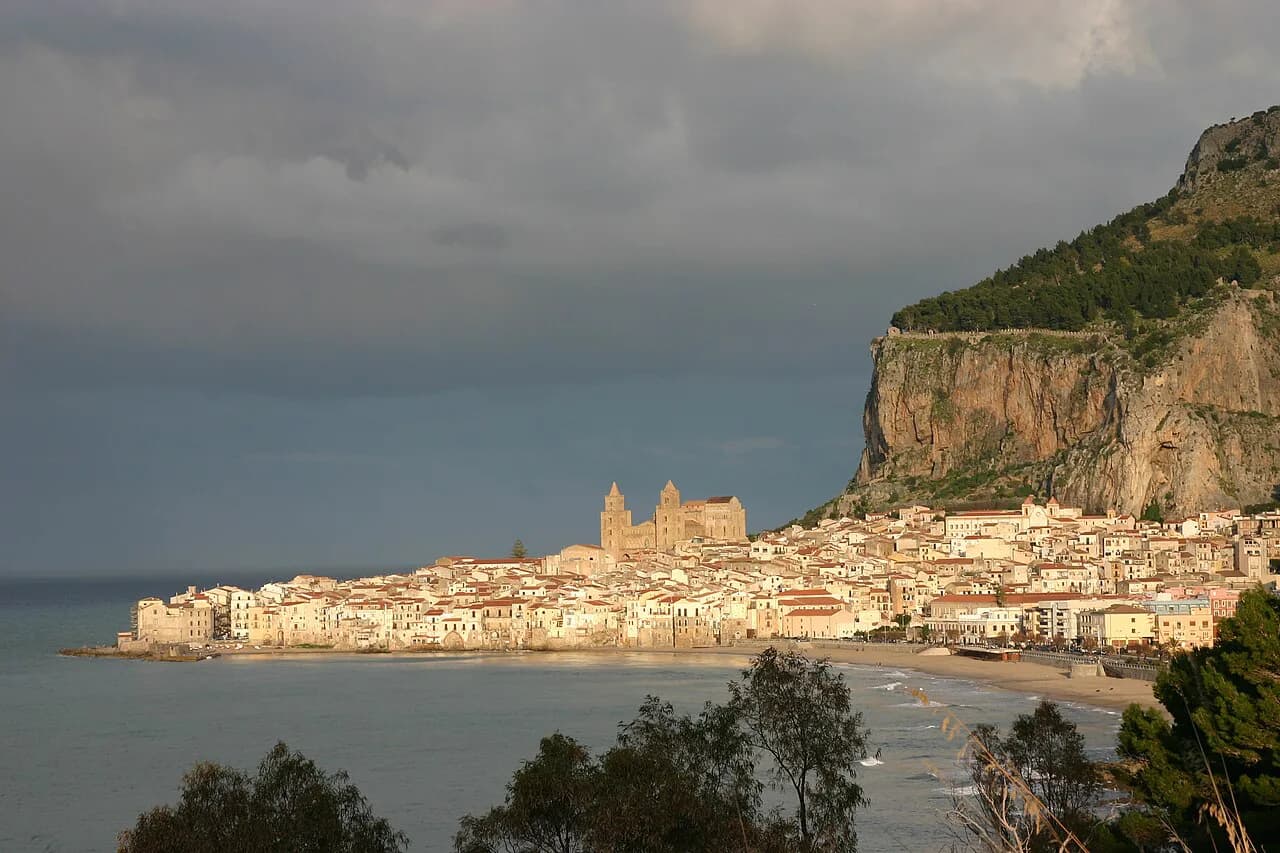
Cefalù is a small medieval fishing town under a headland, about an hour by road from Palermo, and its cooking leans on what comes off the boats and out of the Madonie hills behind it. That means fish and shellfish in most pasta, but also aubergine, salted ricotta and pistachio. Expect a compact historic centre where you can walk between any two of these restaurants in minutes.
What pasta in Cefalù tastes like
This is a Sicilian seafood town with its own register: pasta is often dressed lightly with fish, shellfish or anchovies rather than loaded with long-simmered meat ragù. The inland Sicilian staples still appear, particularly aubergine and salted ricotta, and pistachio from Bronte turns up in savoury sauces as well as sweets. If you are travelling with someone who does not eat fish, the vegetable plates carry the meal perfectly well.
Portions are generous and the pace is relaxed, so a shared first course and a second of grilled fish is a sensible pattern for two people. Prices are not published for these kitchens, so check the menu at the door or ask when you book rather than budgeting from guesswork. For the wider picture of where to eat in town, The Best Restaurants in Cefalù, Picked by What You Want to Eat covers the town's tables.
Pasta alla Norma: aubergine, tomato, ricotta salata and basil
Pasta alla Norma is the plate to order if you want the definitive Sicilian vegetable pasta: fried or roasted aubergine folded through tomato sauce, finished with grated ricotta salata, the firm salted sheep's cheese that gives the dish its savoury edge, and torn basil. The saltiness of the cheese is what stops the aubergine tasting flat, so a kitchen that skimps on it will produce a dull bowl. Ask for it wherever it appears on the menu; it is a fair test of how a kitchen handles simple things.
At Ragno d'Oro on the Lungomare Giuseppe Giardina, the same combination appears as Pizza alla Norma, which is the version to choose if you want the aubergine and ricotta flavours without the pasta. The restaurant's wood-fired oven turns out that pizza alongside a Pizza Ragno d'Oro, and the kitchen also cooks fish dishes including spaghetti ai ricci di mare, frittura mista and a tartare di Gambero rosso. It's covered in more detail among the Best Pizza in Cefalù, where the pizza side of the menu gets the attention it deserves.
Spaghetti con le acciughe and pistachio cream at Le Chat Noir
The plate to order at Le Chat Noir is spaghetti with anchovies and pistachio cream, a pairing that works because the cured anchovy gives salt and depth while the pistachio softens it into something almost sweet. The kitchen also serves a parmigiana di melanzane with ricotta salata, essentially the aubergine dish in layered form, which suits anyone who wants the Norma flavours without pasta. Le Chat Noir is family-run and sits in the old stone walls of a sixteenth-century palazzo a few steps from the duomo, with local fish and Slow Food Presidia products in the cooking; the pistachio is identified as Bronte DOP.
Because this is a small family kitchen rather than a large dining room, the cooking follows the market and the season rather than a fixed card of crowd-pleasers. That makes it the best single stop in town for a plate that tastes specifically of this corner of Sicily. It also makes booking sensible if you have a particular evening in mind.
Spaghetti ai ricci di mare: sea urchin pasta and when it appears
Spaghetti ai ricci di mare is pasta with sea urchin, a dish that lives or dies on the freshness of the roe and so depends on the catch rather than the calendar. In Cefalù it appears among the seafood plates at Ragno d'Oro on the lungomare, where it is listed alongside the frittura mista and the Gambero rosso tartare. Order it if you like a strong, saline, almost iodine flavour; skip it if you prefer milder fish.
The restaurant occupies one of the most appealing positions in town, directly facing the seafront with outdoor tables looking over the water, which makes it a good choice for an early evening meal. The kitchen advises booking, especially in high season when the room fills quickly. That applies across Cefalù in July and August, when the town is at its busiest and walk-ins become a gamble.
Osteria del Duomo: eating pasta on Piazza Duomo
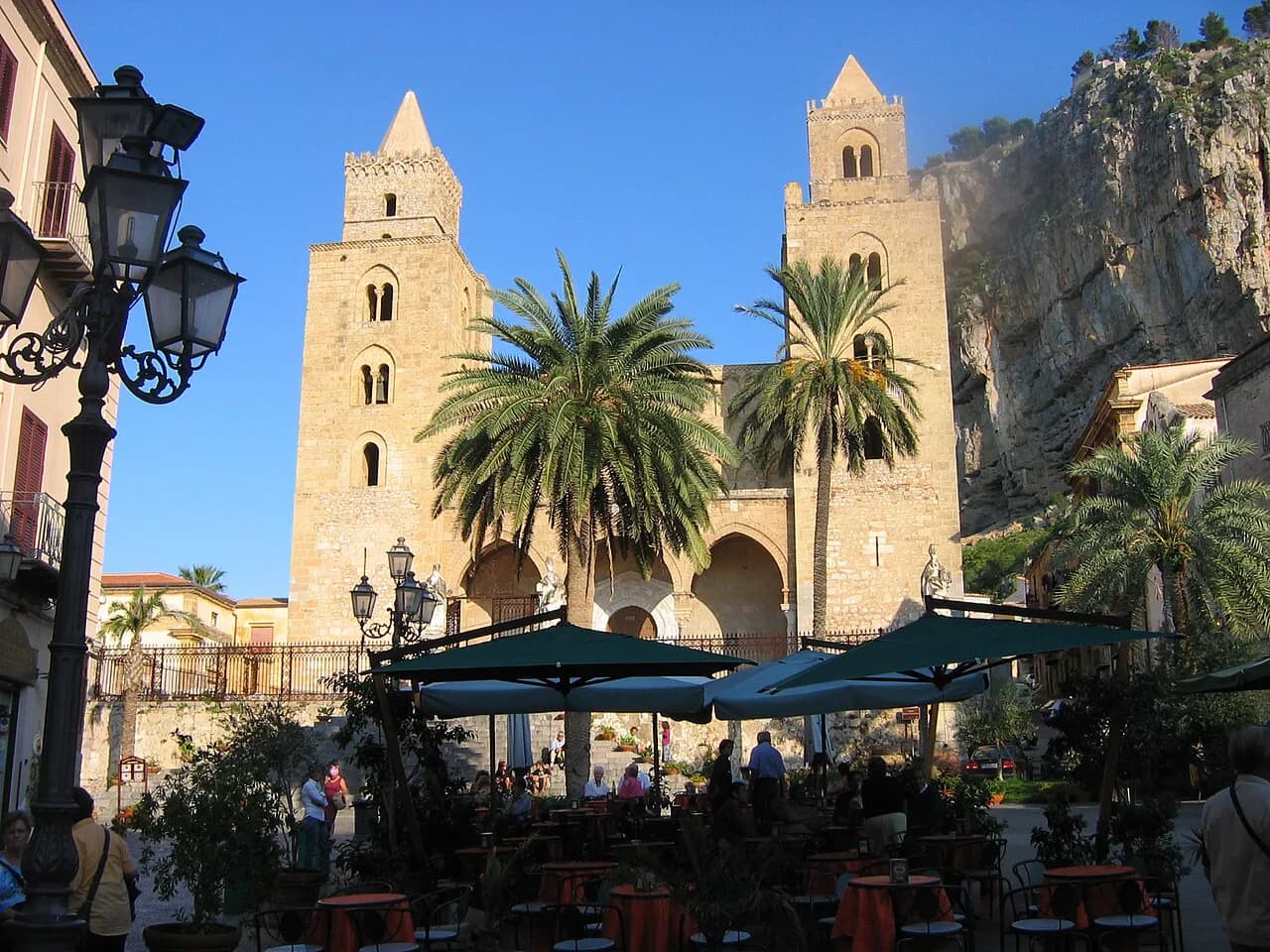
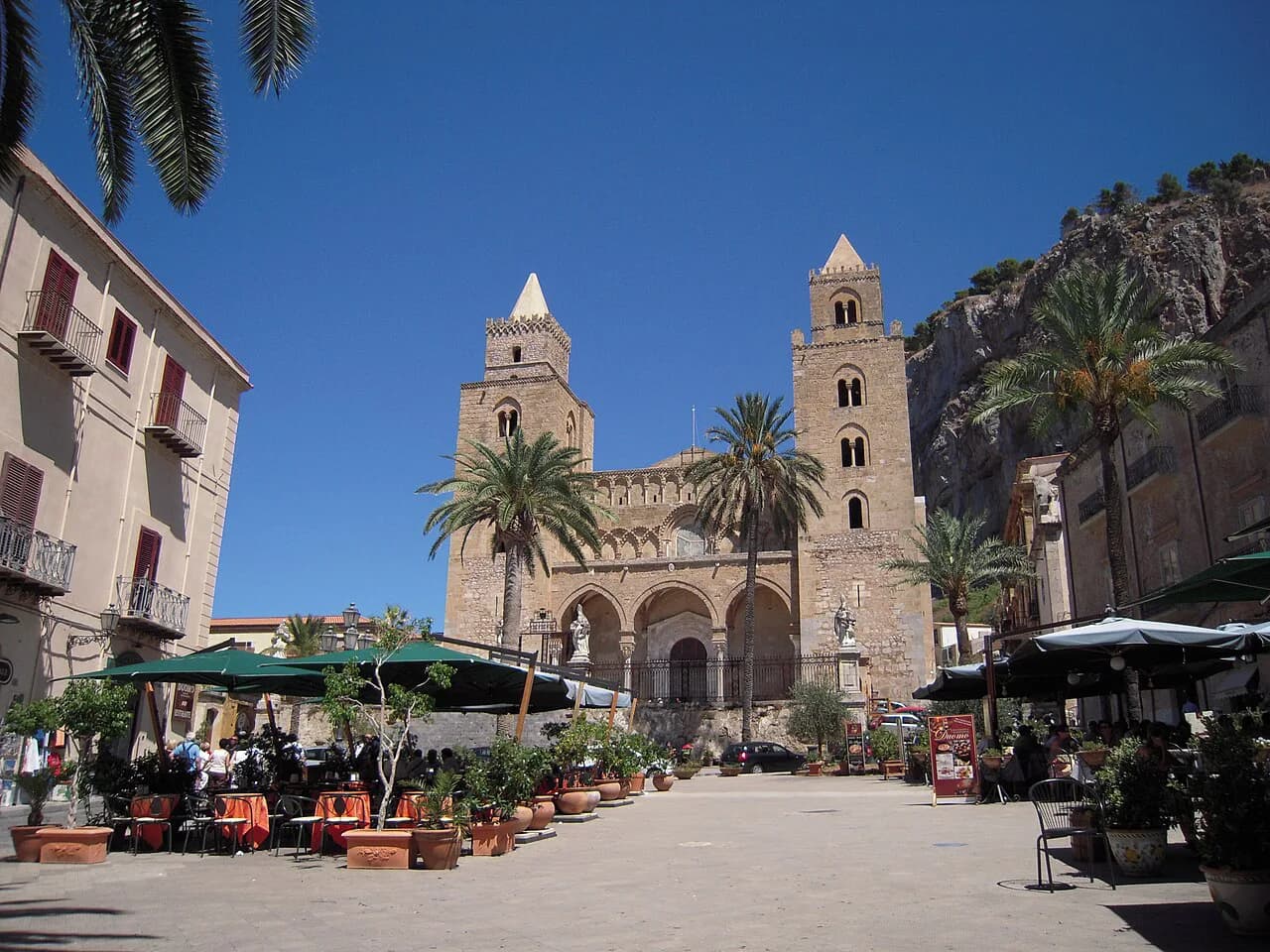
Osteria del Duomo has been on the square since 1979, according to the year in its name, and its tables give you the best seat in Cefalù for watching the town go past. The trade-off is obvious: you pay for the position in company rather than in cooking alone, and the square is heaving for much of the day. Go for the people-watching and a long lunch, and accept that the pleasure is partly the setting.
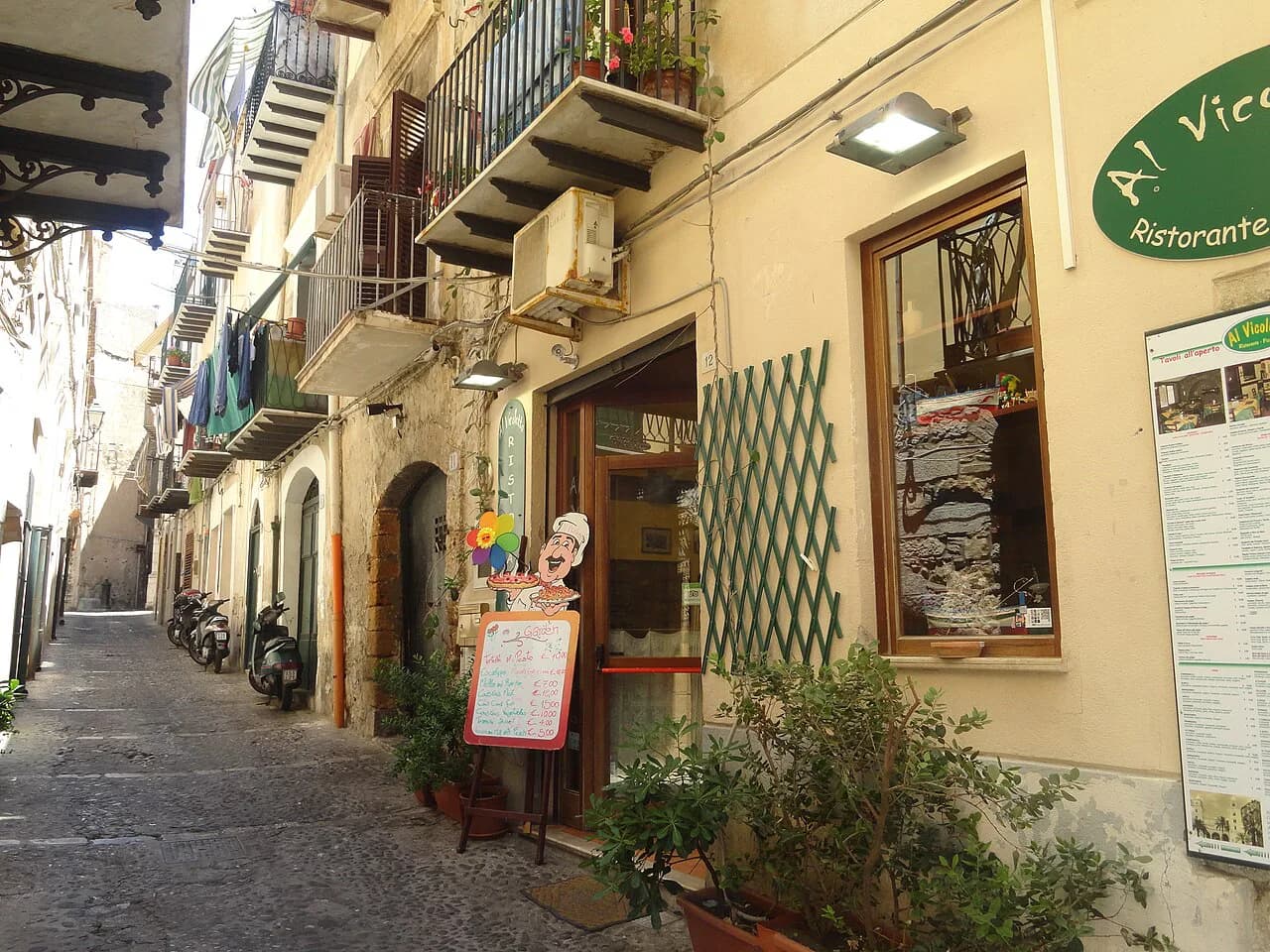
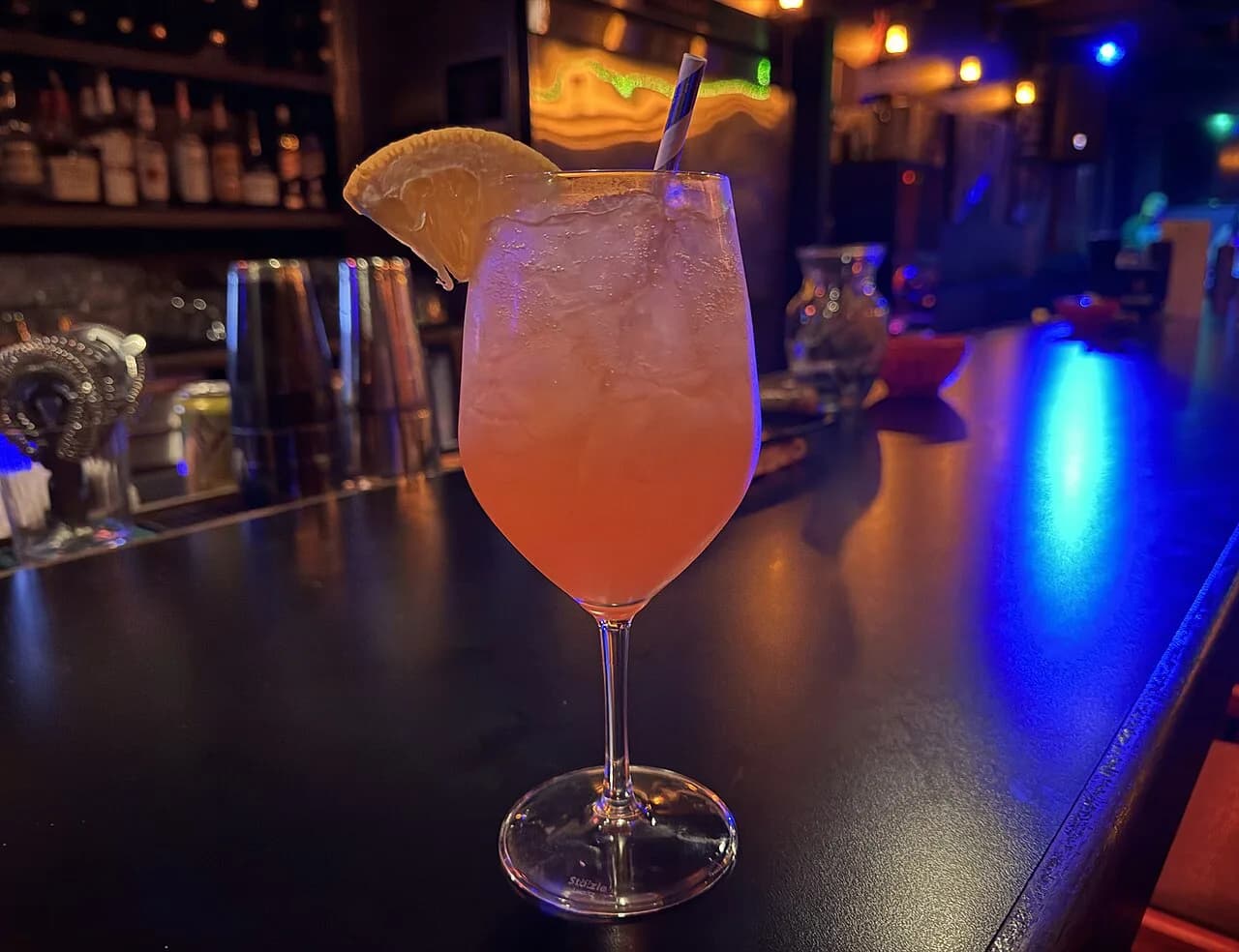
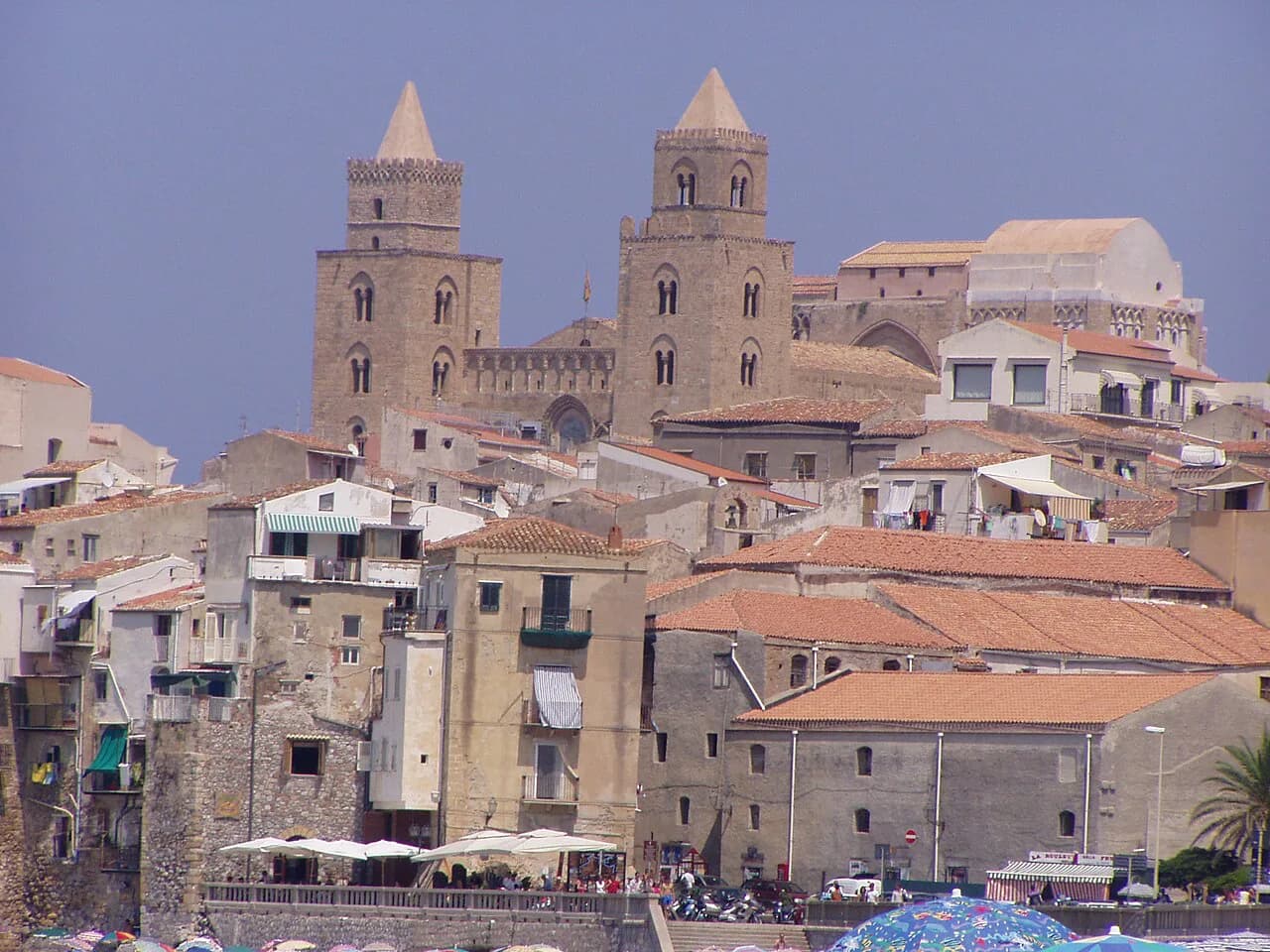
It suits a first meal in town, when you want to sit down, orient yourself and see the duomo's Norman facade and its two towers rising over the rooftops. If you would rather eat quietly, choose a kitchen a street or two off the square, such as Le Chat Noir near the duomo or Ristorante Triscele just outside the historic core. Elsewhere in town, aperitivo in Cefalù is the other ritual worth planning around, taken at a café or bar before the evening meal.
Ristorante Triscele: a Sicilian kitchen just outside the historic core
Ristorante Triscele is a classic Sicilian restaurant set just beyond the main core of the old town while remaining firmly central, which makes it a good compromise between convenience and calm. It is the kind of place to book for a dinner when you want a quieter table without leaving the centre, and it is well regarded for welcoming service and well-executed Sicilian cooking.
Pair it with a daytime look at the town itself. The duomo, begun under the Norman king Roger II in 1131 and inscribed on the UNESCO list in 2015, holds mosaics from 1148 including the Christ Pantocrator in the apse, among the finest in Sicily. Walking the cobbled lanes between the duomo and the seafront builds an appetite, and the ceramic and souvenir shops along the way are touristy but retain their charm.
What pasta costs in Cefalù and how coperto changes the bill
None of these restaurants publishes its pasta prices, so read the menu posted at the door before you sit down, or ask for the price when you book. What you can plan for is the coperto, the small per-person cover charge that appears on almost every Italian restaurant bill and covers bread, table linen and service. It is not a tip, so do not double it up unless the service deserves it. In practice, a pasta first course plus a shared second and house wine is the sensible way to keep the bill in check in a seaside town.
Cash still helps in smaller kitchens and in the market, though cards are widely accepted in the restaurants named here. If you are splitting a bill, say so before ordering rather than at the end, since Italian waiters will usually bring one bill to the table. For a cheap daytime meal, look to the town's street food in Cefalù rather than a sit-down pasta lunch.
Lunch versus dinner: when each kitchen is at its best
Lunch is the better slot for Osteria del Duomo, when the square is lively but you are not competing with the full evening crowd, and for any plate of sea urchin pasta, which depends on the day's catch. Dinner suits Le Chat Noir and Ristorante Triscele, where the cooking rewards a slower sitting and a booked table. Ragno d'Oro works at either end of the day, but the seafront tables are at their best as the light goes.
A practical pattern for a two-night stay: pasta on the square at lunch on the first day, then a seafood dinner near the duomo; on the second day, a walk up to the Rocca in the morning, which takes a little over an hour and needs water, then a long lunch by the water. Leave the evening free for whichever kitchen you could not get into the night before.
Booking, closing days and the August crush
Book ahead for dinner in July and August, and for any weekend in season, since Cefalù fills with Italian and foreign visitors at the same time. Ragno d'Oro specifically advises reserving in high season when the restaurant is busy, and the same logic applies to the smaller rooms near the duomo. Outside peak weeks, walk-ins are often fine earlier in the evening.
Weekly closing days vary from kitchen to kitchen and are not published for these restaurants, so confirm when you book rather than turning up. The same goes for any August holiday closure, which is common in Italy but not something to assume either way. A phone call or a message through the restaurant's own site settles it in a minute.
How to order and pay: coperto, cash and the till
Order pasta as a primo, the first course, and follow it with a second of fish or meat if you are hungry; portions are generous enough that one primo each plus a shared second is a full meal for two. Bread brought to the table is covered by the coperto, so you do not need to order it. Water is usually bottled and charged, and house wine by the carafe is the cheapest way to drink.
When the bill comes, check the coperto line and pay at the table or at the till as the staff direct. Tipping is not expected in the way it is in the UK or US; rounding up or leaving a few euros for good service is plenty. Keep some cash for smaller places and for the morning pasticceria run, where a card minimum can catch you out.
Which pasta in Cefalù should you order first?
Start with the spaghetti con le acciughe and pistachio cream at Le Chat Noir, because it is the plate that tastes most specifically of this town and its hinterland. Follow it, on another day, with pasta alla Norma for the aubergine and ricotta salata, and with sea urchin pasta at Ragno d'Oro if the catch is in.
Then choose your table by mood: the square at Osteria del Duomo for people-watching, Le Chat Noir for a family kitchen near the duomo, Ristorante Triscele for a quieter central dinner, and Ragno d'Oro for the seafront. Book in high season and confirm closing days when you do.
Explore more Cefalù food guides
Sources
Notes for your next meal in Italy
Optional updates to our food guides.
You might also like
Continue reading
More guides you'll find useful