Best Gelato in San Gimignano: What to Order and Where
Gelateria Dondoli in Piazza della Cisterna is the San Gimignano gelateria to know, with saffron cream and Vernaccia flavours. Here is what to order.
On this page
The best gelato in San Gimignano is at Gelateria Dondoli on Piazza della Cisterna, the shop run by Sergio Dondoli and known for flavours built on local ingredients such as San Gimignano saffron and Vernaccia wine. Its signature scoops are the reason to join the queue rather than pick the first bright display you pass. This guide covers what to order there, how the counter works and how to judge any gelateria in town.
Best gelato in San Gimignano: the short answer
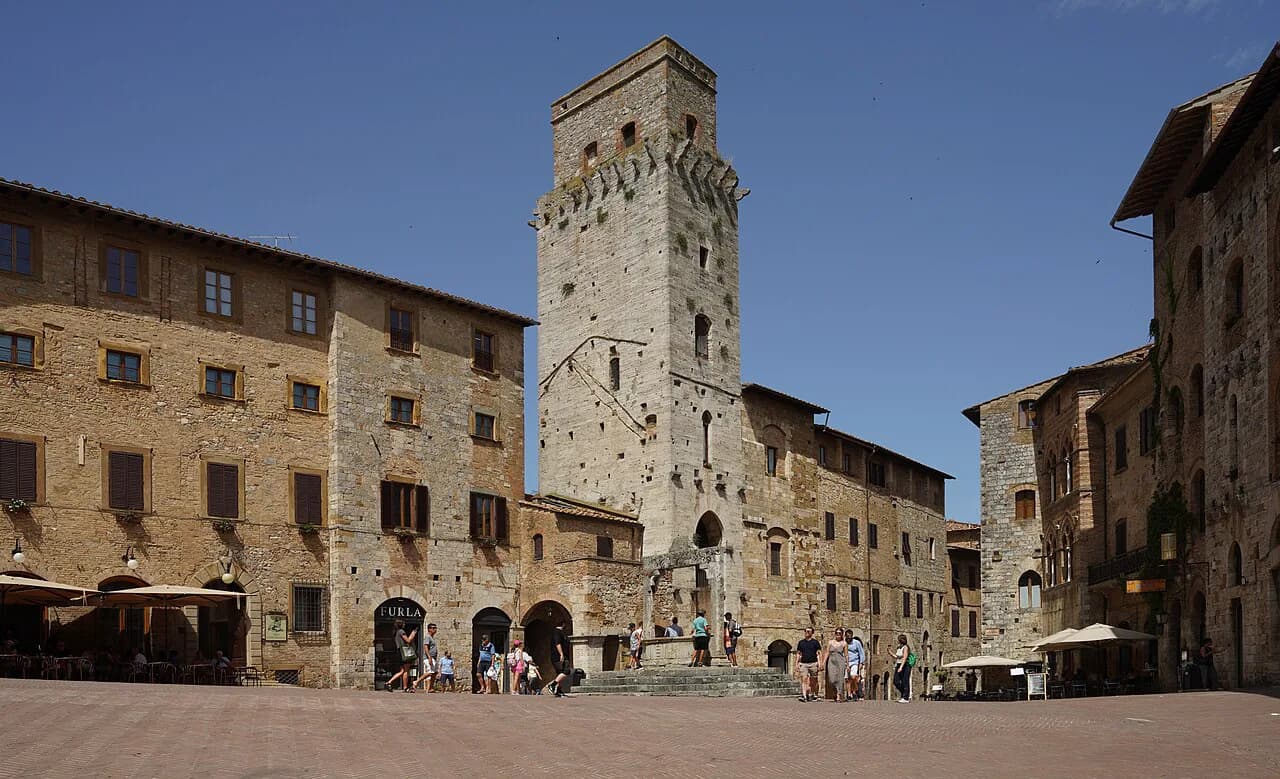
Go to Gelateria Dondoli at Piazza della Cisterna 4, in the square at the heart of the old town. The shop describes itself as an artisan gelateria working in the shadow of the towers, making its gelato fresh each day from selected ingredients with an eye on seasonality and the surrounding territory. If you are sorting out a full eating day around it, our guide to the best restaurants in San Gimignano covers the meals on either side.
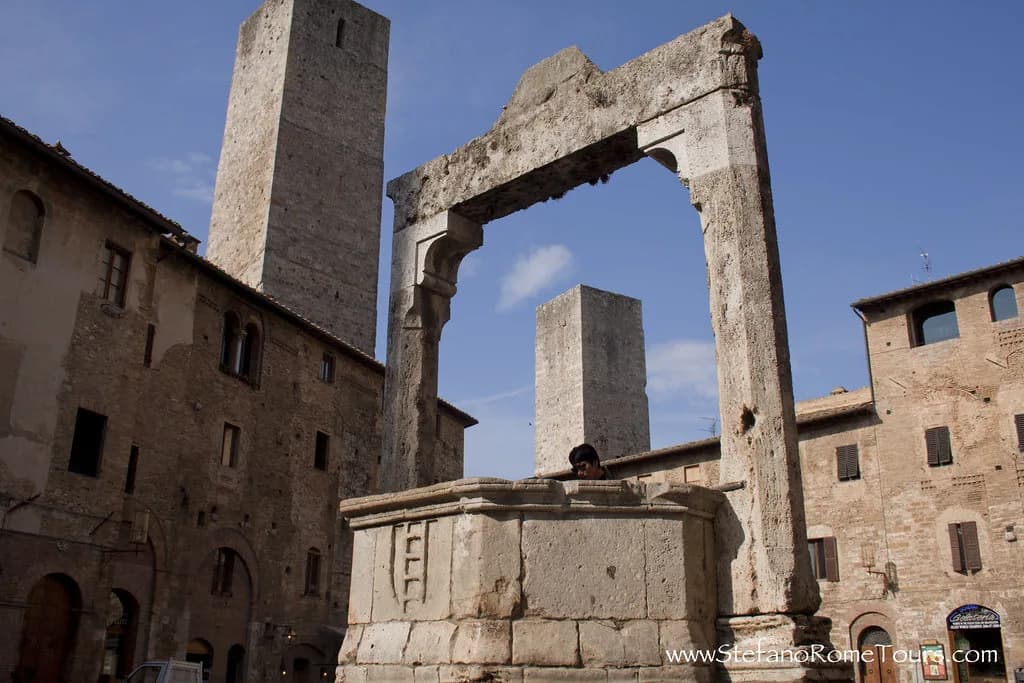
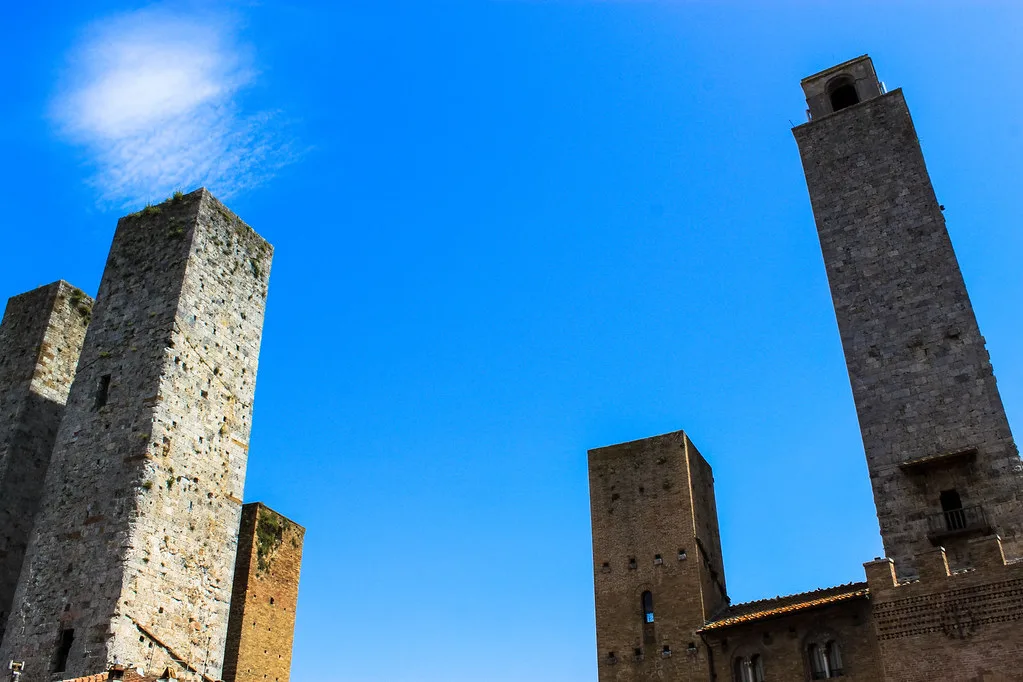
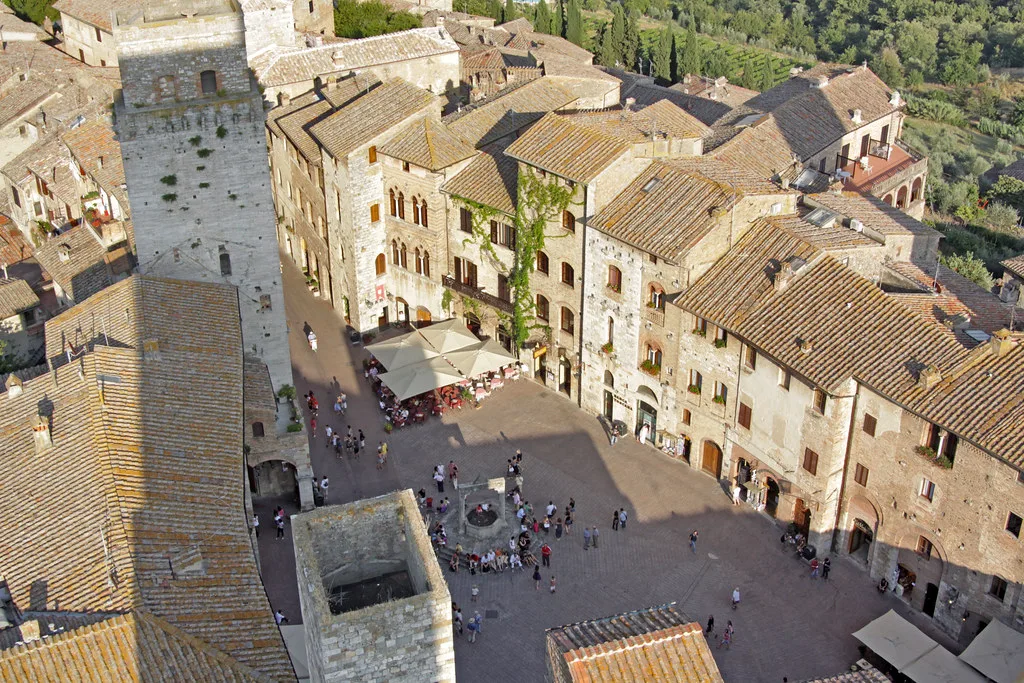
The shop has a second address listed in Poggibonsi and a counter in Paris, but the San Gimignano one is the original stop for a day in the town. It sits right on the square where the towers frame the view, so it doubles as a natural pause between the morning and the afternoon. There is a dedicated page on the gelateria Dondoli if you want the full picture of the place before you go.
Gelateria Dondoli in Piazza della Cisterna: what it is
Dondoli is a family business with Sergio Dondoli at the freezer, and he has worked in artisan gelato for more than thirty years according to the shop's own account. He describes his method as classical in technique but free in thinking: no special effects, just consistent flavour built on careful ingredients. The shop has also been listed among Tuscany's best artisan gelaterie, and its creams were noted for their craft in a Gambero Rosso round-up.
The shop has also won the Coppa del Mondo del gelato, the gelato world cup, as reported in a Gambero Rosso guide round-up. Treat that as history rather than a current ranking: it tells you the kitchen has competed at a high level, not where it stands on any list today. The practical reason to go remains the flavours themselves.
The flavours to order at Dondoli, including Crema di Santa Fina and Rosemary Baby
Start with Crema di Santa Fina, a cream gelato made with zafferano di San Gimignano DOP, the saffron grown in the fields around town, and pine nuts. The saffron gives it a savoury, almost floral depth that a plain vanilla cannot match, and the pine nuts add texture. It is the flavour that most directly ties the cup to the landscape outside the walls.
Then try Rosemary Baby, a raspberry and rosemary gelato whose name is a pun on the film. Rosemary is the scent of the Tuscan countryside, and in a gelato it works as a herbal edge against the sharpness of the raspberry. These are the kind of flavours that reward ordering a small cup with two scoops rather than a large one with four.
Dondoli's own site lists Vernaccia among the specialty ingredients it builds flavours around, alongside saffron and aromatic herbs. If you want to understand that wine properly before or after your gelato, the guide to aperitivo in San Gimignano explains where a glass of Vernaccia di San Gimignano fits into the day. For the full range of chocolate, fruit, cream, milk and specialty gelati, check the shop's own menu.
Why Dondoli's milk and fruit choices shape the taste
The milk gelati use biodynamic milk from a local supply chain, sourced from ten cows the shop says it has adopted, and the milk is worked fresh to keep its natural structure. In the milk-based flavours, milk is the backbone of the recipe, so its quality shows up directly in the texture and the finish. Fruit gelati are made from selected fruit, water and sugar, with no artificial flavourings or added colour, and the fruit is worked when it is ripe rather than before.
That approach explains why the fruit flavours taste of the fruit rather than of sugar, and why the range shifts with the seasons. If you visit in autumn, expect different fruit scoops from those on offer in July, and a missing flavour is simply out of season. It is worth checking current dates and opening hours before you travel, since the seasonality on the board is the guide, not a fixed list you can memorise in advance.
If you are in town to cook as well as eat, the selection of cooking classes in San Gimignano covers kitchens where local ingredients are the starting point. It is a different way into the same larder the gelateria draws on.
How to order at the counter: choose your size and flavours, then pay
At Dondoli you can use the shop's own app to pick your format and flavours in advance, then show your choice at the counter while the staff assemble it. Without the app, the routine is the usual Italian one: tell the server the size you want, then point to the flavours in the display case. Ask for a cono if you want a cone or a coppetta for a cup, and say gusto when you name each flavour.
In many Italian gelaterie you pay at the till first and hand the receipt to the person serving, but the order of steps varies by shop, so watch what the people ahead of you do. Carry some cash for small purchases, because a two-scoop cup is a small transaction. If you are eating a proper meal later, our lunch in San Gimignano guide names Osteria del Carcere among the options near the centre.
How to tell authentic gelato from the display: colour and seasonality
Judge a gelateria by two things in the window: colour and seasonality. Real pistachio gelato is a muted, slightly greyish green rather than a neon shade, and a banana scoop should look beige, not yellow, because bright colours usually signal added colouring. If the display is piled into towering mounds, that is another warning sign, since artisan gelato is churned in smaller batches and kept flatter.
Seasonality is the second test: a gelateria showing fresh fig or chestnut in winter, or strawberry in January, is working from frozen pulp rather than the market. Ask yourself whether the fruit on the board could plausibly have been picked nearby that week. In San Gimignano, Dondoli's saffron and Vernaccia scoops draw on products tied to the territory around the town.
Granita and fruit sorbetti when it is hot
Dondoli's range includes granita, the Sicilian-style crushed ice dessert made with sugar and flavouring, which is the lighter choice on a hot afternoon. Fruit sorbetti, made without milk, are another option when you want something sharp rather than creamy, and the shop's fruit line is built on fruit, water and sugar alone. Both suit a day when you have already eaten a full lunch and want something cold rather than rich.
If you want a sit-down plate of pasta before your gelato, the best pasta in San Gimignano guide covers the town's trattorias and osterie, with Osteria del Carcere among the names. Ordering a light first course leaves room for a cup afterwards.
Gelato terms in plain English: gelateria, gusto, cono, coppetta, granita
A gelateria is an ice cream shop, and gusto means flavour, the word you use when you point at the case. Cono is a cone and coppetta is a cup, so those are the two formats to choose between. Granita is a semi-frozen crushed ice dessert, closer to a slush than to gelato, and it is usually eaten with a spoon or a straw.
Other words worth knowing: artisan gelato is gelato artigianale, made in the shop rather than in a factory, and a sorbetto is a dairy-free fruit ice. If you want coffee afterwards, the café guide to San Gimignano covers the cafés around Piazza della Cisterna, and the pastry shops in San Gimignano guide points you to Forno Boboli for something baked.
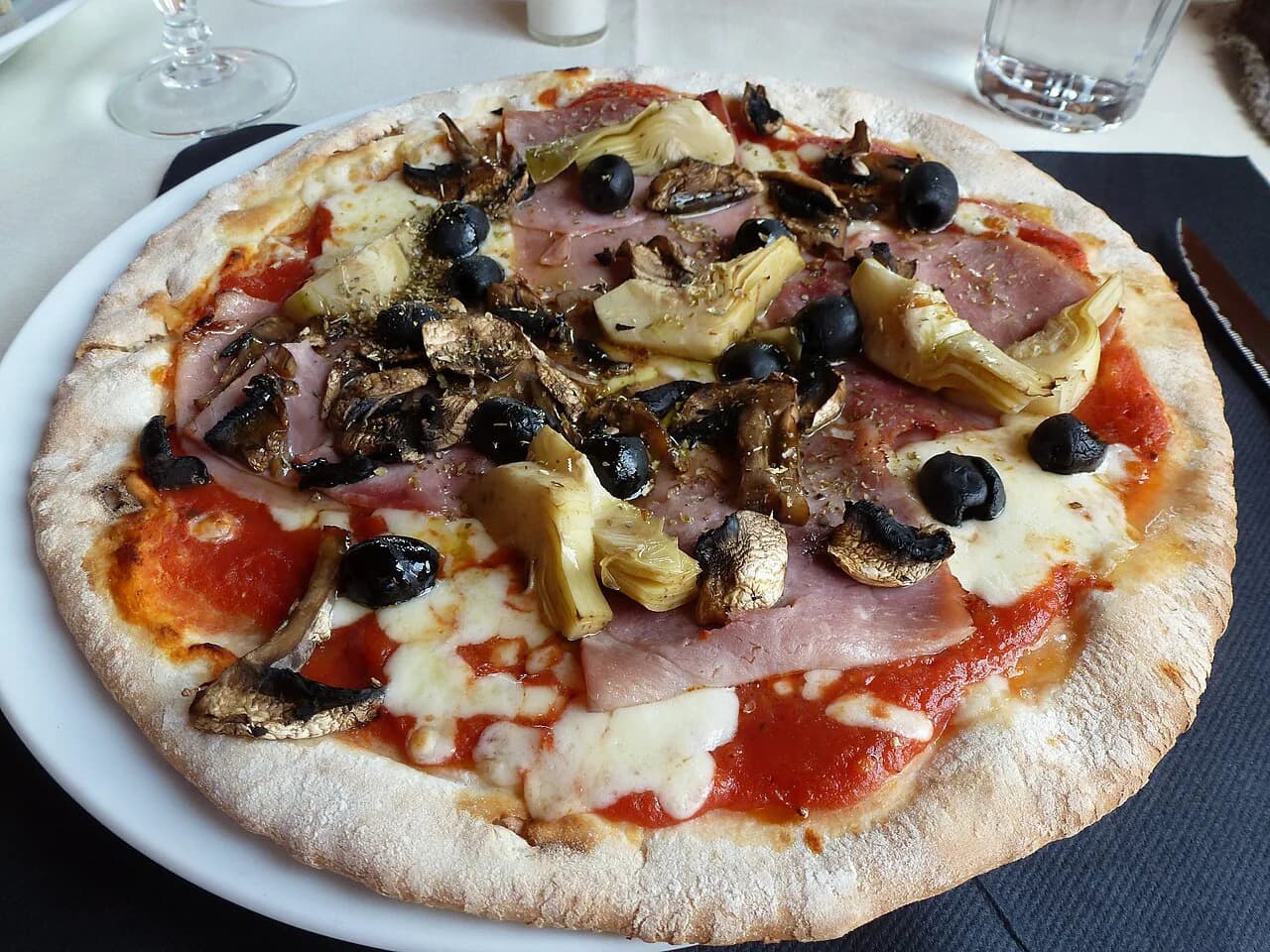
For a savoury stop between gelati, the best pizza in San Gimignano guide lists Forno Boboli among the places to try. It is a practical way to split a day between sweet and savoury without leaving the centre.
Is Dondoli worth the queue?
Yes, if you want the gelato that made San Gimignano famous for it. The saffron cream and the rosemary-raspberry scoop are the two to order first, and the shop's own app lets you decide your flavours before you reach the counter. Go earlier in the day if you want a shorter wait and a fuller display.
If the queue is long, use the colour and seasonality test on any other display in town and pick the flattest, most muted case you can find. Either way, eat your gelato on the square rather than walking off with it, because Piazza della Cisterna is the setting that makes the stop worth it.
Sources
Notes for your next meal in Italy
Optional updates to our food guides.
You might also like
Continue reading
More guides you'll find useful