Best Pasta in San Gimignano: Where to Eat and What to Order
Where to eat the best pasta in San Gimignano, from fettunta and ribollita to pici, plus the Tuscan shapes to order and how a hill-town lunch works.
On this page
The best pasta in San Gimignano is Tuscan home cooking rather than a single signature dish: fettunta, ribollita and fresh tagliatelle or ravioli, eaten slowly at lunch. Osteria del Carcere in the heart of town covers that ground in one menu, while Fattoria Poggio Alloro a short drive into the Chianti hills turns the same cooking into a long countryside lunch.
This guide names the kitchens worth planning a meal around, glosses the dishes they serve and explains which shapes to look for on a Tuscan menu. It also covers the one hands-on pasta session inside the walls, how lunch and dinner differ in a hill town, and where to finish with something sweet.
Where to eat pasta in San Gimignano: the short answer
For a sit-down pasta lunch in the centre, Osteria del Carcere is the most complete choice: a Tuscan menu that runs from fettunta and ribollita through salumi and formaggi to pasta and roasts. It suits anyone who wants several courses and a proper table rather than a quick plate. For the wider field of restaurants, including places with a view, the best restaurants in San Gimignano guide sorts the options by what kind of meal you want.
If you have a car and can give the meal two hours, Fattoria Poggio Alloro outside the walls is the countryside answer, with a farm kitchen and a Sunday lunch that does not need to end quickly. The trade-off is simple: the centre is walkable and immediate, the countryside is better food for a slower day.
There is also the option of making the pasta yourself. B&B Il Fienile runs an afternoon fresh pasta session in its garden facing the towers, where you shape two varieties from scratch.
Osteria del Carcere: the Tuscan menu in the heart of town
Osteria del Carcere sits in the middle of the historic centre and does what a good Tuscan osteria should: a menu built on the region rather than on tourist shorthand. Start with fettunta, grilled bread rubbed with garlic and dressed with olive oil, or the terrina di cinghiale, a coarse wild-boar pâté, before moving on to pasta.
The soup to order is ribollita, a thick bread and vegetable soup that is a meal in itself and a sensible first course before a smaller pasta portion. Salumi and formaggi appear as a shared board, and arista, Tuscan roast pork, covers the second course if you are staying for the full run of the menu.
Because the kitchen works through several courses, this is a lunch to book a table for rather than turn up to at peak time, and it is the natural anchor for a day built around eating. The best restaurants guide covers how it compares with the other tables in town.
What Tuscan pasta to order in San Gimignano — and the lessons that teach it
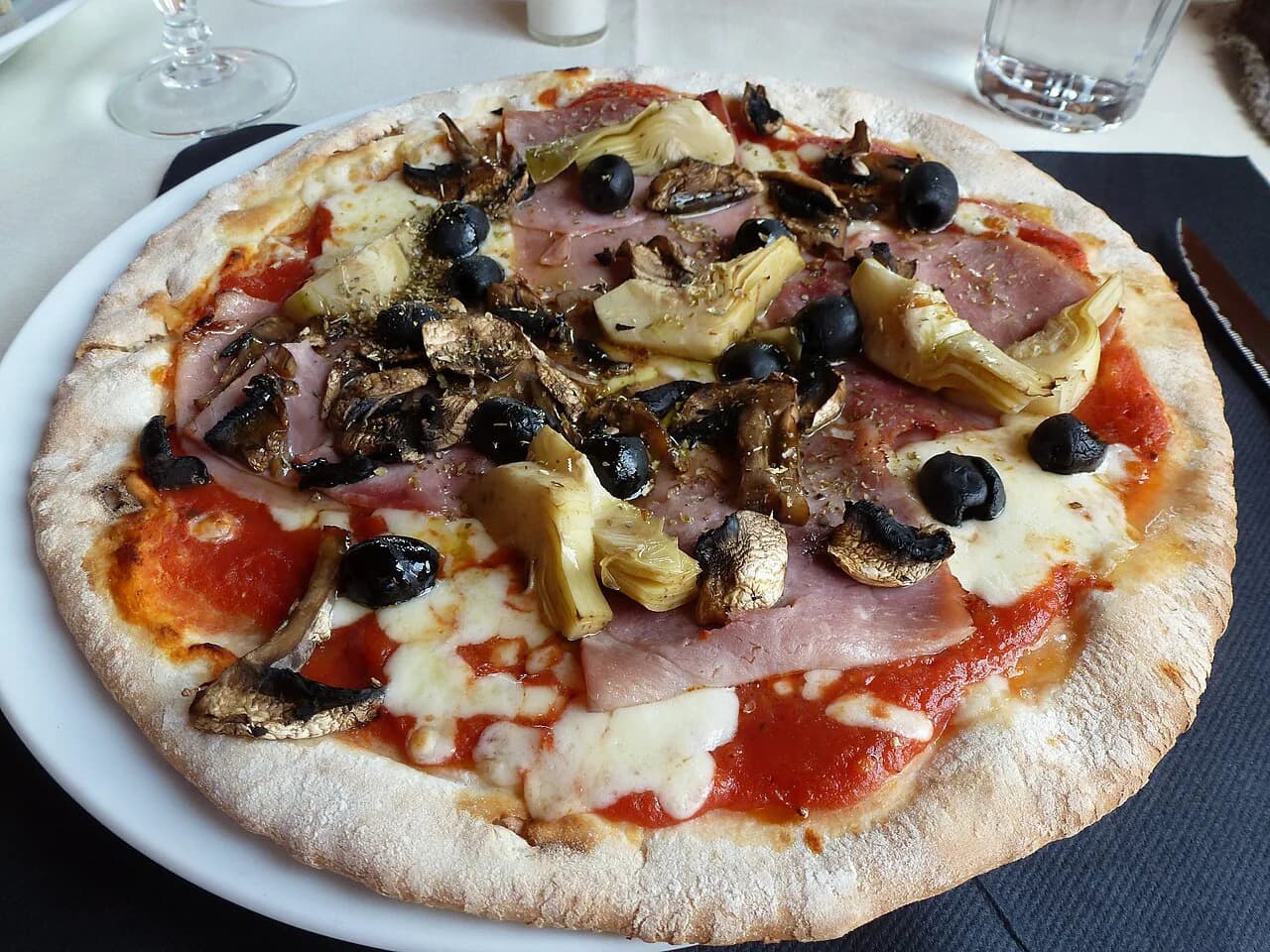
Pici is the shape to know first: thick, hand-rolled spaghetti made from flour and water without egg, which holds a heavy sauce well. Look for it with a meat ragù (slow-cooked meat sauce) or a simple tomato sauce, and expect a chewier bite than dried spaghetti. Tagliatelle and ravioli are the egg-pasta side of the menu, usually dressed lightly so the pasta itself still tastes of something.
One of the pasta lessons advertised from San Gimignano shows the fresh-pasta range: it teaches two or three shapes such as ravioli, tagliatelle, pici or gnocchi with matching sauces, at 120 € per person for a three-hour class in a villa near Barberino Tavarnelle, roughly 20 minutes by car from town. That is San Gimignano Experience's listed rate and a full meal rather than a demonstration, since you eat what you make with antipasti, a glass of Chianti, dessert and coffee.
If you would rather cook than be cooked for, the cooking classes in San Gimignano page sets out the options by format, length and what is included.
Pasta in the countryside: Fattoria Poggio Alloro
Fattoria Poggio Alloro is a working organic farm with a kitchen and cellar outside the historic centre, less than ten minutes by car from the walls in the Chianti hills. The cooking is traditional Tuscan and the ingredients come almost entirely from the property, which is the reason to make the trip rather than eat in town.
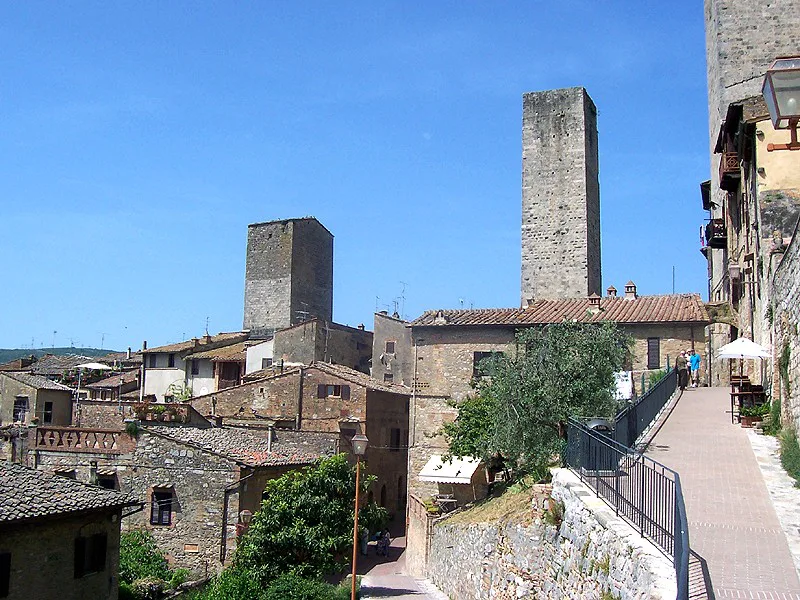
In summer the tables move outside, so lunch comes with the fields, the vines and the towers on the skyline. Go on a Sunday for lunch or on a day when the clock does not matter, because this is the meal that stretches.
The trade-off against the centre is transport: without a car you are dependent on a taxi or a lift, and the return trip needs planning before the second course.
Pasta as a hands-on hour: B&B Il Fienile
B&B Il Fienile runs a short fresh pasta experience in its garden, with the towers of San Gimignano as the backdrop and olive groves and vines around it. You learn the old technique of pulling fresh pasta by hand and make two distinct varieties from scratch, shaped on family recipes: tagliatelle, ravioli and tortiglioni.
The format is deliberately small: sessions run in the afternoon only, either 17:00–18:00 or 18:00–19:00, for about one hour, and the organisers state plainly that it is not a dinner. It ends with an aperitivo of a glass of local red or white wine with regional salumi, and the pasta you made is tasted in its plainest form.
Book it as a late-afternoon activity and keep dinner flexible, and flag any allergies or dietary restrictions when you reserve so the kitchen can adjust. If you want the full aperitivo picture in town, the aperitivo in San Gimignano guide covers where to go afterwards.
Lunch or dinner: when to eat pasta in a hill town
Lunch is the better slot in San Gimignano. The town fills with day visitors by mid-morning, the light on the towers is best around midday, and a long pasta lunch leaves the late afternoon free while kitchens are quieter than at dinner.
Sunday lunch in the countryside is the other fixed point in the week, and it is when the farm kitchens are at their best. Reserve ahead for Sunday and for any table in the centre during high season, and eat dinner lighter if you have done a full lunch. The lunch in San Gimignano guide sets out the midday options in more detail.
Where to finish: gelato and pastry
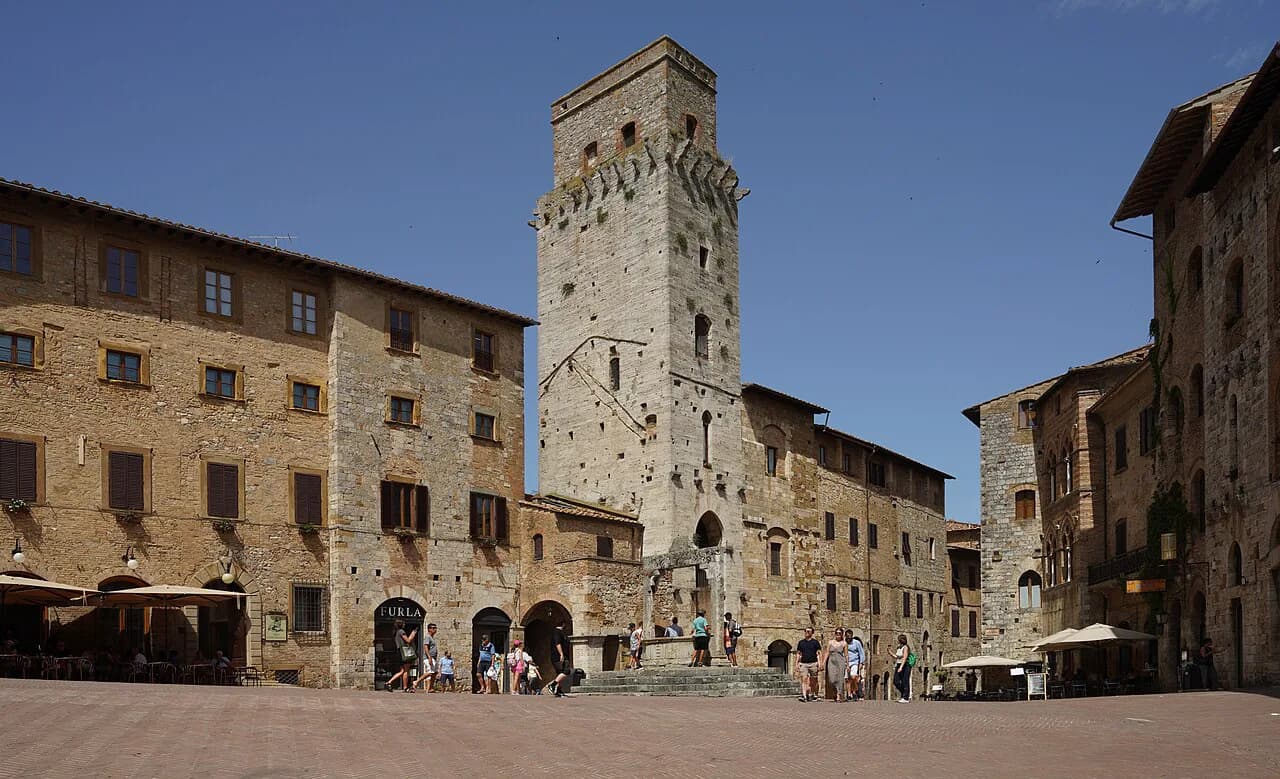
Gelateria Dondoli on Piazza della Cisterna is the sweet stop most people have heard of before they arrive, and the queues reflect it. The gelato uses selected local ingredients, including San Gimignano saffron and Vernaccia, the white wine of the surrounding hills, and the saffron and pine-nut cream is the flavour to try first.
Sergio Dondoli's shop is a fixed point of the town's food reputation, and the best gelato guide compares it with the other gelaterie if you want a second opinion on the same afternoon.
For something to carry away, Pasticceria Armando e Marcella covers breakfast, the mid-afternoon break and the journey home with leavened cakes, shortcrust pastries and spoon desserts. The house specialities are ricciarelli, almond biscuits, occhi di bue, jam-filled shortbread rounds, and pinolini, small biscuits covered in pine nuts.
The pastry shops in San Gimignano guide maps the rest of the sweet side of town if you are staying more than a day.
Coperto, the bill and paying in a San Gimignano trattoria
In a San Gimignano trattoria, expect a coperto, a small per-person charge for bread and service, to appear on the bill rather than in the menu price. It is normal and not a mistake, and it is the reason a printed price is not quite what you pay.
Order at the table and expect the bill to arrive when you ask for it; splitting a bill across cards is usually fine, but carry some cash for small places and for anything bought at a counter. If you eat standing at a bar for coffee earlier in the day, pay at the till first.
Which San Gimignano pasta meal is worth your slot?
Book Osteria del Carcere for the in-town Tuscan menu with fettunta, ribollita and a shared board of salumi and formaggi, and take the short drive to Fattoria Poggio Alloro when Sunday lunch and the view matter more than convenience. Choose the B&B Il Fienile session if you would rather make tagliatelle and ravioli in a garden than sit through another restaurant meal.
Whichever you pick, hold the main meal to lunch, finish with saffron gelato at Dondoli or a bag of ricciarelli from Armando e Marcella, and leave the evening light. Confirm current session times and table availability directly with the venue when you book.
Explore more San Gimignano food guides
Frequently Asked Questions
What food is San Gimignano known for?
San Gimignano is known for simple, direct Tuscan cooking built on fresh pasta, meat and cheese, served in trattorie, osterie and restaurants across the historic centre. The dishes to look for include fettunta, ribollita, salumi and formaggi boards, arista and hand-made pasta, with gelato made using local saffron and Vernaccia as the sweet finish.
What pasta is famous in Tuscany?
Pici is the Tuscan shape most worth knowing: thick hand-rolled spaghetti made from flour and water without egg, which takes a ragù or a plain tomato sauce well. Tagliatelle and ravioli are the egg-pasta staples, and fresh pasta classes near San Gimignano teach both alongside shapes such as pici, gnocchi or tortiglioni.
Do I need to book a table for lunch in San Gimignano?
Yes for sit-down lunches in the centre during high season and for Sunday lunch in the countryside, where the farm kitchens fill with local families. A short pasta stop at a bar or a slice from a bakery does not need a reservation.
Sources
Notes for your next meal in Italy
Optional updates to our food guides.
You might also like
Continue reading
More guides you'll find useful