Cooking Classes in San Gimignano: Which One to Pick
Cooking classes in San Gimignano range from a three-hour pizza workshop to a four-hour pasta class in the countryside. Here is what each one teaches.
On this page
Cooking classes in San Gimignano split into two clear choices: a pizza workshop of about three hours where you stretch, top and bake your own dough, or a pasta class of roughly four hours in the countryside making long and filled shapes with sauces that follow the season. Both are hands-on, both end with you eating what you made, and neither asks for prior experience. What follows compares what each class actually teaches, how big the groups are, what comes with the price and how the day fits around lunch and dinner.
What a cooking class in San Gimignano typically involves
The format is consistent across the classes here: you arrive, you make something with your hands, you sit down and eat it with wine. Nobody demonstrates while you watch from a chair. The pizza class is built around dough and an oven, the pasta class around flour, eggs and a rolling pin or pasta machine, which means the skills you take home differ depending on which you pick. Expect to spend more time working than listening, and expect the eating to be part of the class rather than an optional extra.
Ingredients are treated as the point of the exercise rather than a backdrop. The pasta class describes using the best local produce, including vegetables from its own kitchen garden, and both classes offer wine with the meal. If your idea of a good holiday afternoon is sitting still with a glass rather than standing at a bench, an aperitivo or a long lunch in town will suit better; plan the rest of your day with our guide to lunch in San Gimignano.
Pizza class with a chef who has worked in Michelin-starred kitchens
This pizza workshop runs for three hours at DOC San Gimignano on Via Baccanella, just outside the historic centre, and caps the group at 15 people. The chef's background, as the organiser describes it, includes 20 years in Michelin-starred kitchens such as Arnolfo in Colle Val d'Elsa and Acquolina in Rome. Classes are offered in Italian and English, and the price is listed as 130 € per person with a minimum of two participants, paid on the day by Visa or Mastercard, debit card or cash after booking online.
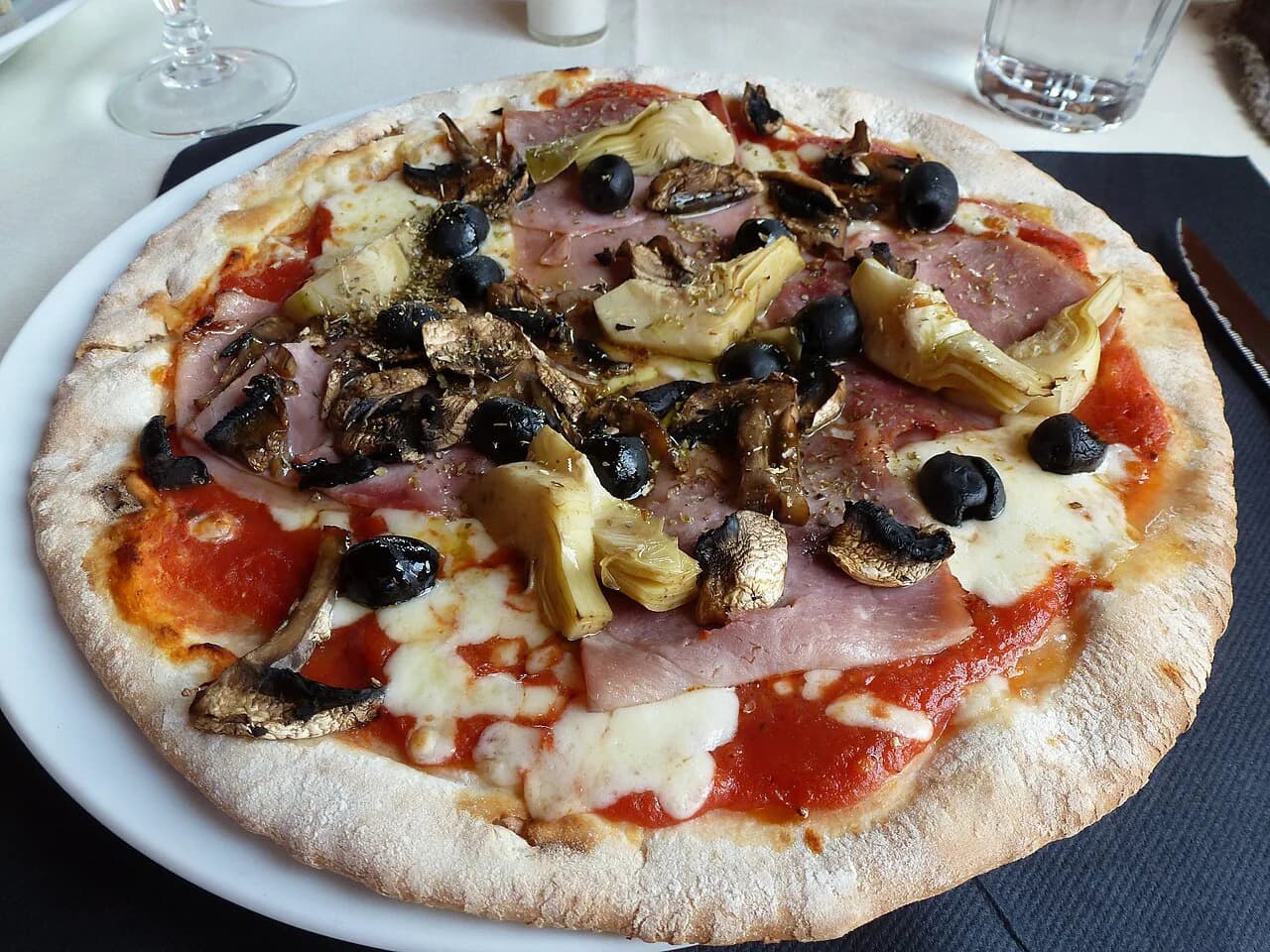
The teaching is built around fermentation, which is the detail worth understanding. You make the dough by hand and it ferments for 24 hours, so the dough you shape is not the dough you mixed that morning; you learn how it is divided and rolled into balls, then stretched and topped. Toppings run from classic to modern, including a sweet pizza, and you finish by baking your own. A Spritz arrives as a welcome aperitivo, and the pizzas you make are served with local wines chosen by Silvia.
Everything you need to cook is supplied, you eat what you baked, and the recipes go home with you. The welcome drink is a Spritz, the Veneto's aperitivo of prosecco, bitter liqueur and soda, which is a pleasant way to start but not the point of the class. If you would rather compare the town's own pizzerias and bakeries after the class, see our pick of the best pizza in San Gimignano.
Homemade pasta class at Montese Cooking Experience
The pasta class is the longer of the two, running about four hours at Montese Cooking Experience in Loc. Lucignano, 40, outside San Gimignano and taught in Italian and English. It is pitched at beginners working with Tuscan tradition for the first time, with dishes kept simple and genuine, and the group is capped at 12. The listed price is 132 € per person for a minimum of one, with a reduced-rate option for children aged 6 to 12, which makes it the more flexible choice for a couple or a family group that does not want to split up.
You spend the session on two families of pasta. The first is pasta lunga, long shapes such as fettuccine, tagliatelle, tagliolini, pappardelle and spaghetti, made from one dough you learn to mix and roll. The second is pasta ripiena, filled shapes including ravioli, tortellini, triangoli, mezzelune and fagottini. Because the dough is the same base, you leave understanding how one batch becomes several different dishes, which is more useful than memorising a single recipe.
Sauces are cooked to go with the pasta and depend on the season the class runs, so the dish changes through the year rather than being fixed to one menu. The session also covers a dessert and bruschetta as an antipasto, meaning toasted bread with a topping, so you are making a small spread rather than one plate. Water and local wine come with the meal, and the recipes are sent to you after the lesson. Filled pasta is also where the town's own kitchens earn their keep, and our guide to the best pasta in San Gimignano covers where to eat it once you are back in the centre.
The cooking school at Tenuta Torciano
Tenuta Torciano runs a cooking school alongside its estate visits and tastings, with separate pasta sessions and Tuscan recipe sessions, so the class can be booked as part of a wider visit to the property rather than as a standalone hour in a town kitchen. The estate publishes its class offering and its visit programme on the same site, which makes it the simplest option if you want cooking and a look round a wine estate in one outing. It is a wine estate first, so the cooking sits inside a programme built around the cellar.
If you are weighing this against the two town classes, decide what the day is for. Torciano suits anyone who wants the estate setting and a tasting woven into the visit; the pizza and pasta classes above are single-subject sessions where every hour goes on dough. Note that the estate also hosts ticketed dinners and events through the year, so a date you pick may coincide with one of those rather than a plain class.
Pizza versus pasta: which class suits whom
For a first-timer with no strong preference, the pizza class is the easier entry point. The work is short, the oven gives quick feedback, and three hours is an easy slot to fit around a day in town. It also pays off immediately at home: a home oven and a baking stone get you most of the way, and you leave knowing what a properly fermented dough feels like.
Choose the pasta class if you cook already or want the more technical session. Long and filled shapes take practice, and four hours buys you the time to get the dough right and to make sauces alongside it. It is also the better fit for a family, given the children's rate for ages 6 to 12 and the smaller group of 12, which keeps the teaching close. Anyone travelling alone should note the pizza class requires a minimum of two, while the pasta class takes a single participant.
Neither class is a restaurant meal, so treat it as a cooking session rather than a dinner out. You eat what you have made, which is generous but set by the class rather than chosen from a menu. To round out the day in town, our guide to the best restaurants in San Gimignano covers where to eat on the evenings you are not cooking.
Group size and length
The numbers matter more than they look. The pizza workshop runs three hours and takes up to 15 people, which is a lively room but still small enough for the chef to watch your shaping. The pasta class runs four hours for a maximum of 12, so the ratio of attention to people is slightly better, at the cost of a longer day.
The slot shapes your day as much as the length does. A morning pizza class leaves the afternoon free; an evening pasta class means a light lunch. Book the slot that protects the meal you care about most in town, since a four-hour class plus a large dinner is a lot of eating in one day.
In the countryside or just outside the walls
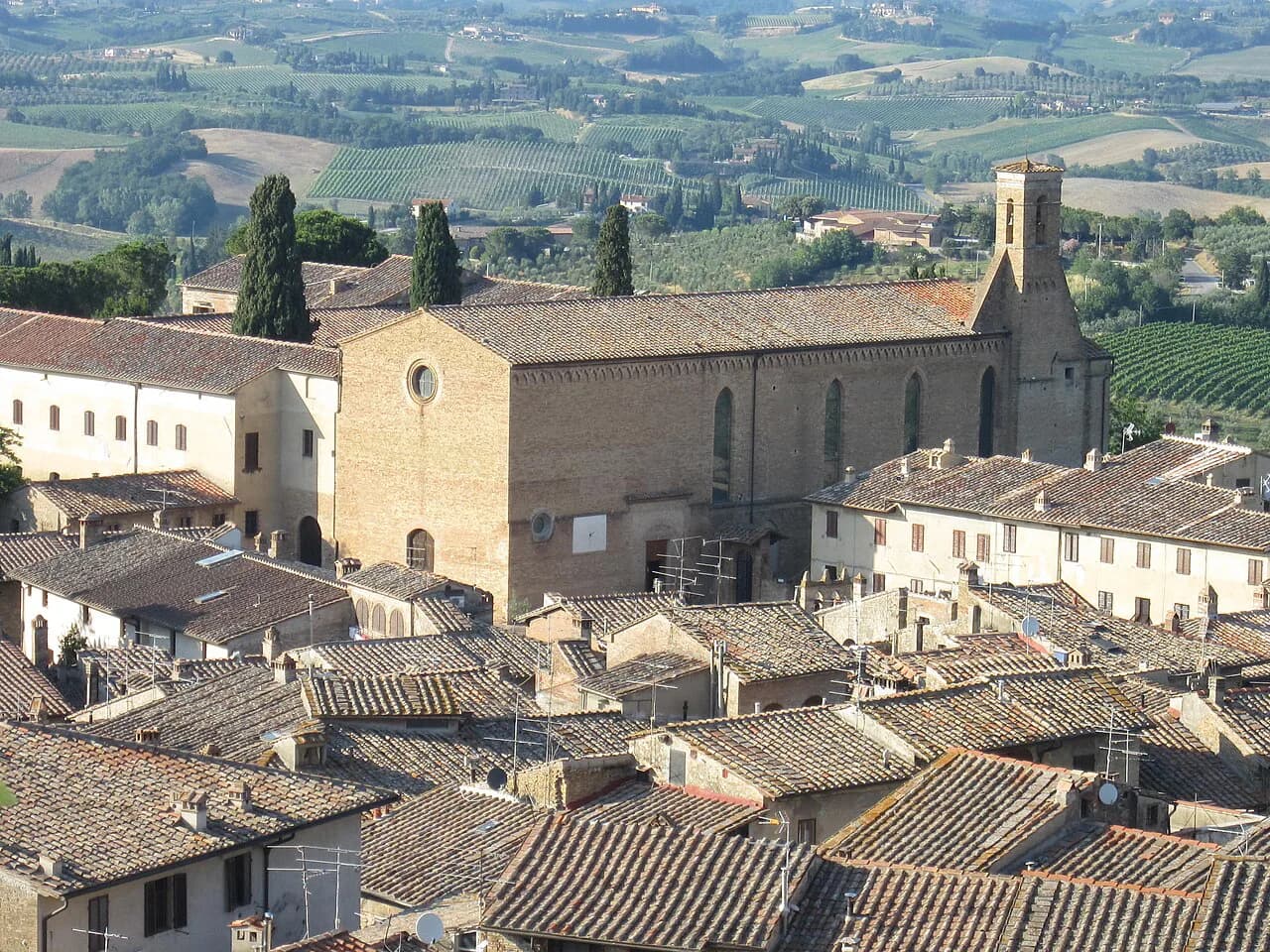
Neither class happens in the historic centre. The pizza workshop is at DOC San Gimignano on Via Baccanella, just outside town, and the pasta class is at Loc. Lucignano, 40, in the countryside around San Gimignano. That is part of the appeal: the pasta sessions are described as taking place in a family atmosphere with a wide view over the Tuscan landscape, and the pizza class sits at a restaurant known for its baking.
The trade-off is that you need a plan for getting back, especially after an evening class with wine. Ask Montese Cooking Experience or the pizza class organiser directly how other guests arrive and whether a lift can be arranged, since bus and taxi options are thin outside the centre; check current prices and dates when you book. The pizza provider lists private pizza classes in a San Gimignano pizzeria with return transport on request, which tells you transport is something to raise at the booking stage. Build the rest of the day around the centre on foot before or after; our guide to aperitivo in San Gimignano covers the early-evening stop.
What is included and how you pay
In both classes the food you cook is the meal, and both include wine: local wines with the pizza, water and local wine with the pasta. The pizza class adds a welcome Spritz, and both send you home with recipes, the pizza ones during the class and the pasta ones afterwards. Equipment is supplied in both cases, so you are not carrying a rolling pin around Tuscany.
Payment is deliberately old-fashioned in a useful way. The pizza class requires online booking but takes payment on the spot by Visa or Mastercard, debit card or cash, and free cancellation applies if you let the organiser know as soon as you can. That means your card is not charged months ahead, but you do need to turn up with a working payment method. For the pasta class, confirm the payment method when you book.
How to book and what to ask
Book online and pick your date first, because the participant numbers drive everything else: the pizza class needs at least two and stops at 15, while the pasta class takes one to 12 and prices children aged 6 to 12 separately. Confirm the language of instruction, since both list Italian and English, and ask what the sauce or dessert will be if a particular season matters to you. Then check the meeting point against your plans, because neither is in the centre.
Two questions are worth putting in writing when you book. First, how you get back from a countryside location after an evening session. Second, whether the date falls on an estate event if you are booking Torciano, since the estate runs dinners and celebrations alongside its classes. Ask about dietary needs at the same time, as the pasta class cooks sauces to the season rather than to a fixed list.
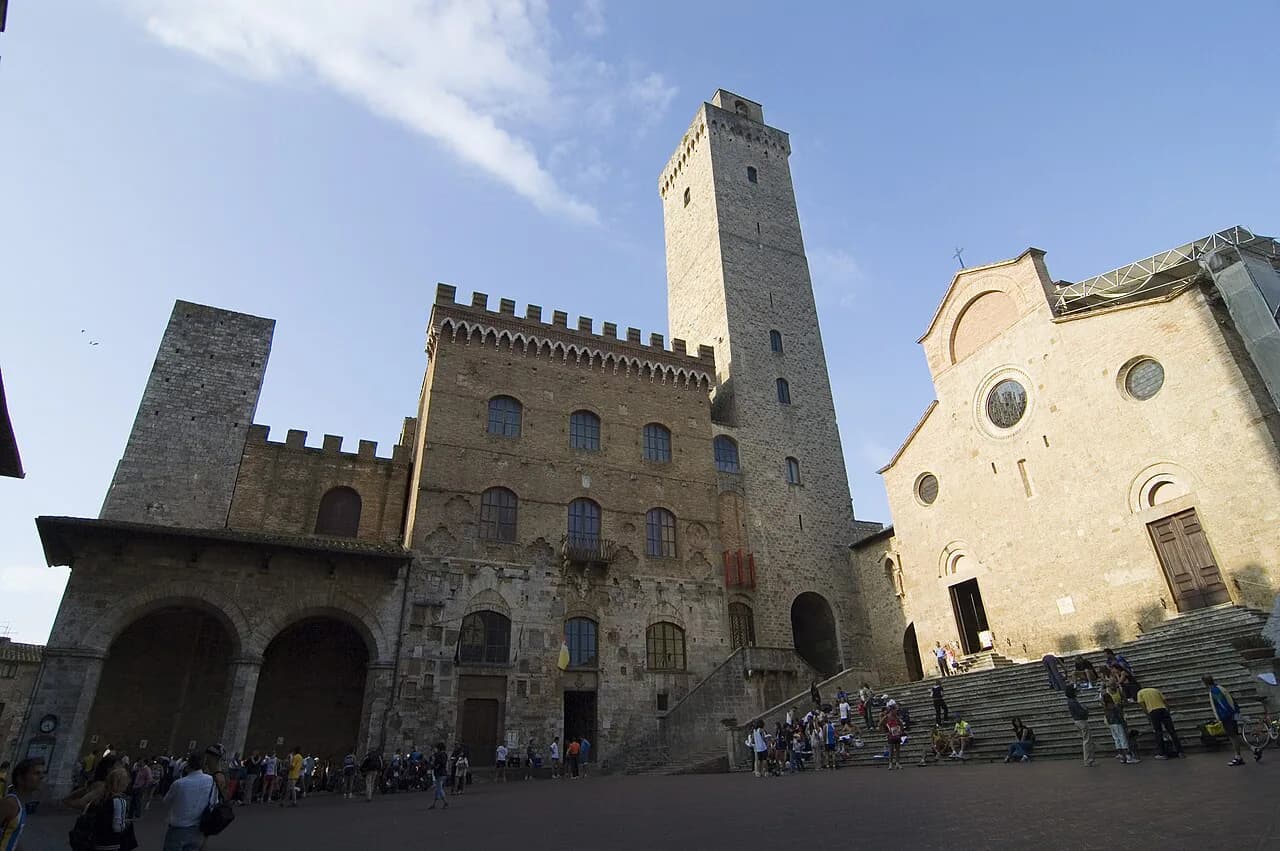
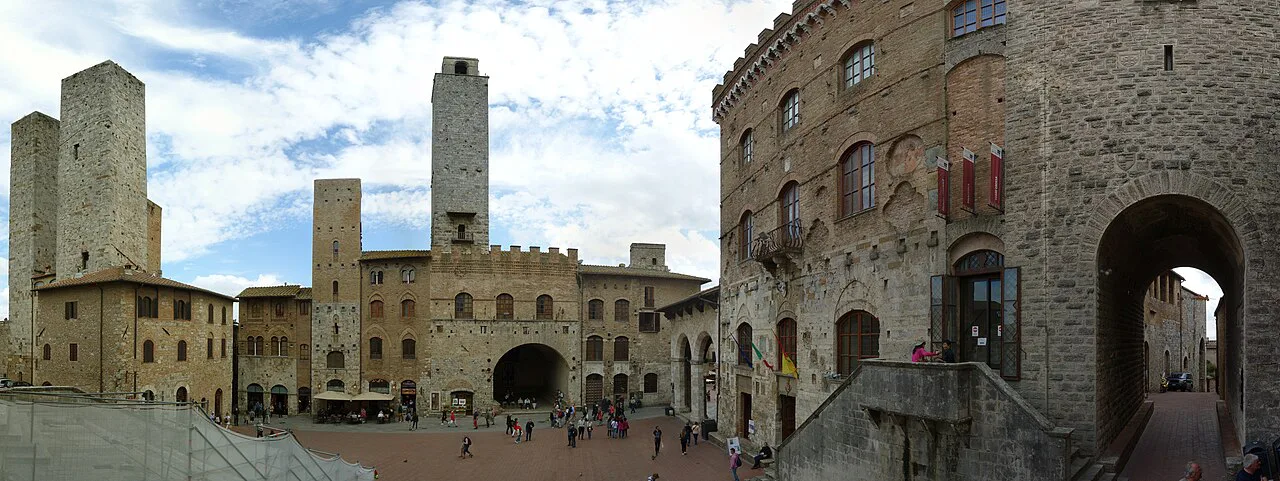
Leave room in the diary for a walk through the centre after a morning class. A coffee on the Piazza della Cisterna is the obvious pause, and the addresses behind the town's sweet stops are set out in our guide to the best gelato in San Gimignano, where Gelateria Dondoli in San Gimignano is the name most visitors ask for first.
Which San Gimignano cooking class should you book?
Book the pizza workshop if you want a short, high-reward session, are travelling as a pair or more, and like the idea of a chef with serious kitchen background teaching you fermentation and shaping in three hours. Book the pasta class if you want the longer, more technical day, are travelling alone or with children, or would rather leave knowing how one dough becomes fettuccine, ravioli and a dessert. Choose Torciano if the estate setting and a cellar visit are the draw.
Whichever you pick, settle three things before you commit: the group size, whether the date is free, and how you get back afterwards. The classes are small enough that a sold-out day is a real possibility in season, so book early.
Explore more San Gimignano food guides
Frequently Asked Questions
Do you need cooking experience to join a class in San Gimignano?
No. The pasta class is explicitly designed for people approaching Tuscan cooking for the first time, with simple dishes and a pace that suits beginners, and the pizza class teaches the dough from mixing through shaping and baking. Both are hands-on from the start, so willingness to get floury matters more than technique.
Are cooking classes in San Gimignano suitable for children?
The pasta class at Montese Cooking Experience accepts children aged 6 to 12 at a separate rate and describes the session as suitable for all ages, with a maximum of 12 participants. The pizza workshop is capped at 15 and requires a minimum of two places, so ask the organiser about children when you book.
Can you do a cooking class in San Gimignano without a car?
Both the pizza workshop on Via Baccanella and the pasta class at Loc. Lucignano sit outside the historic centre, so you need a way of getting there and back. Ask the organiser at booking how other guests arrive and whether a lift can be arranged, and arrange your return before an evening session rather than after it.
Sources
Notes for your next meal in Italy
Optional updates to our food guides.
You might also like
Continue reading
More guides you'll find useful