Best Restaurants in San Gimignano: Where to Eat
A candid pick of the best restaurants in San Gimignano, from a tiny schiacciata counter to a Josper-grill meat specialist and hilltop farm restaurants.
On this page
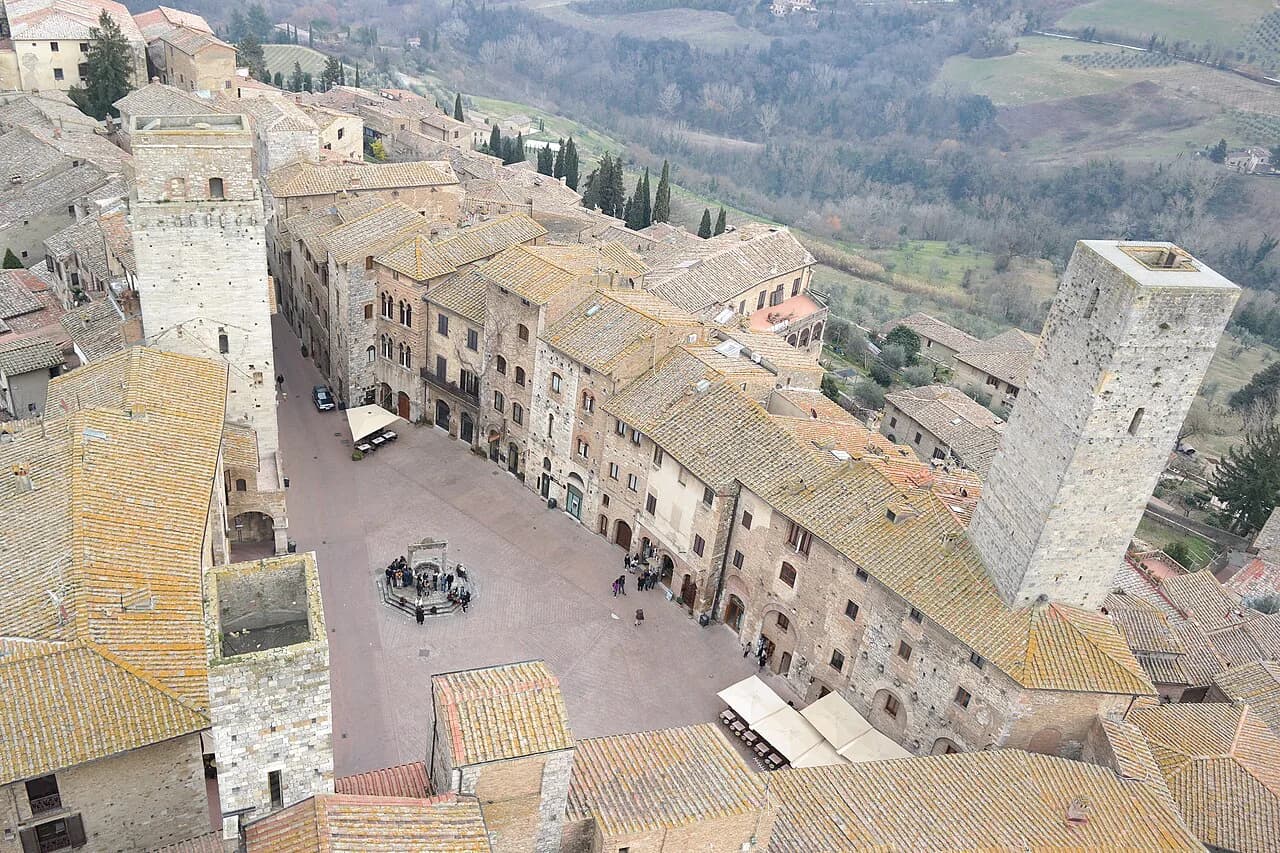
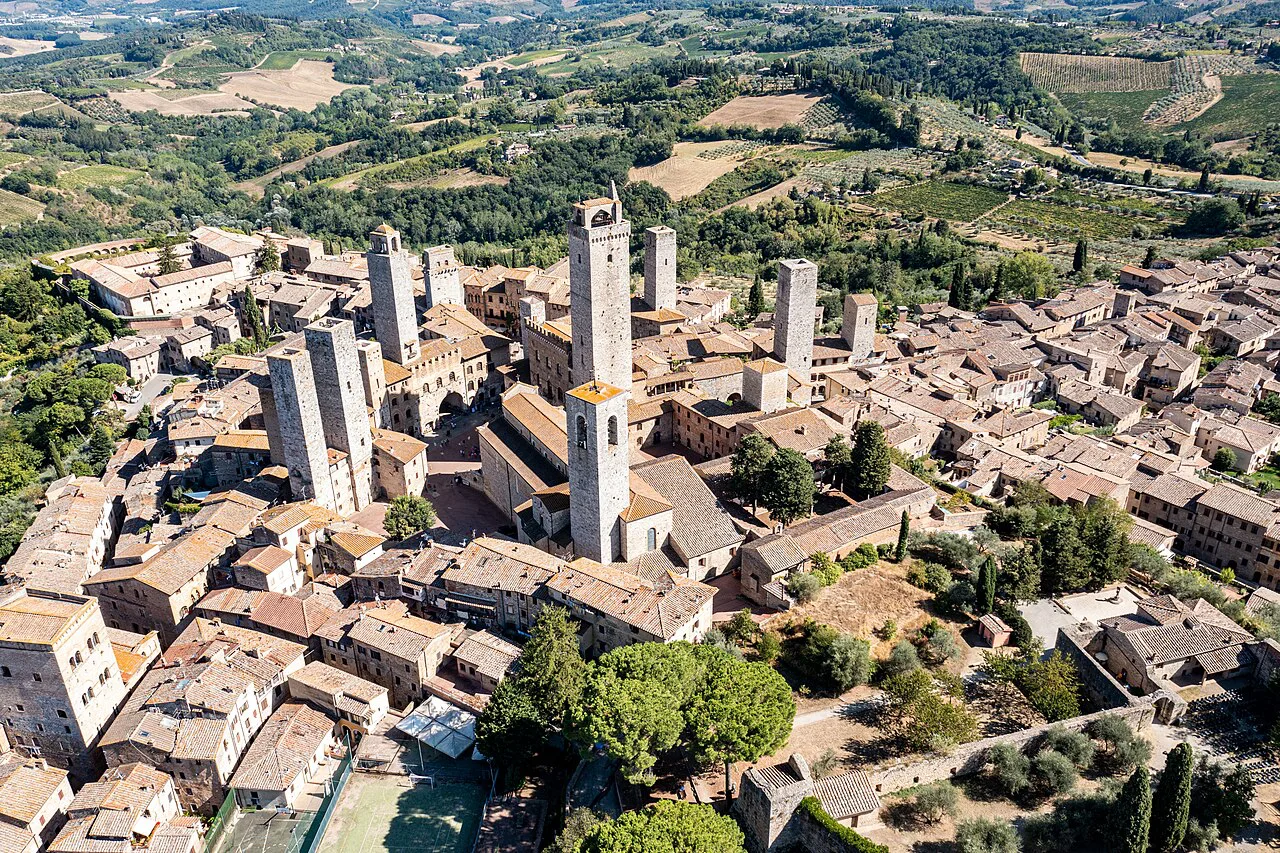
The best restaurants in San Gimignano are not all on the same street, and the smartest eating plan treats the town in three layers: the busy Via San Giovanni strip, the quieter side lanes behind it, and the farm tables in the hills within a few minutes' drive. Pick one layer per meal and you avoid both the worst tourist menus and the long walk back to a car park. This guide sorts the addresses worth a table by what you actually want: a quick schiacciata, a meat dinner, a slow countryside lunch.
Best restaurants in San Gimignano: the short answer
For a classic Tuscan sit-down meal inside the walls, Bel Soggiorno on Via San Giovanni and Il Ceppo Toscano on Via delle Romite are the two safest bets, one built on traditional plates and a hill view, the other on charcoal-grilled beef. For something quick and cheap, Da I' Mariani sells schiacciata, the flat Tuscan bread baked and filled to order, in a room with seats for only six to eight people. For a proper country lunch, Ristorante da Pode and the agriturismi around the walls trade the medieval streets for vineyards.
Two addresses sit outside the restaurant category but belong in any eating plan: Forno Boboli, the historic bakery in the centre, and the gelateria Dondoli, which draws a queue. Where you eat also depends on timing: the centre empties after the day-trippers leave and the evening tables relax. The Colli Senesi listings cover ten addresses across the centre and the surrounding hills, split between five inside the walls and five in the countryside.
How eating in San Gimignano works: tourist strip versus side streets
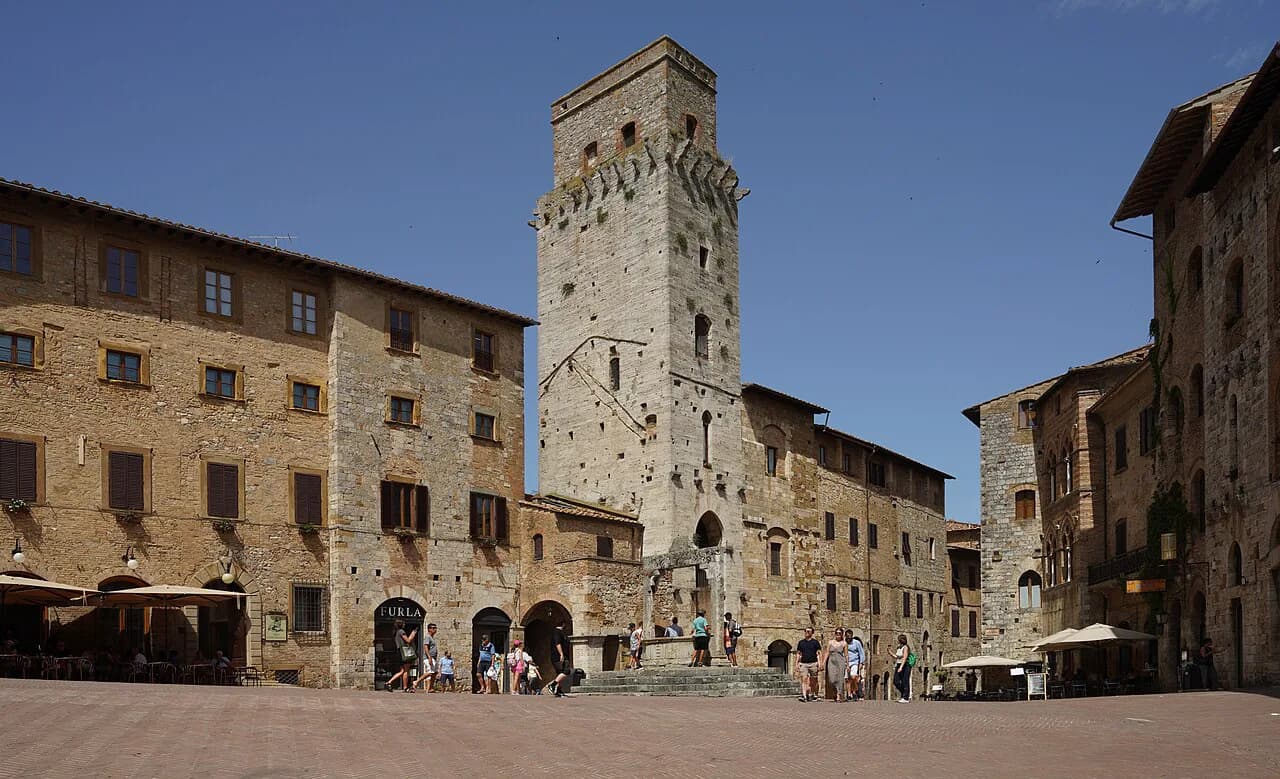
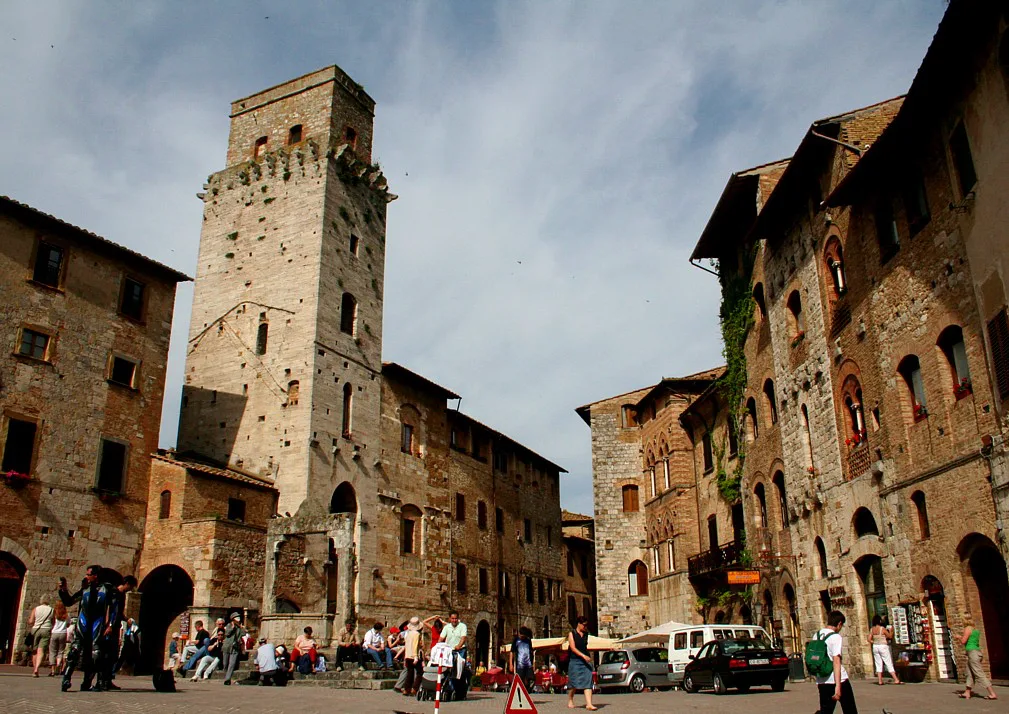
Via San Giovanni is the processional route from the main gate to the centre, and its restaurants draw a steady flow of visitors. That is not automatically bad: Bel Soggiorno has traded on this street for five generations, which is its own kind of quality control. But if you want a table where the menu is written for locals as much as visitors, turn off into lanes such as Via delle Romite or Via degli Innocenti, where the rooms are smaller and the cooking more specific.
The third option is the countryside. Several farm restaurants sit a short drive from the walls and serve food grown or raised on the property, which changes both the menu and the pace of the meal. The trade-off is transport: you need a car or a booked taxi, and a long lunch with wine means someone else drives. Choose the hills for lunch rather than dinner and the logistics get easier.
Bel Soggiorno: five generations on Via San Giovanni
Bel Soggiorno is the most straightforward answer to a first dinner in San Gimignano: a traditional Tuscan menu, terracotta floors and beamed ceilings, and large windows looking out over the countryside below the walls. The kitchen, led by chef Mirco Biagi, keeps flavours recognisable but adds a little polish, and the mixed antipasto of salumi, formaggi and crostini neri is the natural opener. The Colli Senesi listings single out the pici with wild boar ragù, thick hand-rolled pasta with a slow-cooked sauce, as the dish to order.
The seven-pecorino selection from local producers, served with jam, is the other plate worth planning around if you want to understand the area's sheep's cheese. Budget roughly 40 euros a head for a full meal, an estimate published in a March 2025 guide rather than a current price, so check the menu when you sit down. Book ahead for the window tables, which are the reason many people choose this room over a plainer trattoria.
Da I' Mariani: a six-to-eight-seat schiacciata counter
Da I' Mariani on Via di Quercecchio is less a restaurant than a counter: a rustic, family-run room with only enough seats for six to eight people, where the speciality is schiacciata baked and filled on the spot. There are generous boards of salumi and formaggi too, so it works as a light lunch or a shared snack rather than a full dinner. It is the pick when you want to eat well on a small budget and do not mind perching.
Because the space is tiny, treat it as a flexible stop rather than a fixed booking in a tight itinerary: arrive outside the peak lunch hour and be ready to eat standing or take food away. For a fuller picture of the midday options nearby, this guide to lunch in San Gimignano covers the same quarter in more detail.
Il Ceppo Toscano: Josper-grilled meat inside a former convent
Il Ceppo Toscano occupies the vaulted cellars of a thirteenth-century convent on Via delle Romite, a side street a few steps from the main drag, and the room is half the appeal. The kitchen is built around meat, cooked in a Josper charcoal oven that gives every plate a smoky edge, with beef served either raw with spices or grilled. Stefano Ruggero, a second-generation butcher, opened it in 2016, so the sourcing is the point rather than an afterthought.
The restaurant publishes its own hours as Tuesday to Sunday, 12:00 to 14:30 and 19:00 to 21:30, closed on Mondays. There are vegetarian plates alongside the meat, so a mixed group does not have to split up. The dining room is small and popular for dinner, so reserve rather than walk in with six people.
Dulcisinfundo: creative Tuscan cooking on the walls
Dulcisinfundo, on Via degli Innocenti, is the choice when you want a kitchen that pushes beyond the standard Tuscan repertoire without abandoning it. The room is small and stone-walled, set against the town walls, and the cooking is described as creative but rooted in tradition, which in practice means familiar ingredients in less familiar combinations. The name is a hint: leave room for the house desserts, which are made with care rather than bought in.
It suits a couple or a small group wanting a quieter, more considered dinner than the Via San Giovanni rooms offer, and it rewards booking rather than turning up. If you are building an evening around it, keep the aperitivo short and local: a glass of Vernaccia di San Gimignano, the white wine grown on the surrounding hills, is the obvious way to start.
Echoes Bruschetteria: bruschetta in every form
Echoes Bruschetteria on Via Mainardi takes one idea and runs with it: bruschetta, grilled bread with toppings in every variation the kitchen can dream up, alongside first courses such as tagliatelle and pici. There are craft beers and local wines to go with it, and the room is young and informal, so it works for a light dinner or a late lunch when you cannot face another full menu.
Order two or three toppings between two people rather than one each, since the bread is filling and the point is variety. It is also a sensible fallback for a mixed group where someone wants a plate of pasta and someone else wants only a snack.
Doc San Gimignano: sourdough panini and fermented toppings
Doc San Gimignano, just outside the busiest part of the centre, is a paninoteca with an unusual amount of in-house discipline: sourdough bread from local flours, and house-made pickles, sauces and ferments behind a colourful counter. Fillings run from focaccia with Tuscan salumi to ciabatta and a burger, with toppings such as fermented beetroot with radicchio and walnuts, or guanciale with broccoli and stracciatella. There are even fried first courses, including lasagne and carbonara.
This is the best answer for a fast, good-value lunch between sights, and for anyone travelling with children who want a sandwich rather than a seated meal. The fermentation angle also makes it more interesting than the average panino counter. If you would rather cook this kind of food than eat it, the cooking classes in San Gimignano in the same quarter cover pasta and dough by hand.
Ristorante da Pode: the classic Tuscan menu in the countryside
Da Pode, at Località Sovestro a few minutes from the walls, is a family restaurant in a stone farmhouse adjoining the Hotel Sovestro, and the menu is proudly, almost stubbornly Tuscan. Oil, wine and liqueurs come from the family estate and the rest of the produce from nearby suppliers, including porcini in season. Order the insalata di trippa with beans and onion if you want the old-school plate, or the house pici with saffron sauce or wild boar ragù.
The published estimates from that same March 2025 guide put the Chianina terrine at 18 euros, chicken in porchetta with vinsanto at 20 euros and bistecca alla fiorentina, the bone-in T-bone, at 62 euros per kilo; treat them as historical figures and confirm on the menu. Generous portions and a garden for fine days make it a strong lunch stop before or after a drive through the surrounding hills.
Agriturismo Mormoraia: modern cooking with a view
Mormoraia, at Località Sant'Andrea on the hills around town, is a converted Podere that was once part of a convent, with a glass-walled dining room looking over the vines and an infinity pool. Its restaurant, Fienile, cooks Tuscan food with modern touches and short supply chains, from spaghetti with breadcrumbs, anchovies and herbs to tagliolini with cauliflower and chilli, grilled meats and meatballs with polenta. The guide that lists it puts an average meal at around 40 euros, a 2025 estimate rather than a current figure.
It is the most polished of the countryside options, and the view does much of the work, so book a lunch table rather than an evening one and you get the landscape in daylight. The estate also produces wine and olive oil, which appear at the table without turning the meal into a tasting.
Farm restaurants around the walls: Il Vecchio Maneggio, Paterno and Casanova di Pescille
Three agriturismi round out the countryside choices. Il Vecchio Maneggio, at Località Sant'Andrea, serves Sienese specialities made with its own produce on a terrace above the hills, and can arrange a horse ride from the same property. Paterno, on Via Paterno, is family-run in a restored Tuscan farmhouse, with homely cooking and views over vines and cypresses. Casanova di Pescille, at Località Pescille, cooks a seasonal menu with the towers of San Gimignano in the distance.
None of these is a walk-in-and-see proposition: they are spread out along country roads and it makes sense to book before setting off. Pick one, plan a slow lunch and leave the rest of the afternoon free, because the pleasure here is the table and the view rather than a quick plate between sights.
Vegan Agrivilla I Pini: plant-based cooking in the hills
Vegan Agrivilla I Pini, at Località Santa Margherita, is the outlier on this list: a plant-based kitchen in the heart of Chianina country, cooking colourful dishes from organic local ingredients. It is the address to remember for a vegan traveller or for anyone who wants a break from the meat-and-pecorino rhythm of Tuscan menus. The setting among the hills is the same as the other farm restaurants, so the trip out is worth planning as a whole meal rather than a stop.
Forno Boboli and Gelateria Dondoli: the bakery and gelateria stops
Forno Boboli is the historic bakery in the centre, reworked as a contemporary bakery by the Bruni twins together with the original founders' heirs, after a spell of closure. Expect country loaves from selected flours and sourdough, filled focaccia, pizza by the tray and traditional sweets, including the pan co' Santi, the town's own enriched bread. Part of the space is now seating, so you can have breakfast there rather than eating on the move.
The gelateria Dondoli is the other fixed stop, and this guide to the best gelato in San Gimignano explains what to order and why the queue forms where it does. Go early in the day or late in the evening to avoid the worst of the crush, and treat both as part of the eating day rather than an afterthought. For a sit-down coffee between the two, the best coffee in San Gimignano runs through the same streets around the centre.
What to order in San Gimignano, from pici to pecorino
The local plates are worth seeking out deliberately. Pici, the thick hand-rolled pasta, appears with wild boar ragù at Bel Soggiorno, with saffron sauce at Da Pode and plain or with butter and Parmigiano at Doc; order it at least once. Pecorino, the sheep's cheese of the region, comes as a tasting board at Bel Soggiorno and in the salumi and formaggi boards at Da I' Mariani.
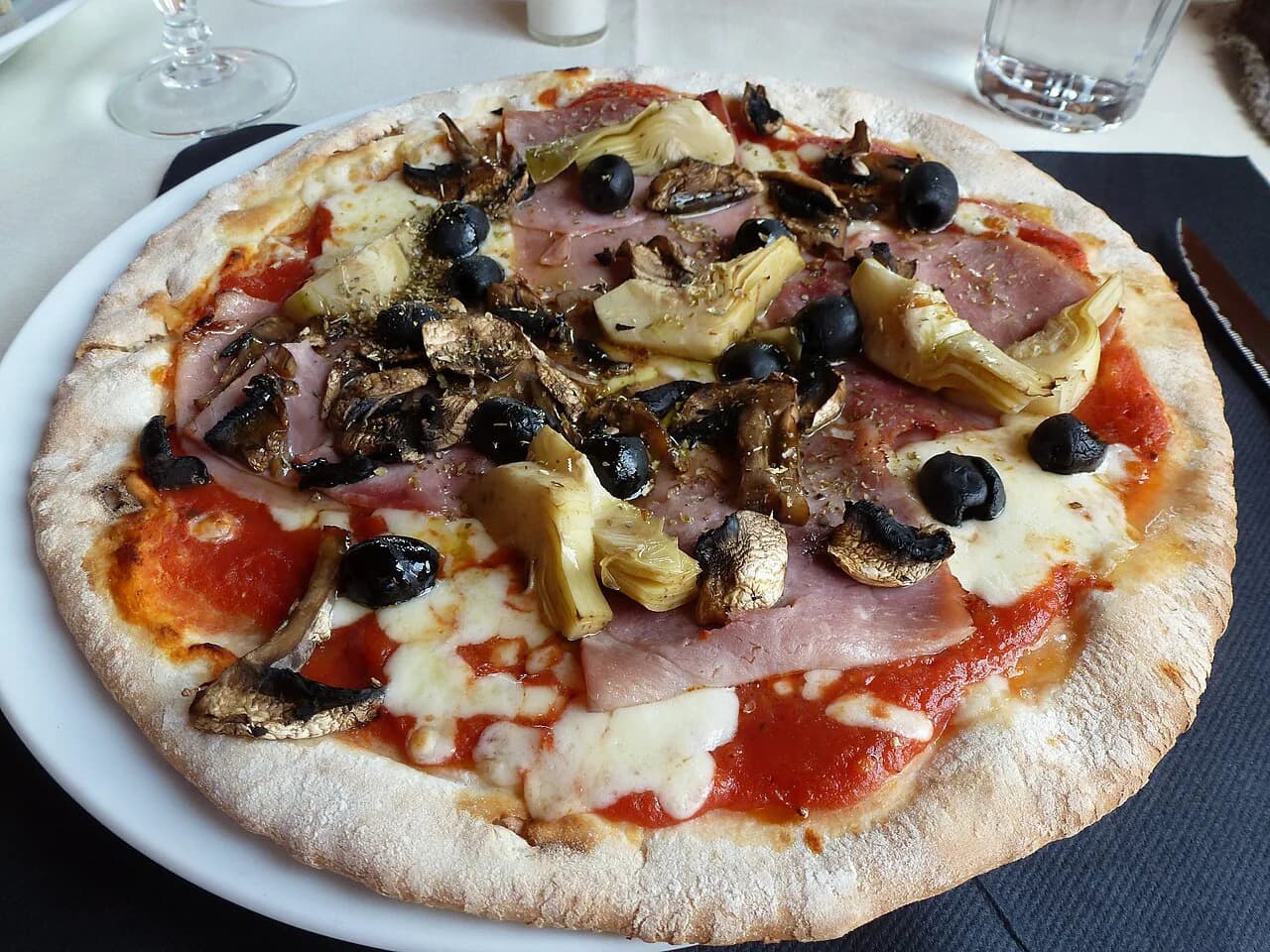
For meat, Il Ceppo Toscano's Josper-grilled beef and Da Pode's bistecca alla fiorentina are the two big-ticket options, and both are best shared rather than ordered solo. For something lighter, bruschetta at Echoes and schiacciata at Da I' Mariani cover the bread-based end of the menu. Leave space for the house desserts at Dulcisinfundo and the traditional sweets at Forno Boboli.
Prices, coperto and booking: what to expect
San Gimignano is not a cheap place to eat, largely because it is one of the most visited small towns in Tuscany, and the centre commands a premium over the countryside. Published estimates from March put a full meal at Bel Soggiorno and an average meal at Mormoraia at a comparable level, with Da Pode's bistecca priced per kilo; these are historical guide figures, so check the menu at the table. A bread-and-coperto charge, the small per-person cover for bread and service, is normal in Tuscan restaurants and appears on the bill rather than the menu headline.
Book for dinner, and for any group larger than four. Il Ceppo Toscano is closed on Mondays, and the countryside restaurants fill up at lunch, so plan the week around that. Pay at the table for seated meals.
San Gimignano with a vegetarian or a mixed group
Mixed groups do well here because the menus are not purely carnivorous. Il Ceppo Toscano keeps vegetarian plates alongside its meat, and Vegan Agrivilla I Pini is entirely plant-based. For a table that wants to please everyone, Bel Soggiorno's antipasti and pecorino board followed by pasta gives the broadest spread of options in one room.
If you are travelling with someone who eats vegan, book I Pini as a whole-meal destination rather than as an add-on to a meat-focused day, and use the countryside restaurants for the group meals where everyone can order something different. The centre then becomes the place for quick stops and sweets rather than the main event.
Where to book first in San Gimignano
If you have one dinner, book Il Ceppo Toscano for the charcoal-grilled meat and the convent vaults, or Bel Soggiorno for the traditional menu and the view. If you have one lunch, drive out to Da Pode or Mormoraia and take the afternoon slowly. The rest of the town fits around those two meals: a schiacciata at Da I' Mariani, a sourdough panino at Doc, a tray of bruschetta at Echoes, then the bakery and the gelateria on the way back.
Explore more San Gimignano food guides
Frequently Asked Questions
Do you need to book restaurants in San Gimignano?
Yes for dinner and for any larger group. The best-known rooms are small, and the countryside restaurants depend on planned covers, so reserve a few days ahead rather than turning up. For lunch at a counter such as Da I' Mariani, simply arrive outside the peak hour.
Is San Gimignano expensive to eat in?
It sits above the Tuscan average because of the volume of visitors, and the centre is dearer than the hills. You can eat cheaply on schiacciata, panini, bakery food and pizza by the slice, and save the sit-down meal for one good dinner or a long countryside lunch.
What is a coperto?
Coperto is a small per-person cover charge for bread and service that appears on the bill rather than in the menu headline. It is standard in Tuscan restaurants, including those in San Gimignano, so expect a modest cover charge to be added at the end of a seated meal.
Sources
Notes for your next meal in Italy
Optional updates to our food guides.
You might also like
Continue reading
More guides you'll find useful