Best Gelato in Catania: 4 Gelaterie Worth Your Order
Four Catania gelaterie stand out for granita, brioche col tuppo and proper ricotta gelato, from a seafront institution to a humble neighbourhood counter.
On this page
The best gelato in Catania comes from four addresses: Duci – La Monofficina on via Agrigento, Ernesto on the seafront at viale R. di Lauria, Vecchia Gelateria Policastro on via Policastro, and Santo Musumeci in Randazzo, up towards Etna. Three sit inside the city and one needs a car, and each suits a different kind of stop. What follows covers what to order at each, how brioche col tuppo works, and why granita matters as much as the scoops.
Catania's gelaterie sell granita and gelato from the same counter, and a brioche col tuppo — a soft, round bun topped with a smaller ball of dough — is the standard vehicle for both. Understanding that pairing is more useful here than any ranking, and it shapes what you order at every shop below. If food is the main reason you're in the city, the wider picture sits in our guide to the best restaurants in Catania.
Why granita and brioche col tuppo matter as much as the gelato
In Catania the ice-cream counter is really two counters. Granita — finely worked ice with sugar and fruit, coffee, almond or pistachio — sits beside the gelato, and the brioche col tuppo is built to carry either: split and filled with gelato, or used to dip into granita. Ordering a lone coppetta, a small cup, is fine, but you will miss the way the city actually eats.
Gambero Rosso's survey of the city's gelaterie makes the point plainly: ice-cream season in Sicily also means granita and brioche col tuppo filled to order. It singles out four shops in the city and province, from a seafront pasticceria to a takeaway-only neighbourhood counter.
The practical rule is to match the shop to the hour. Granita is a morning habit, often taken with brioche before the day's heat builds, while gelato belongs to the afternoon and evening. Our guide to granita in Catania covers the morning side of that routine in more detail.
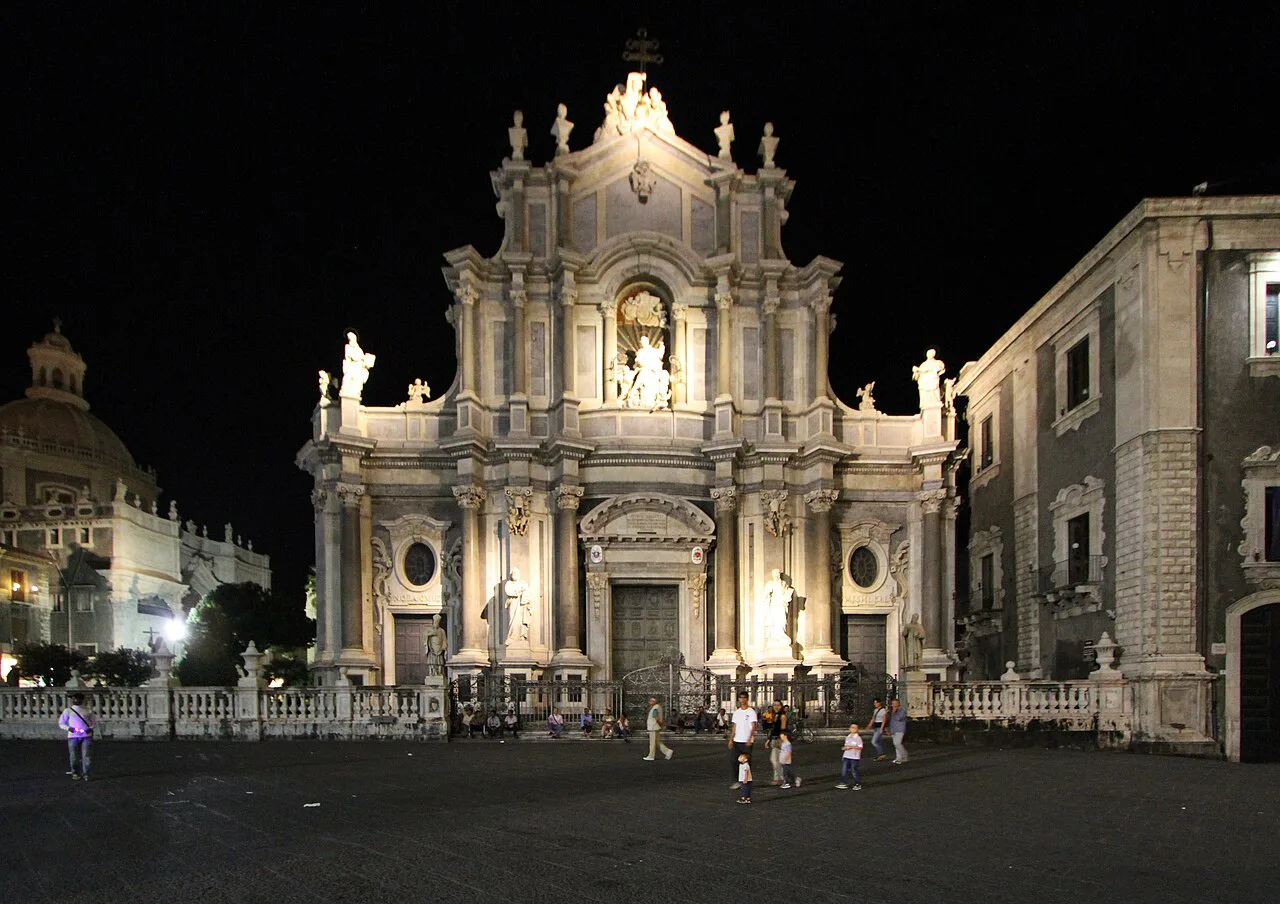
Duci – La Monofficina: seasonal granita and fior di latte from Ragusa milk
Duci sits on via Agrigento, and its name is the Sicilian word for sweet. It is a small operation making single portions, modern cakes and baked goods, and the cold counter is openly seasonal. From late spring to early autumn granita dominates, with almond and pistachio alongside fruit flavours made from fresh fruit, and the shop offers mini tastings with brioche tuppo tops filled in elaborate fashion.
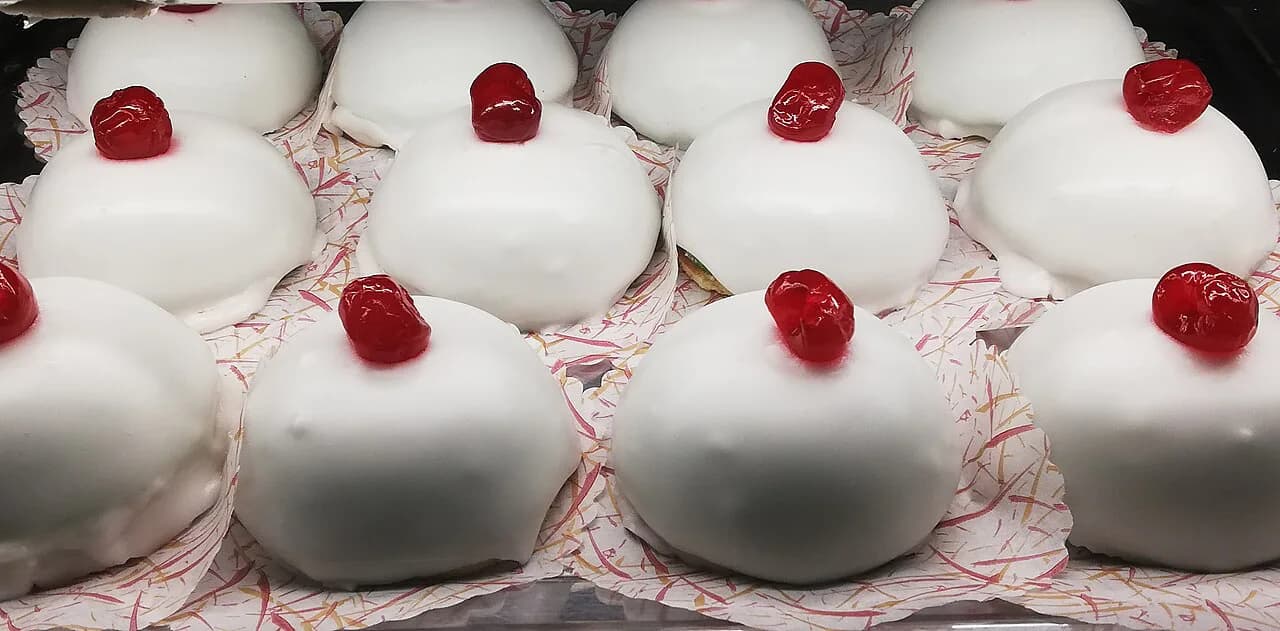
In that same window the gelato range narrows to a handful of cream-based flavours, and quality does not drop. The fior di latte — plain milk gelato, the cleanest test of a shop's base — is made with fresh milk from Ragusa, and it is the order to judge the place by.
Outside the warm months, Duci's cold counter is shaped by what the season supports rather than a fixed range. Pair a stop here with a look at pastry shops in Catania if you want the baked side of the counter too.
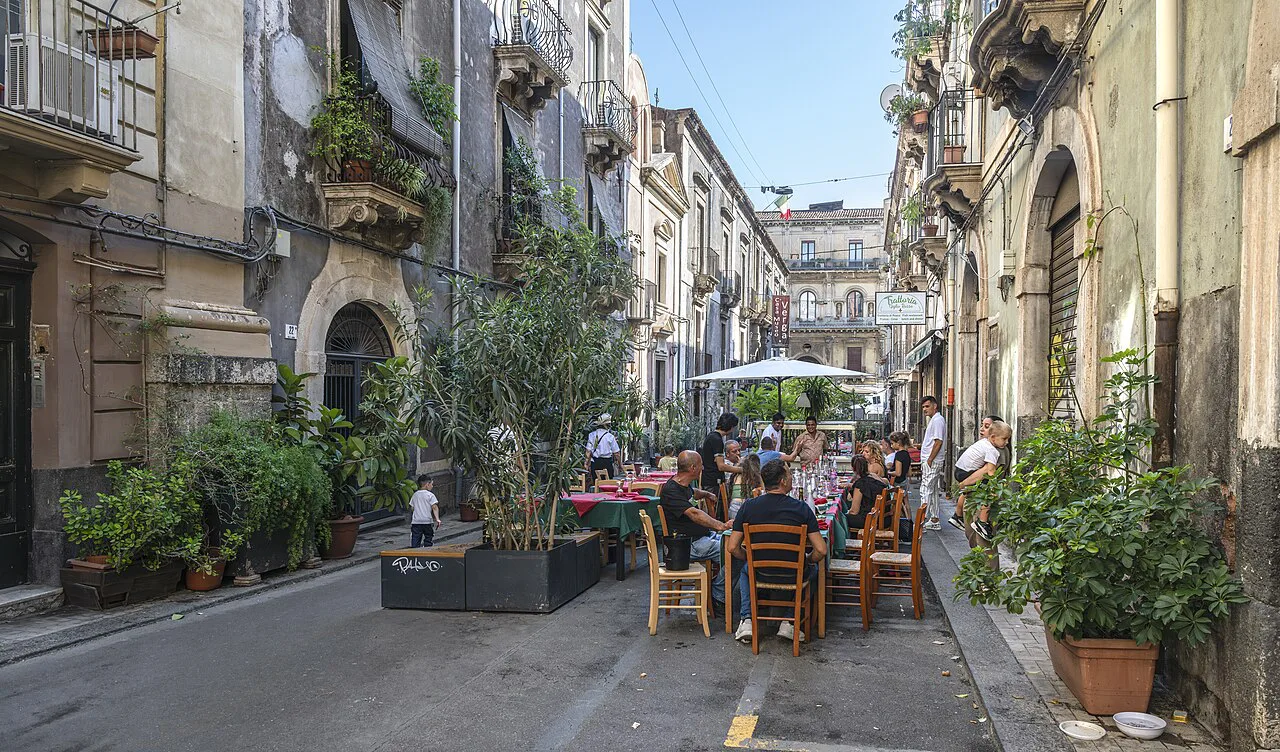
Ernesto: the seafront pasticceria where ricotta gelato is the long-standing order
Ernesto occupies viale R. di Lauria on the seafront and is known for pastries and hot food as much as for gelato, which makes it the comfortable choice when a group wants more than a cone. Serena Urzì, a lawyer turned gelato maker, has been steadily reworking the recipes: ingredient lists are shortening and added fats are being removed.
Ricotta gelato is the shop's long-standing speciality and the first thing to order. In summer the fruit flavours multiply and granita joins them on the counter, but the cream base and the ricotta are what regulars come back for.
Because it is a pasticceria with seating and a savoury menu, it works as a sit-down break rather than a quick stop, and it suits an evening pass along the waterfront after dinner. If you want the savoury half of the city first, the best pizza in Catania is a sensible starting point for the same neighbourhood wander.
Vecchia Gelateria Policastro: a near-fifty-year neighbourhood counter
Vecchia Gelateria Policastro on via Policastro has been making gelato and granita for nearly fifty years, and a new generation has taken over the counter as it expanded. It is a humble neighbourhood shop with a few small tables, takeaway only, no frills, and it closes in winter.
The flavours ignore trends. The standout is nougat gelato studded with generous pieces of nougat in its Etna variant, a crunchy almond confection, and there is ricotta enriched with pistachio flakes. Brioche col tuppo are on hand for granita or for filling with gelato.
This is the shop to choose when you want the everyday version of Catania's ice-cream habit rather than a seafront production. It is a family-run takeaway counter without frills, so treat it as a counter stop, not a sit-down occasion. If you are planning a broader eating day, the best restaurants in Catania sets these stops alongside proper meals.
Santo Musumeci in Randazzo: the Etna-side stop worth a car
Santo Musumeci is in Randazzo, in the province of Catania, on piazza Santa Maria — up towards Mount Etna, not in the city. It is a pasticceria as well as a gelateria, run by the Musumeci sisters, and it is the one pick on this list that requires a car or a deliberate detour.
The flavours are named after Sicily and worth reading before you order. Oro Verde combines crunchy pistachio and mandarin; Pirandello is toasted almond with lemon zest and an almond and dark chocolate crunch; Crema di San Giovanni is an egg cream with citrus. Granita gets equal billing, with summer flavours drawn from raspberry, prickly pear, pure mandarin, coffee, chocolate, pistachio and almond.
Gambero Rosso picked the Randazzo shop as one of four best in Catania and its province according to its Gelaterie 2024 guide, and it earned a Gelateria dell'Anno award in the newer Gelaterie 2027 edition. Either way, it earns the detour for the named flavours and the summer granita alone. The house style is a modern gelateria that concentrates flavour, and the Musumeci sisters run it.
How to order: cups, cones and the brioche col tuppo
Ask for a coppetta for a cup or a cono for a cone; sizes are usually named by number, and pointing works fine. At shops where brioche col tuppo are sold, you can have the bun filled with gelato or served alongside granita for dipping. If you want the full Catania experience, take the brioche rather than the cone at least once.
Granita texture varies by shop, from finely worked and almost creamy to coarser and more crystalline, and the fruit versions change with what is ripe. If a flavour is made with fresh fruit, as at Duci, ask which fruit is in that day rather than assuming a favourite is on.
Ordering a brioche con il tuppo filled with gelato is a sit-down affair at some shops and a standing one at others, so watch the counter before committing. At Duci and Santo Musumeci the brioche are a signature, filled for the former and dipped in granita for the latter.
Gelato or granita in summer: what changes with the season
Summer reshapes the counter. At Duci, granita fills the display from late spring to early autumn while gelato drops to a few cream flavours; at Ernesto, fruit flavours multiply and granita appears beside the creams; at Santo Musumeci, summer brings a wide range of flavours across both gelato and granita. The common thread is fresh fruit, which is why a flavour you loved in July may be gone by October.
The shoulder months are the trade-off. Policastro closes in winter, so a cold-weather visit means choosing from the shops that stay open. If granita is the reason for your trip, aim for late spring through early autumn.
A cold brioche and a cup of granita also make a decent light breakfast, a Catania habit rather than a dessert course. Breakfast in Catania covers the pasticcerie that do this well.
If your day is built around food rather than sights, a hands-on session can sit comfortably beside these stops; cooking classes in Catania are the usual way in. Otherwise, keep the gelaterie as punctuation between meals and let the restaurants do the heavy lifting.
Pairing a gelato stop with the rest of a Catania food day
The four shops spread across the city and beyond it, so the practical move is to slot each into a walk you are already making. Duci on via Agrigento and Policastro on via Policastro suit a central wander, Ernesto fits a seafront evening, and Randazzo needs its own half-day.
Savoury eating in Catania has its own landmarks, and pasta alla Norma — pasta with fried aubergine, tomato and salted ricotta — is the dish most associated with the city. It is a heavier plate than gelato, so plan the order of the day accordingly.
An aperitivo stop before dinner is the other Catania habit worth building in, and it keeps the evening paced between a late-afternoon granita and a proper meal. Aperitivo in Catania covers where that fits.
If you want the full eating plan rather than the sweet stops alone, The Best Restaurants in Catania, Picked by Style and Budget covers the savoury side street by street. For the pasta end of things specifically, the best pasta in Catania narrows it further.
Which Catania gelateria should you choose?
For a first stop inside the city, choose Duci for seasonal granita and a fior di latte built on Ragusa milk, or Ernesto if you want ricotta gelato with a seat and a seafront view. Pick Policastro when you want the plain, decades-old neighbourhood version, and treat Randazzo as a separate trip rather than a city stop.
Whichever you choose, order a brioche col tuppo at least once and take granita seriously alongside the gelato. Arriving between late spring and early autumn gets you the fullest range of granita and fruit flavours.
Explore more Catania food guides
Frequently Asked Questions
Where is the best gelato in Sicily?
In its Gelaterie 2024 guide, Gambero Rosso picked the Santo Musumeci pasticceria in Randazzo, in the province of Catania, as one of the best in Italy. In the newer Gelaterie 2027 edition, Santo Musumeci took a Gelateria dell'Anno award. That is a guide's judgement rather than a settled fact, and Catania itself has strong options at Duci, Ernesto and Vecchia Gelateria Policastro.
What food is Catania famous for?
Catania is known for granita with brioche col tuppo, ricotta gelato and pasta alla Norma, made with fried aubergine, tomato and salted ricotta. The city's sweets counter leans on fresh fruit, almonds and pistachio from around Etna.
Do Catania gelaterie sell granita as well as gelato?
Yes. Most of the shops here run granita and gelato from the same counter, with fruit, coffee, almond and pistachio among the usual granita flavours. Availability shifts with the season, and Vecchia Gelateria Policastro closes in winter.
Sources
Notes for your next meal in Italy
Optional updates to our food guides.
You might also like
Continue reading
More guides you'll find useful