Cooking Classes in Catania: Formats, Dishes and How to Pick
Cooking classes in Catania split into demonstration lessons and hands-on courses. Here is what each format teaches and how to choose the right one.
On this page
Cooking classes in Catania divide into two clear formats, and knowing which you are booking matters more than any other detail. La Cucina dei Colori runs demonstration lessons where the teacher cooks and explains while participants watch, ask questions and taste; Futuro & Lavoro is a cookery school with amateur, professionalising and experience courses across pastry, pizza, bread and more. This guide sets out what each format involves, what gets taught, and which questions to settle before you pay.
What a Catania cooking class actually involves
The two providers in Catania work in opposite directions. At La Cucina dei Colori, participants do not put their hands in the dough: they listen, observe, ask, take notes and photograph, then try the techniques again at home, while the tutor cooks and explains doses, methods and timings step by step in class. Futuro & Lavoro is a cookery school with amateur courses, professionalising courses and experience formats such as team building and hen-party sessions.
That split decides how your evening or morning feels. A demonstration is a convivial exchange of opinions with tastings and a tutor cooking in front of you; a hands-on course means you are at the bench working dough, batter or filling yourself. Neither is better, but one suits a traveller who wants to eat and learn, the other someone who wants the feel of the work in their hands.
Demonstration classes: watch, taste, then cook at home
La Cucina dei Colori on Via S. Michele is the demonstration option in Catania. Its stated approach is cooking in front of the class rather than having the class cook: the teacher works through doses, processes and timings while participants taste, take notes and ask questions. The class is built as a shared moment of exchange, and the techniques are meant to be repeated at home.
Expect the courses to move across a range of dishes rather than one recipe. The kitchen describes sessions touching antipasti, primi, secondi, contorni and dolci, cooked and raw, with the aim of introducing ingredients, techniques and equipment for dishes it calls healthy and good by nature. For a visitor, that means a broad introduction to ingredients and technique rather than a single dish to copy.
Hands-on and professional courses: pastry, pizza, bread and fish
Futuro & Lavoro splits its offer into professionalising courses, amateur courses and what it calls Cooking Experience. On the amateur and specialism side the site lists courses in pastry, pizza-making as a pizzaiolo, bread-making, fish butchery, risotto, sushi, finger food for aperitivi and a chocolate course. If you want to learn a specific craft rather than a general menu, this is where that sits.
There is also a career track running parallel to the leisure one. The school lists a base and advanced cooking course alongside professional paths such as pizzaiolo and wedding planner, plus one-to-one tuition in cooking and pastry. Travellers usually want the amateur or experience formats, but the distinction is worth knowing so you do not book onto a long professional programme by mistake.
Why the menu is not fixed: seasonal ingredients and market-driven menus
La Cucina dei Colori answers the menu question directly: there is no fixed menu. Much is planned, but the rest follows what the season and the day bring, whether a farmer turns up with something surprising or a participant asks for something specific. The courses themselves change with the seasons, so the same class title in October and in May will not teach identical dishes.
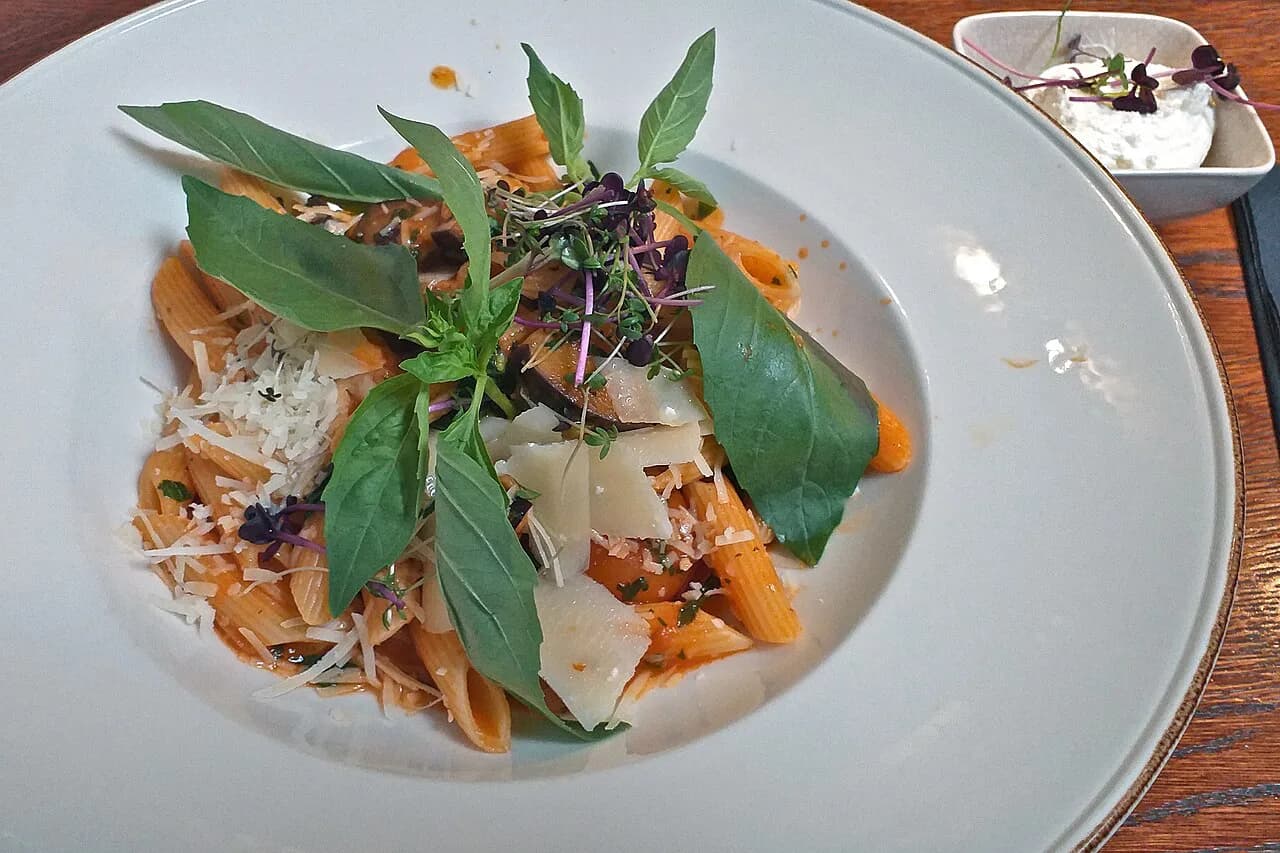
Practically, do not choose a class by hunting for a published dish list. Choose it by format, teaching language and the range it covers, and treat the exact dishes as something that follows the market. If a particular dish is the reason you are booking, such as pasta alla Norma, ask the provider before booking whether it can feature.
For the eating side of the trip, our guide to the best restaurants in Catania sorts tables by style and budget, which helps when you want to compare what you cooked in class with what the city serves. It is a useful companion to a class, not a substitute for one.
Dietary needs: vegan, vegetarian and gluten-free dishes in class
Dietary range is part of the demonstration format at La Cucina dei Colori, which says its sessions will bring participants into contact with vegan, vegetarian and gluten-free dishes, cooked and raw, as the menu moves with the season. That suits mixed groups and travellers with restrictions, but it is not a guarantee that any single session will include all three. Tell the provider your requirements when you enquire so the tutor can plan around them.
On the school side, Futuro & Lavoro lists a vegan cooking and pastry course among its amateur options, which is the more focused route if plant-based cooking is the point of the class for you. Otherwise, general pastry and pizza courses will lean on conventional ingredients, so ask before booking if you avoid eggs, dairy or gluten.
Group formats: couples, families, hen parties and team building
Catania's class market caters for groups as well as solo travellers. Futuro & Lavoro promotes hen-party cooking sessions, team building, a junior cooking party for children and a format called La Festa che si… cucina, which turns a celebration into a cooking session. For a family with children or a group of friends, these formats are the practical choice over a standard course.
Group sessions are arranged through a direct enquiry rather than a public timetable, so the useful step is to get in touch with your dates, numbers and any dietary needs. The school publishes a phone number and email address for exactly that purpose. Confirm the venue and the format in writing before you pay.
One-to-one tuition in cooking and pastry
If you want undivided attention, Futuro & Lavoro lists one-to-one training in both cooking and pastry. That format makes sense when you have a specific skill to work on, a technique you have struggled with, or a level you want to reach faster than a group pace allows. It is a different purchase from a holiday cooking experience, arranged individually with the school.
Ask what you will actually make across the sessions, whether ingredients are included, and whether the tutor teaches in English. Those three answers tell you more about the value of one-to-one tuition than the number of hours alone.
Choosing between a restaurant class and a cookery school
La Cucina dei Colori is a restaurant, catering business and class programme in one, on Via S. Michele. Booking a class there means an evening built around food you then eat, with the kitchen's own approach to ingredients and seasonality behind it. It suits travellers who want the class to feel like a meal out with teaching attached.
Futuro & Lavoro is a training school on Via Cervignano with a broad catalogue, from amateur pastry evenings to professional cookery and pizza courses. It suits anyone who wants a defined curriculum, a specific craft such as panificazione (bread-making) or pasticceria (pastry), or a qualification-oriented path. The trade-off is breadth and structure against the convivial, seasonal feel of a restaurant kitchen.
One practical trap: Futuro & Lavoro also advertises cooking courses in Siracusa and Messina. If you are staying in Catania and assume every listing happens in the city, check the venue for the specific course on the school's site. The address on the booking confirmation is the fact that matters, not the headline.
What to ask before you book
Settle five things in writing before you pay: whether you cook yourself or watch the tutor cook, the language of instruction, whether your dietary needs can be met, the venue address, and whether the session is a public class or a private group booking. La Cucina dei Colori states plainly that its format is observation and tasting, so anyone expecting to knead dough there should look at the school instead.
Then match the format to your trip. A short break with one free afternoon suits a demonstration class with a meal attached; a longer stay or a serious interest suits a hands-on course or one-to-one tuition. Use the provider's contact details to confirm current course dates and what each session covers before committing.
Which Catania class should you book?
Choose La Cucina dei Colori if you want to watch, taste and take techniques home from a restaurant kitchen whose menu follows the season. Choose Futuro & Lavoro if you want your hands on pastry, pizza, bread or fish, or a group format such as a hen party or team-building session.
Whichever you pick, confirm the venue, the language and the dietary arrangements when you book, then spend the rest of your appetite on the city itself, starting with our guide to the best restaurants in Catania and to Pasta alla Norma.
Explore more Catania food guides
Sources
Notes for your next meal in Italy
Optional updates to our food guides.
You might also like


Continue reading
More guides you'll find useful