Pasta alla Norma: What It Is and Where to Eat It in Catania
Pasta alla Norma is Catania's aubergine pasta with tomato, basil and ricotta salata. What goes into it, how it is made, and where to order it in the city.
On this page
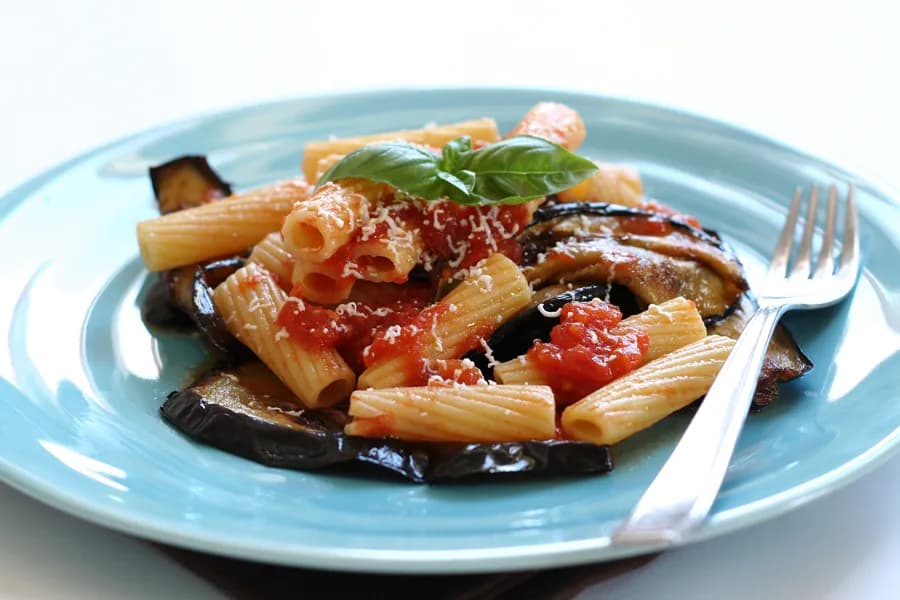
Pasta alla Norma is Catania's signature primo: fried aubergine folded through fresh tomato sauce, finished with basil and a generous grating of ricotta salata over maccheroni or rigatoni. It is the dish to order first in the city, and it doubles as a fair test of any kitchen, because shortcuts show up immediately. This guide covers what goes into the plate, the story behind the name, how it is built, and where to order it.
The name is usually tied to Vincenzo Bellini, the Catania-born composer whose opera Norma premiered at La Scala in 1831, and locals still say a thing is "alla Norma" when it is excellent. Treat that as the story rather than settled fact. What is not in doubt is the cooking: the aubergine is fried separately from the sauce, and the ricotta salata must be fresh.
What pasta alla Norma is
At its core the dish is four things: aubergine (melanzana), tomato, basil and ricotta salata, a firm salted ricotta that is grated over the top rather than stirred in. The pasta is short, typically maccheroni or rigatoni, so the sauce and softened aubergine catch in the tubes and ridges. Nothing else is needed, which is why the quality of each part is so visible on the plate.
The tomatoes are chosen by season, and the two names to know are costoluto di Pachino and riccio catanese, the ribbed local varieties used for the sauce. Both give a fresh, sweet-sour base that stands up to the fried aubergine without masking it. A kitchen that reaches for passata out of habit will produce a flatter plate, and you can taste the difference.
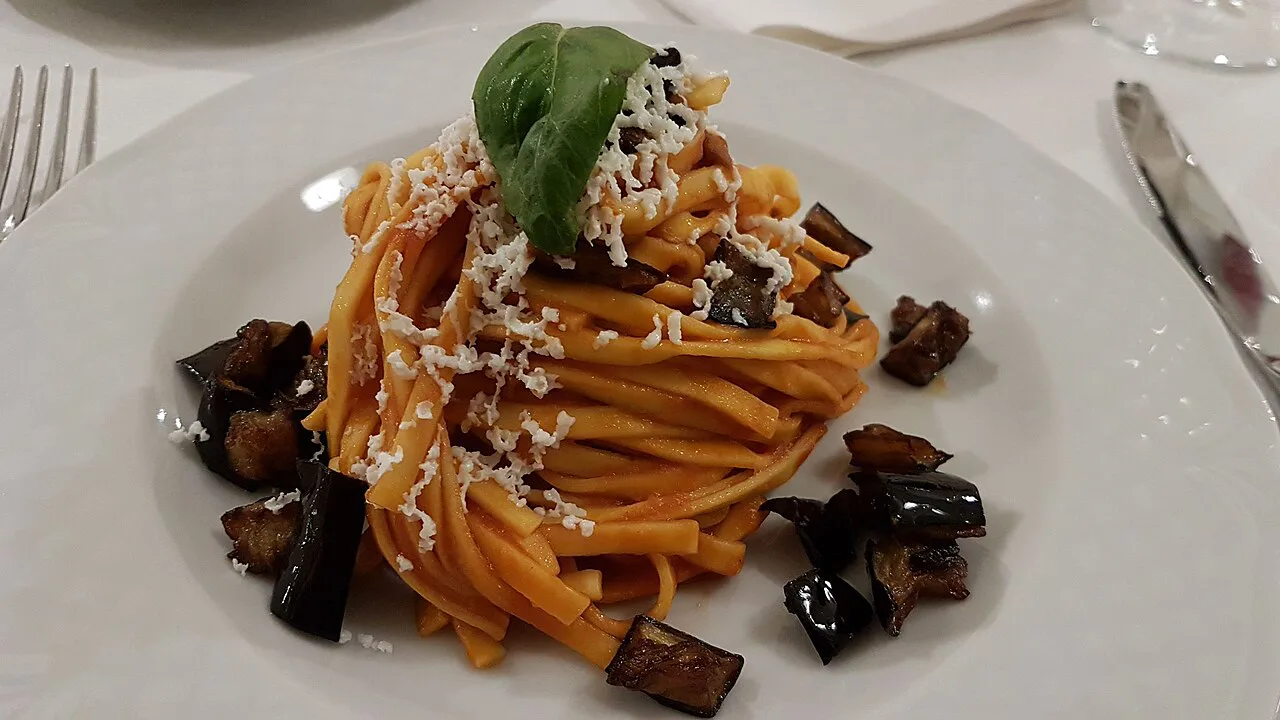
Why it is called alla Norma
The usual explanation is that the dish was named for Bellini's opera, a work so admired that Catania adopted its title as a compliment. In local speech, calling something "alla Norma" means it has reached the top of its class, and the pasta inherited the phrase. Other versions of the story circulate, including one that the dish was made to console the composer after a difficult opening night.
There is a nice coincidence buried in the tale: the soprano who created the role of Norma in Milan was named Giuditta Pasta. Whether or not that fuelled the naming, the Bellini connection has stuck, and Catania has never let go of it. When you order the dish, you are eating a piece of civic pride as much as a plate of pasta.
What goes into the plate
A home recipe for four typically calls for 400 g of short pasta, about 500 to 800 g of aubergine depending on size, ripe tomatoes or good tinned ones, garlic, basil, olive oil for the sauce and plenty of oil for frying, plus ricotta salata to finish. Quantities flex with what is in the market, but the ingredient list does not. If a menu version lists cream, mozzarella or peppers, it is not the classic dish.
The aubergines are sliced, salted in a colander and left to drain for around half an hour so they lose their bitterness and much of their water. They are then rinsed, dried thoroughly and fried until golden. Skipping the salting step is the most common shortcut, and it leaves the aubergine soggy and the sauce watery.
How it is made
The sauce is built separately: garlic gently fried in olive oil, then fresh tomatoes cooked down for twenty minutes or so with basil and a little salt. The aubergine is fried on its own, drained on kitchen paper and added at the end so it keeps its texture instead of dissolving. A few whole slices are usually held back to lay under and over the finished plate.
The pasta is boiled in well-salted water, drained a couple of minutes short of the packet time and finished in the sauce so it absorbs the tomato. The fried aubergine goes in last, then the plate is finished with grated ricotta salata and fresh basil leaves. That final grating matters: the salt and slight tang of the cheese are what lift the whole dish.
Where to eat it in Catania: Buatta
Buatta is the Catania restaurant to know for this plate. Its kitchen is led by Dina Ferrari, a self-taught chef whose pasta alla Norma won the Foodish episode devoted to the dish, with Joe Bastianich praising the balance of the aubergine and the freshness of the ricotta salata. The restaurant began as a craft beer bar serving tapas in jars, which is where the name comes from, and its cooking has won attention from important guides.
Order the Norma as your primo and share a couple of other plates from the menu alongside it. The Cunzatizzu is a seasoned bread made from the same dough as the pizza, and the aubergine polpette are the vegetable version of the city's meatballs. That combination gives you the kitchen's range in one sitting.
For the wider picture of where to eat in the city, from trattorias to smarter rooms, the best restaurants in Catania lays out the options by style and budget.
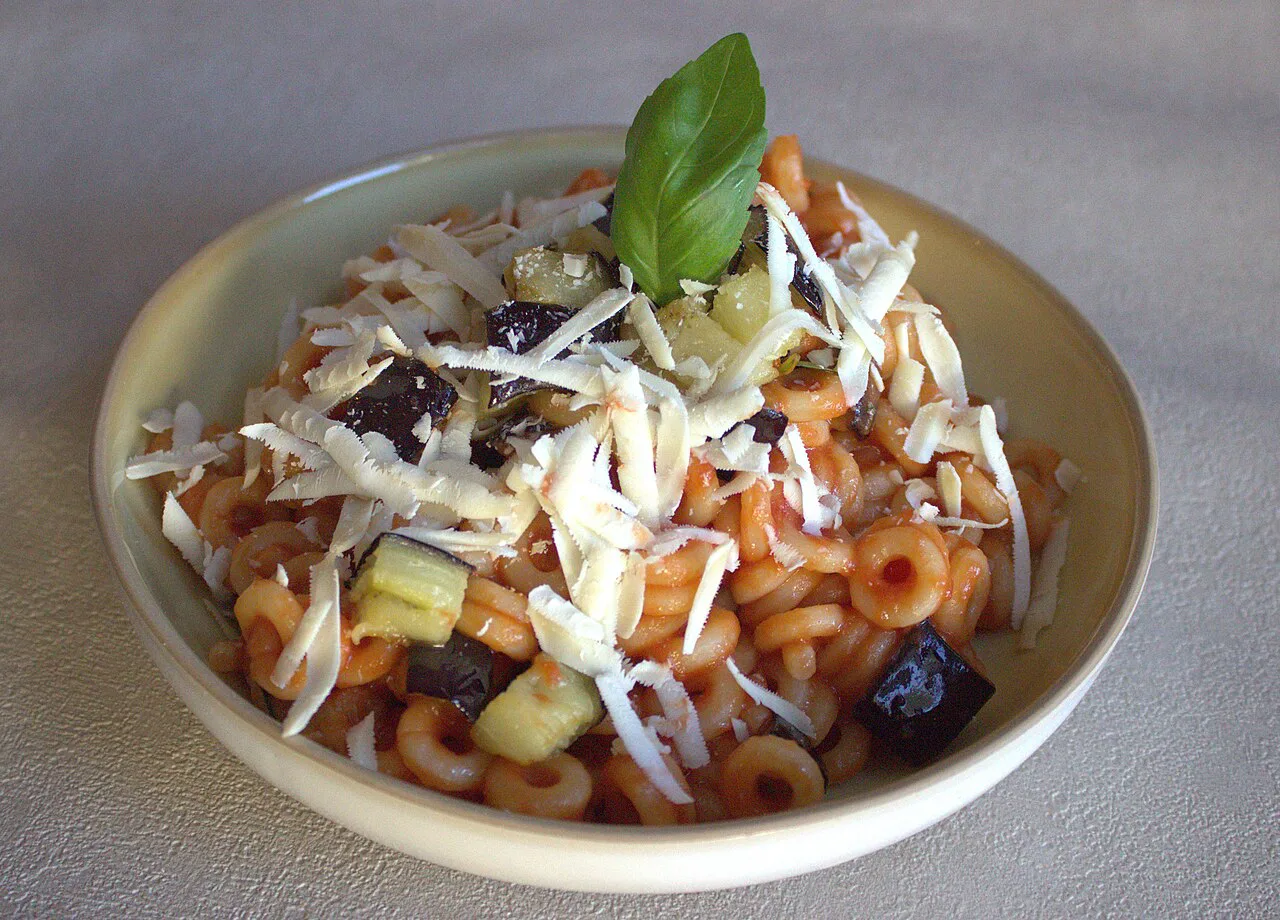
How to order it
Pasta alla Norma is a primo, so it arrives before the second course rather than as a standalone main. Portions in Catania are generous, and a primo plus a shared antipasto is usually enough for a light lunch. If you want a full menu, follow it with fish or grilled meat and keep the pasta as the opening act.
The dish is a good measuring stick for a trattoria because it cannot be faked. Fried aubergine has to be done to order or close to it, the tomato sauce has to taste of tomato rather than sugar, and the ricotta salata has to be fresh enough to grate cleanly. A plate that gets all three right is a kitchen worth returning to.
Bread and pizza dough turn up in unexpected places on Catania menus, and the best pizza in Catania covers where to find it done properly.
Why it is a fair test of a kitchen
The dish has nowhere to hide. The aubergine has to be salted, dried and fried properly, the tomato sauce has to be cooked down rather than rushed, and the ricotta salata has to be fresh. Each step is simple, and each one can go wrong in a way you will notice on the first forkful.
That is why a good Norma says so much about a kitchen. A plate with crisp-edged aubergine, a bright tomato sauce and a generous grating of ricotta salata tells you the kitchen cares about the basics. A soft, oily version tells you the opposite, and no amount of dressing on the plate will fix it.
Ordering your first Norma in Catania
Start with the classic version at Buatta, then compare it with the Norma at a smaller trattoria to see how the kitchen handles the aubergine and the ricotta salata. Both will show you what Catania means when it calls something "alla Norma".
If you want to cook it at home afterwards, the salting and separate frying are the two steps to get right. Everything else is good tomatoes, good olive oil and a fresh grating of ricotta salata at the end.
Explore more Catania food guides
Frequently Asked Questions
What are the ingredients for pasta alla Norma?
Short pasta such as maccheroni or rigatoni, aubergine, fresh tomatoes, garlic, basil, olive oil and grated ricotta salata. Some cooks add a little pepper, but the classic plate has no cream, mozzarella or peppers.
What is the sauce for aubergine pasta?
A simple fresh tomato sauce cooked with garlic and basil, with the fried aubergine folded through at the end. The ricotta salata is grated over the top rather than stirred into the sauce.
Is pasta alla Norma vegetarian?
Yes. The classic version is made from pasta, aubergine, tomato, basil, olive oil and ricotta salata, with no meat or fish. If you are avoiding dairy, ask the kitchen, because the ricotta salata is essential to the dish.
Sources
Notes for your next meal in Italy
Optional updates to our food guides.
You might also like
Continue reading
More guides you'll find useful