Cooking Classes in Montepulciano: Which Tuscan Class to Book
Compare cooking classes in Montepulciano by what you make, how long the class runs and what the fee covers, from a short pasta session to a full Tuscan menu.
On this page
Book a short pasta class if you want your hands in flour and a meal at the end of it without giving up a whole afternoon; book a longer full-menu class if the cooking is the main event of the day. The split matters more than star ratings, because a one-and-a-half-hour session and a five-hour Tuscan menu cost and feel like completely different outings. This guide compares what the classes around Montepulciano actually teach, how the formats differ and what the fee covers.
What a Montepulciano cooking class usually covers
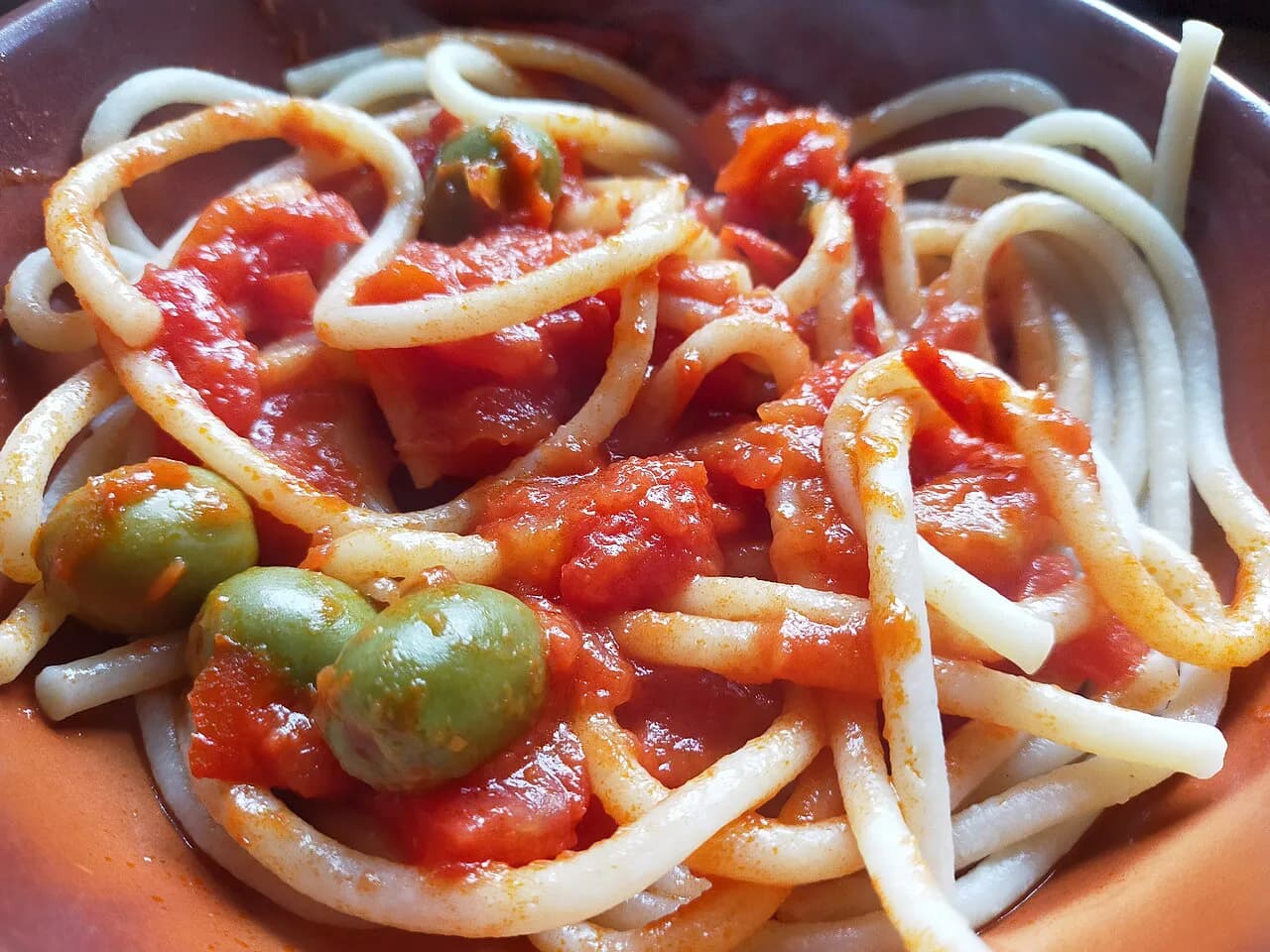
Almost every class in the area is built on fresh pasta, because that is what a Tuscan kitchen can teach in a few hours and what visitors most want to recreate at home. The recurring repertoire is pici, the fat hand-rolled spaghetti that is Tuscany's signature pasta, along with ravioli and tagliatelle dressed with simple traditional sauces. Classes at agriturismi often add crostini toscani (grilled bread with a chicken-liver topping) and a tiramisù for dessert. If you want to understand what makes pici different from the rolled pasta you make at home, our guide to pici explains the shaping and the sauces that go with it.
The teaching happens while you work rather than as a lecture: instructors talk through the history of the dishes and local farming traditions as the dough comes together. That means the useful information arrives in fragments, so ask about flour type, resting time and the sauce ratio while your hands are busy. Classes are pitched at beginners, so nobody expects you to have made pasta before, and language and timing are confirmed when you book.
Short pasta-only classes: what you make and who they suit
Podere La Rocca, an agriturismo at Abbadia di Montepulciano just outside town, runs the short format: a chef walks you through fresh pasta including pici, ravioli and tagliatelle with simple traditional sauces, and the session lasts about an hour and a half, excluding the time set aside for the meal. The class costs €120 per person, which covers the ingredients, the equipment and the lunch that follows; drinks are not included, and the estate's own wine list is available to order. Cancellation is free up to 24 hours before the experience, after which the full amount is charged.
That format suits anyone who wants a hands-on hour and a proper lunch without blocking out an entire day, including families with older children and couples fitting a class around other plans. The trade-off is depth: an hour and a half is enough to learn the shaping of pici, but not enough to work through a multi-course menu or linger over technique. Budget separately for drinks, because the per-person fee does not stretch to wine.
Full-menu classes with a longer sit-down meal
The longer format at Podere San Pietro spreads a three-hour class across fresh pasta, pizza, crostini toscani, hand-made ravioli, pici and a tiramisù, so you leave with several techniques rather than one shape. Wine and water are included in the class, and the meal you have cooked is eaten outdoors in the gardens with a view over the Montepulciano countryside. Special menus and children's menus are available on request. The class runs with a minimum of two people.
This is the better pick if cooking is the reason for the trip and you want to sit down afterwards to a spread you made yourself. It also works for a couple, since two people is the minimum, but solo travellers should plan to join a group or pay for the second place if the class requires it. Prices are quoted on request rather than published, so ask when you enquire.
Classes run in a farmhouse kitchen outside town
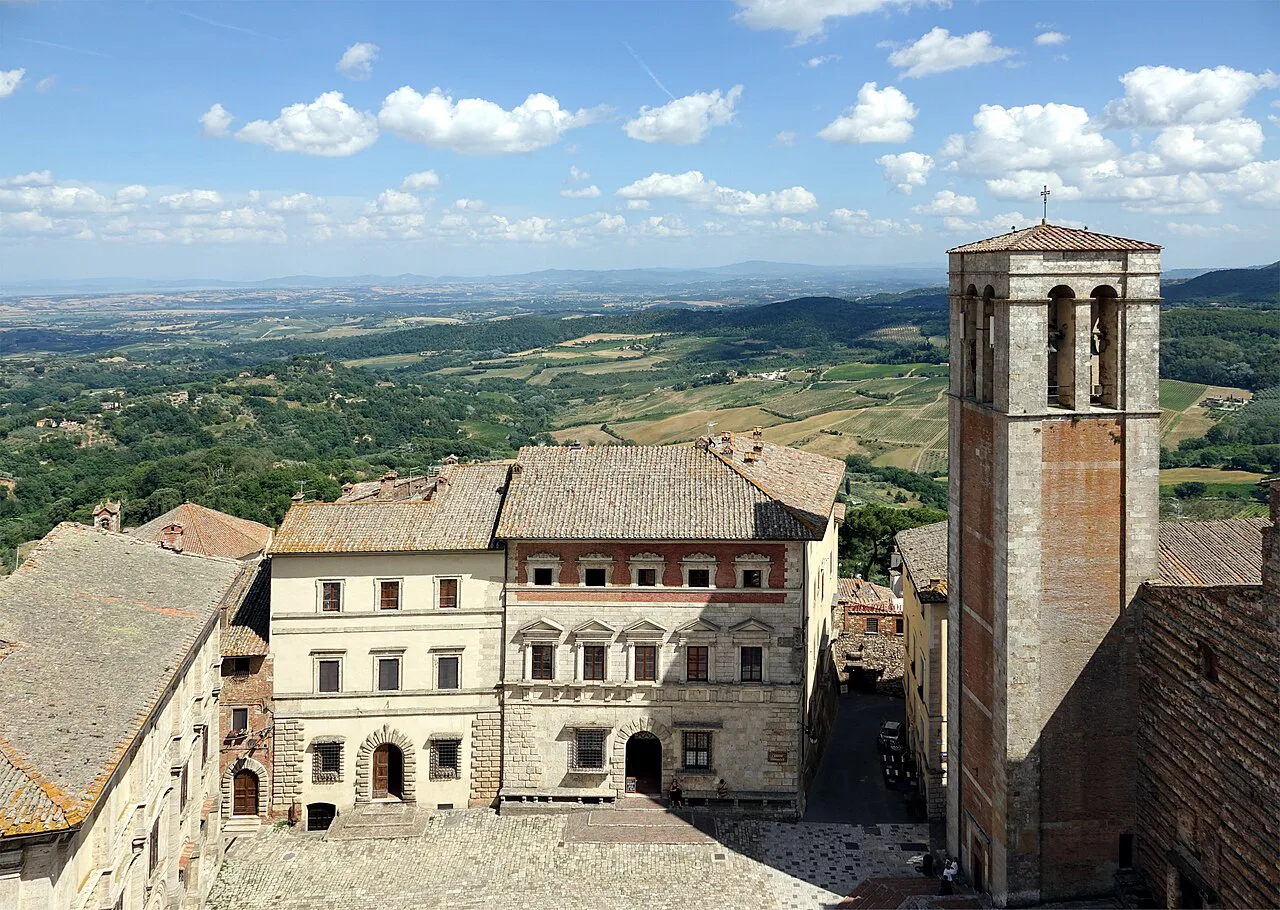
Both of the named classes happen on working agricultural estates in the countryside around Montepulciano rather than in the town centre, and Podere La Rocca sits at Abbadia di Montepulciano, a hamlet below the hill town. That means you need to plan transport: a car is the straightforward option, and a taxi from Montepulciano needs booking ahead. If you are staying in town without a car, ask the estate at the time of booking whether they can suggest a driver or whether a transfer is offered.
The setting is part of the appeal: Podere San Pietro surrounds its casale with an olive grove, and classes finish in the garden rather than a dining room. Arriving flustered after a wrong turn into a vineyard lane spoils the mood, so leave more time than the map suggests for the final stretch of white road. Keep the class as its own outing rather than squeezing it between a morning in the town and an evening booking.
Private and small-group formats, and minimum numbers
Classes here are small by design, and Podere San Pietro publishes a minimum of two people per class, which is the practical detail to plan around. Couples and pairs of friends fit naturally; solo travellers should ask whether they can join an existing group or whether the class only runs as a private booking for two paying places. Larger groups and families can ask about dedicated sessions, and the same request is the moment to raise children's menus.
Private bookings usually mean a date of your choosing subject to the estate's availability, so enquire early if your trip has fixed dates. When you write, state the number of adults and children, whether anyone needs a special menu, and whether you need help with transport; those three answers shape the quote more than anything else.
Prices per person and what the fee includes
The published prices sit at very different levels, and the gap reflects duration and what comes with the meal rather than quality. Podere La Rocca charges €120 per person for its short pasta class, with ingredients, equipment and lunch included but drinks extra. Podere San Pietro includes wine and water in its three-hour class but quotes prices on request. Comparison sites list a spread of Montepulciano classes from around €65 to €265 per person for sessions of roughly three to five hours, which is a useful sanity check on any quote, though Explorevia's figures are third-party listings rather than the farms' own rates.
Compare fees on what is actually included: ingredients, equipment, the meal that follows, and drinks. A cheap class where you pay for wine on top can end up costing more than a higher fee with wine included, and a longer class that covers a full lunch replaces a restaurant meal you would otherwise buy. Read the inclusions line before you decide the price is high or low, and ask for the all-in figure per person when you enquire.
Booking lead time and cancellation terms
Booking windows differ in a way that matters for a tightly planned trip. Podere San Pietro asks for a minimum of three days' notice, so a spontaneous decision the day before will not work there. Podere La Rocca's terms allow free cancellation up to 24 hours before the class, with the full amount charged after that. Book as soon as your dates are fixed, particularly for a class that requires a minimum number of participants.
Keep the confirmation email with the meeting point and arrival time, and check whether the stated start time is the class itself or an arrival for coffee beforehand. For a rural estate, a late arrival can mean missing the first steps of the dough. If your plans might shift, favour a booking whose cancellation window is shorter.
Dietary requests and children on the class
Say what you need at the booking stage, not on the day. Podere San Pietro offers special menus and children's menus on request, which is the practical route for a vegetarian in the group or a child who will not eat what the adults are cooking. Because fresh pasta class menus are built around egg dough and the sauces of the day, a meat-free or gluten-free version usually has to be planned rather than improvised, so spell out the requirement in your enquiry and confirm the answer in writing.
Children are welcome in the sense that family menus can be arranged, but a working kitchen with boiling water and sharp tools is not a playground, so ask what age the estate recommends and whether a parent must stay with younger children. A shorter pasta class is generally easier for a family than a long full-menu session, because attention spans run out before the dessert does.
How to choose between a pasta class and a full Tuscan menu
Choose the shorter pasta class at Podere La Rocca if you want a focused hour and a half on pici, ravioli and tagliatelle, a lunch included in the fee, and the rest of the day free; accept that drinks are extra and the teaching stays close to pasta. Choose the three-hour class at Podere San Pietro if you want a broader spread including pizza, crostini and tiramisù, wine included and a garden meal, and you can commit three days ahead for at least two people.
Weigh three things before booking: how much of the day you want to give up, whether you would rather pay one all-in fee or order wine separately, and how much notice you can give. If you are solo, ask first about joining a group. Once the class is booked, use the rest of your eating plan around it, starting with our guide to the best restaurants in Montepulciano for the evenings when you are not cooking.
Which class should you book?
For most visitors the decision comes down to time and appetite: the short pasta class suits a full holiday schedule and anyone who wants lunch included without a long sit-down, while the longer garden class suits couples and families who want to cook several dishes and eat them with wine already paid for. Book the longer class at least three days ahead and confirm the price in writing, since it is quoted on request rather than published.
Whoever you book with, treat the class as the anchor of that day rather than a filler between other plans, sort transport to the estate in advance, and put dietary needs and children in the first email. Check current dates and prices with Podere La Rocca or Podere San Pietro before you travel.
Explore more Montepulciano food guides
Sources
Notes for your next meal in Italy
Optional updates to our food guides.
You might also like
Continue reading
More guides you'll find useful