Best Food Cities in Italy: What to Eat in Each One
Italy's best food cities, chosen by what lands on the plate: Roman pasta, Bolognese ragù, Palermo street food and more, with the dish to order in each.
On this page
The best food cities in Italy are Rome, Bologna, Modena, Florence, Palermo, Naples, Venice, Lecce and Turin, with Umbria's hill towns and eastern Sicily close behind. Each is picked here for what actually reaches the plate, from Rome's canon of pecorino-and-guanciale pastas to Palermo's fried street food. This guide works city by city, naming the dishes to order and the market or quarter where each city's food culture concentrates, so you can build a trip around eating rather than sightseeing.
What makes an Italian city a food city
Italian cooking is regional before it is national, and the ingredients follow the land. The north is generally too cold for olive groves, so butter dominates and the cooking runs to rice and corn: creamy risottos and polenta-based desserts rather than tomato sauces. The south leans on tomato, olive oil, seafood and dried pasta, while central Italy holds the classic heartland of simple, rich flavours in Tuscany, Umbria and Rome.
A second marker is campanilismo, the fierce local loyalty to the view from your own bell tower, which is why the correct pasta shape and the right cheese matter so much. Swap the pecorino or add cream where it does not belong and you have changed the dish, not improved it. Italy also has more registered geographical food and wine specialities than anywhere else in Europe, which is why a city's name on a label carries weight.
Rome: the four Roman pastas and where they sit on the menu
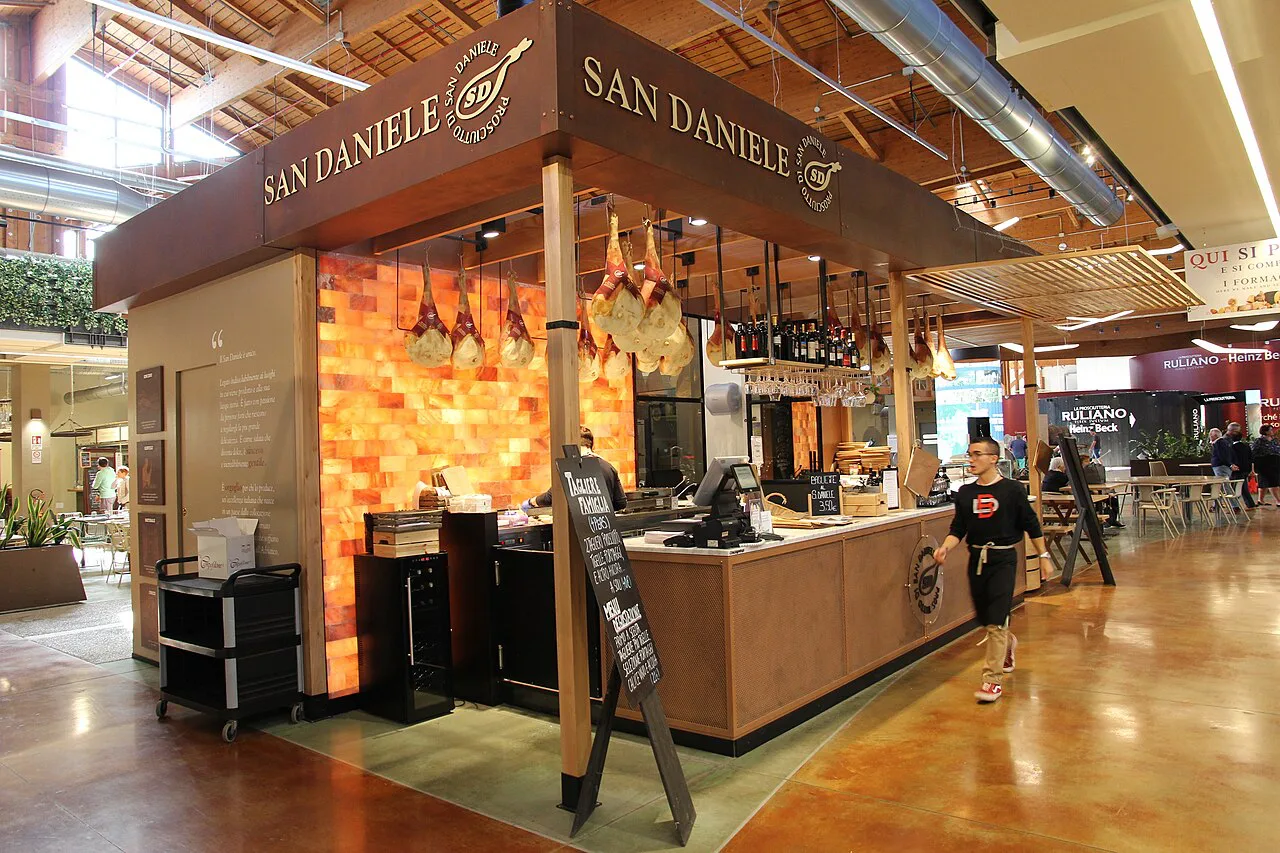
Rome's case rests on a quartet of pastas you will find in most old-school trattorias: cacio e pepe (cheese and black pepper), carbonara, amatriciana and alla gricia. Order them as a sequence across a few meals rather than trying all four at once, because each is built on the same base of pecorino, guanciale (cured pork cheek) and pepper, with tomato arriving only in amatriciana. The versions outsiders know best are the ones most often got wrong: carbonara should be egg, cheese, guanciale and pepper, with no cream in sight.
What makes an Italian city a food city: Italian cooking is regional before it is national, and the ingredients follow the land.
Rome: the four Roman pastas and where they sit on the menu: Rome's case rests on a quartet of pastas you will find in most old-school trattorias: cacio e pepe (cheese and black pepper), carbonara, amatriciana and alla gricia.
Bologna: ragù, mortadella and the artisan food shops: Bologna is a food destination in its own right, and much of its reputation sits in the artisan shops rather than in restaurants with views.
Between pasta courses, Rome eats on its feet. Supplì are oval fried rice balls with a breadcrumb shell, sold at pizzerias and street-food counters, and pizza e mortazza is pizza bianca stuffed with thin slices of mortadella. Both make a proper quick lunch rather than a snack to fill a gap, and they cost far less than a seated menu tavola. For a sit-down dinner with greater ambition, the Michelin Guide is the place to check which Rome kitchens currently hold stars.
Bologna: ragù, mortadella and the artisan food shops
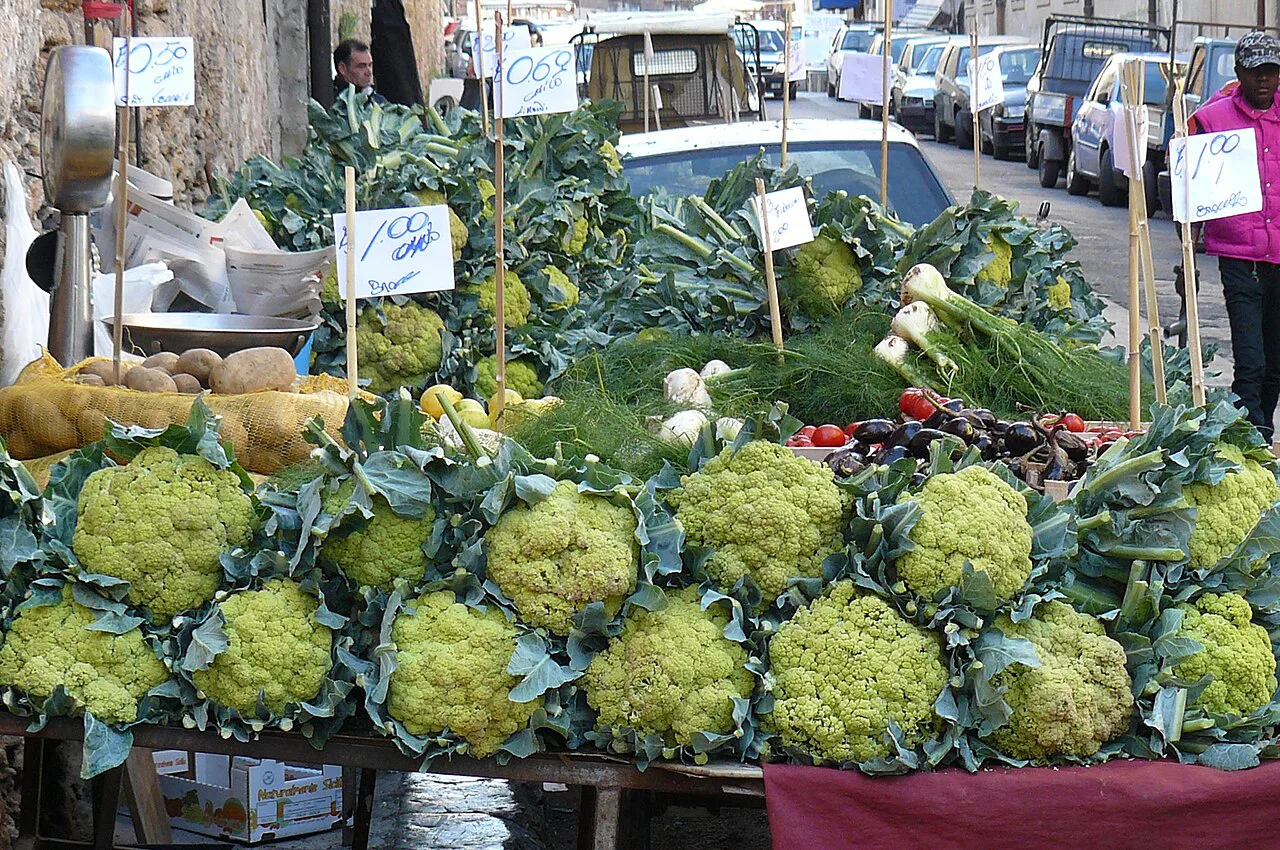
Bologna is a food destination in its own right, and much of its reputation sits in the artisan shops rather than in restaurants with views. Expect counters stacked with mortadella (the fat-speckled pink sausage), prosciutto and salami, and a glass of Lambrusco alongside. The city's signature pasta is tagliatelle al ragù, a slow meat sauce clinging to ribbon pasta, which is the dish to order on a wet day.
This is where a cooking class earns its place in the trip. Hand-rolling pasta and building a proper ragù teaches you why the sauce is cooked for hours and why the pasta is egg-rich and wide enough to carry it. If you want a kitchen session built around a single dish, pasta-making classes in Italy are the most direct route into the technique, with Bologna and Emilia-Romagna the natural base.
Modena: balsamic vinegar and the protected foods of Emilia-Romagna
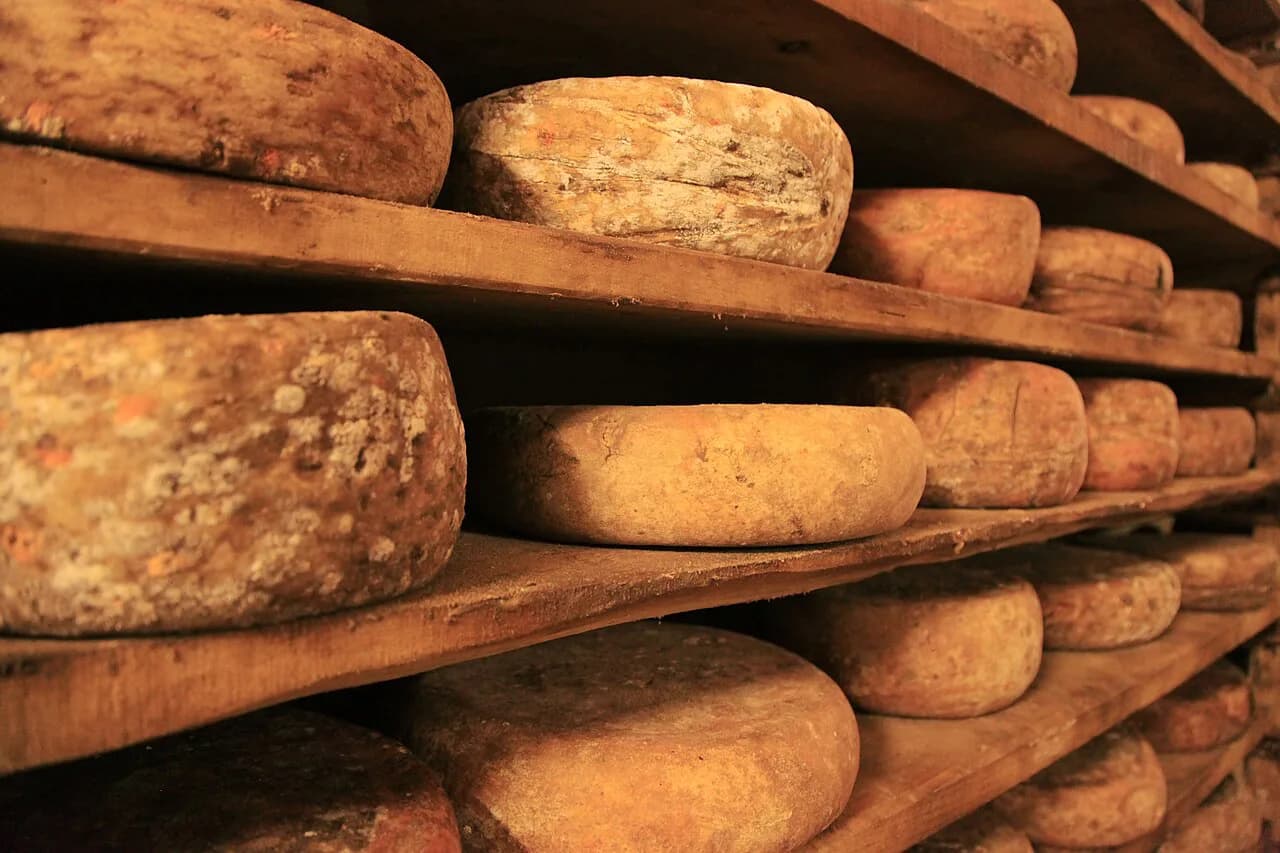
Emilia-Romagna is often called Italy's unofficial food capital, and Modena is its vinegar town. Balsamic vinegar is aged in an acetaia, the attic where the barrels sit, and visiting one shows you why the good stuff is syrupy and expensive rather than sharp and cheap. The region's three benchmark products travel together: Parmigiano Reggiano cheese, prosciutto di Parma and balsamic vinegar from Modena.
Parmigiano Reggiano is a hard, crystalline cow's-milk cheese aged for months and eaten as a table cheese or grated over pasta, and it is one of the clearest expressions of the region's protected status system. Buy it from a salumeria or caseificio rather than a souvenir shop, and ask to taste before you commit to a wedge. Cheese is worth carrying home if you have room, which is why a guide to Italian cheese is useful before you shop.
Florence: bistecca alla fiorentina and truffles from the countryside
Florence eats two ways. The first is the market: around the Mercato Centrale you can sample crostini and pasta topped with truffles foraged in the surrounding countryside. The second is the trattoria, where bistecca alla fiorentina, a massive T-bone steak made with Chianina beef, arrives to be shared rather than ordered solo. Treat the steak as a group dish and order a pasta first, not alongside.
Florence is also where the American-style sandwich truck tradition of tripe rolls sits alongside the fancier dining rooms, so the budget and the blowout exist on the same streets. If you would rather cook than eat out, classes in the city often build a whole menu around the market's morning haul, and cooking classes in Italy run from half-day pasta sessions to full-market visits.
Palermo: street food and the Vucciria market
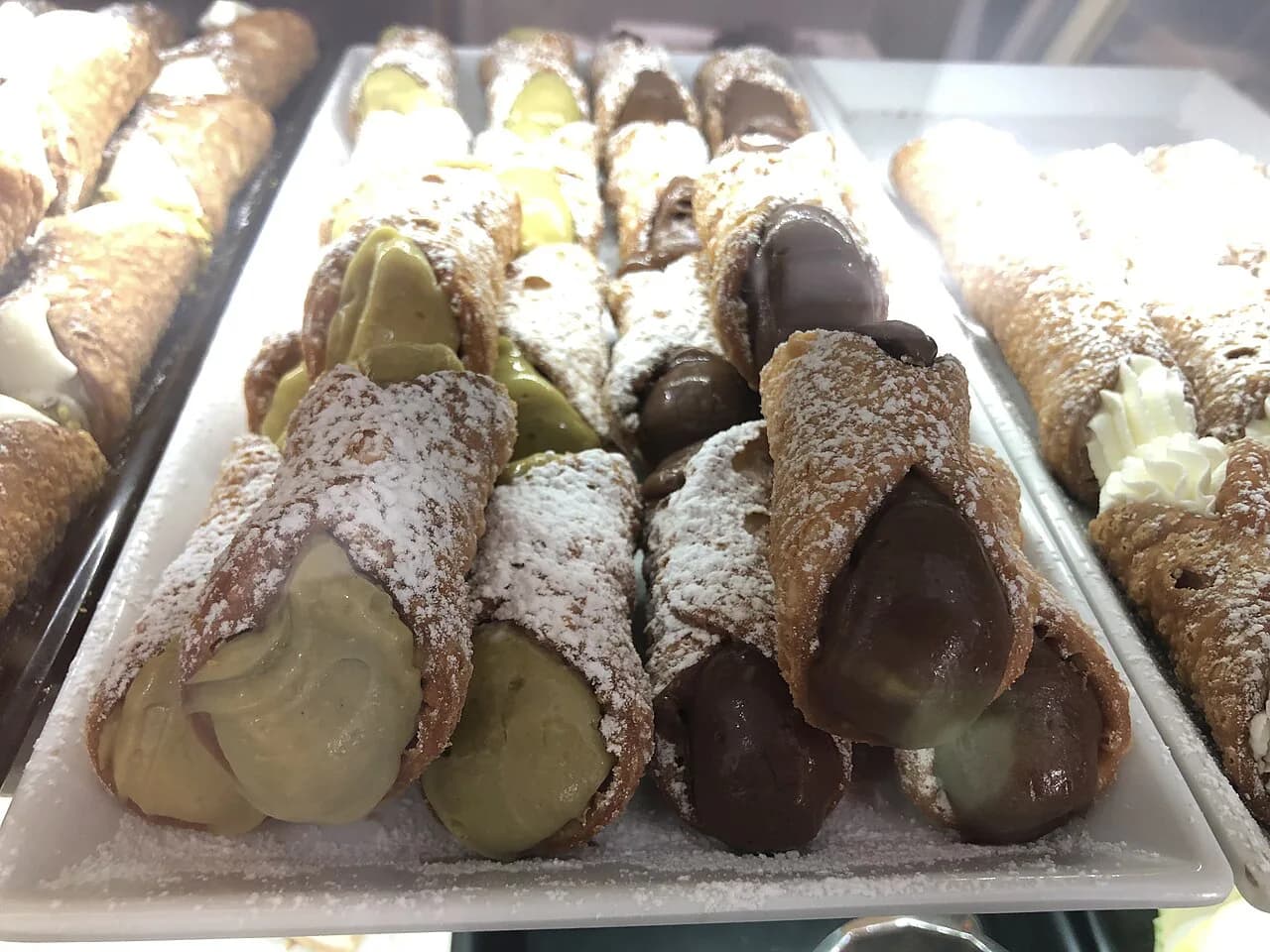
Palermo is the southern counterweight, with a street-food culture centred on the Vucciria market. Sicily's fried specialities are the point of the visit: arancini, the stuffed and fried rice balls, sit alongside seafood and vegetable fritters sold from counters and carts. Calabria, further south on the mainland, is where peperoncino, the hot chilli pepper, shapes the cooking, turning up in pasta, fish dishes and 'nduja sausage.
Eat a market lunch rather than a seated one and you will see more of the city in an hour: the frying, the weighing, the paper-wrapped portions. If the fish counters tempt you, the wider grammar of Italian seafood is worth knowing before you order, because names for squid, anchovies and swordfish shift by region.
Naples: pizza and fried street food in a paper cone
Naples is the birthplace of pizza, and the city wears that claim lightly, with pizzerias on nearly every corner. Street food runs in parallel: pagnottiello is a dough enriched with cheese, pancetta and salami, and cuoppo is a paper cone of small fried things, eaten while you walk. The trade-off is between a sit-down pizza and a cone on the street: the cone is cheaper and faster, the sit-down gives you the full ritual.
Fried food is not a garnish in Naples but a whole course, so order two or three small items rather than one large one and share. If you want to learn the dough properly, a hands-on session in the city is the best way to understand why the crust behaves the way it does.
Venice: cicchetti with a drink at the counter
Venice eats standing up, and the small snacks known as cicchetti are the city's real food culture: tiny crostini, fried bites and cheese, eaten at the counter with a glass of something light. The habit is close to aperitivo, and the classic Venetian drink is the spritz, built on Aperol or prosecco. Order two or three cicchetti, pay as you go, and treat the counter as the table.
The trade-off in Venice is location: bars on the main canals charge for the view, while the small counters in the backstreets serve the same food to people standing elbow to elbow. Choose the second kind if you actually want to eat rather than photograph the plate.
Lecce and Puglia: orecchiette, burrata and olive oil
Puglia's cooking belongs to the fields: wheat, olives, tomatoes and seafood, with a peppery olive oil that arrives on the table rather than in a bottle to take home. Orecchiette are the ear-shaped pasta served with turnip tops, and burrata is the cream-filled pouch of mozzarella split open at the table. Order both in one sitting and you have the region on a plate.
Lecce, in the Salento, is the city base for this eating, with seafood and grilled vegetables alongside the pasta. Keep the wine simple with the food: a glass of Primitivo with tomato sauces and hard cheese is the local register.
Turin and Piedmont: butter, rice and corn
Piedmont is the northern register in its purest form: butter, rice and corn rather than olive oil and tomato. Expect risotto and polenta-based cooking, with richer, meatier dishes than the south, and fewer pasta courses than a Roman menu. This is the place to test whether you actually like northern Italian food, or only the southern version.
The benchmark dishes of this northern tradition are the saffron risotto of Milan and the slow-cooked osso buco made with veal, both Lombard rather than Piedmontese, so treat them as the wider northern register the region belongs to. Order them if you can, because together they show the point of northern cooking: long cooking, few ingredients, deep flavour.
Umbria and inland cooking: truffles, pork and hill-town kitchens
Umbria has no coast, and its cooking is earthier for it: hill-town kitchens built around truffles, pork and inland produce. The truffle appears with strangozzi, the long, uneven pasta that carries the oil and scent better than a smooth shape would. Eaten in a hill town rather than a city, it is the best argument for leaving the big-name destinations.
Umbria is also where the logic of local, seasonal produce makes obvious sense, because the menus have no choice but to work with what is nearby. If you are planning a trip around food rather than around cities, the Umbrian hill towns deliver more per meal than the big centres. For the wider picture of how that approach works in Italy, Slow Food in Italy is the useful starting point.
Sicily beyond Palermo: seafood, arancini and chilli
Eastern Sicily runs on seafood, arancini and chilli, with the sea arriving on the plate and the chilli arriving in almost everything. Catania and Syracuse are the natural bases, and the fish markets there are the place to see what the boats brought in. The cooking here is more direct than the mainland south: grilled fish, fried rice balls, and peperoncino used as a seasoning rather than a warning.
If you want to see the frying done properly, a market lunch is the cheapest lesson in Sicilian cooking you can buy. The same logic applies in Palermo: order what is being fried in front of you rather than what is printed on a tourist menu.
How to pick between them on one trip
Two cities in a week are better than four: one menu per meal, no rushing. Pair a northern city with a southern one only if you want the contrast of butter and rice against tomato and oil, because the two halves of the country eat differently enough to feel like different trips. Keep the cities within a region and you will also notice the smaller differences, like the pasta shape that follows the sauce.
Build each day around one market or one dish. Rome gets the four pastas and the street-food counters, Bologna gets the shops and the ragù, Modena gets the vinegar and the cheese, and Palermo gets the frying. If your budget is tight, weight the trip towards street food and market lunches, and keep one sit-down dinner per city.
Which food city should you book first?
If you only get one, book Rome: the four pastas, the supplì and the pizza e mortazza give you the widest range for the effort. If pasta is the point rather than the starter, book Bologna, where the shops and the ragù reward a slower pace and a cooking class.
For a trip that feels like eating rather than touring, add a southern city: Palermo for frying, Naples for the cone. Wherever you go, check whether a place takes bookings before you build a day around it, because that is the detail that most often breaks a food itinerary.
Explore more Italy food guides
Sources
Notes for your next meal in Italy
Optional updates to our food guides.
You might also like
Continue reading
More guides you'll find useful