Pici: Tuscany's Hand-Rolled Pasta and Where to Eat It in Montepulciano
Pici are hand-rolled Tuscan pasta of flour, water and salt, served with ragù, aglione or cacio e pepe. Where to eat them around Montepulciano.
On this page
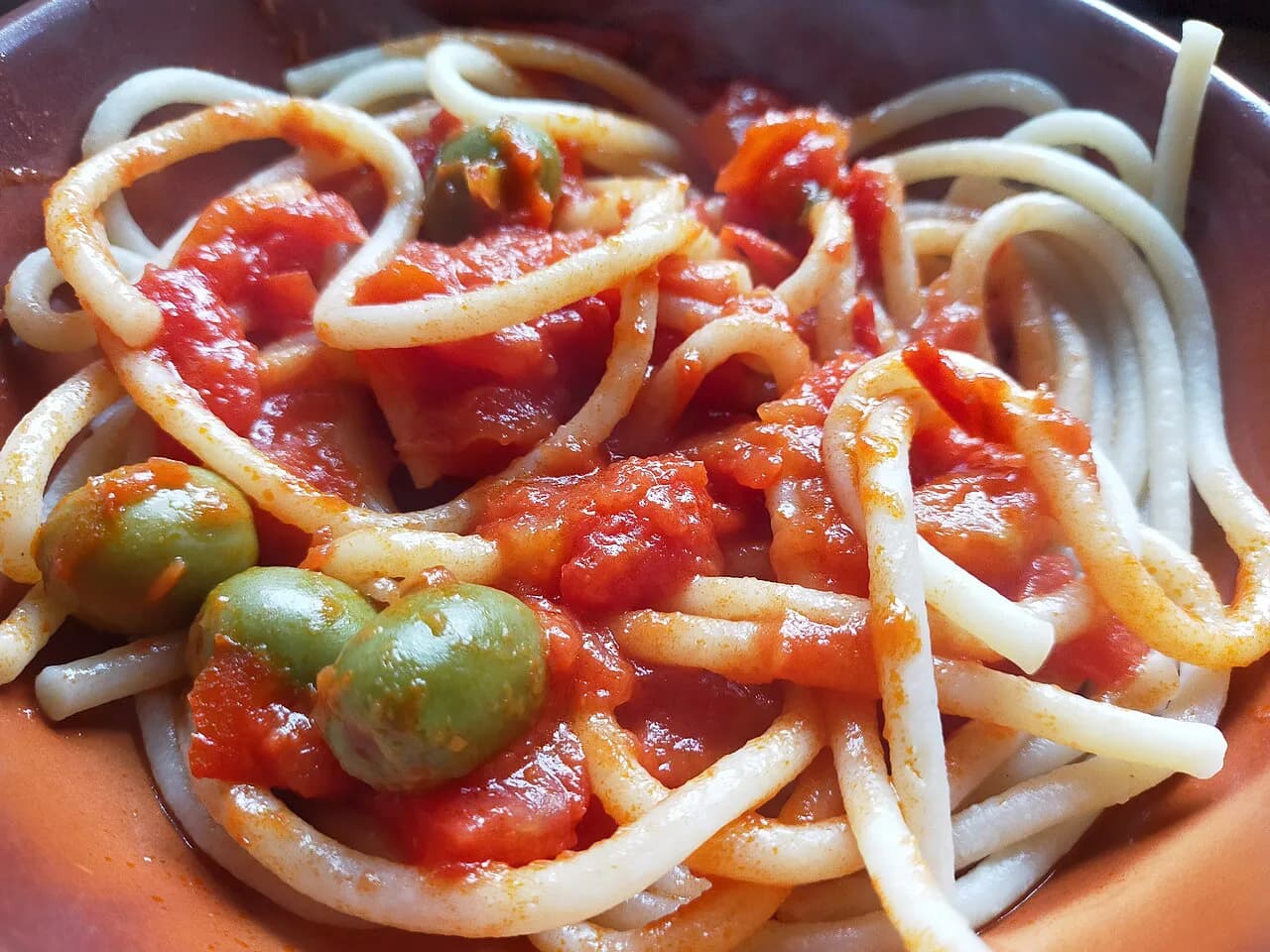
Pici are Tuscany's hand-rolled pasta: thick, uneven strands made from flour, water and salt and rolled out by hand rather than extruded. In and around Montepulciano they turn up dressed with ragù toscano, a garlicky tomato sauce called aglione, or simply cacio e pepe (cheese and pepper). This guide explains what makes them different from spaghetti, how they are served, and where to eat them a short drive from Montepulciano's centre.
The dish is rustic and filling, so it rarely needs a second pasta course. Order one plate, ask which sauce the kitchen has made that day, and leave room for the grilled meat that usually follows in this part of Tuscany.
What pici are
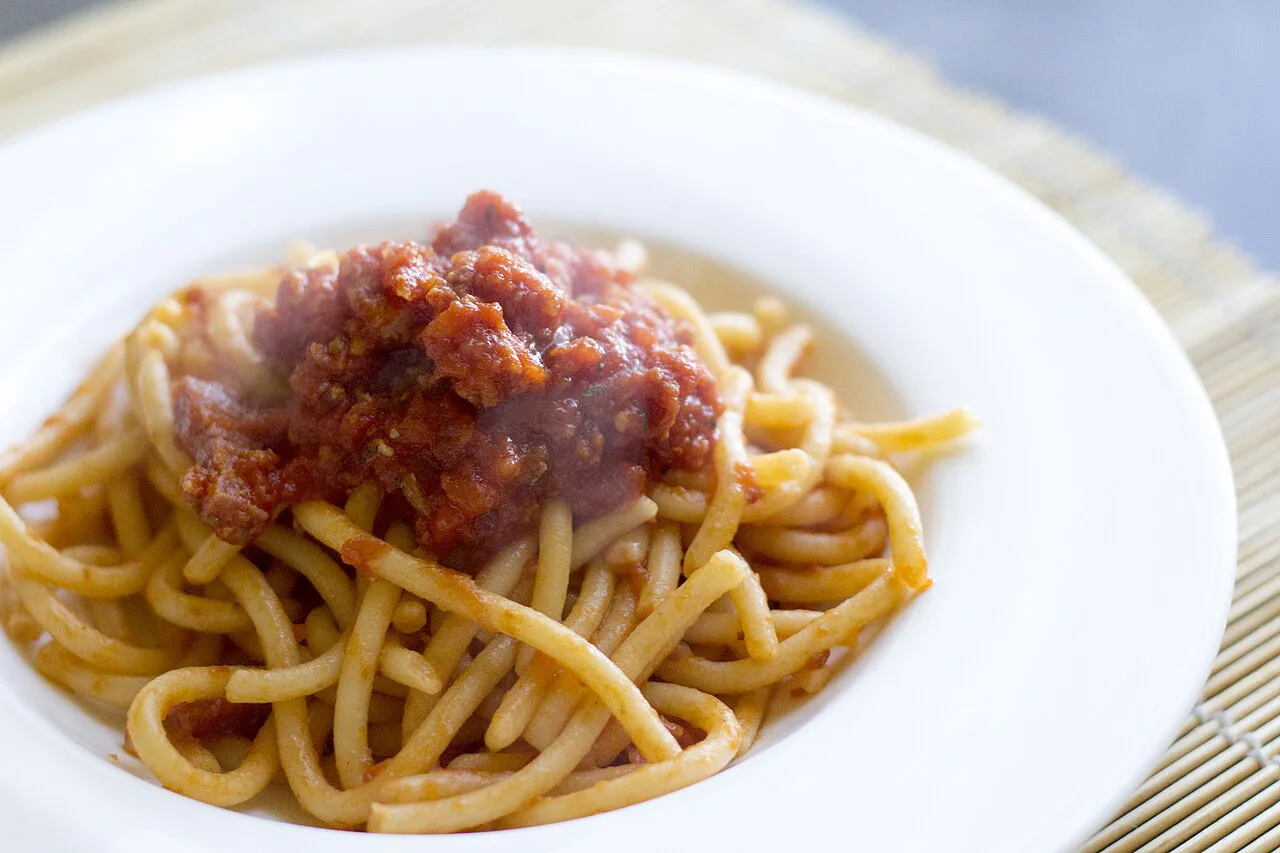
Pici are a poor-kitchen pasta in the best sense: flour, water and salt, worked into a firm dough and rolled into short, fat strings. They are chewier and more uneven than factory pasta, with a rough surface that holds sauce well. A plate of pici should look handmade, not uniform.
Eggs are not part of the classic dough. Fattoria Pulcino describes eggs as rarely tolerated in pici and used only to give colour, which is worth knowing if you are comparing them with egg pasta such as tagliatelle or pappardelle.
Because the dough is lean, pici take robust dressings without turning heavy. That is why you tend to see them with meat ragù, with garlic and tomato, or with pecorino and black pepper rather than with delicate cream or vegetable sauces.
How pici differ from spaghetti
Spaghetti is extruded through a die and cooked from a dry, even strand; pici are rolled between the palms into thicker, shorter pieces with a slightly tapered shape. The difference on the plate is texture: pici need longer chewing and pick up more sauce per mouthful.
They are also less predictable. Two plates of pici in the same restaurant can differ in thickness, which is part of the pleasure and part of why they feel homemade. If you like a firm, dense pasta, order them; if you prefer something light and slippery, choose a fresh egg pasta instead.
The verb appiciare
In this corner of Tuscany the making of pici has its own verb, appiciare, used in the kitchens around Chiusi, the Amiata, the Val d'Orcia and Montepulciano. It means to roll out the pasta by hand, strand by strand, which is slow work traditionally done for Sunday lunch and feast days.
That geography is a useful hint for travellers: the source places the making of pici in the kitchens around Chiusi, the Amiata, the Val d'Orcia and Montepulciano. In Montepulciano they appear on menus alongside pecorino, salumi and grilled meat as part of the local farm cooking.
The three classic dressings
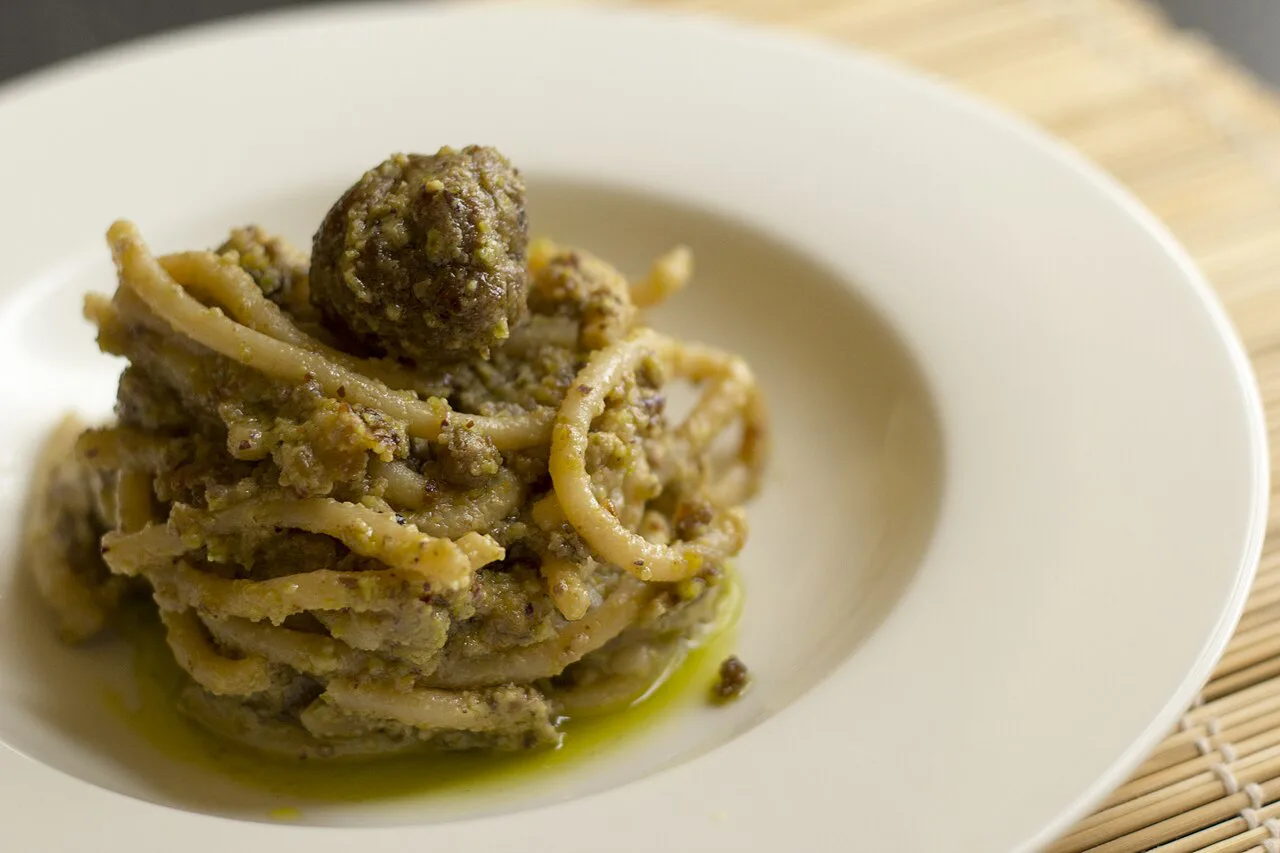
Ragù toscano is the richest option, a slow-cooked meat sauce that coats the thick strands. Pici all'aglione uses a garlicky tomato sauce, punchier than it sounds because the garlic is cooked down rather than raw. Cacio e pepe is the simplest: pecorino cheese and black pepper, with nothing to hide behind. Fattoria Pulcino serves pici in all three.
Ask which of the three the kitchen does best, or order a plate that mixes sauces if the menu offers it. At Fattoria Pulcino, the pici arrive in three separate dressings — ragù toscano, aglione and cacio e pepe — so one order covers the classic set.
Where to eat pici near Montepulciano
Fattoria Pulcino is a family-run restaurant 1.5 km from Montepulciano on the SS146 towards Chianciano, set among the hills rather than inside the walls. The dining room offers more than 200 places, with a similar number of covers on a panoramic terrace, so it suits groups and families rather than a quiet corner for two.
The kitchen is run by the Pulcino family: Sergio Ercolani, known as il Pulcino, his wife Gabriella Matassini and their six children. The restaurant is open all year, and its menu is built on Tuscan farm cooking rather than restaurant fashion. For the wider choice of addresses in town, from osterie to trattorias, work through the best restaurants in Montepulciano before you settle on a booking.
If you want pici as one course in a longer lunch, this is the kind of place to plan around: a starter of salumi, a plate of pici, then grilled meat. Book ahead if you are a large group, and give the restaurant a ring if you want to combine lunch with a look at Montepulciano itself.
The rest of the lunch: what comes with the pici
The menu lists Tuscan crostini (toasted bread with a savoury topping), salumi from the farm, and pecorino with artichokes preserved in oil. If you have been thinking about the region's sheep's cheese, our guide to Pecorino di Pienza explains what makes the local wheels different from supermarket pecorino.
After the pasta come a mixed grill with roast potatoes, home-made desserts, coffee and a digestivo, with the farm's own red and white wine. It is a full Tuscan farm lunch rather than a quick pasta stop, so plan a relaxed afternoon rather than a tight schedule.
The farm also produces olive oil and salumi, and the estate runs tastings in its sixteenth-century cellar and in the Medicean cellars, with a stone Etruscan mask said to date from the second century BC among what is described. These visits are arranged by the Fattoria itself, so ask when you book.
How to say pici and order them
Pici is pronounced roughly PEE-chee, with a hard ch as in cheese. On a menu you will see it in the plural, so ask for un piatto di pici — a plate of pici — and say which sauce you want if the menu lists more than one.
Pici are a primo, the pasta course, not a main. In a Tuscan lunch that means they come before the grilled meat, so order accordingly and do not fill up on bread while you wait. A carafe of the house red is the usual match.
The August Sagra dei Pici
In August the Fattoria Pulcino organises a food and wine route that includes a pici lunch and a guided tasting of Nobile di Montepulciano and other wines alongside Pecorino di Pienza, salame, finocchiona, Prosciutto di Montepulciano and the farm's organic olive oil on bruschetta.
Nobile di Montepulciano is the red wine of the Montepulciano area. The tasting is part of the estate's own programme rather than a town-wide event, so confirm the arrangement when you book a table at the restaurant.
Should you order the pici?
Yes, if you want the defining pasta of inland southern Tuscany rather than a neutral plate of spaghetti. Order them with ragù toscano for the richest version, or cacio e pepe if you want the pasta itself to do the talking.
For a single address outside Montepulciano, Fattoria Pulcino puts pici in three dressings on one table, within a family-run farm restaurant 1.5 km from town on the Chianciano road. Elsewhere in town, compare osterie and trattorias before booking, and treat pici as one course in a long Tuscan lunch rather than a quick bite.
Explore more Montepulciano food guides
Frequently Asked Questions
Are pici always served with ragù?
No. Ragù toscano is the best-known dressing, but pici are also served with aglione, a garlicky tomato sauce, and with cacio e pepe, cheese and black pepper. Ask what the kitchen has made that day.
Are pici made with eggs?
Classically not. The dough is flour, water and salt, and at Fattoria Pulcino eggs are described as rarely used — at most a little for colour. That is why pici have a firm, dense chew compared with egg pasta.
How do you pronounce pici?
Roughly PEE-chee, with a hard ch sound. On a menu the word is plural, so you ask for un piatto di pici, a plate of pici.
Where can I eat pici near Montepulciano?
Fattoria Pulcino, a family-run restaurant 1.5 km from Montepulciano on the SS146 towards Chianciano, serves pici in three dressings: ragù toscano, aglione and cacio e pepe.
Sources
Notes for your next meal in Italy
Optional updates to our food guides.
You might also like
Continue reading
More guides you'll find useful